Justus von Liebig
In front of you on Maximiliansplatz in Munich stands a statue of Justus von Liebig. He ranks among the most influential chemists of the nineteenth century. Born in Darmstadt in 1803, he first met chemistry in his father's paint and pigment business.
His path ran from the University of Erlangen to Paris, where he worked with the renowned chemist Joseph Gay-Lussac. Research on fulminates alongside Friedrich Wöhler led to the discovery of isomerism, a concept that would shape modern chemistry. In 1824 the University of Giessen appointed him, and there he founded the first teaching laboratory. Giving students hands-on experience, it revolutionised chemical education. He taught in Munich from 1852 until his death in 1873, and his work laid the foundation of the fertiliser industry. Later chemists refined some of his theories on plant nutrition, yet agricultural chemistry still rests on what he began.
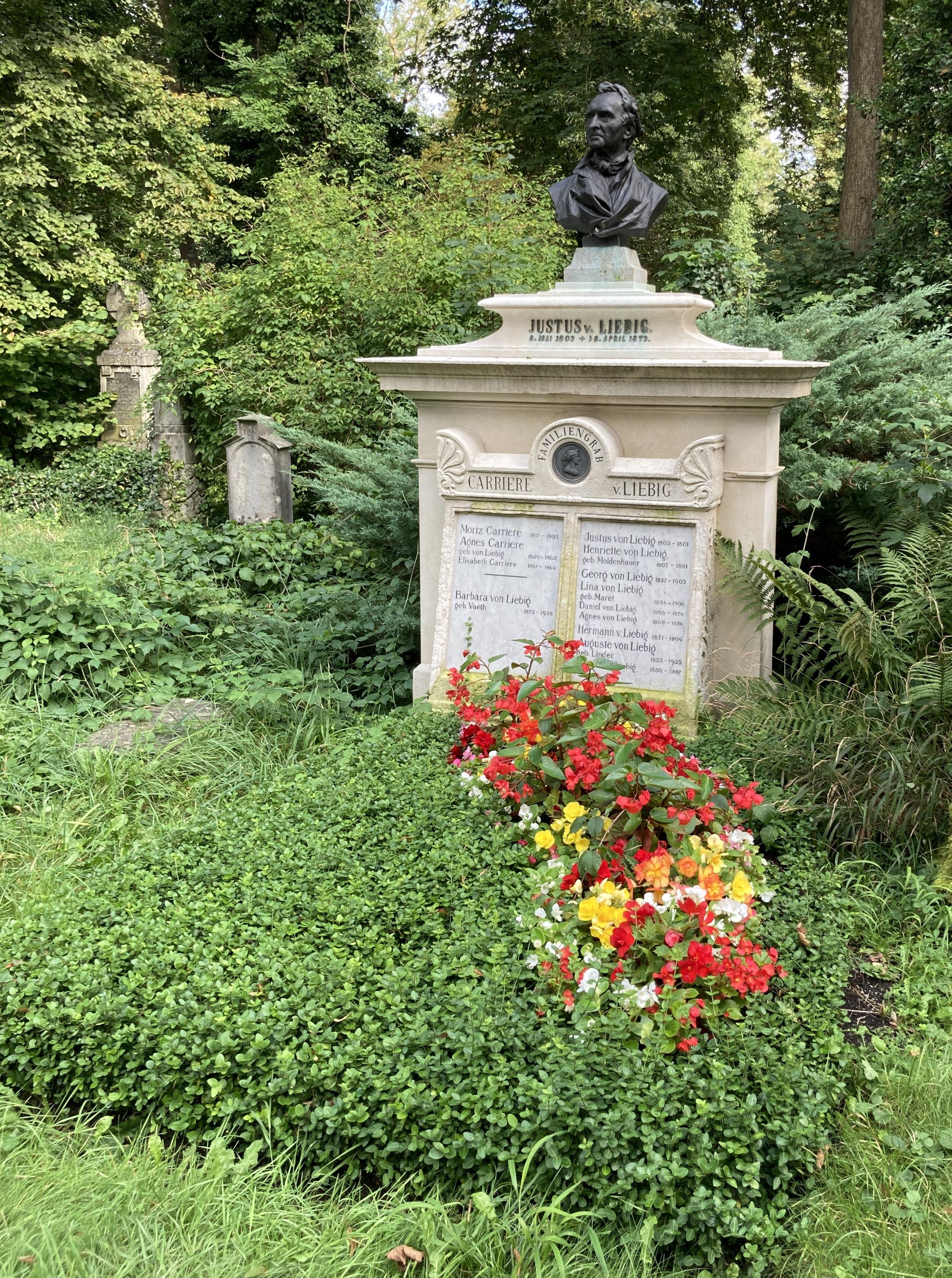
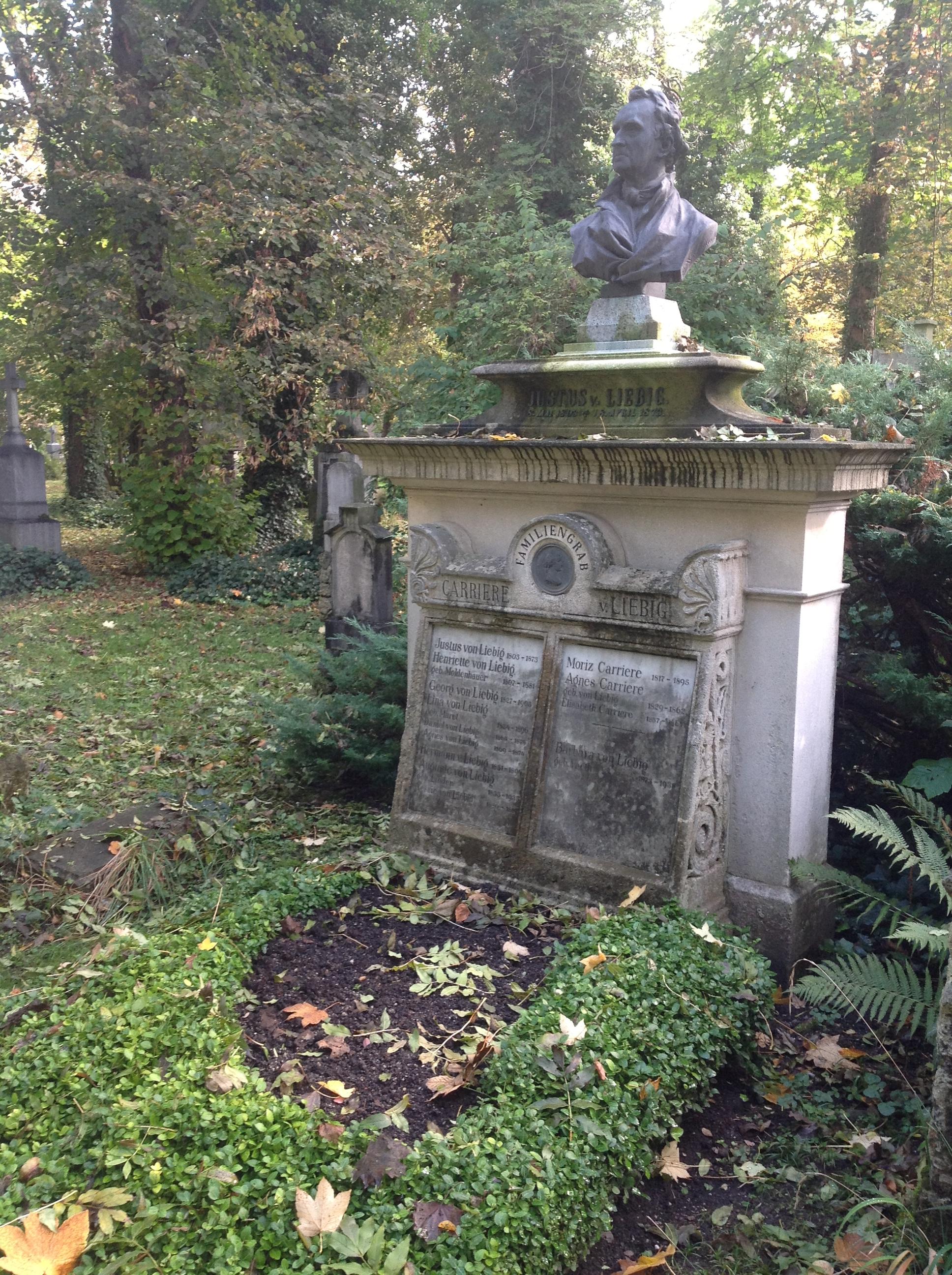
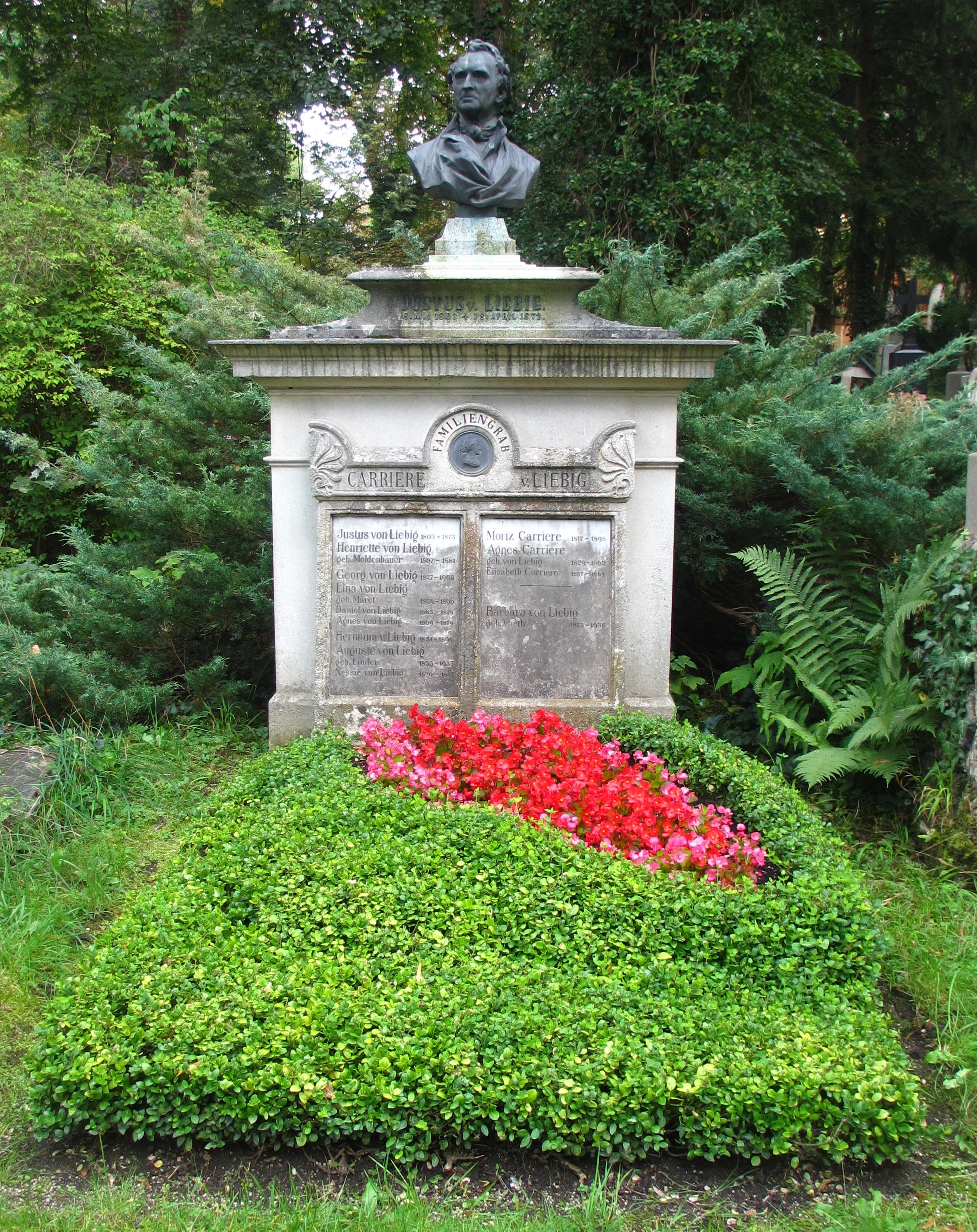
A monument marks his grave in the Alter Südfriedhof and honours his contributions to science. Food chemistry drew him too: he championed meat extract for its nutritional value, a claim later debunked. The verdict went against him, yet the idea produced the bouillon cube.
- City
- Munich
- Content updated
Take this page with you
The myTuur app is free, and once you are standing at a spot its story starts by itself.


Spots like this one are the stops myTuur strings into tours through Munich. In the app, each story begins where you stand: walk up to a spot and it starts, read it on screen or listen as you go, then follow the route to the next one.
What is myTuur?
myTuur is a free city-guide app. Its tours are built from spots, and each spot carries a story that starts when you get there, to read or to listen to as you like.