Еа
Ea stands in Tashkent, Uzbekistan, as a railway-history spot centred on a 2-10-0 steam locomotive. It has two leading wheels, ten driving wheels, and none behind. That arrangement gave the engine high adhesive weight for hauling heavy loads without slipping on the rails.
Russian engineers developed the design when wartime railways needed stronger engines than existing 0-8-0 and 2-8-0 locomotives. American factories built the first related batch in 1915. The Ea subclass emerged during the Second World War through Lend-Lease production based on Soviet requirements. ALCO and Baldwin added welded fireboxes, mechanical stokers, and different grate and frame designs. The first examples arrived in 1944 with greater tractive effort and horsepower than earlier models. Some also carried feedwater heaters, then a new feature for these engines.
After the war, some locomotives reached Finland as Tr2, known as Truman engines, and China as DK2. Both countries used them for heavy freight work. These labels preserve how one Russian design travelled through international railway history.
- City
- Tashkent
- Content updated
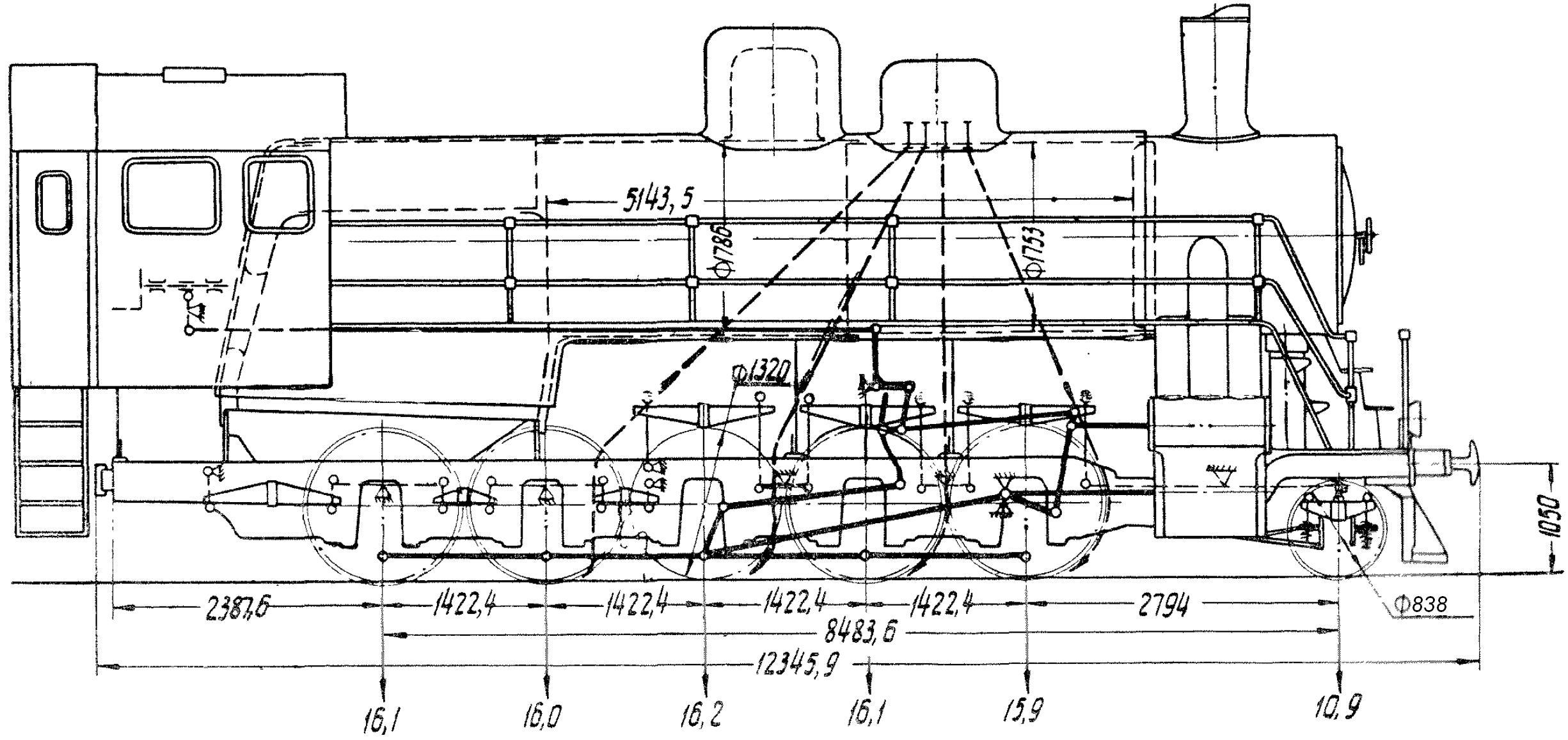
Image: Unknown authorUnknown authorPublic domain 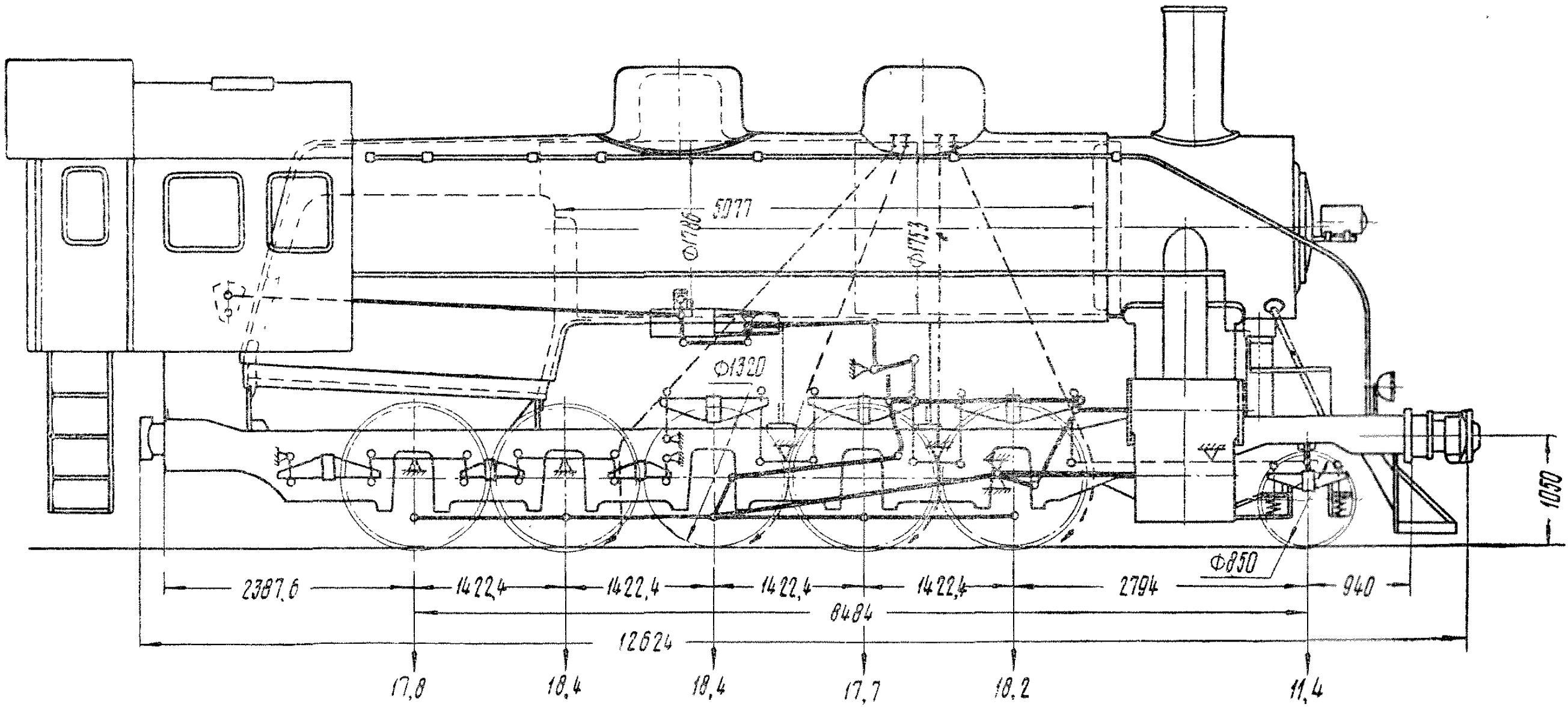
Image: Unknown authorUnknown authorPublic domain 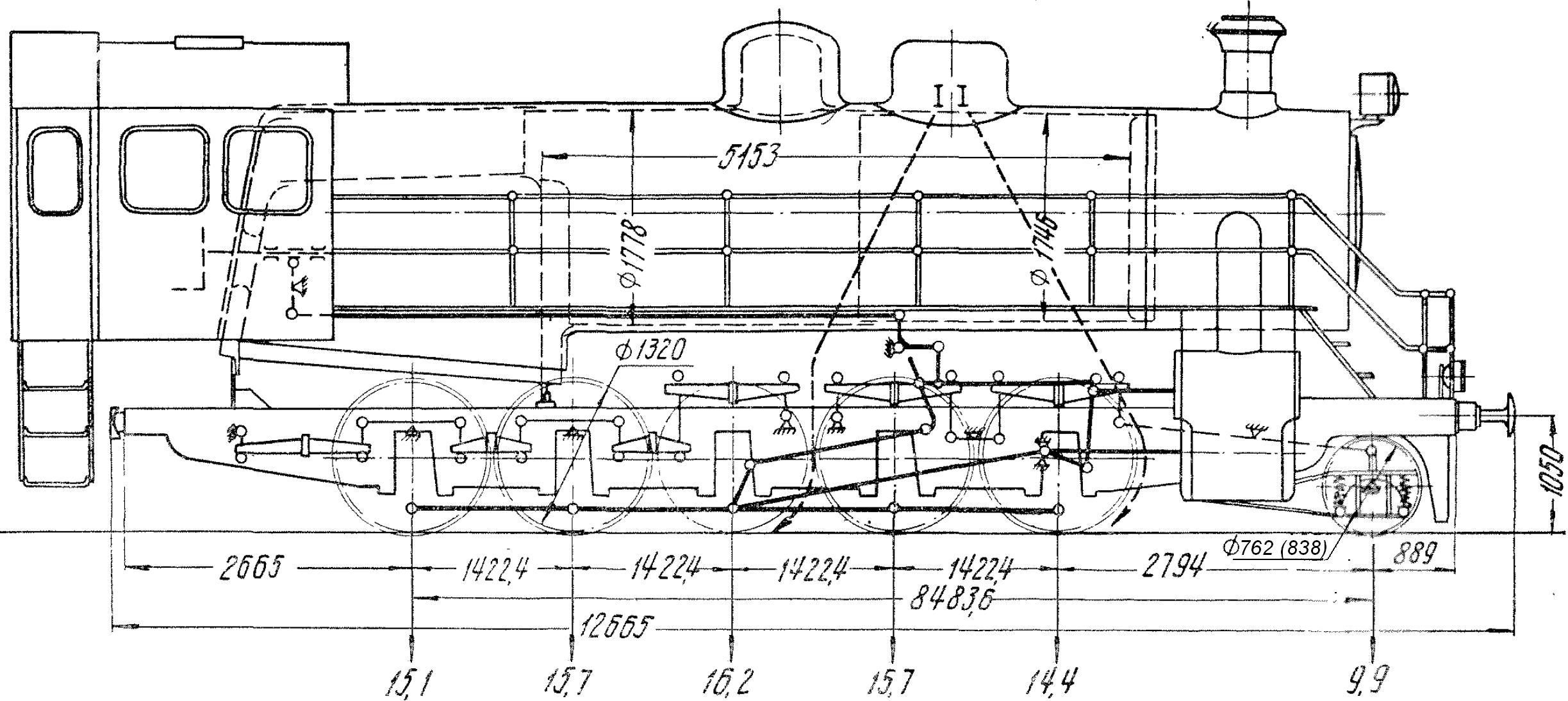
Image: Unknown authorUnknown authorPublic domain 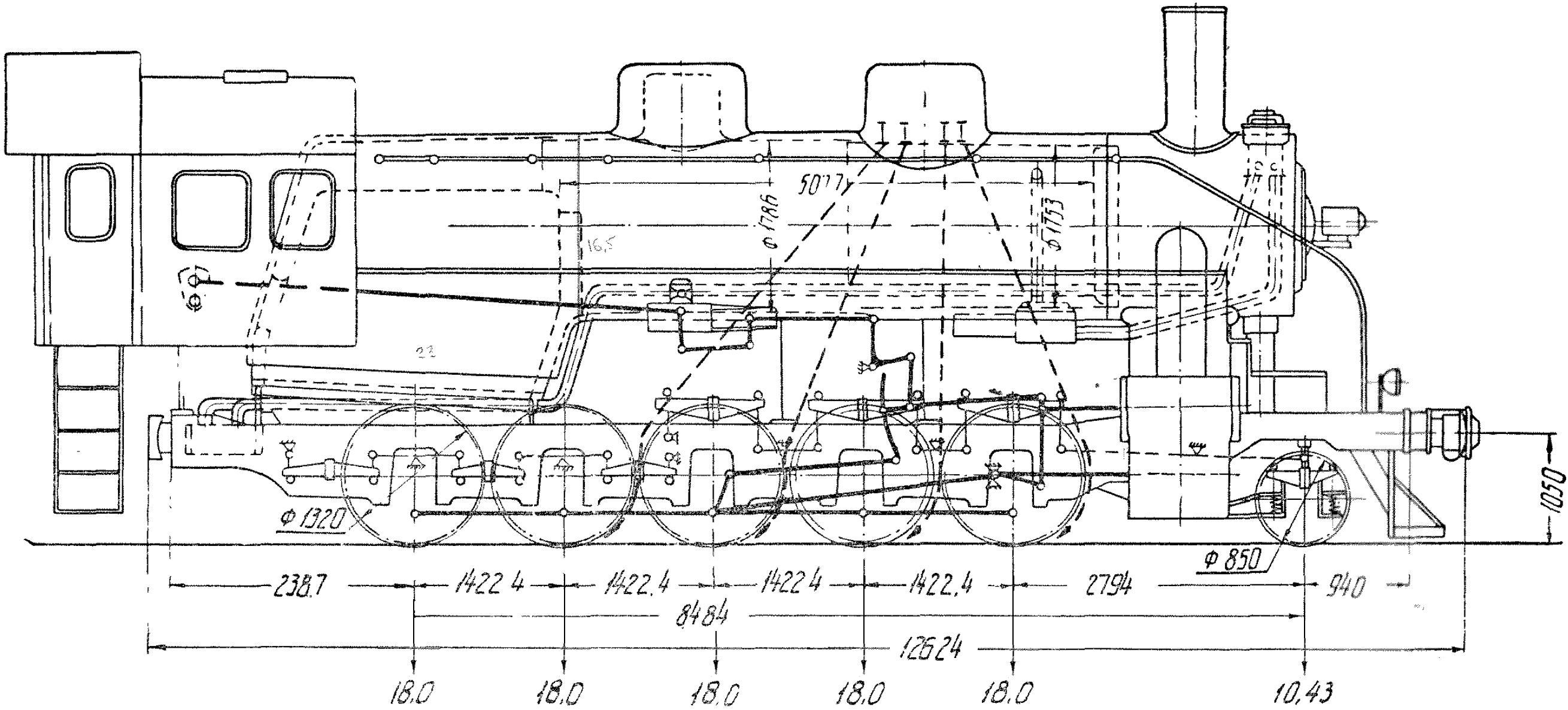
Image: Unknown authorUnknown authorPublic domain 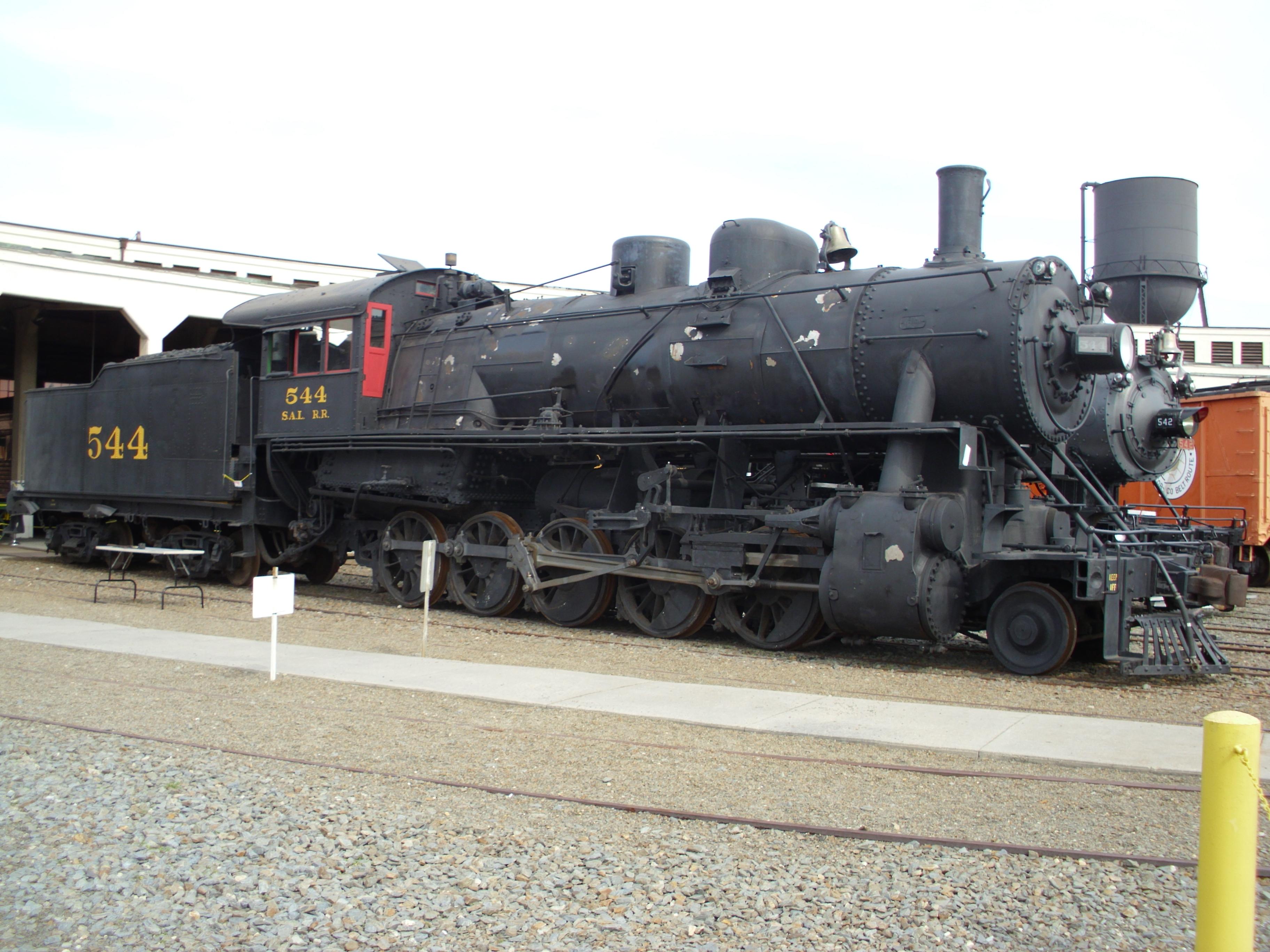
Image: PanzerschreckLeopardCC BY-SA 3.0
Take this page with you
The myTuur app is free, and once you are standing at a spot its story starts by itself.


Spots like this one are the stops myTuur strings into tours through Tashkent. In the app, each story begins where you stand: walk up to a spot and it starts, read it on screen or listen as you go, then follow the route to the next one.
What is myTuur?
myTuur is a free city-guide app. Its tours are built from spots, and each spot carries a story that starts when you get there, to read or to listen to as you like.