Votivkirche
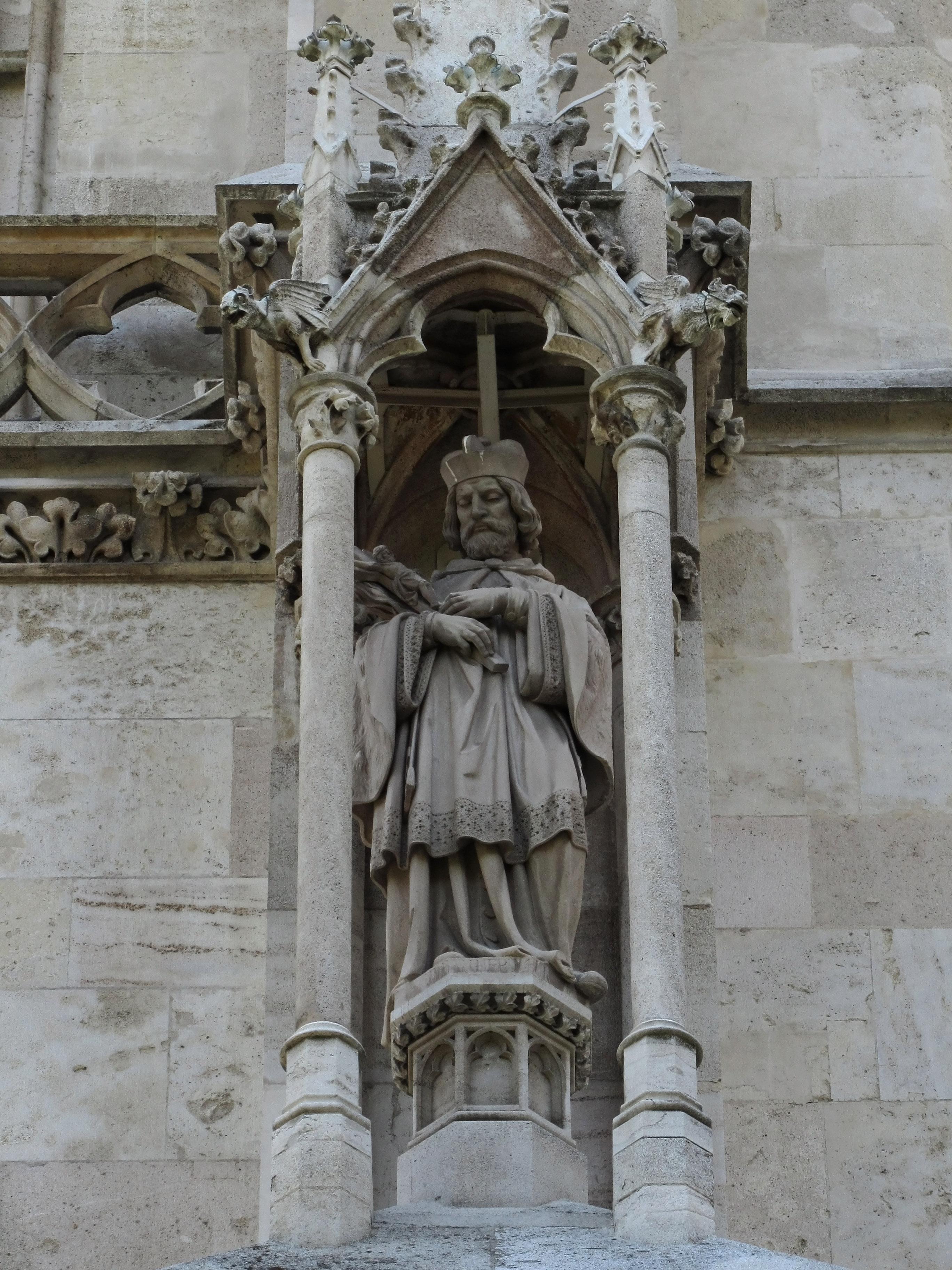
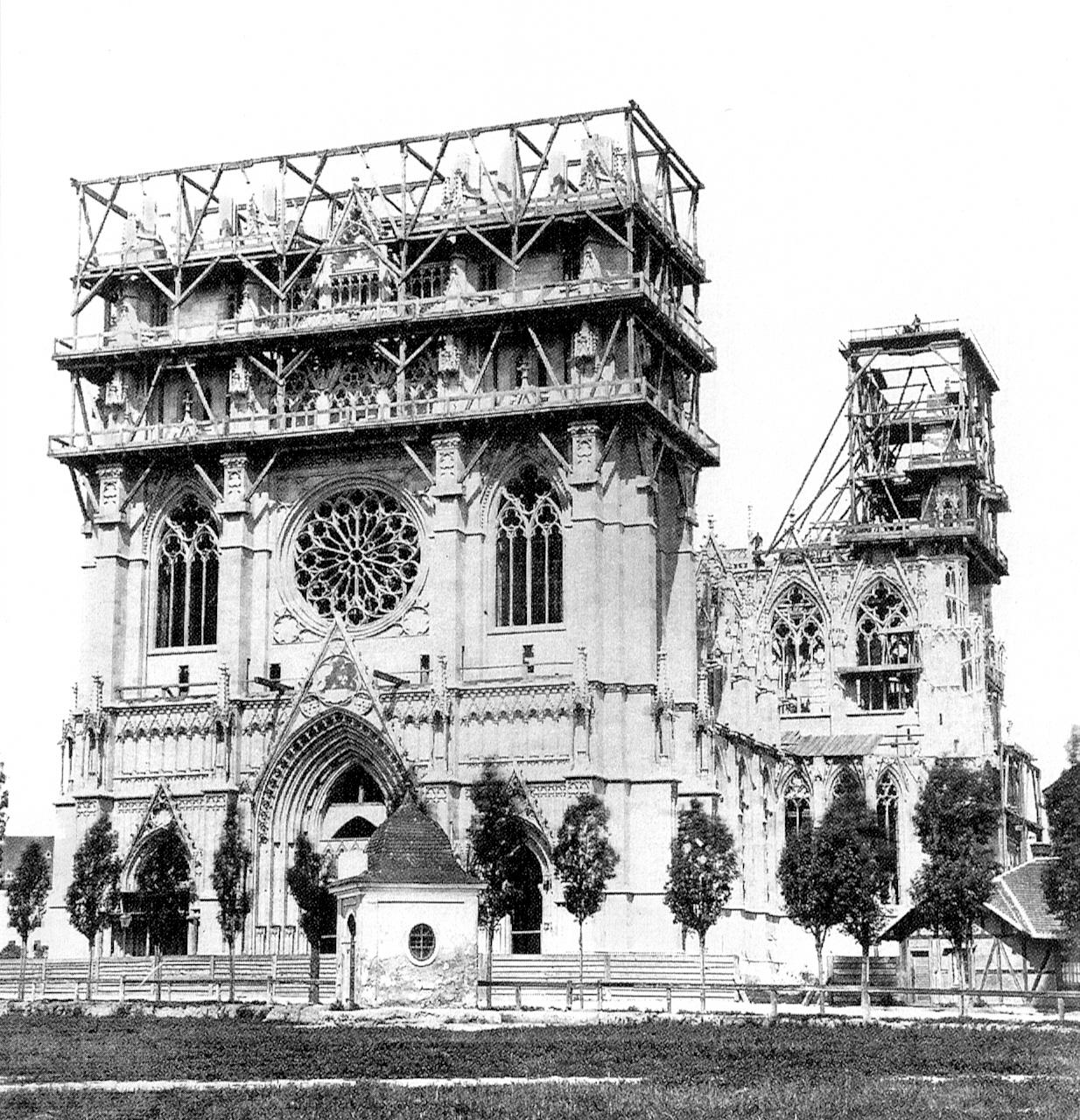
The Votivkirche stands on Vienna’s Ringstraße, surrounded by Votivpark near the University of Vienna’s main building. Its two slim towers, patterned roof and white sandstone façade give you the outline of a French Gothic cathedral. Yet Heinrich von Ferstel designed this neo-Gothic church after winning an architectural competition in 1854, aged twenty-six.
Its origins lie in János Libényi’s knife attack on Emperor Franz Joseph during a walk in 1853. The emperor survived, and his brother Archduke Ferdinand Maximilian sought donations across the empire for a votive church. Construction began in 1856, and dedication followed in 1879, on Franz Joseph and Elisabeth’s silver wedding anniversary. Originally intended as a garrison church, it was among the Ringstraße’s first buildings while Vienna’s walls still stood.
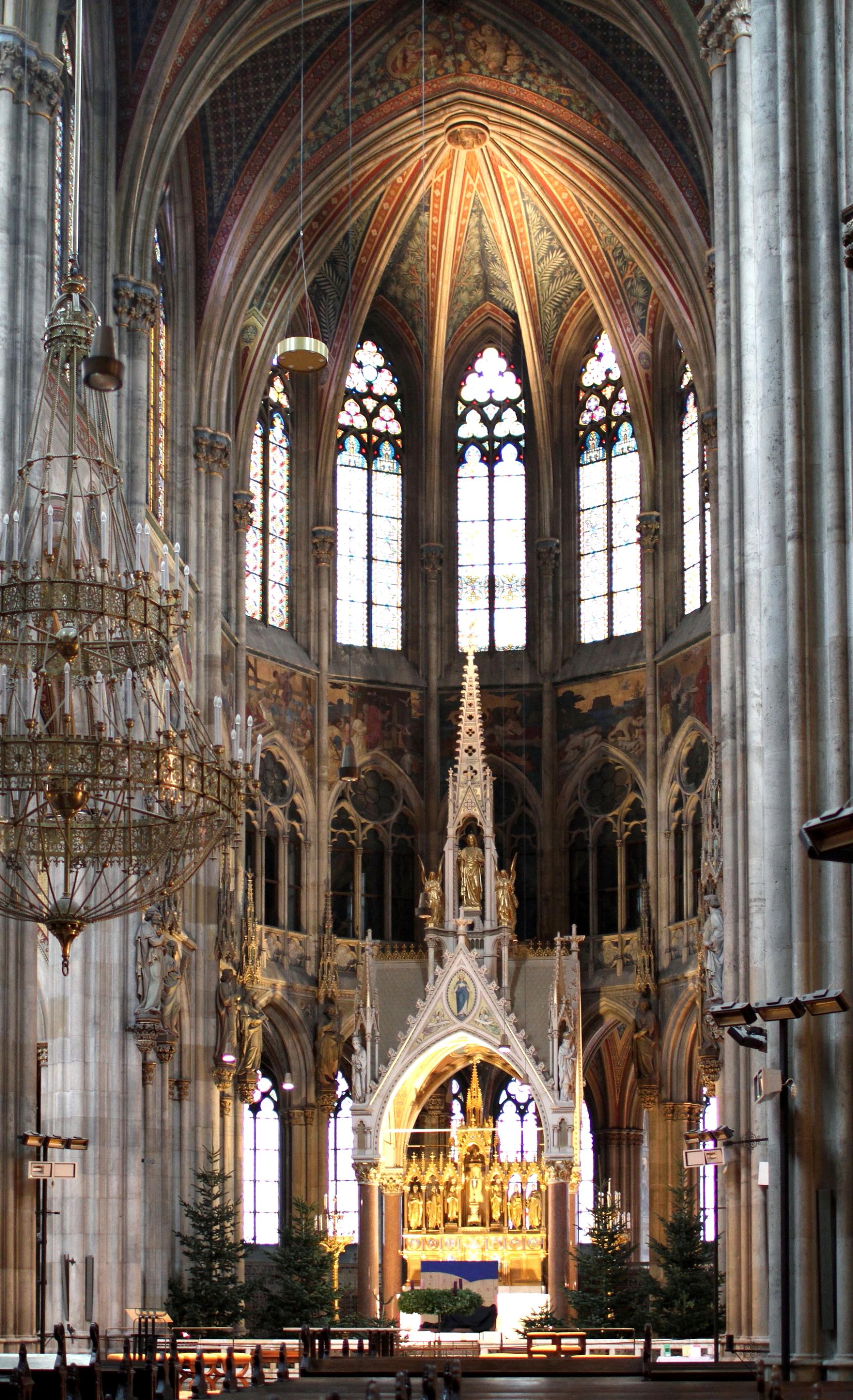
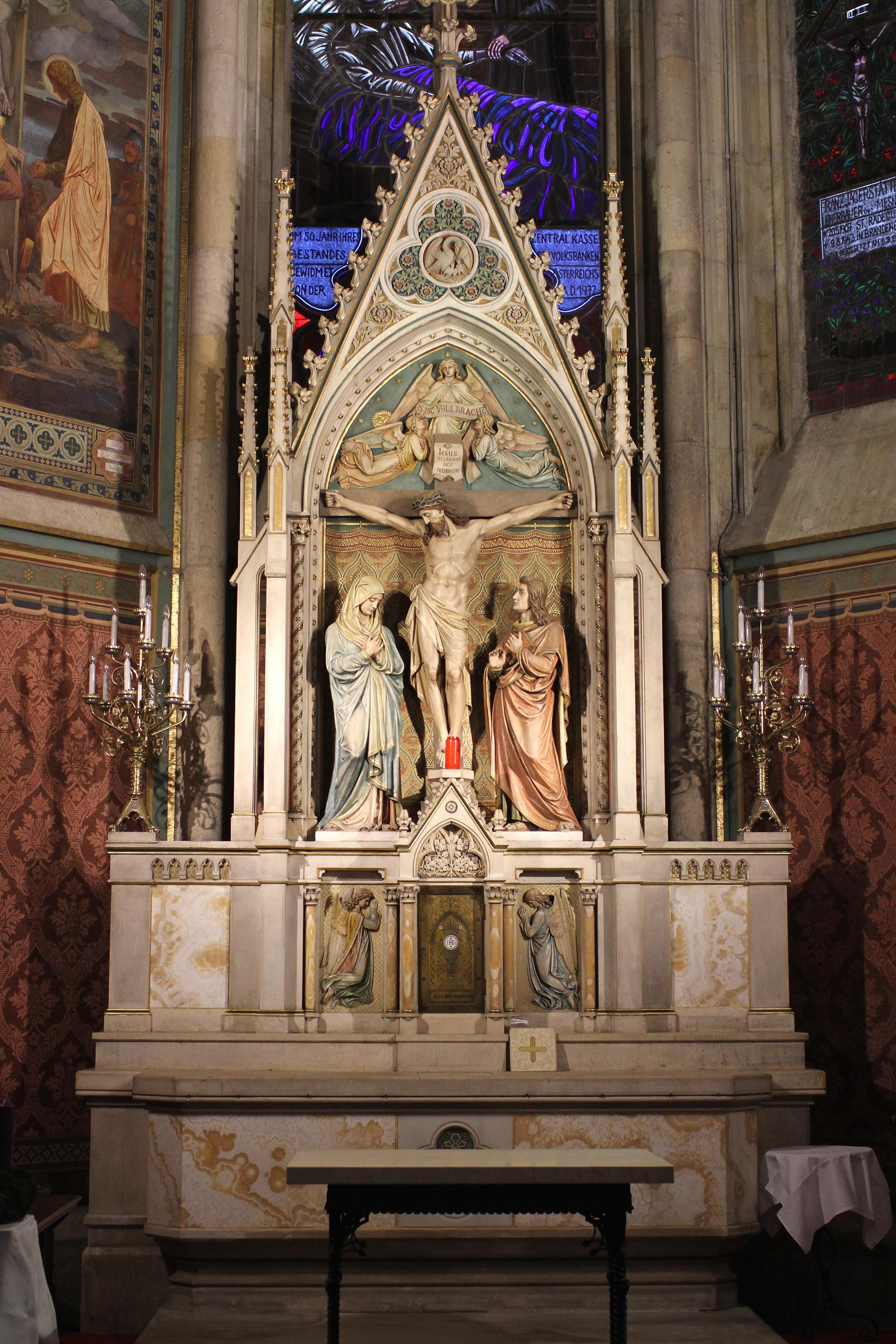
Inside, three aisles lead towards a marble high altar with glass mosaics, six alabaster columns and a gilded retable. Four red granite columns support its ciborium, while four chapels occupy the transept around it. The baptistry holds the Renaissance sarcophagus of Nicholas, Count von Salm, Vienna’s defender during the 1529 Turkish siege. Beneath the pulpit, Ferstel’s own portrait offers a quieter encounter with the architect.
- City
- Vienna
- Content updated
Take this page with you
The myTuur app is free, and once you are standing at a spot its story starts by itself.


Spots like this one are the stops myTuur strings into tours through Vienna. In the app, each story begins where you stand: walk up to a spot and it starts, read it on screen or listen as you go, then follow the route to the next one.
What is myTuur?
myTuur is a free city-guide app. Its tours are built from spots, and each spot carries a story that starts when you get there, to read or to listen to as you like.