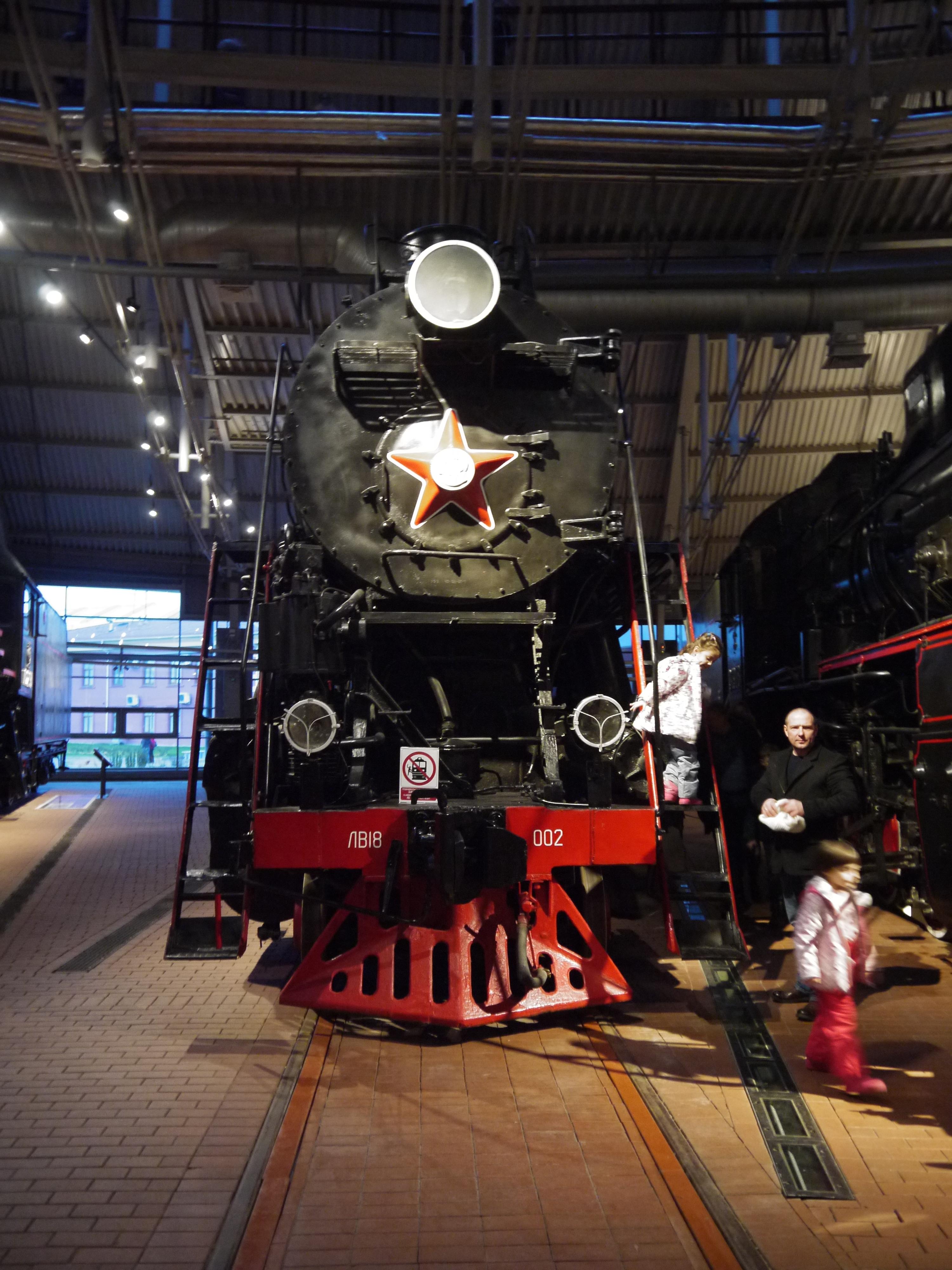
ЛВ 0487
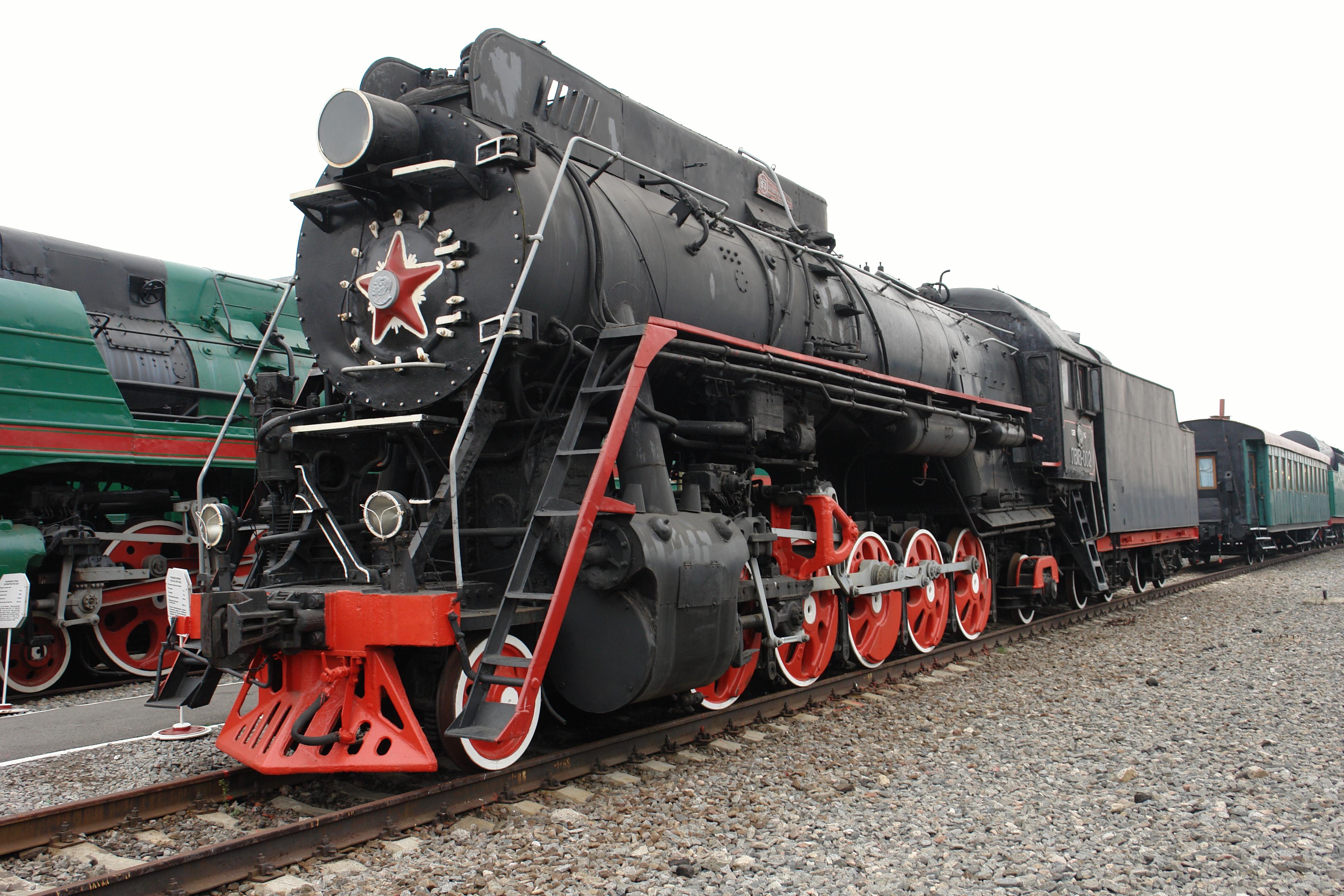
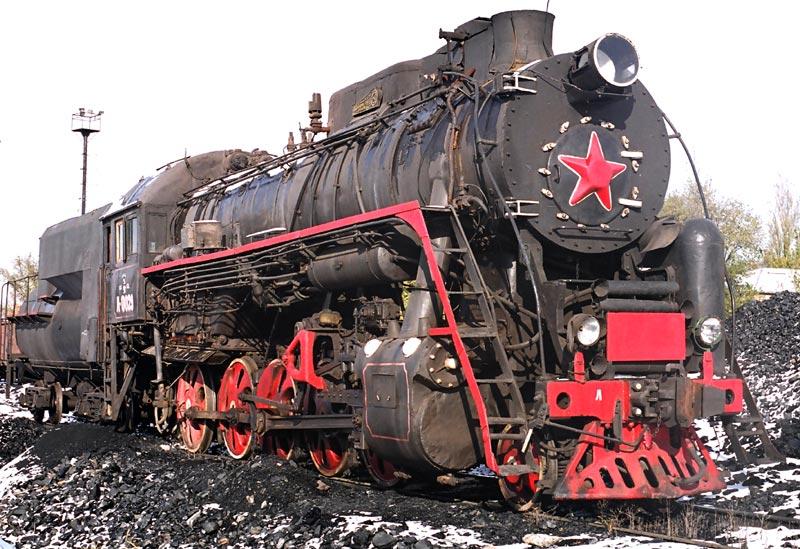
LV 0487 stands in the Tashkent Railway Museum in Uzbekistan, where a Soviet steam locomotive meets regional railway history. Its large driving wheels and robust tender dominate the display. Designed for heavy freight service, this class used a 2-10-2 wheel arrangement to distribute weight and provide traction. The long locomotive and six-axle tender reveal the practical demands of Soviet mainline railways.
Development began at Voroshilovgrad Works after the Soviet Ministry of Railways sought a successor to class L locomotives. The first prototype appeared in 1951. Testing in 1952 brought higher tractive effort, greater power, and thermal efficiency of about 9.27 percent. Centralized lubrication, pneumatic grates, power reverse, and roller bearings improved operation across the machine.
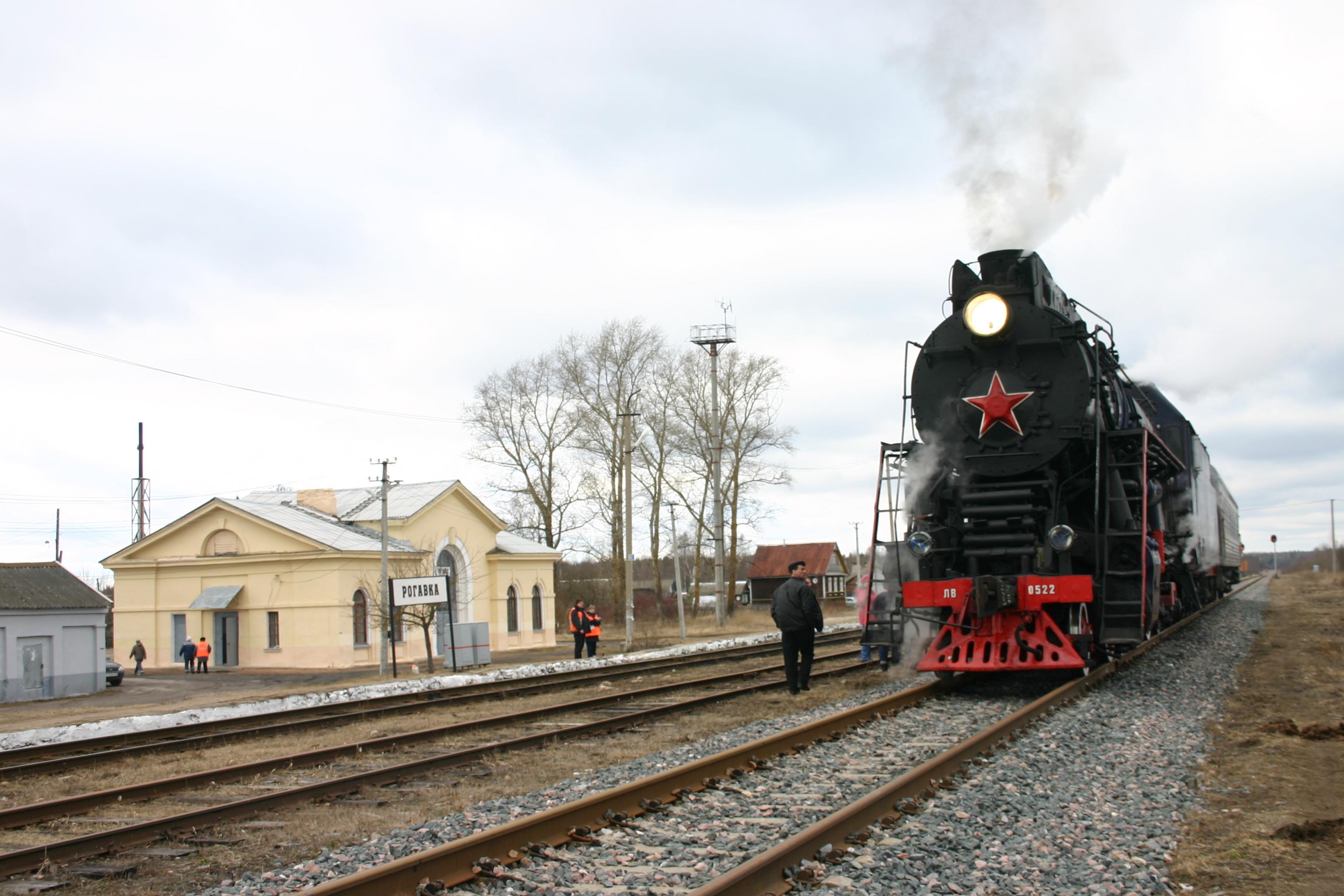
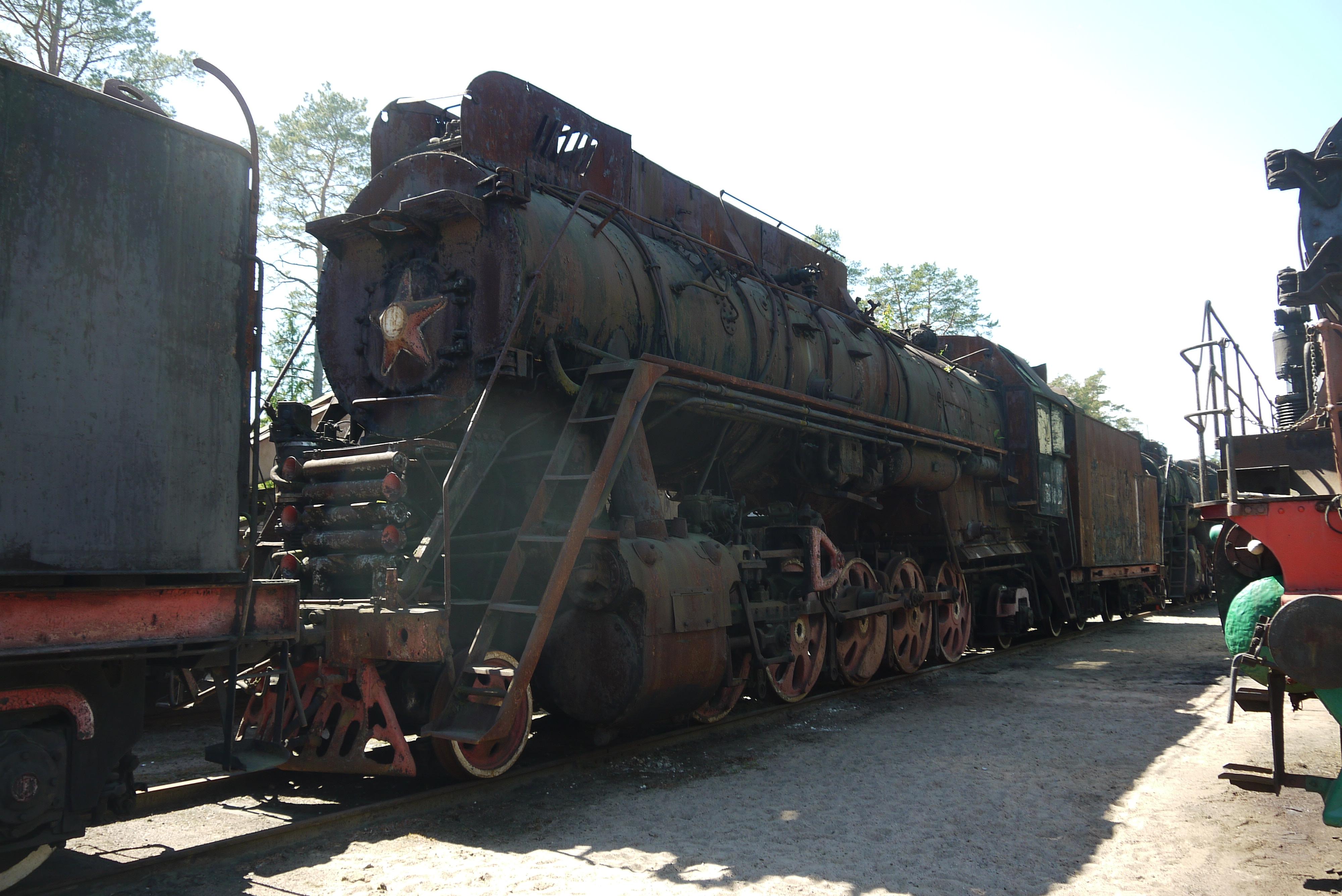
Series production followed in 1955, but Soviet railways soon turned toward diesel-electric and electric traction. Most LV locomotives left service by the late 1970s. This preserved engine also reflects freight capacity gains, lower coal consumption, and design influence on China’s later QJ steam locomotives. Its immense wheels and tender leave the clearest impression.
- City
- Tashkent
- Content updated
Take this page with you
The myTuur app is free, and once you are standing at a spot its story starts by itself.


Spots like this one are the stops myTuur strings into tours through Tashkent. In the app, each story begins where you stand: walk up to a spot and it starts, read it on screen or listen as you go, then follow the route to the next one.
What is myTuur?
myTuur is a free city-guide app. Its tours are built from spots, and each spot carries a story that starts when you get there, to read or to listen to as you like.