КЧ-4
CH-4 stands in Tashkent’s railway museum as a Soviet narrow-gauge steam locomotive from a class built in Czechoslovakia. Škoda’s Plzeň factory produced these engines between 1949 and 1952, using the earlier P24 design from the Kolomna locomotive works. The museum’s CH-4.228 connects Uzbekistan with a railway family used across postwar Europe.
Four hundred twenty locomotives carried numbers from CH-4.001 to CH-4.420, while related versions appeared as Poland’s KP-4, Hungary’s KB4, Finland’s PT-4, and Russia’s Bp. Their three-axle tenders came from the Klement Gottwald engineering works in Brno and carried the fuel and water needed for service. Narrow-gauge railways suited industrial routes and regional passenger lines where standard-gauge construction was impractical.
One surviving example, CH-4.332, later gained the nickname Marisa after restoration in Latvia. Its replacement tender came from PT-4.114, giving this locomotive an especially unusual link between different national versions of the same railway tradition.
- City
- Tashkent
- Content updated
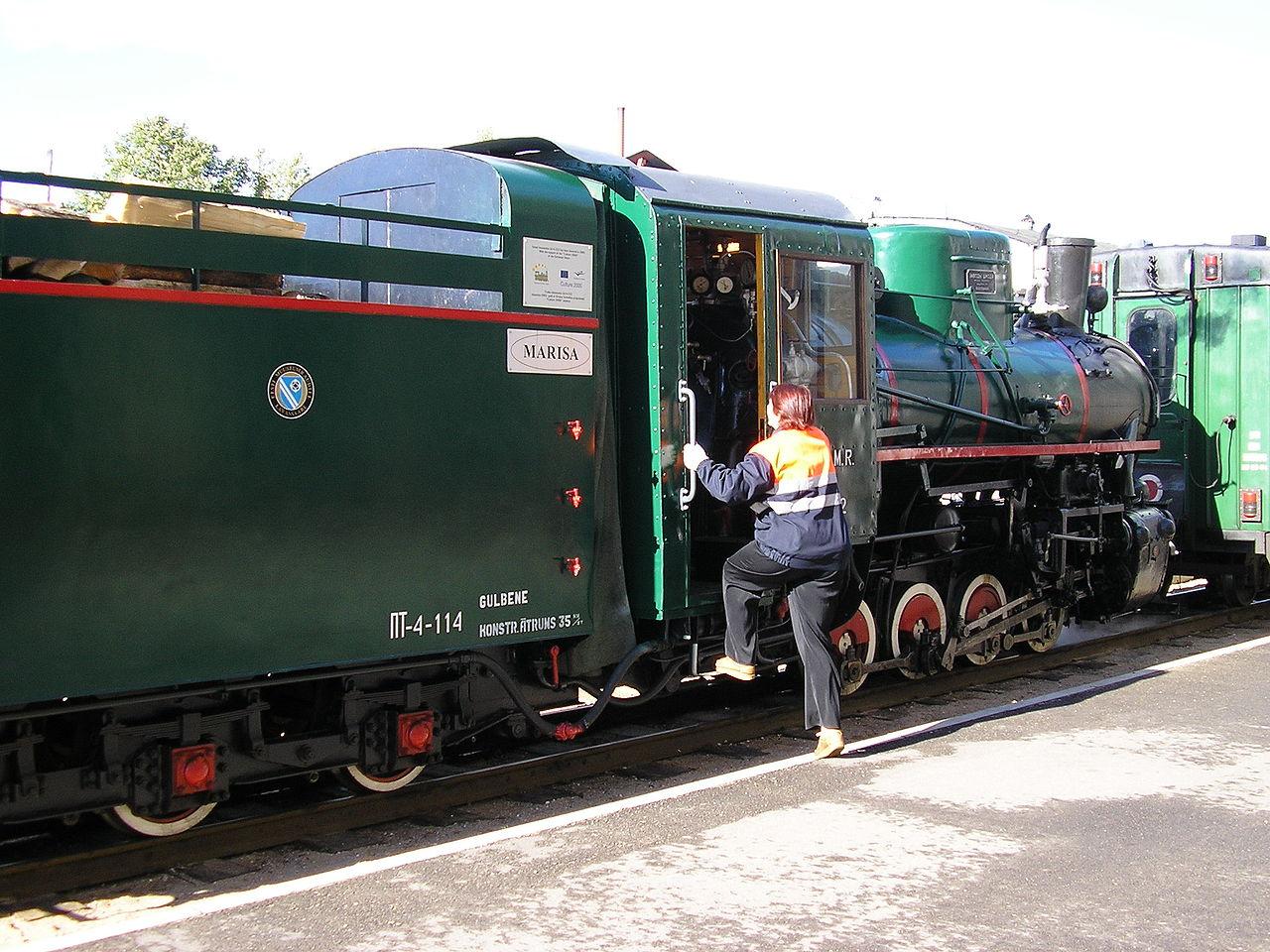
Image: Смирнов С.Public domain 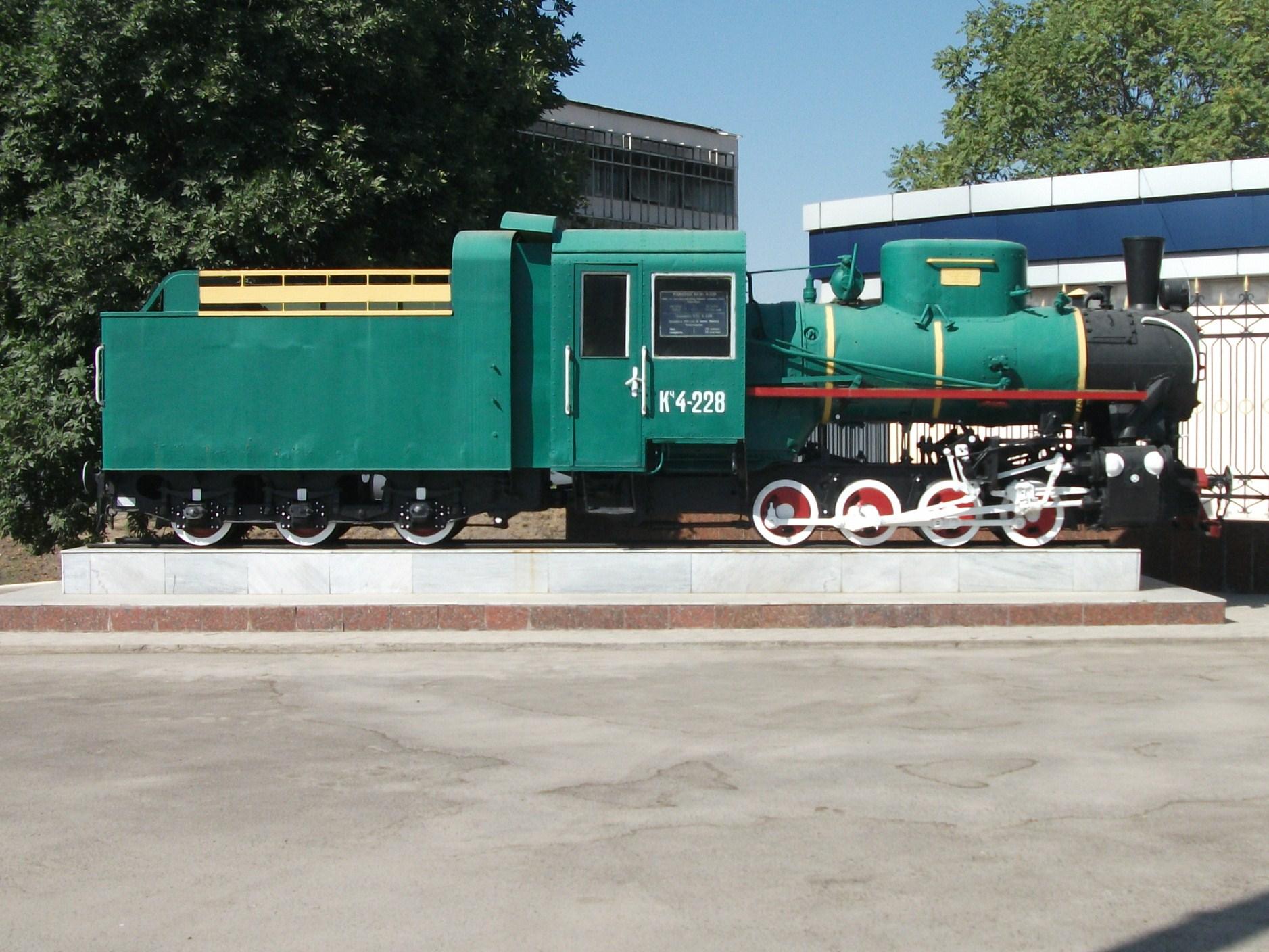
Image: AlexandronikosCC BY-SA 3.0 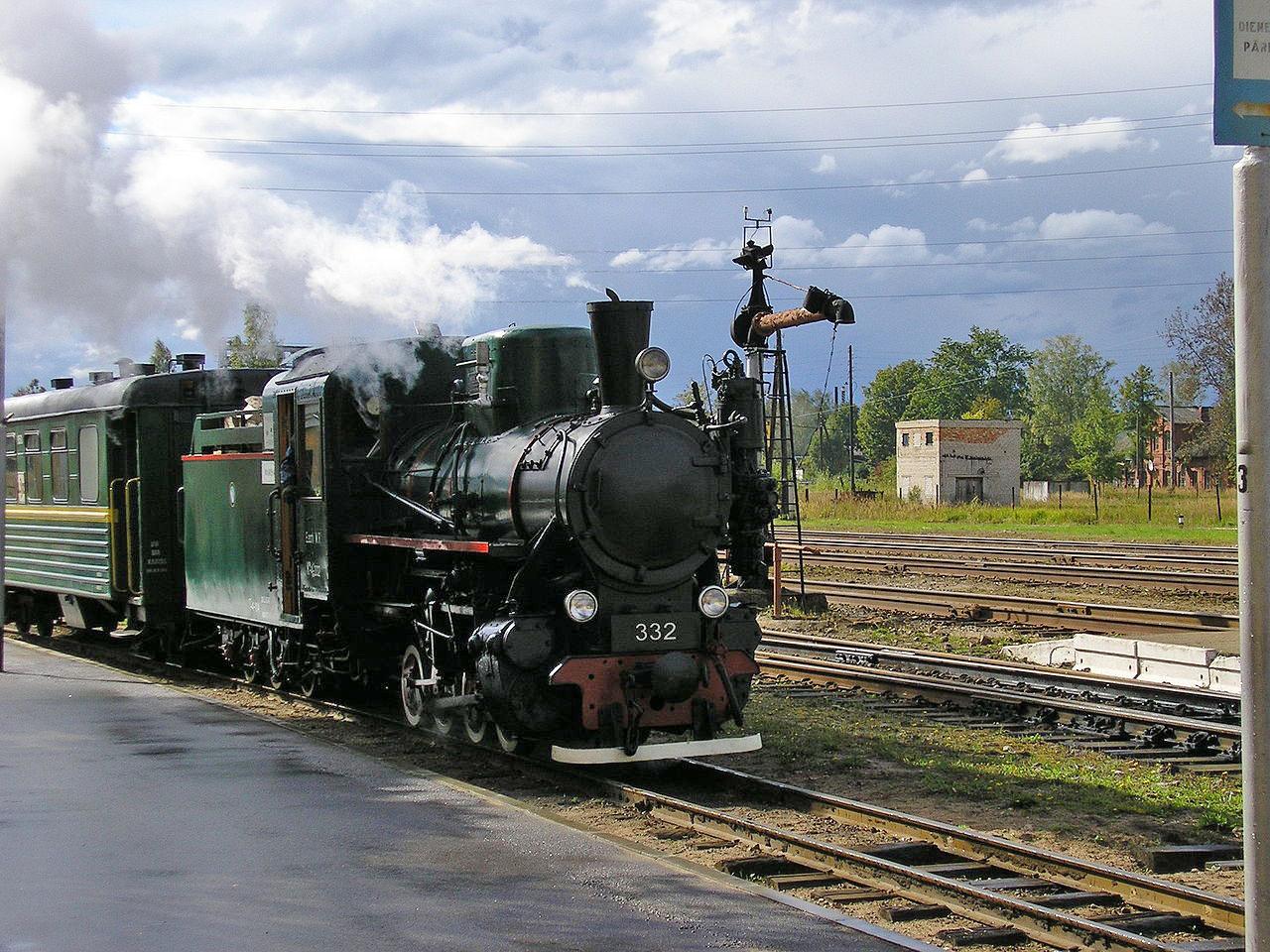
Image: С.Смирнов at ru.wikipediaPublic domain 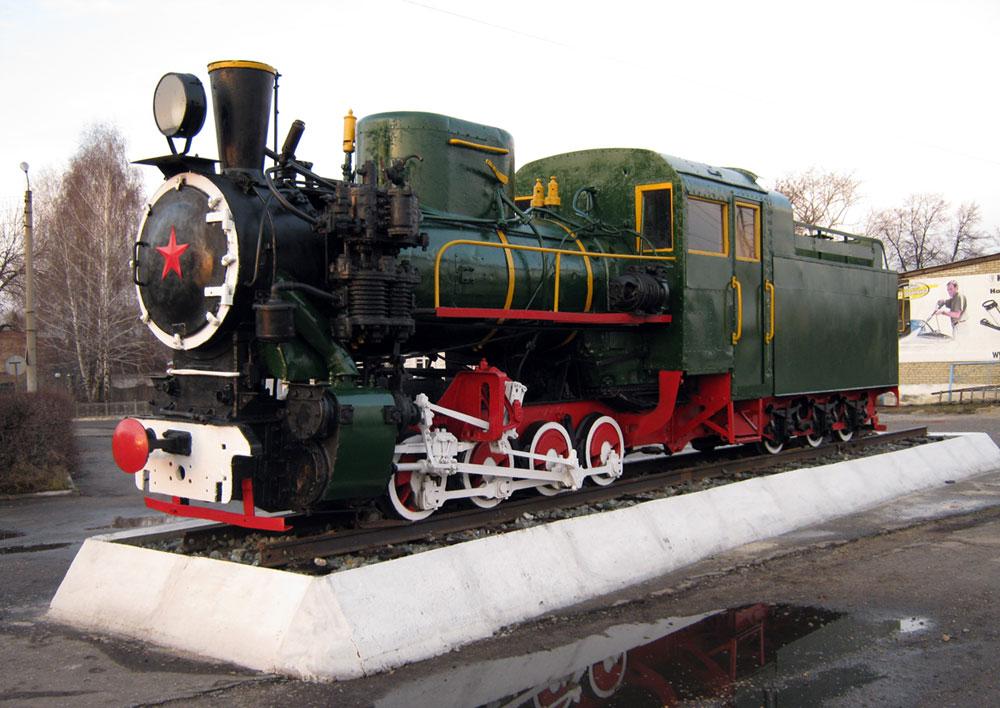
Image: РумяныйGFDL
Take this page with you
The myTuur app is free, and once you are standing at a spot its story starts by itself.


Spots like this one are the stops myTuur strings into tours through Tashkent. In the app, each story begins where you stand: walk up to a spot and it starts, read it on screen or listen as you go, then follow the route to the next one.
What is myTuur?
myTuur is a free city-guide app. Its tours are built from spots, and each spot carries a story that starts when you get there, to read or to listen to as you like.