Bewegung II (2)
In Stuttgart Mitte, Germany, Bewegung II stands in front of the Kleine Haus of the Württemberg State Theatre. Wander Bertoni, an artist from Vienna, created the abstract figure from stainless steel, the alloy also called Niro steel. It measures eight by four by four metres.
Bertoni designed the work between 1960 and 1961, and the Bundesgartenschau of 1961, the Federal Garden Show, brought its public unveiling. His aim was to embody the concept of movement in tangible form. For the city, the figure was also a first: no abstract sculpture had occupied its public space before. With the installation, Stuttgart sought to present itself as an international and open-minded city.
The work forms part of a broader effort to enrich Stuttgart's cultural landscape and to keep art open to all. Vermögen und Bau Baden-Württemberg, the state office for assets and construction, owns the sculpture. The state thus keeps motion itself on its inventory, eight metres of steel outside the theatre.
- City
- Stuttgart
- Content updated
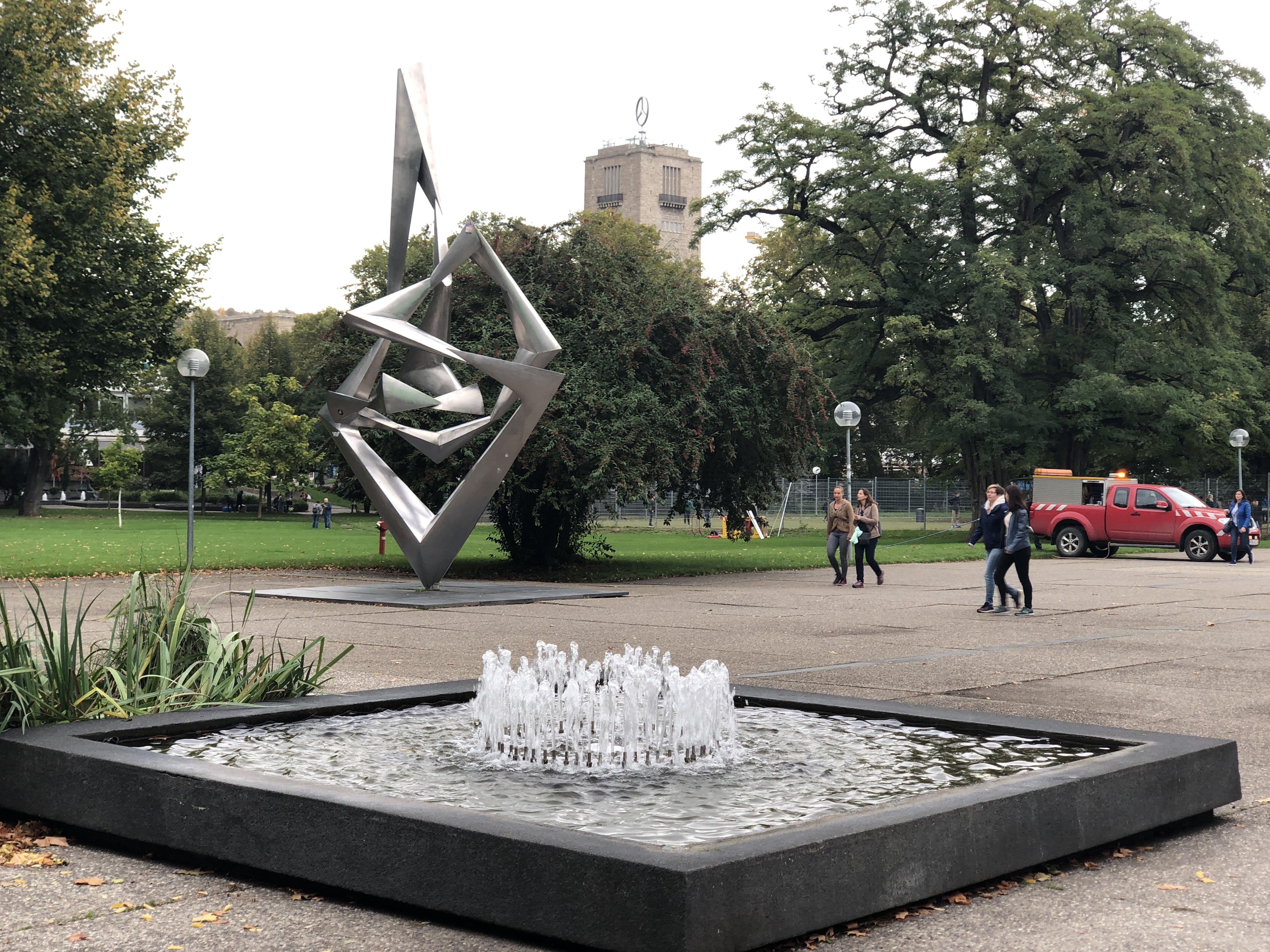
Image: This image is a work by Wikipedia and Wikimedia Commons user C.Suthorn. When reusing, credit me as described in the Licensing information below. I would appreciate being notified (wikimail, talk page, email, Social Media) if you use my work outside Wikimedia., Do not copy this image illegally by ignoring the terms of the license below, as it is not in the public domain. If you would like special permission to use, license, or purchase the image please contact me to negotiate terms., More of my work can be found in my personal gallery or at my Peertube channel., A prepared attribution especially for use in Social Media and Print (newspapers, flyers, books, murals, mousepads, mugs, posters, t-shirts) can be copied hereCC BY-SA 4.0 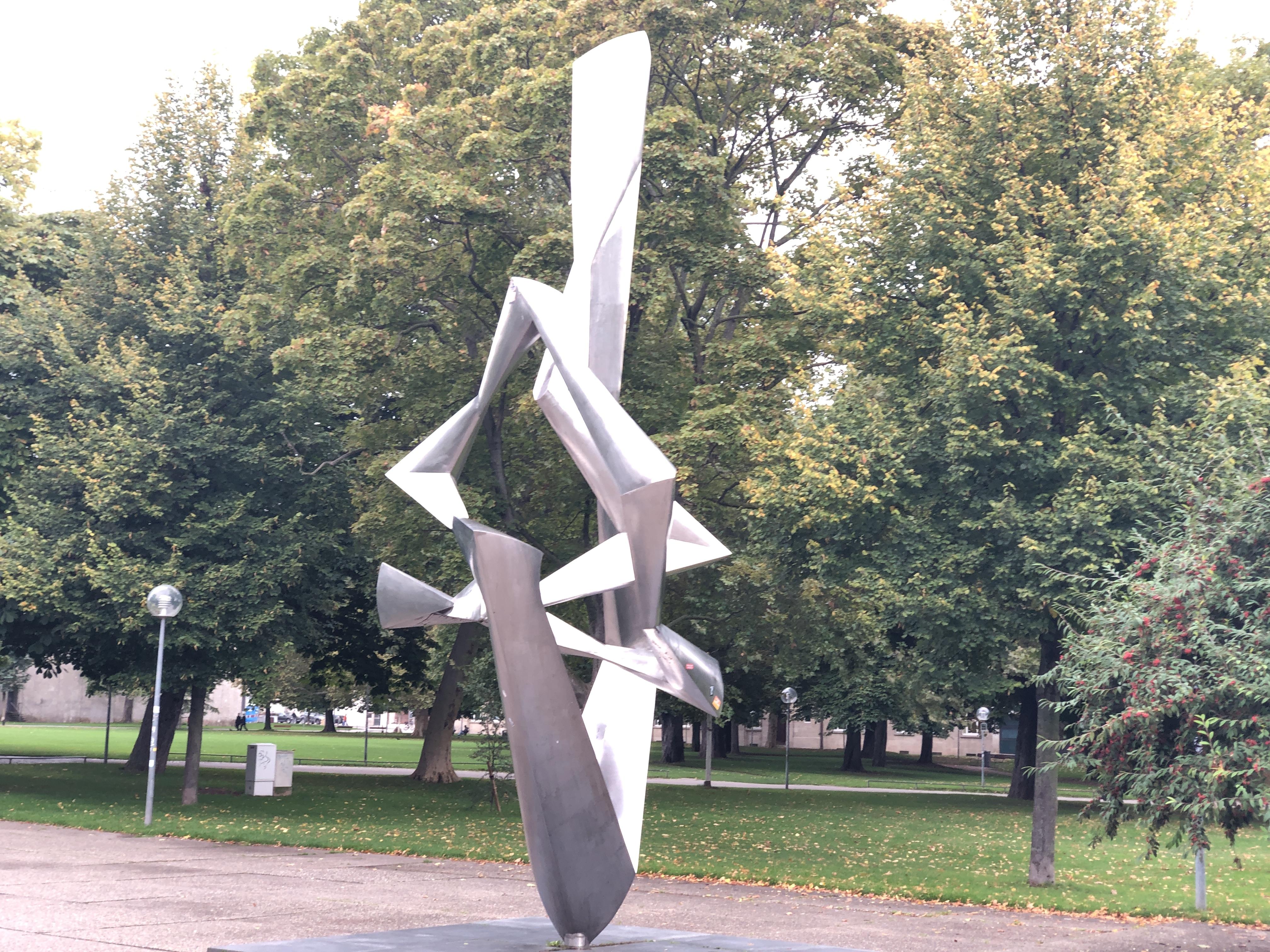
Image: This image is a work by Wikipedia and Wikimedia Commons user C.Suthorn. When reusing, credit me as described in the Licensing information below. I would appreciate being notified (wikimail, talk page, email, Social Media) if you use my work outside Wikimedia., Do not copy this image illegally by ignoring the terms of the license below, as it is not in the public domain. If you would like special permission to use, license, or purchase the image please contact me to negotiate terms., More of my work can be found in my personal gallery or at my Peertube channel., A prepared attribution especially for use in Social Media and Print (newspapers, flyers, books, murals, mousepads, mugs, posters, t-shirts) can be copied hereCC BY-SA 4.0 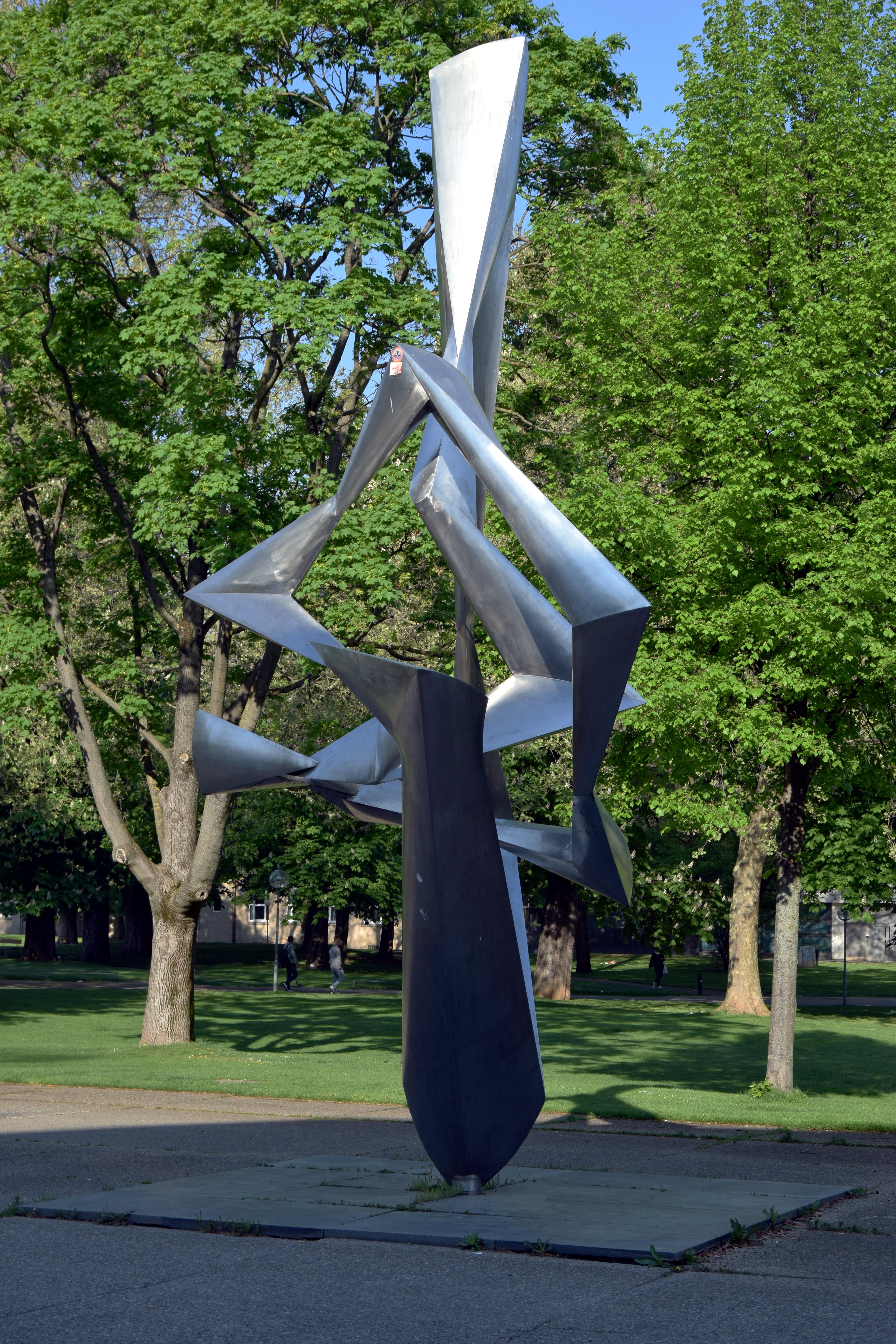
Image: MSesesCC BY-SA 4.0 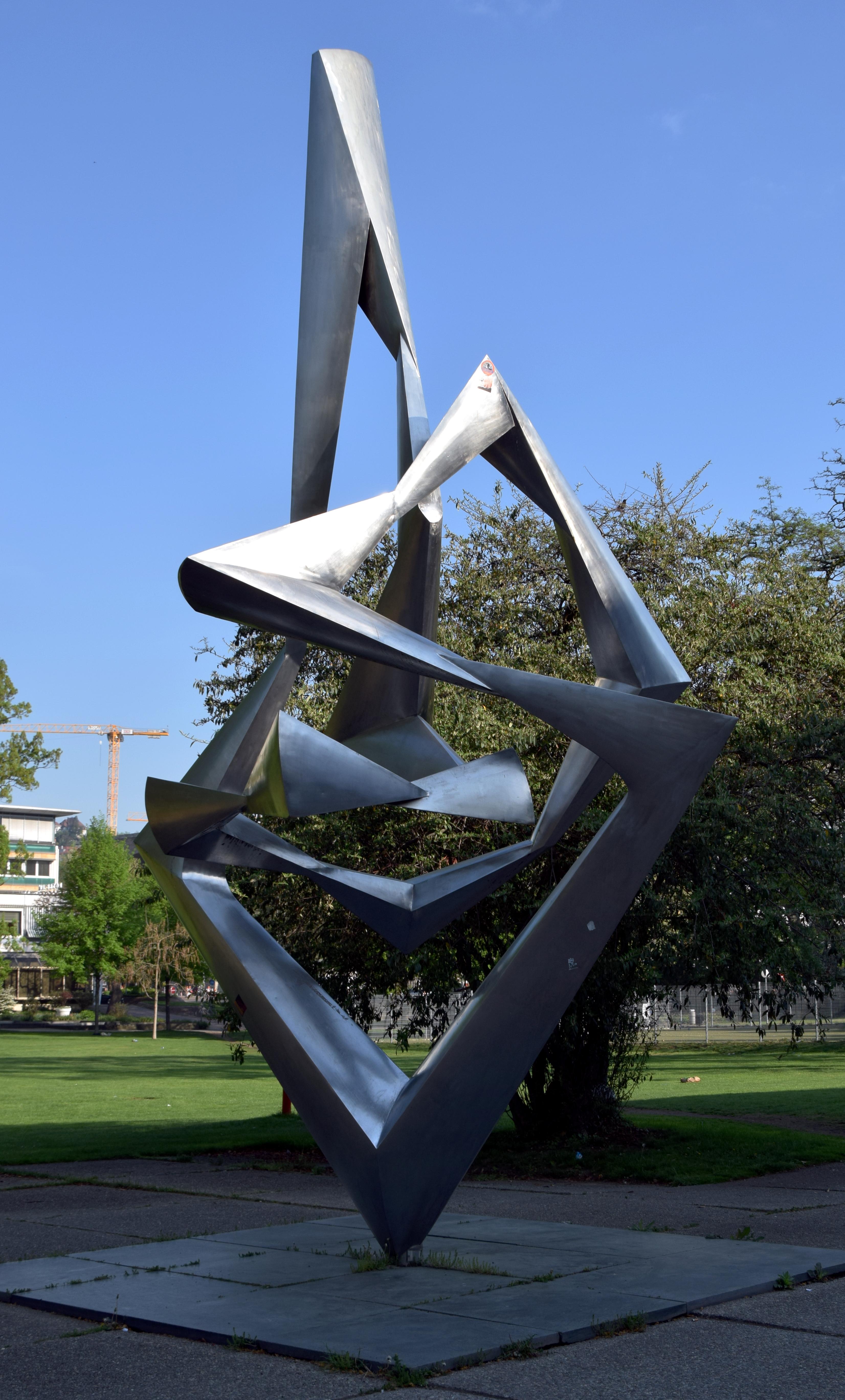
Image: MSesesCC BY-SA 4.0 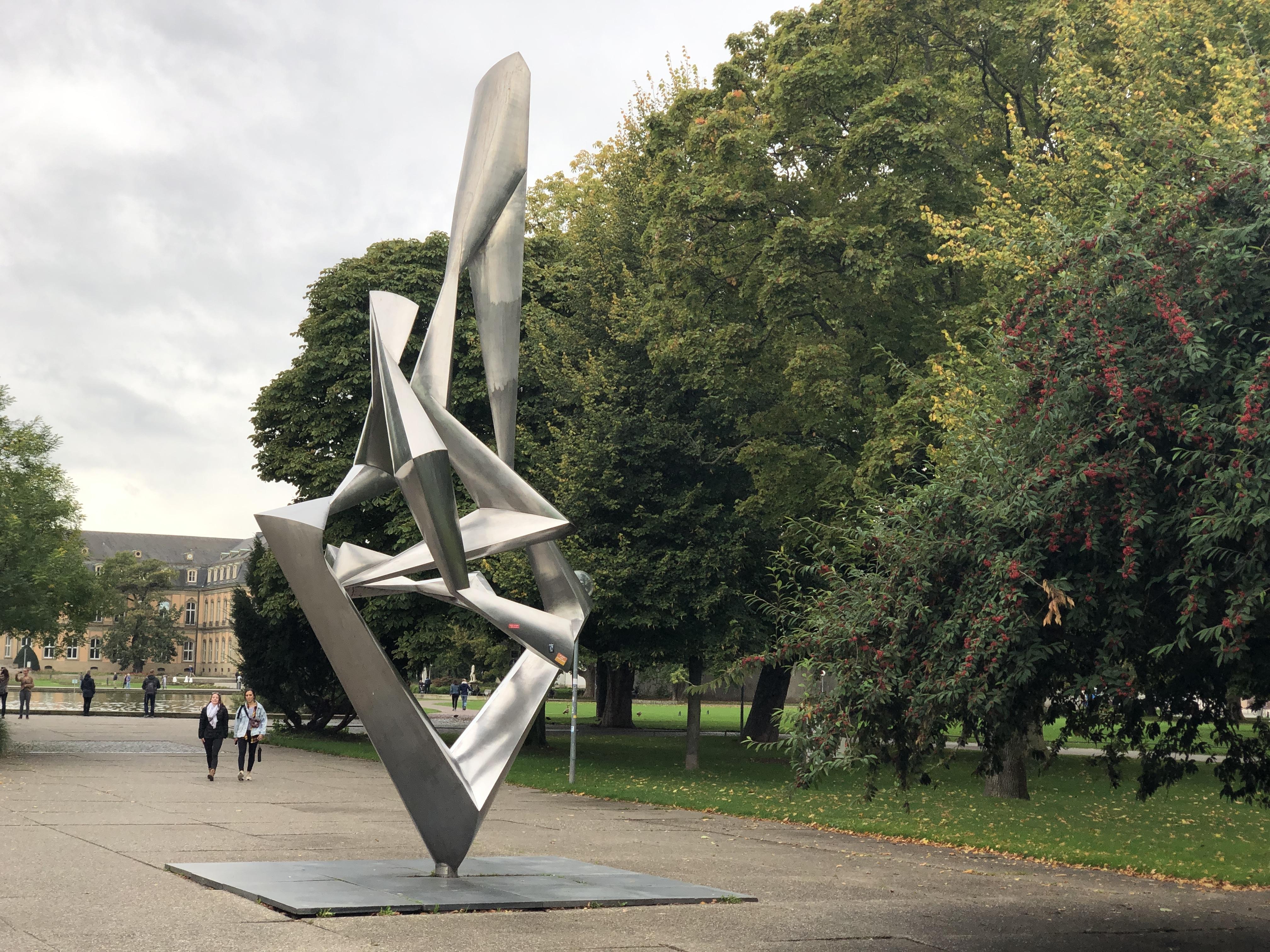
Image: This image is a work by Wikipedia and Wikimedia Commons user C.Suthorn. When reusing, credit me as described in the Licensing information below. I would appreciate being notified (wikimail, talk page, email, Social Media) if you use my work outside Wikimedia., Do not copy this image illegally by ignoring the terms of the license below, as it is not in the public domain. If you would like special permission to use, license, or purchase the image please contact me to negotiate terms., More of my work can be found in my personal gallery or at my Peertube channel., A prepared attribution especially for use in Social Media and Print (newspapers, flyers, books, murals, mousepads, mugs, posters, t-shirts) can be copied hereCC BY-SA 4.0
Take this page with you
The myTuur app is free, and once you are standing at a spot its story starts by itself.


Spots like this one are the stops myTuur strings into tours through Stuttgart. In the app, each story begins where you stand: walk up to a spot and it starts, read it on screen or listen as you go, then follow the route to the next one.
What is myTuur?
myTuur is a free city-guide app. Its tours are built from spots, and each spot carries a story that starts when you get there, to read or to listen to as you like.