Bewegung II (2)
No centro de Stuttgart, diante do Kleine Haus do Teatro Estatal de Württemberg, encontras uma escultura de metal. É Bewegung II, obra do escultor vienense Wander Bertoni. Bertoni desenhou-a entre 1960 e 1961 para dar forma tangível à ideia de movimento.
O público viu-a nascer durante a Bundesgartenschau de 1961, a exposição federal de horticultura. Stuttgart instalava ali a sua primeira figura abstrata em espaço público. Com ela, a cidade queria mostrar-se internacional e aberta ao mundo. A peça pertence ao Vermögen und Bau Baden-Württemberg, o organismo do Land responsável pelo património e pelas construções. A obra integra o esforço mais vasto de Stuttgart por levar a arte à rua e torná-la acessível a todos.
A escultura é de aço inoxidável, o chamado Niro-Stahl, e mede oito metros por quatro por quatro. Mais de sessenta anos depois, continua diante do teatro, a converter o movimento em metal para quem passa.
- Cidade
- Estugarda
- Atualizado em
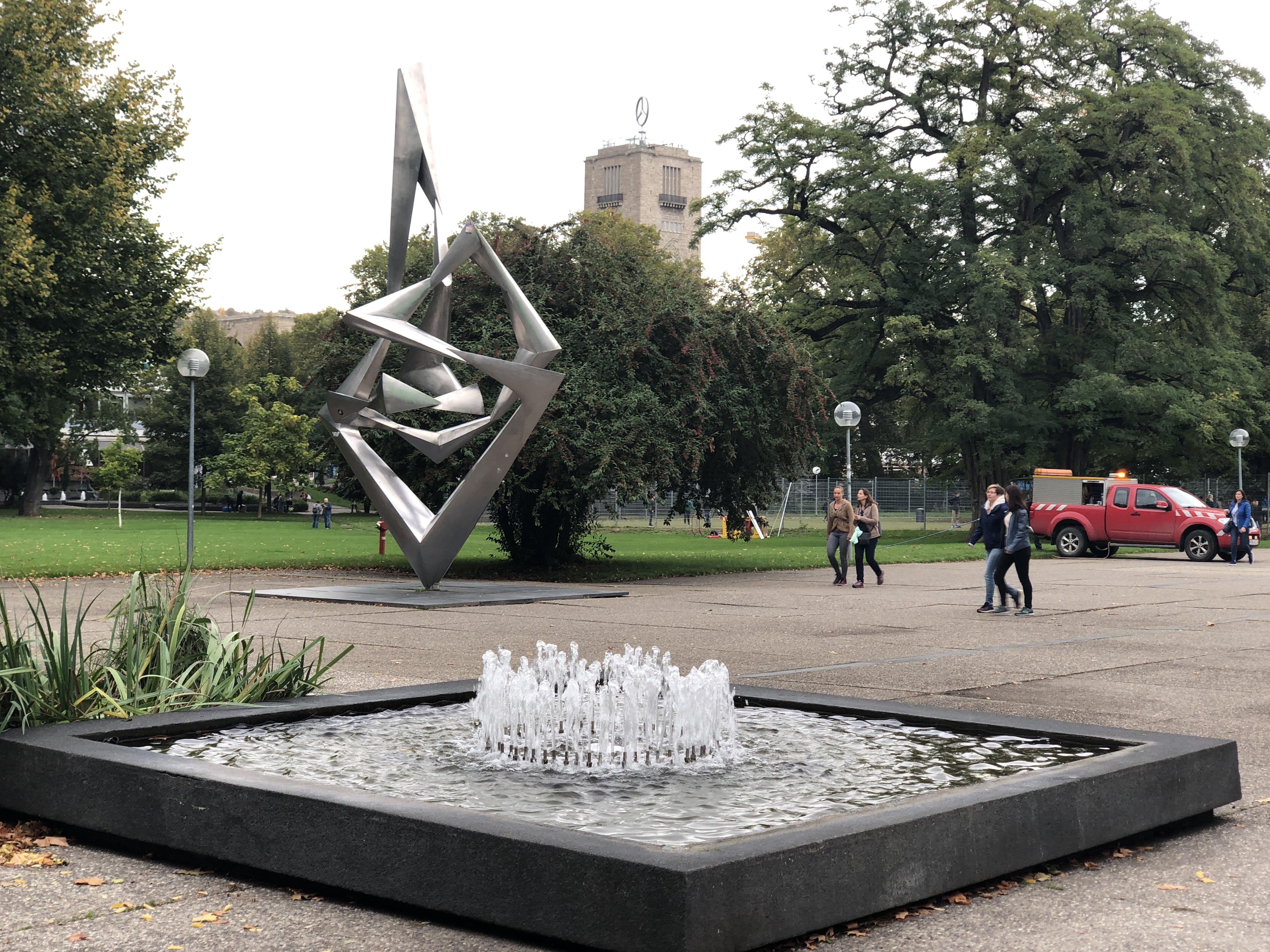
Imagem: This image is a work by Wikipedia and Wikimedia Commons user C.Suthorn. When reusing, credit me as described in the Licensing information below. I would appreciate being notified (wikimail, talk page, email, Social Media) if you use my work outside Wikimedia., Do not copy this image illegally by ignoring the terms of the license below, as it is not in the public domain. If you would like special permission to use, license, or purchase the image please contact me to negotiate terms., More of my work can be found in my personal gallery or at my Peertube channel., A prepared attribution especially for use in Social Media and Print (newspapers, flyers, books, murals, mousepads, mugs, posters, t-shirts) can be copied hereCC BY-SA 4.0 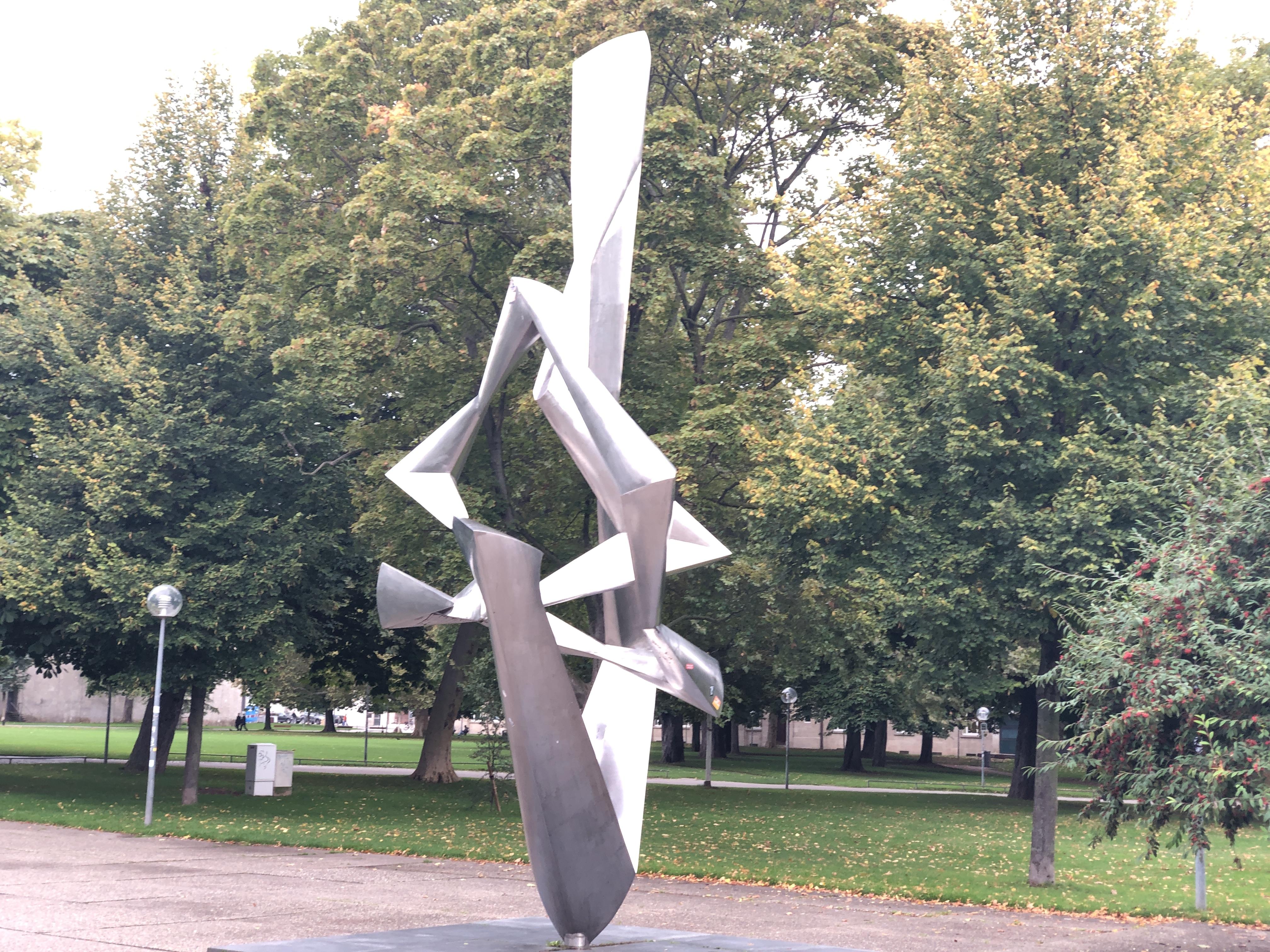
Imagem: This image is a work by Wikipedia and Wikimedia Commons user C.Suthorn. When reusing, credit me as described in the Licensing information below. I would appreciate being notified (wikimail, talk page, email, Social Media) if you use my work outside Wikimedia., Do not copy this image illegally by ignoring the terms of the license below, as it is not in the public domain. If you would like special permission to use, license, or purchase the image please contact me to negotiate terms., More of my work can be found in my personal gallery or at my Peertube channel., A prepared attribution especially for use in Social Media and Print (newspapers, flyers, books, murals, mousepads, mugs, posters, t-shirts) can be copied hereCC BY-SA 4.0 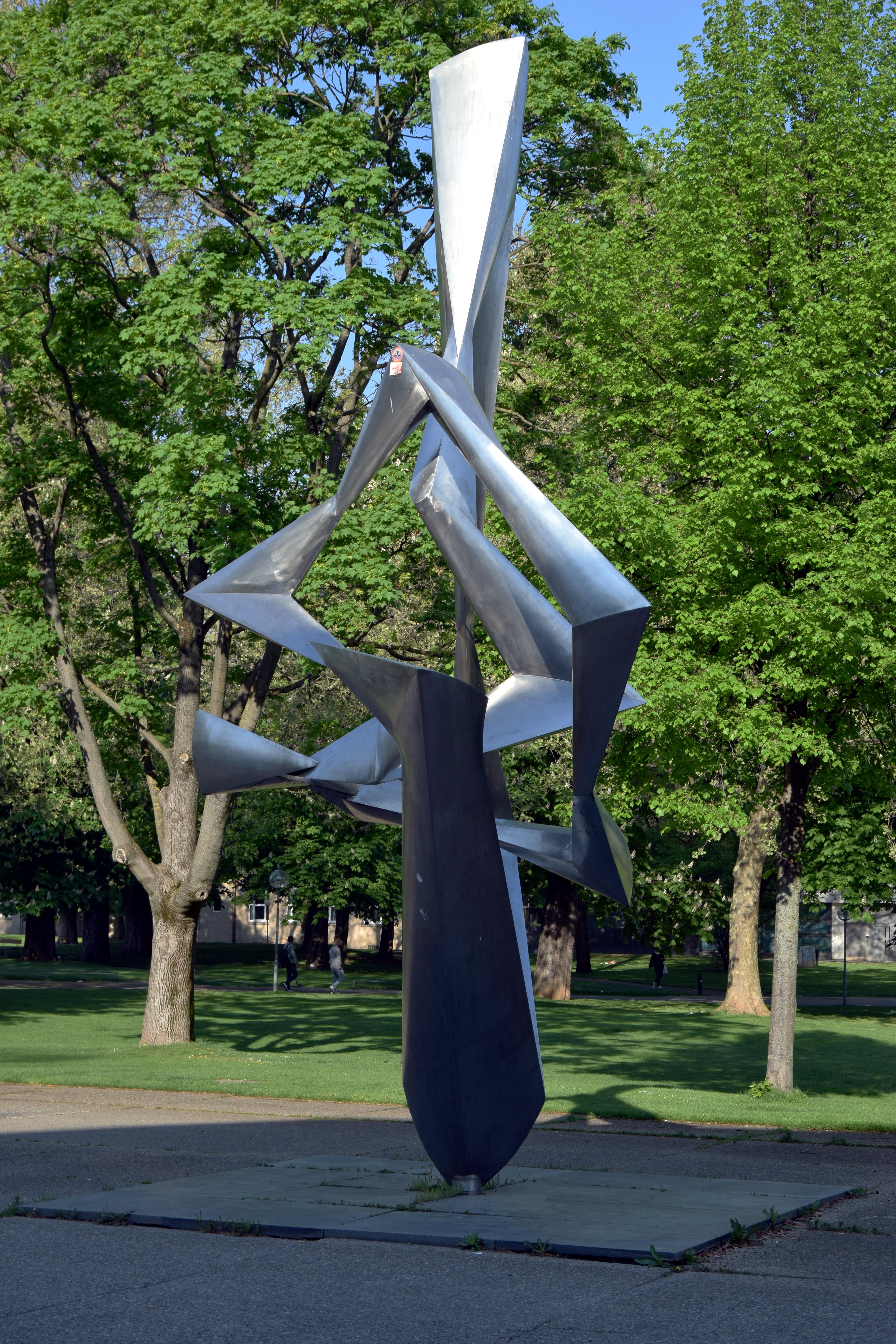
Imagem: MSesesCC BY-SA 4.0 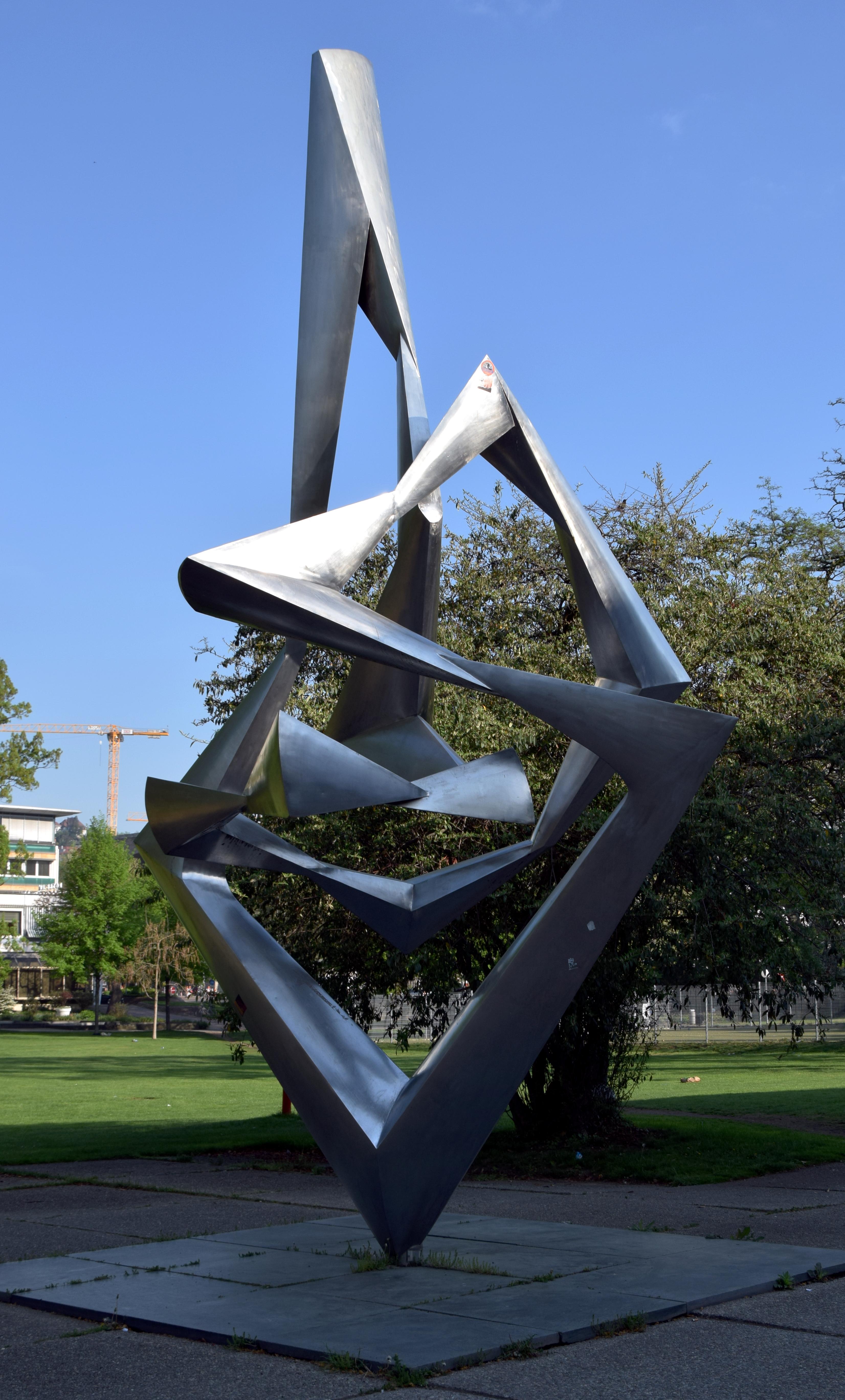
Imagem: MSesesCC BY-SA 4.0 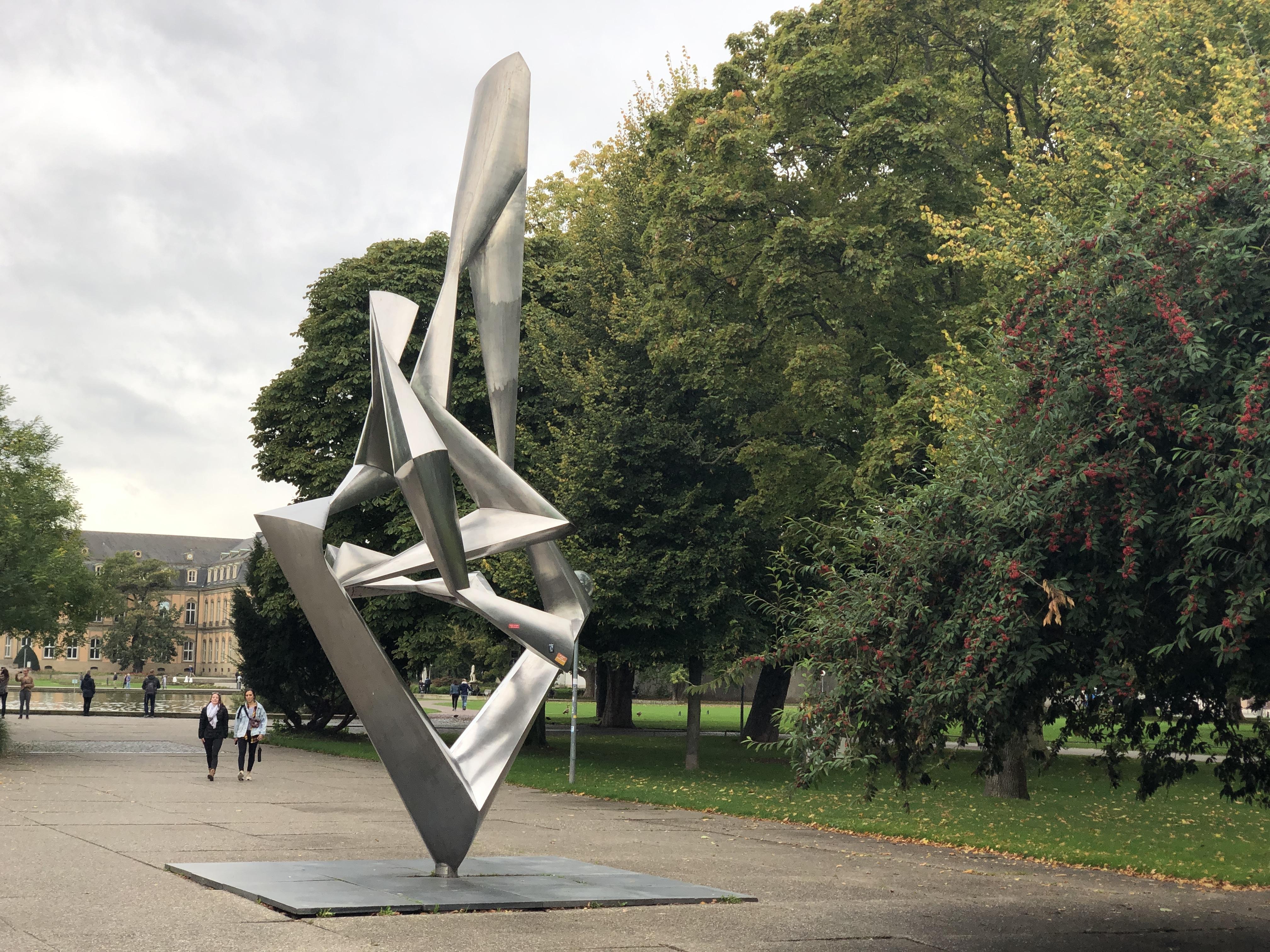
Imagem: This image is a work by Wikipedia and Wikimedia Commons user C.Suthorn. When reusing, credit me as described in the Licensing information below. I would appreciate being notified (wikimail, talk page, email, Social Media) if you use my work outside Wikimedia., Do not copy this image illegally by ignoring the terms of the license below, as it is not in the public domain. If you would like special permission to use, license, or purchase the image please contact me to negotiate terms., More of my work can be found in my personal gallery or at my Peertube channel., A prepared attribution especially for use in Social Media and Print (newspapers, flyers, books, murals, mousepads, mugs, posters, t-shirts) can be copied hereCC BY-SA 4.0
Leva esta página contigo
A app myTuur é gratuita e, quando chegares a um ponto, a história começa sozinha.


Pontos como este são as paragens que a myTuur liga em tours por Estugarda. Na app, cada história começa onde estás: aproxima-te de um ponto e ela arranca, lê-a no ecrã ou ouve-a pelo caminho, e segue a rota até ao próximo.
O que é a myTuur?
A myTuur é uma app gratuita de guia de cidades. As tours são feitas de pontos, e cada ponto guarda uma história que começa quando lá chegas, para ler ou ouvir como preferires.