Bewegung II (2)
En pleno centro de Stuttgart, frente al Kleine Haus del Teatro Estatal de Württemberg, te espera una escultura de acero inoxidable. Se llama Bewegung II y mide ocho por cuatro por cuatro metros. No ocupa una sala de museo: se alza a cielo abierto, en Stuttgart Mitte, a la vista de quien pasa.
La concibió Wander Bertoni, un escultor vienés, entre 1960 y 1961. Con esta obra, el artista quiso dar forma tangible a un concepto abstracto: el movimiento. Fue, además, la primera figura abstracta que Stuttgart llevó al espacio público. Con ese gesto, la ciudad quiso presentarse como internacional y abierta al mundo. La pieza forma parte del empeño municipal por llevar el arte a la calle y hacerlo accesible a todos. Su custodia corresponde al Vermögen und Bau, el organismo que administra los bienes del estado de Baden-Württemberg.
Se estrenó durante la Bundesgartenschau de 1961, la exposición federal de jardinería. Desde aquel año guarda la entrada del teatro estatal. Y ahí queda sellada su idea: el movimiento, fijado en un acero que no se mueve.
- Ciudad
- Stuttgart
- Actualizado
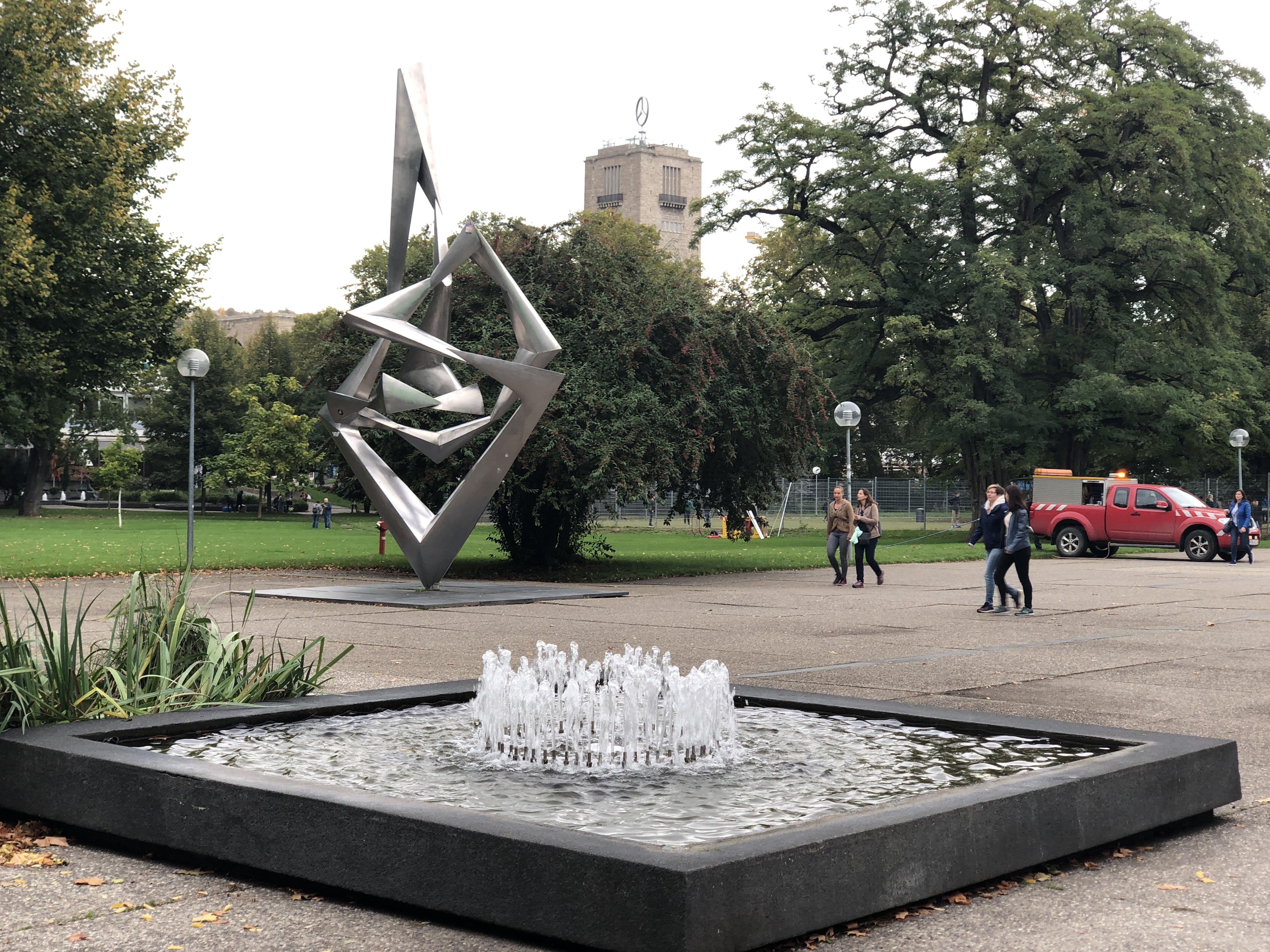
Imagen: This image is a work by Wikipedia and Wikimedia Commons user C.Suthorn. When reusing, credit me as described in the Licensing information below. I would appreciate being notified (wikimail, talk page, email, Social Media) if you use my work outside Wikimedia., Do not copy this image illegally by ignoring the terms of the license below, as it is not in the public domain. If you would like special permission to use, license, or purchase the image please contact me to negotiate terms., More of my work can be found in my personal gallery or at my Peertube channel., A prepared attribution especially for use in Social Media and Print (newspapers, flyers, books, murals, mousepads, mugs, posters, t-shirts) can be copied hereCC BY-SA 4.0 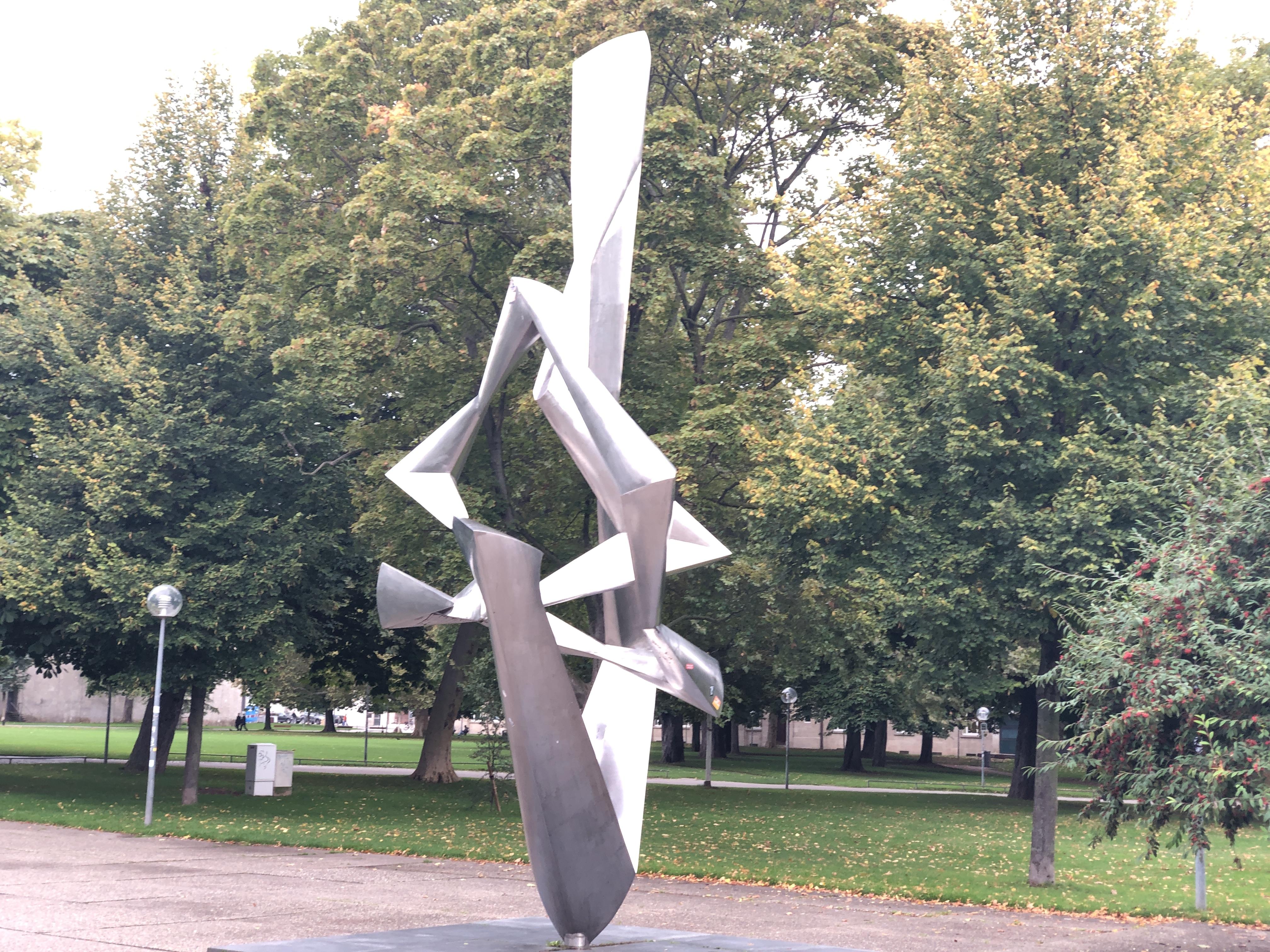
Imagen: This image is a work by Wikipedia and Wikimedia Commons user C.Suthorn. When reusing, credit me as described in the Licensing information below. I would appreciate being notified (wikimail, talk page, email, Social Media) if you use my work outside Wikimedia., Do not copy this image illegally by ignoring the terms of the license below, as it is not in the public domain. If you would like special permission to use, license, or purchase the image please contact me to negotiate terms., More of my work can be found in my personal gallery or at my Peertube channel., A prepared attribution especially for use in Social Media and Print (newspapers, flyers, books, murals, mousepads, mugs, posters, t-shirts) can be copied hereCC BY-SA 4.0 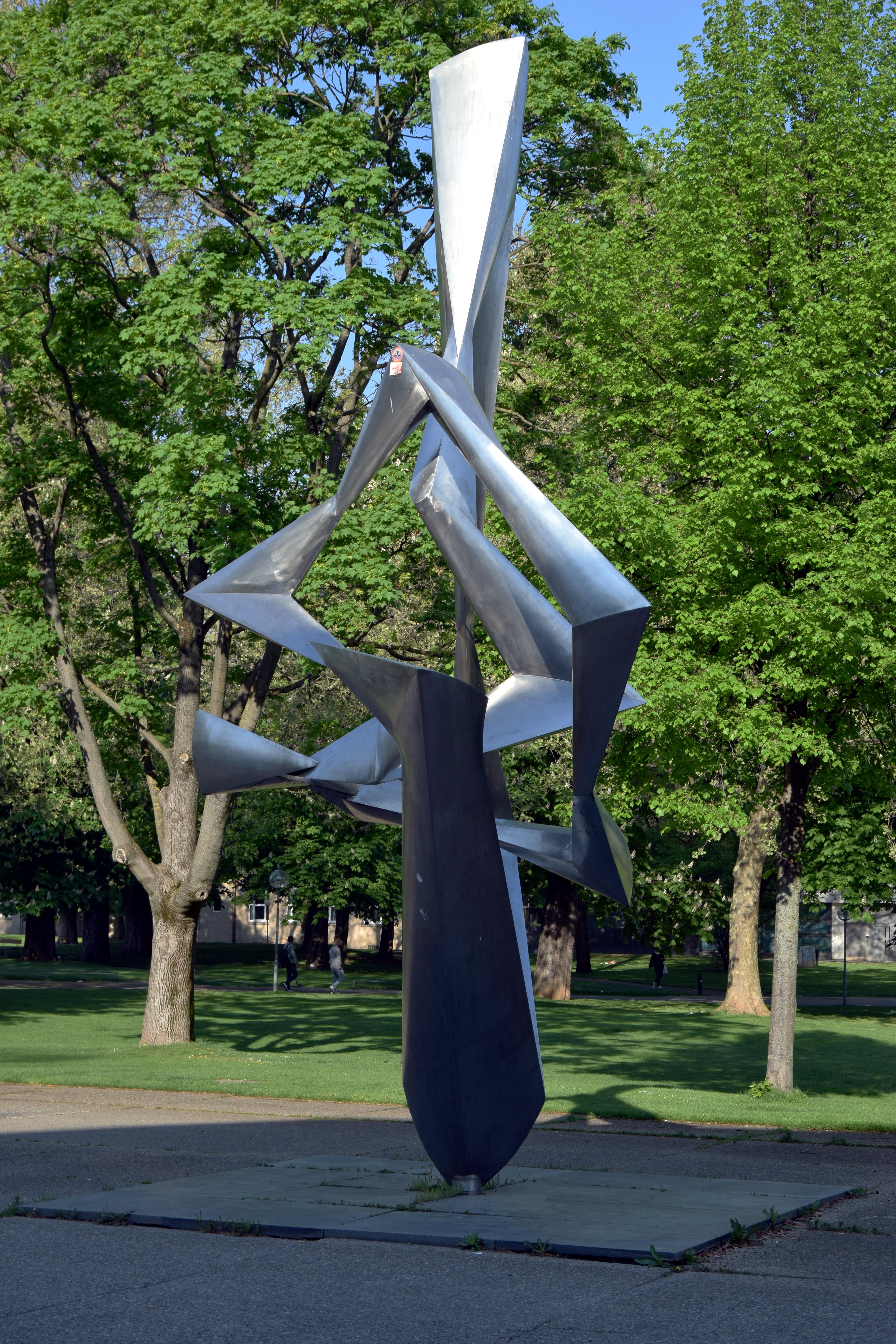
Imagen: MSesesCC BY-SA 4.0 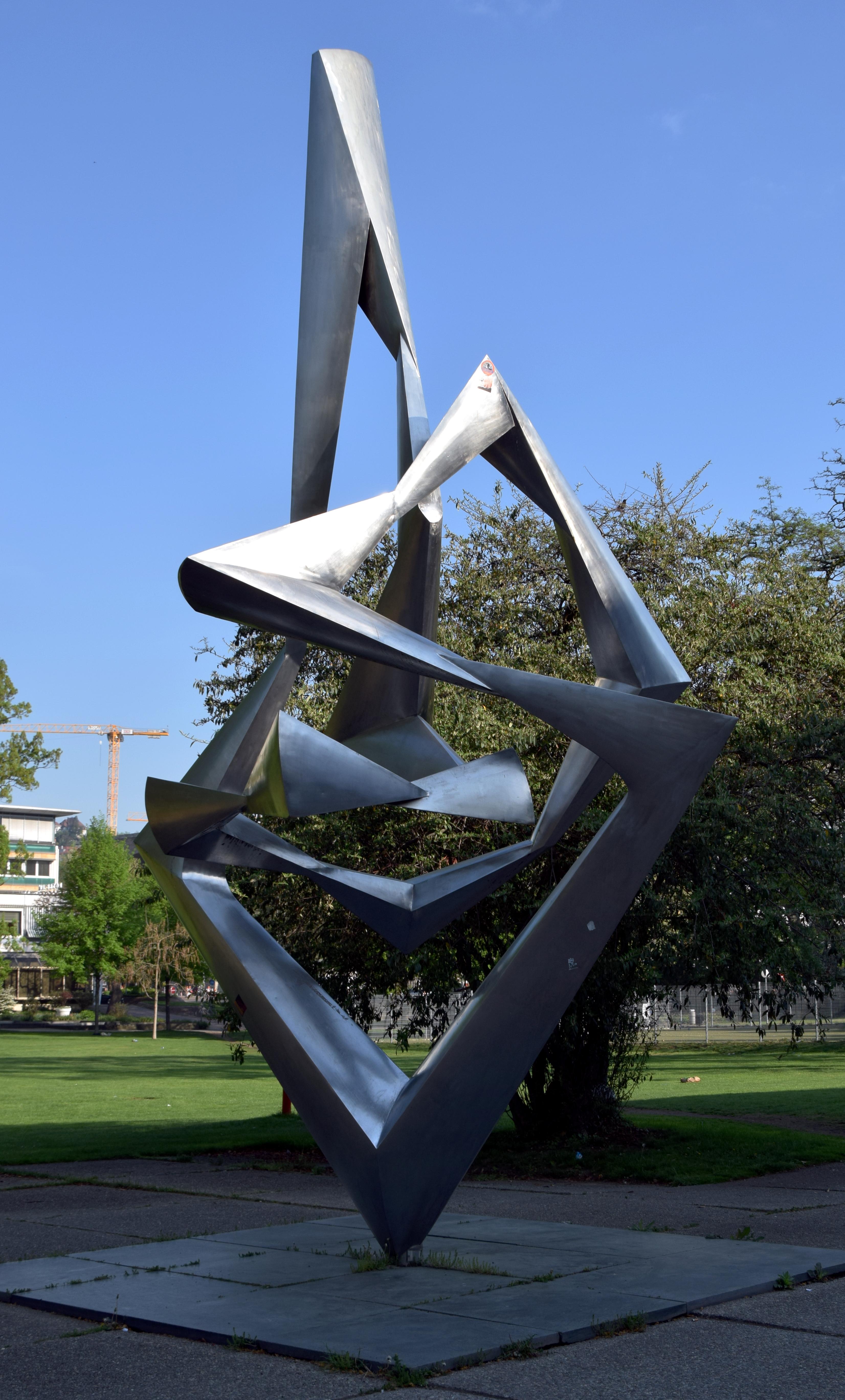
Imagen: MSesesCC BY-SA 4.0 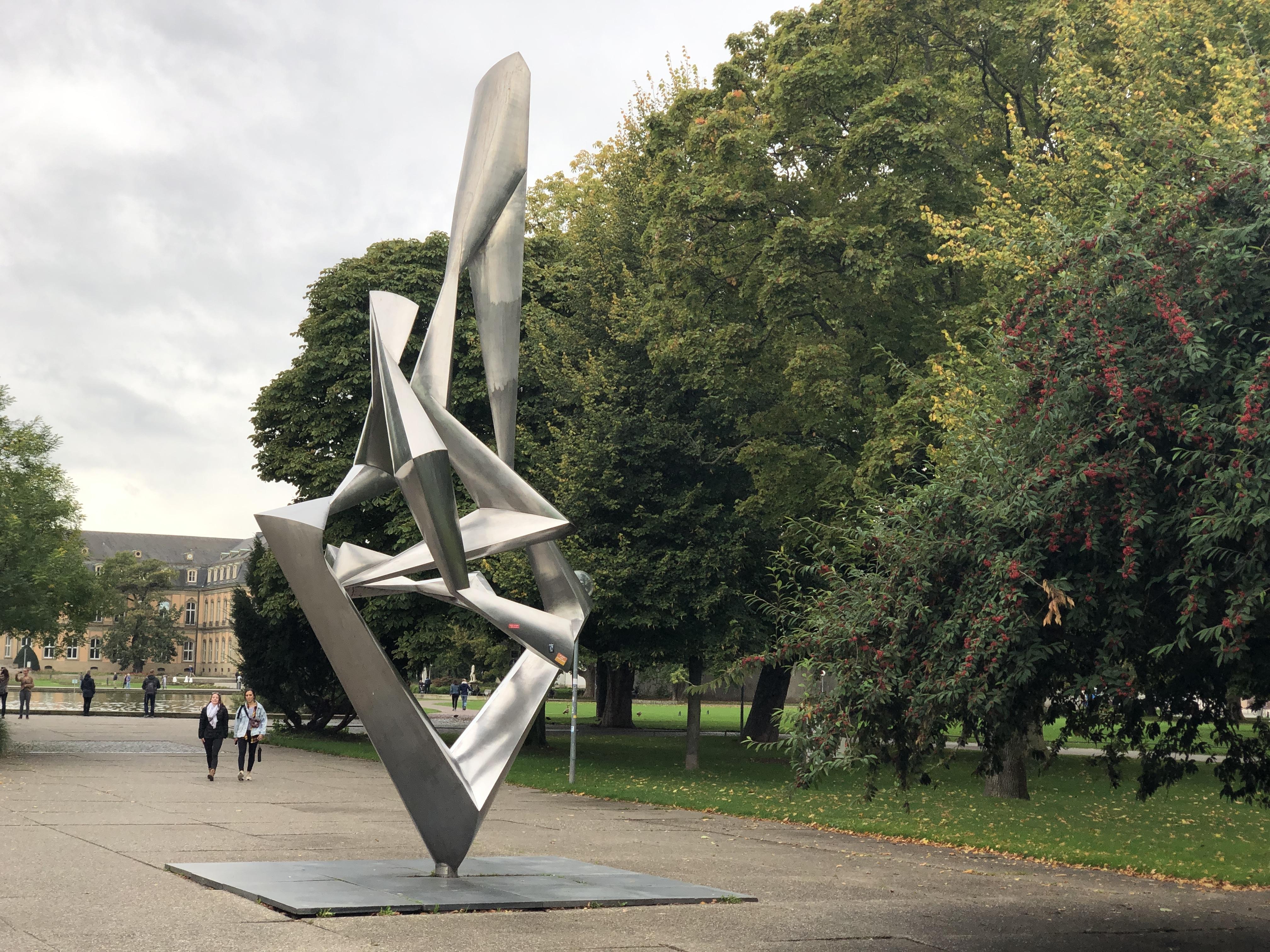
Imagen: This image is a work by Wikipedia and Wikimedia Commons user C.Suthorn. When reusing, credit me as described in the Licensing information below. I would appreciate being notified (wikimail, talk page, email, Social Media) if you use my work outside Wikimedia., Do not copy this image illegally by ignoring the terms of the license below, as it is not in the public domain. If you would like special permission to use, license, or purchase the image please contact me to negotiate terms., More of my work can be found in my personal gallery or at my Peertube channel., A prepared attribution especially for use in Social Media and Print (newspapers, flyers, books, murals, mousepads, mugs, posters, t-shirts) can be copied hereCC BY-SA 4.0
Esta página, en tu móvil
Descarga la app gratis: cuando llegas al lugar, la historia empieza sola.


Lugares como este se encadenan en recorridos por Stuttgart: abres la app, caminas y cada historia empieza justo donde estás. Así se conoce una ciudad paso a paso, sin prisa y sin perderte nada.
¿Qué es myTuur?
myTuur es una app gratuita que convierte un paseo en un recorrido con historias. Cada lugar cuenta la suya cuando llegas, y puedes leerla o escucharla en el móvil.