Bewegung II (2)
Mitten in Stuttgart-Mitte, vor dem Kleinen Haus des Württembergischen Staatstheaters, triffst du auf Bewegung II. Der Wiener Künstler Wander Bertoni schuf die abstrakte Skulptur aus Edelstahl, dem sogenannten Niro-Stahl. Das Werk misst acht Meter mal vier Meter mal vier Meter.
Zwischen 1960 und 1961 entstand die Plastik, und die Stadt enthüllte sie während der Bundesgartenschau 1961. Das Konzept der Bewegung soll darin greifbare Form annehmen. Für Stuttgart ist sie die erste abstrakte Figur im öffentlichen Raum. Mit ihr wollte sich Stuttgart als internationale und weltoffene Stadt präsentieren.
Die Skulptur gehört dem Vermögen und Bau Baden-Württemberg, das für Vermögen und Bau des Landes zuständig ist. Das Werk gehört zu Stuttgarts Bestreben, Kunst in öffentliche Räume zu integrieren, die Kulturlandschaft zu bereichern und sie allen zugänglich zu machen. Diese Bewegung aus Edelstahl steht seit 1961 vor dem Theater.
- Stadt
- Stuttgart
- Aktualisiert
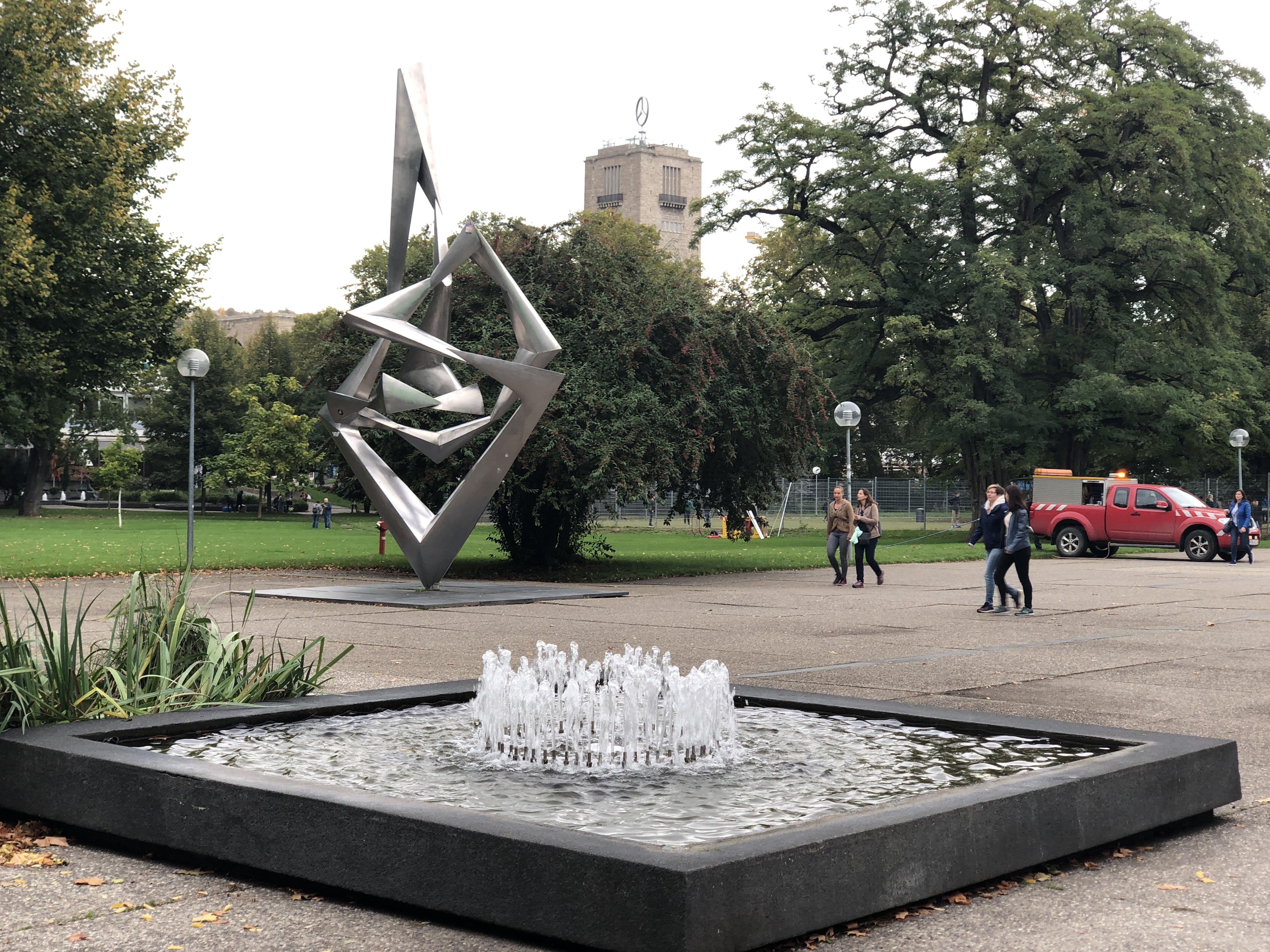
Foto: This image is a work by Wikipedia and Wikimedia Commons user C.Suthorn. When reusing, credit me as described in the Licensing information below. I would appreciate being notified (wikimail, talk page, email, Social Media) if you use my work outside Wikimedia., Do not copy this image illegally by ignoring the terms of the license below, as it is not in the public domain. If you would like special permission to use, license, or purchase the image please contact me to negotiate terms., More of my work can be found in my personal gallery or at my Peertube channel., A prepared attribution especially for use in Social Media and Print (newspapers, flyers, books, murals, mousepads, mugs, posters, t-shirts) can be copied hereCC BY-SA 4.0 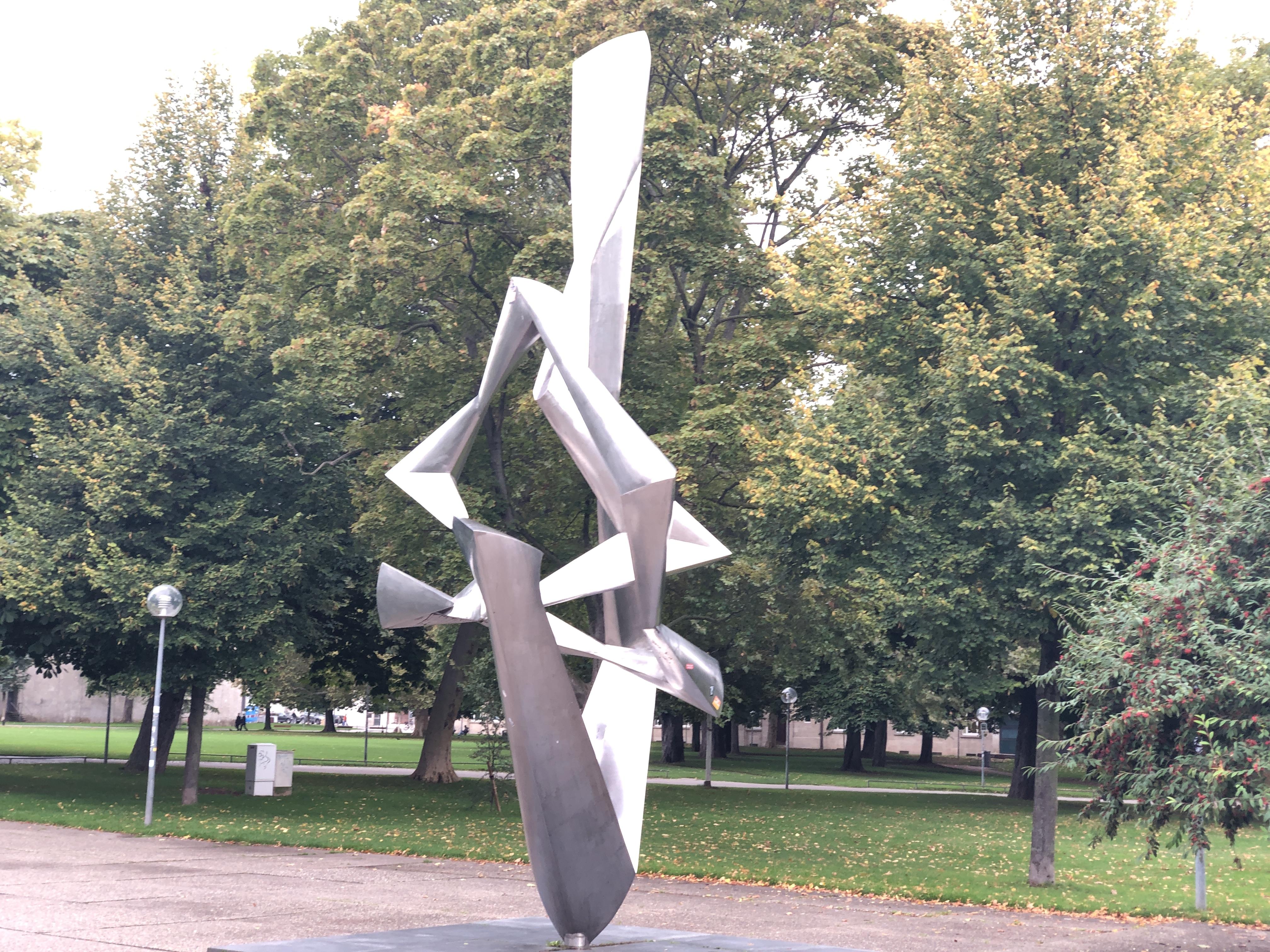
Foto: This image is a work by Wikipedia and Wikimedia Commons user C.Suthorn. When reusing, credit me as described in the Licensing information below. I would appreciate being notified (wikimail, talk page, email, Social Media) if you use my work outside Wikimedia., Do not copy this image illegally by ignoring the terms of the license below, as it is not in the public domain. If you would like special permission to use, license, or purchase the image please contact me to negotiate terms., More of my work can be found in my personal gallery or at my Peertube channel., A prepared attribution especially for use in Social Media and Print (newspapers, flyers, books, murals, mousepads, mugs, posters, t-shirts) can be copied hereCC BY-SA 4.0 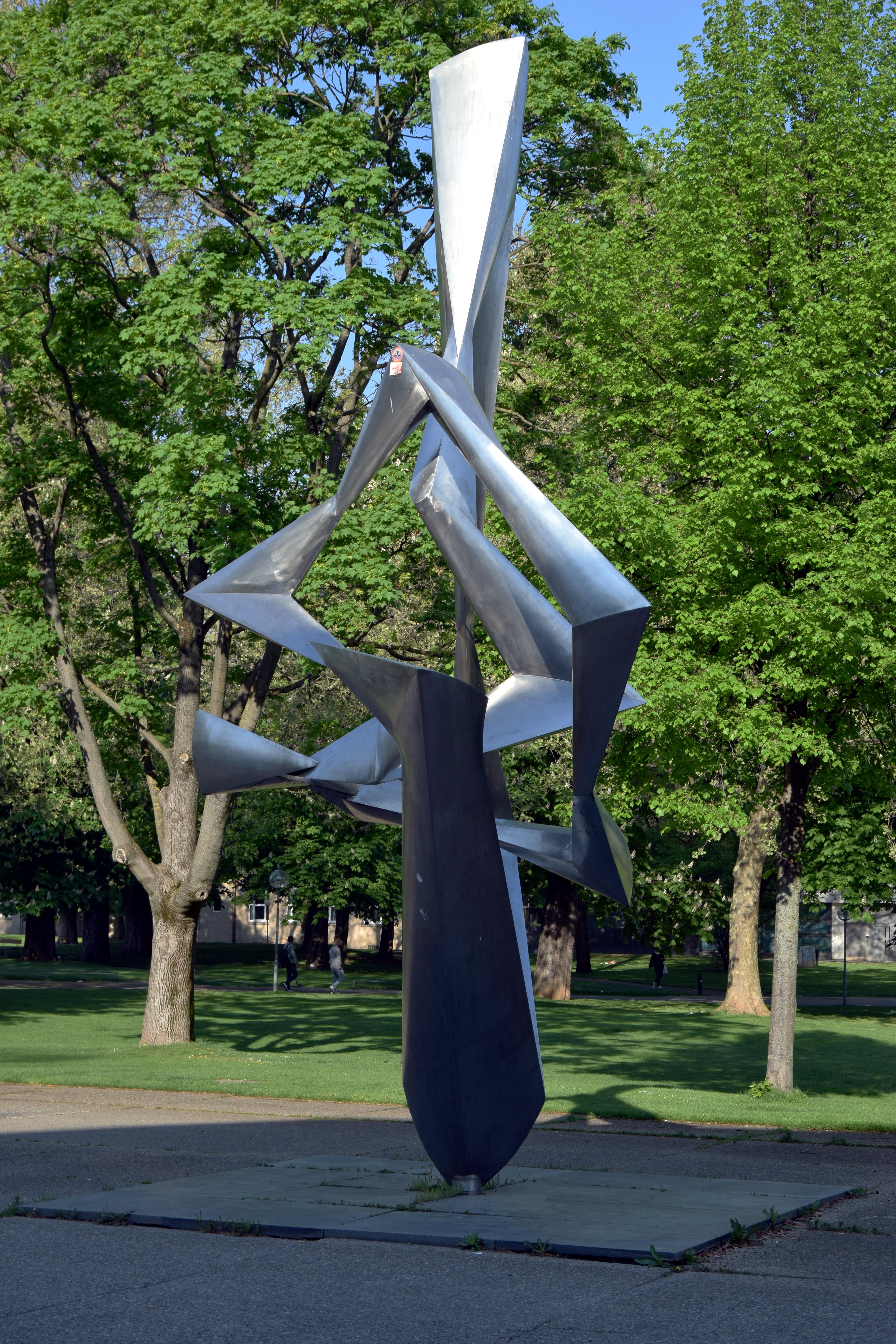
Foto: MSesesCC BY-SA 4.0 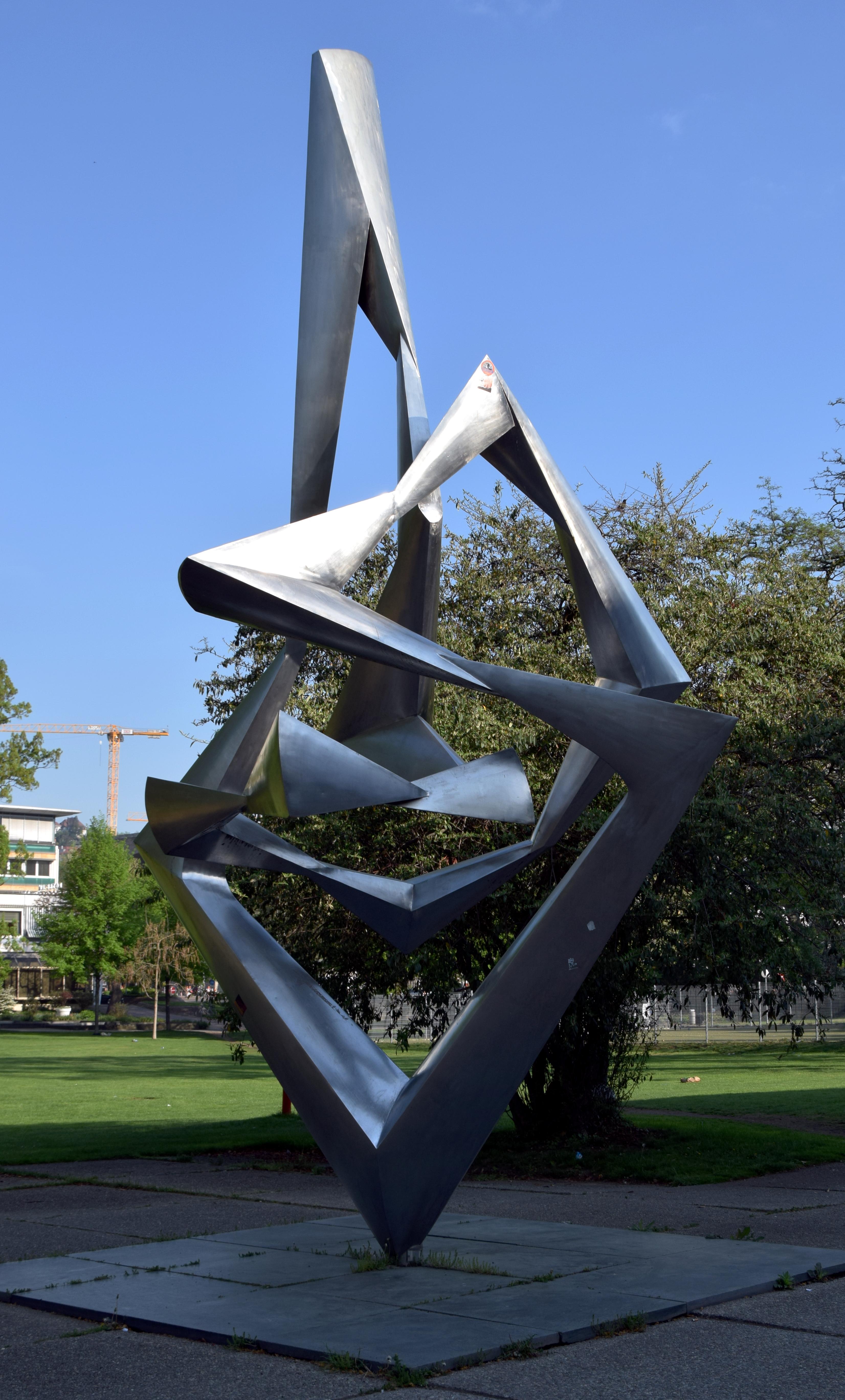
Foto: MSesesCC BY-SA 4.0 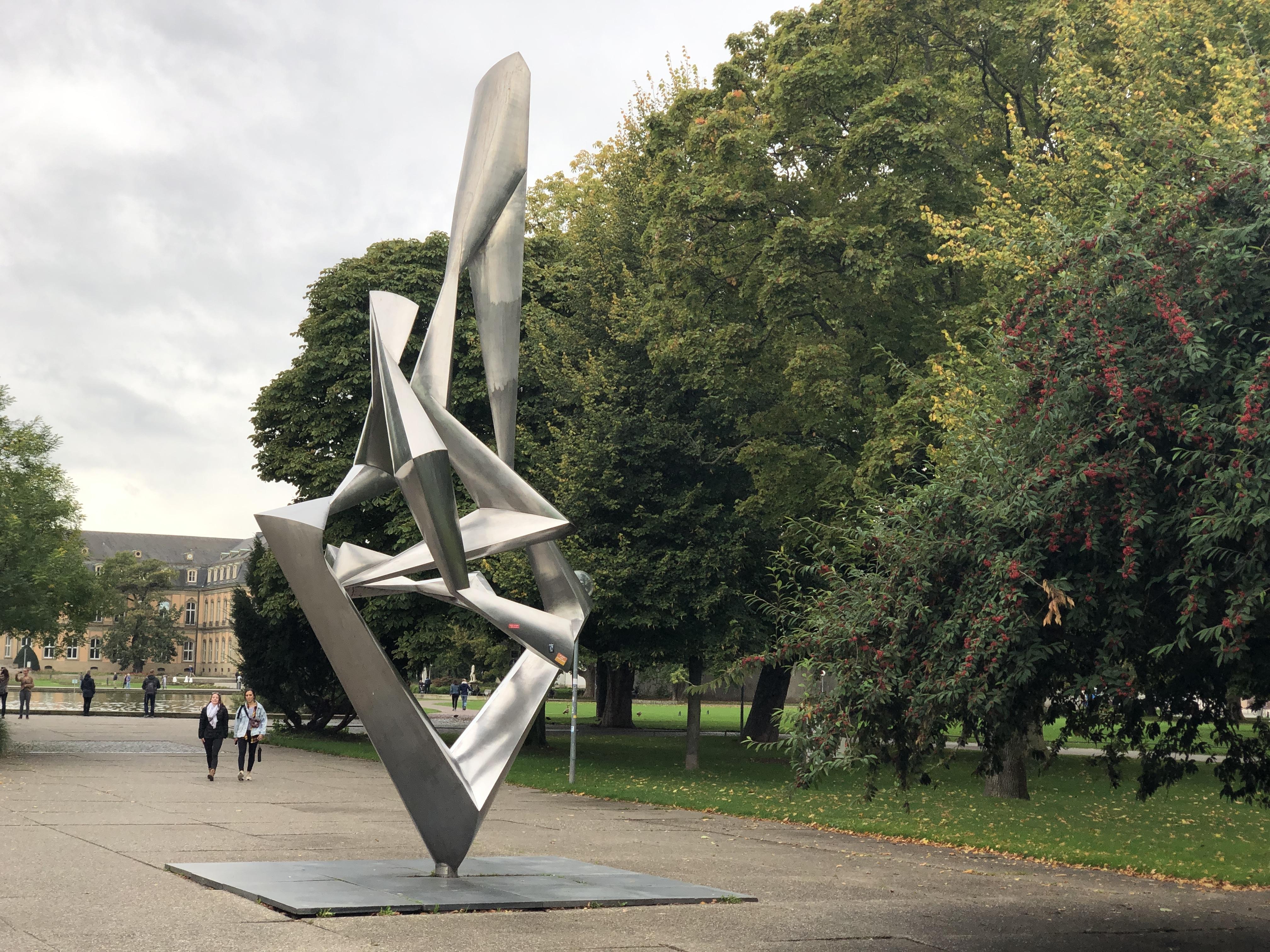
Foto: This image is a work by Wikipedia and Wikimedia Commons user C.Suthorn. When reusing, credit me as described in the Licensing information below. I would appreciate being notified (wikimail, talk page, email, Social Media) if you use my work outside Wikimedia., Do not copy this image illegally by ignoring the terms of the license below, as it is not in the public domain. If you would like special permission to use, license, or purchase the image please contact me to negotiate terms., More of my work can be found in my personal gallery or at my Peertube channel., A prepared attribution especially for use in Social Media and Print (newspapers, flyers, books, murals, mousepads, mugs, posters, t-shirts) can be copied hereCC BY-SA 4.0
Diese Seite aufs Handy holen
Die App ist kostenlos: Sobald du dort stehst, beginnt die Geschichte von ganz allein.


Orte wie diesen reiht myTuur zu Touren durch Stuttgart. Du wanderst von Spot zu Spot, und an jedem beginnt die Geschichte genau dort, wo du stehst. In der App gibt es jede Geschichte zum Lesen und zum Anhören.
Was ist myTuur?
myTuur ist eine kostenlose App für Stadttouren aus einzelnen Spots. Sobald du an einem Ort ankommst, beginnt seine Geschichte, drei bis vier Minuten zum Lesen oder Anhören.