Hórreo
Hórreo stands in Seville as a traditional granary from the northwest Iberian Peninsula. Its presence connects southern Spain with rural traditions from Galicia, Asturias and northern Portugal. You would picture a wooden or stone storehouse lifted above the ground on sturdy pillars. Flat stones beneath those supports blocked mice and rats from reaching the harvest.
Slits between the walls allowed air to circulate around stored grain, maize and root vegetables. This raised, ventilated design helped protect food from dampness, mould and spoilage after harvesting. Galician examples often stretch into long rectangles with granite frames, wooden slats and tiled roofs. Asturian and Cantabrian versions tend to look squarer, sometimes resembling small houses.
The oldest known image appears in a thirteenth-century manuscript, showing three rectangular structures in Gothic style. Some surviving examples date from the fifteenth century, while others still serve as storage today. Galicia contains an estimated one hundred thousand hórreos, and Asturias around eighteen thousand. Carnota’s celebrated example measures about thirty-five metres long and nearly two metres wide.
- City
- Seville
- Content updated
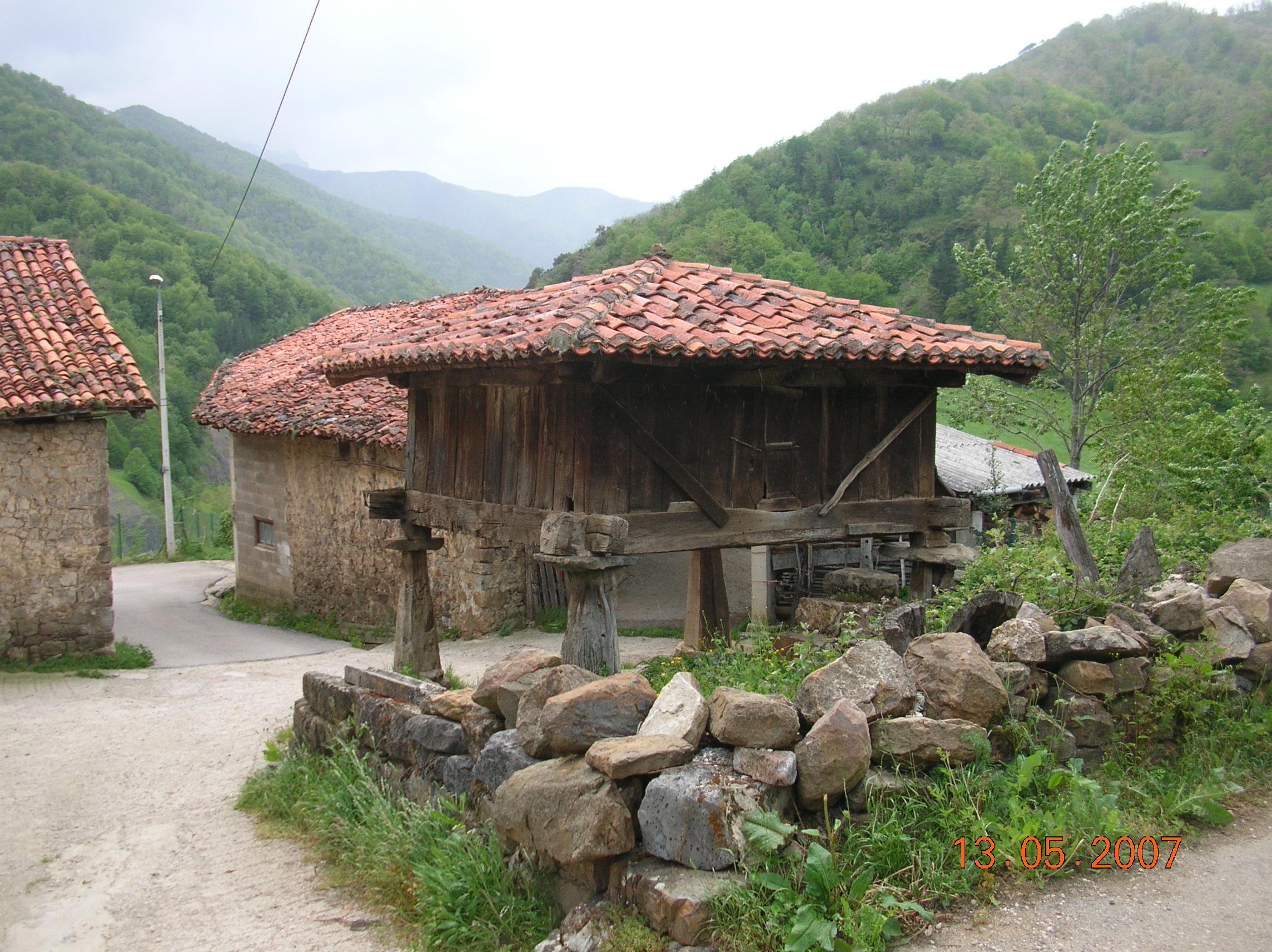
Image: David CasadoCC BY-SA 2.0 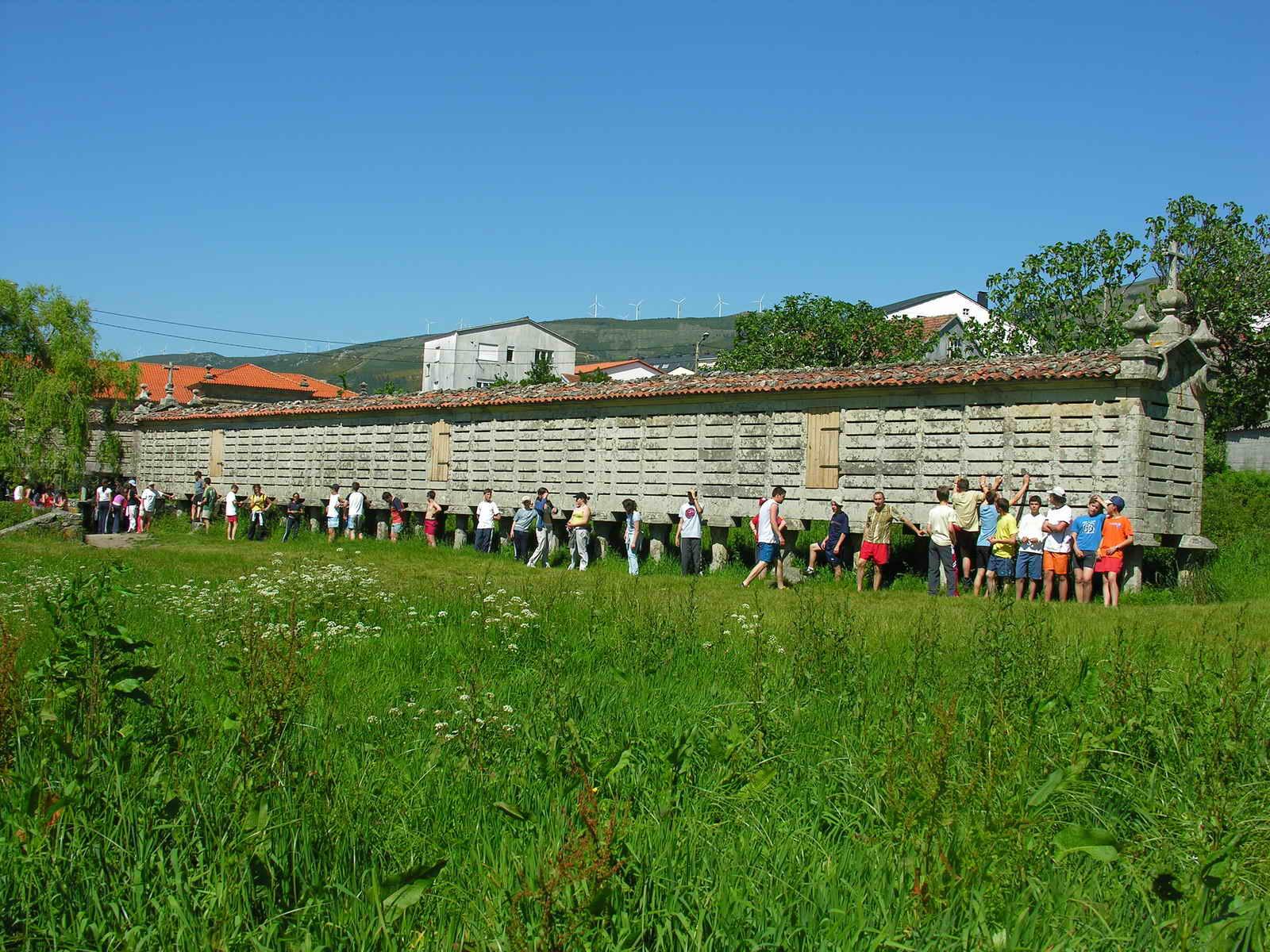
Image: Luis Miguel Bugallo Sánchez (Lmbuga), Copyright: GFDL (GNU Free Documentation License), Publicada por/Publish by: Luis Miguel Bugallo SánchezCC BY-SA 3.0 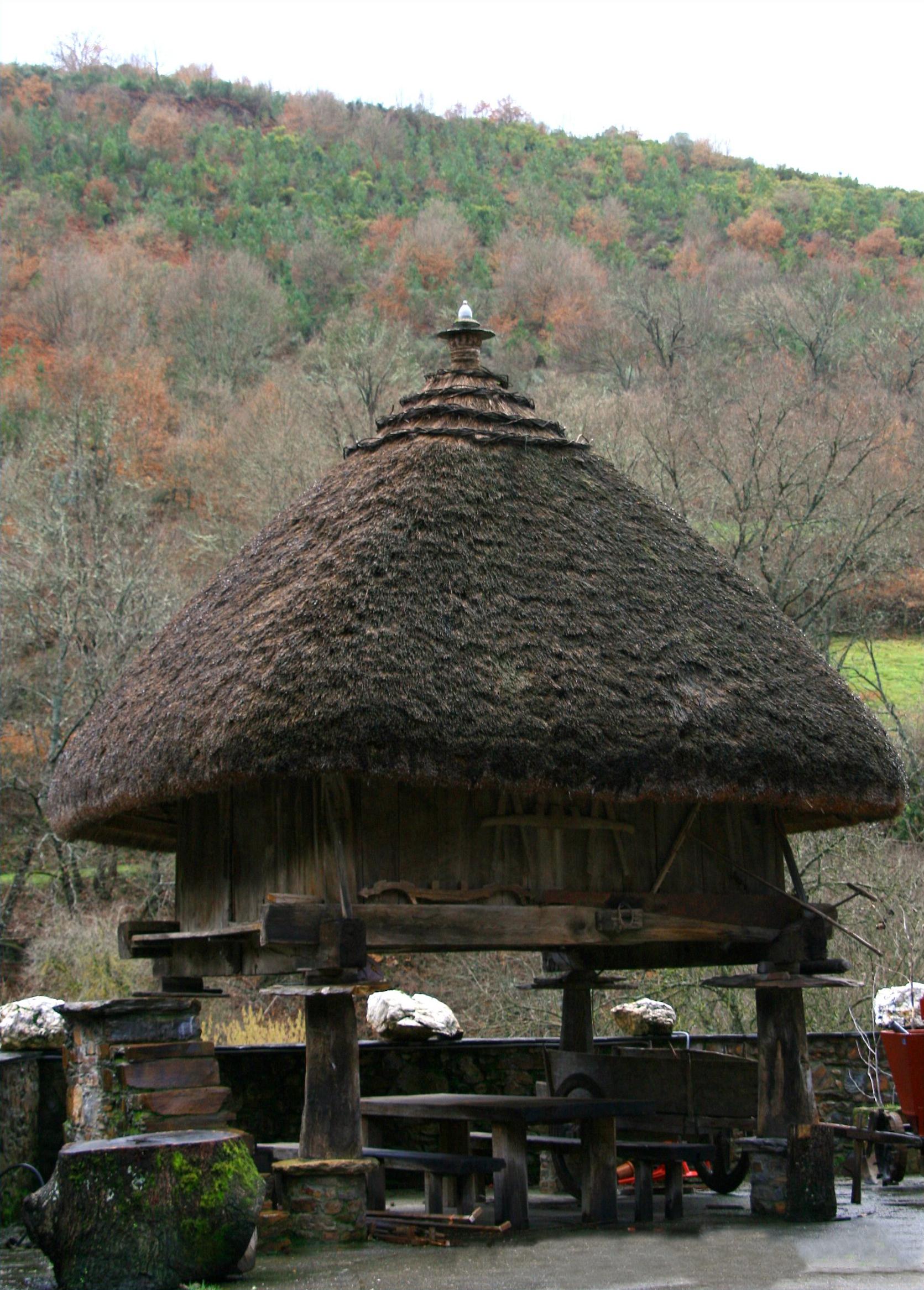
Image: Ramon PiñeiroCC BY-SA 2.0 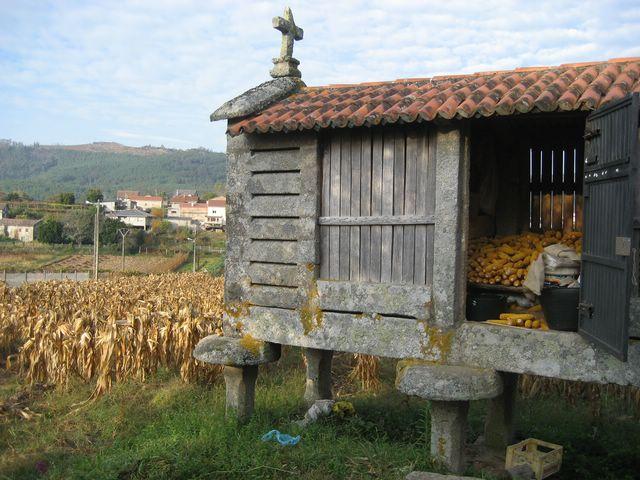
Image: Certo XornalCC BY 2.0 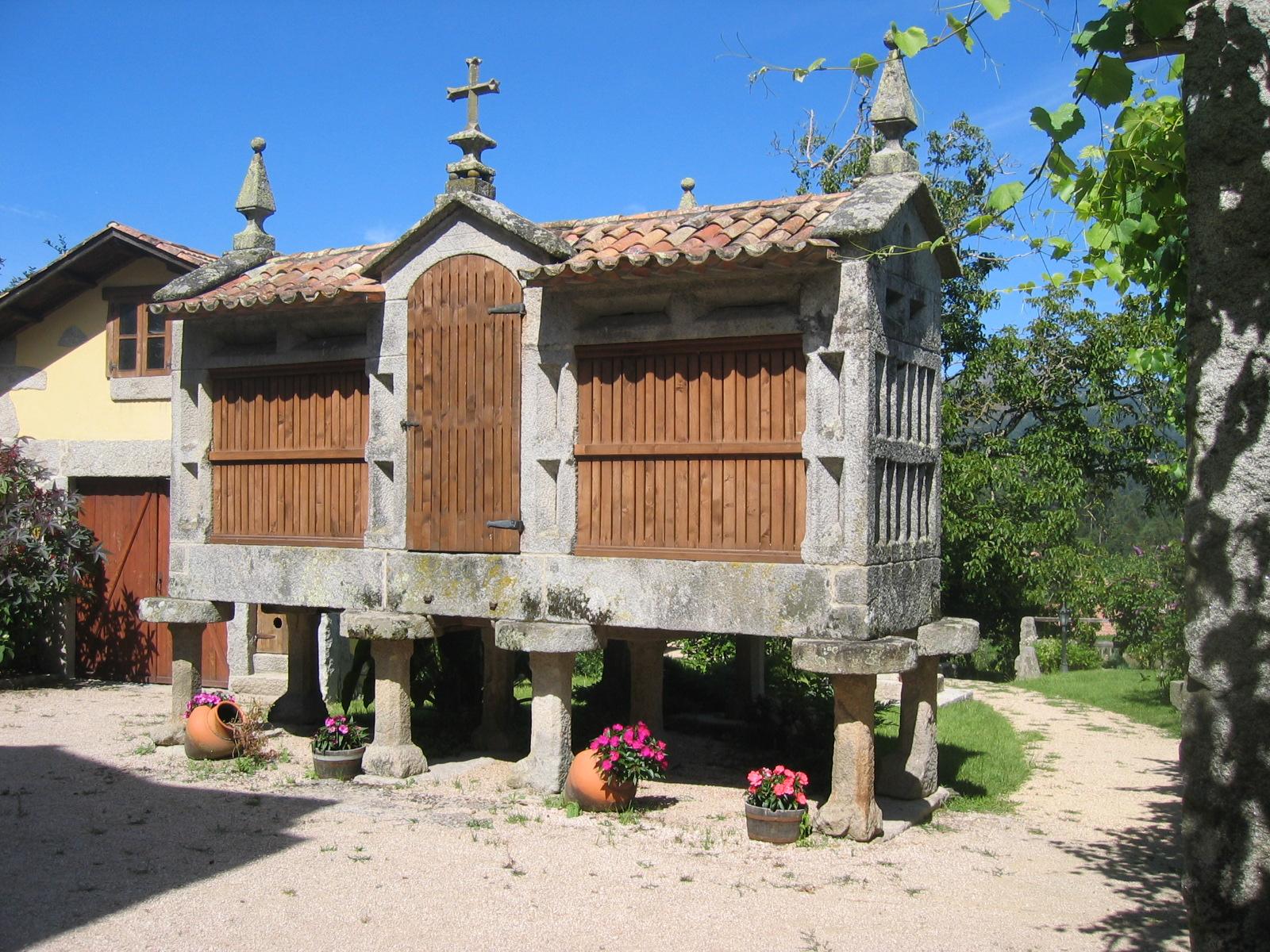
Image: No machine-readable author provided. Das Nili assumed (based on copyright claims).CC BY-SA 2.5
Take this page with you
The myTuur app is free, and once you are standing at a spot its story starts by itself.


Spots like this one are the stops myTuur strings into tours through Seville. In the app, each story begins where you stand: walk up to a spot and it starts, read it on screen or listen as you go, then follow the route to the next one.
What is myTuur?
myTuur is a free city-guide app. Its tours are built from spots, and each spot carries a story that starts when you get there, to read or to listen to as you like.