Römische Bäder
Römische Bäder introduces Zurich through the Roman tradition of public bathing, hygiene, relaxation, and shared social life. These baths served people from different social backgrounds.
A typical complex moved visitors from a changing room to cold, warm, and hot bathing spaces. The sequence shaped each visit through temperature and movement. Roman baths also supported conversation, political discussion, business dealings, massages, exercise, food stalls, and everyday exchange. Their architecture used domes, windows, vaults, mosaics, frescoes, and marble.
Under raised floors, the hypocaust circulated furnace heat through open spaces beneath rooms and inside hollow walls. This system warmed selected rooms through hidden channels beneath the floors. The name Römische Bäder connects this place with a bathing tradition that also drew on ancient Greece.
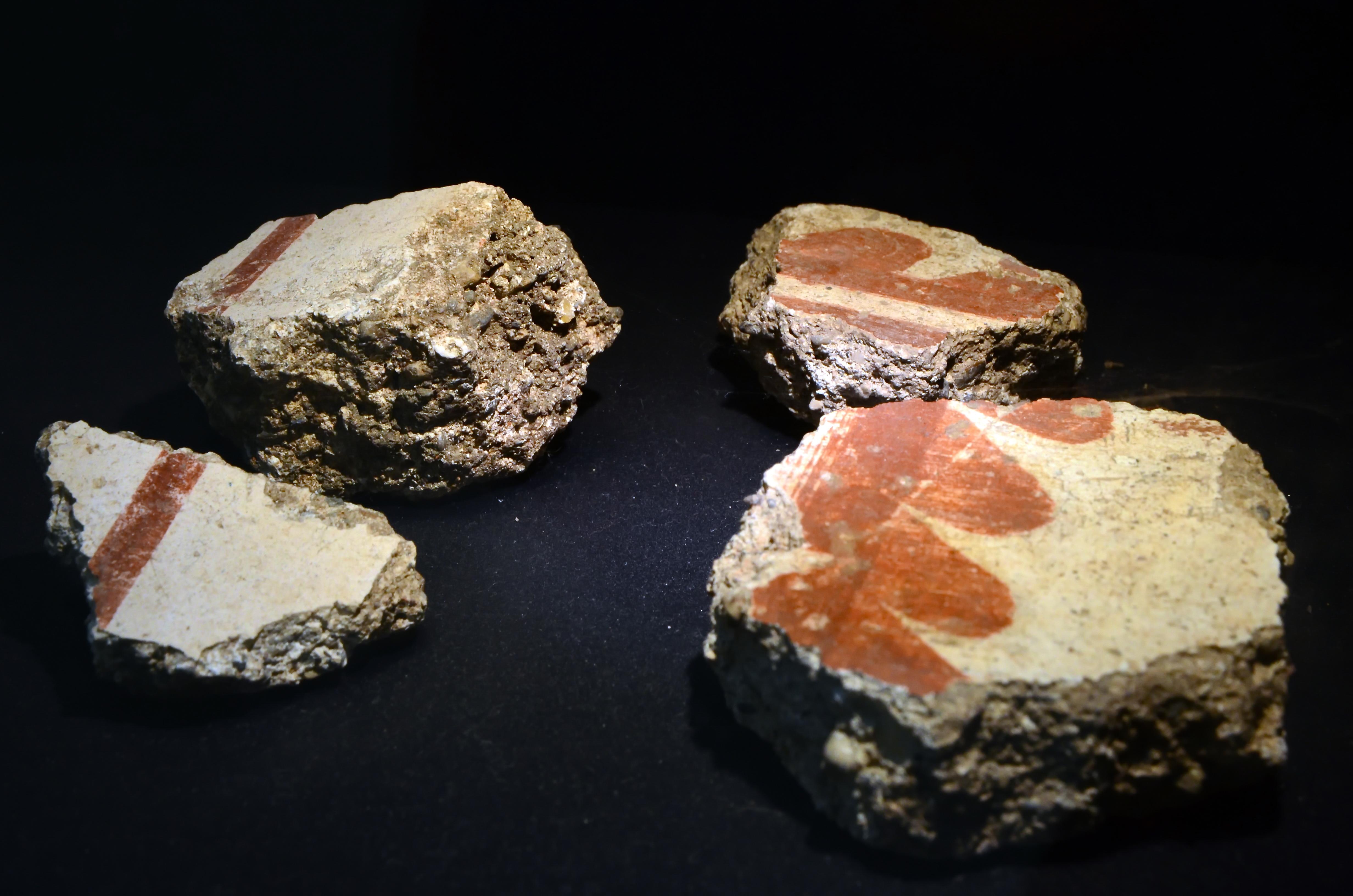
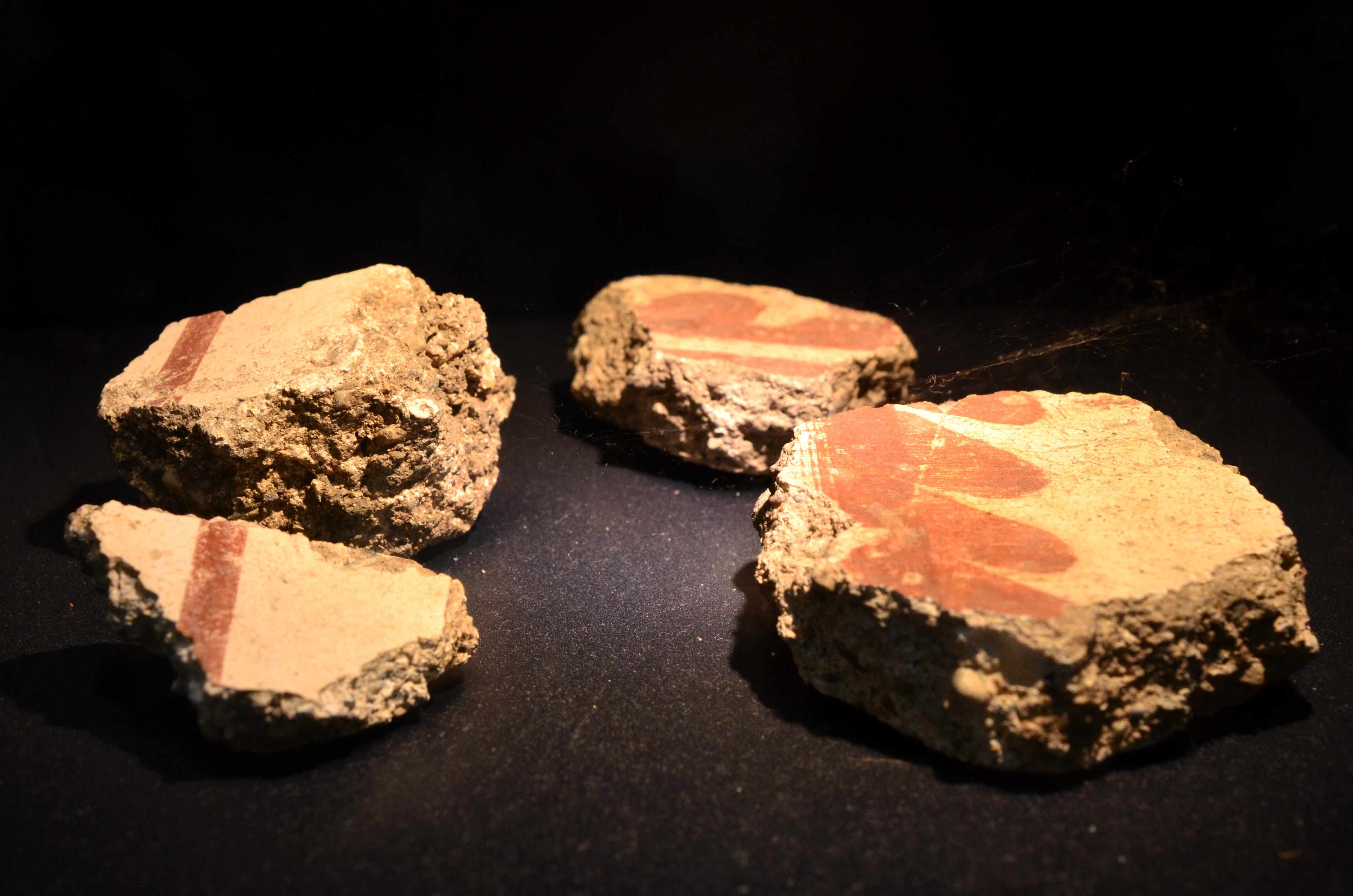
Swiss Roman history also includes Iuliomagus near Schleitheim. That bath complex dates from the first to third centuries after Christ and stands inside a modern museum. Models and visualisations explain its layout and function.
- City
- Zurich
- Content updated
Take this page with you
The myTuur app is free, and once you are standing at a spot its story starts by itself.


Spots like this one are the stops myTuur strings into tours through Zurich. In the app, each story begins where you stand: walk up to a spot and it starts, read it on screen or listen as you go, then follow the route to the next one.
What is myTuur?
myTuur is a free city-guide app. Its tours are built from spots, and each spot carries a story that starts when you get there, to read or to listen to as you like.