Kaisergruft
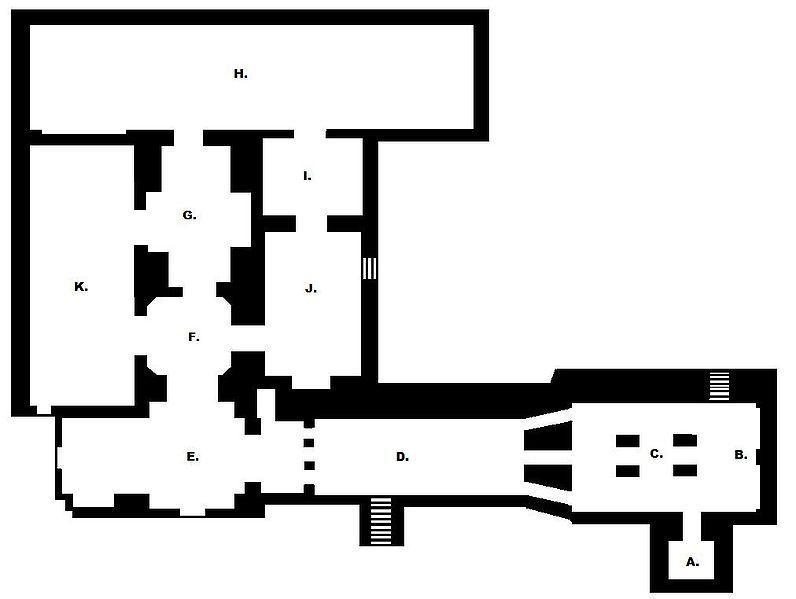
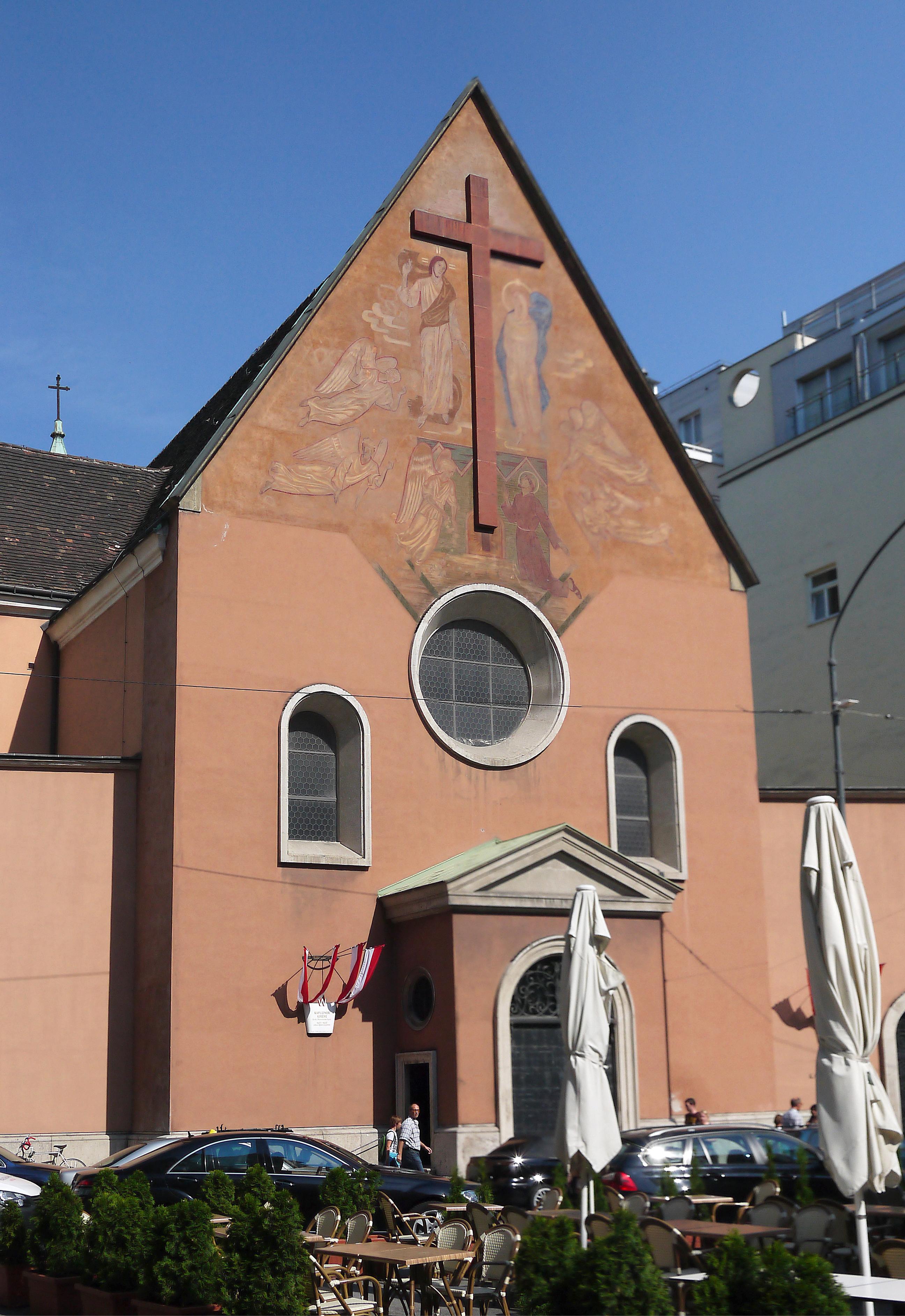
Kaisergruft lies beneath the Capuchin Church and monastery in Vienna, forming the principal burial place of the Habsburg family. Since 1633, its chambers have held the remains of 145 Habsburg royals, including twelve emperors and eighteen empresses. Founded through Anna of Tyrol’s bequest, the burial place began in 1618 and received its first imperial burials after the church’s dedication in 1632.
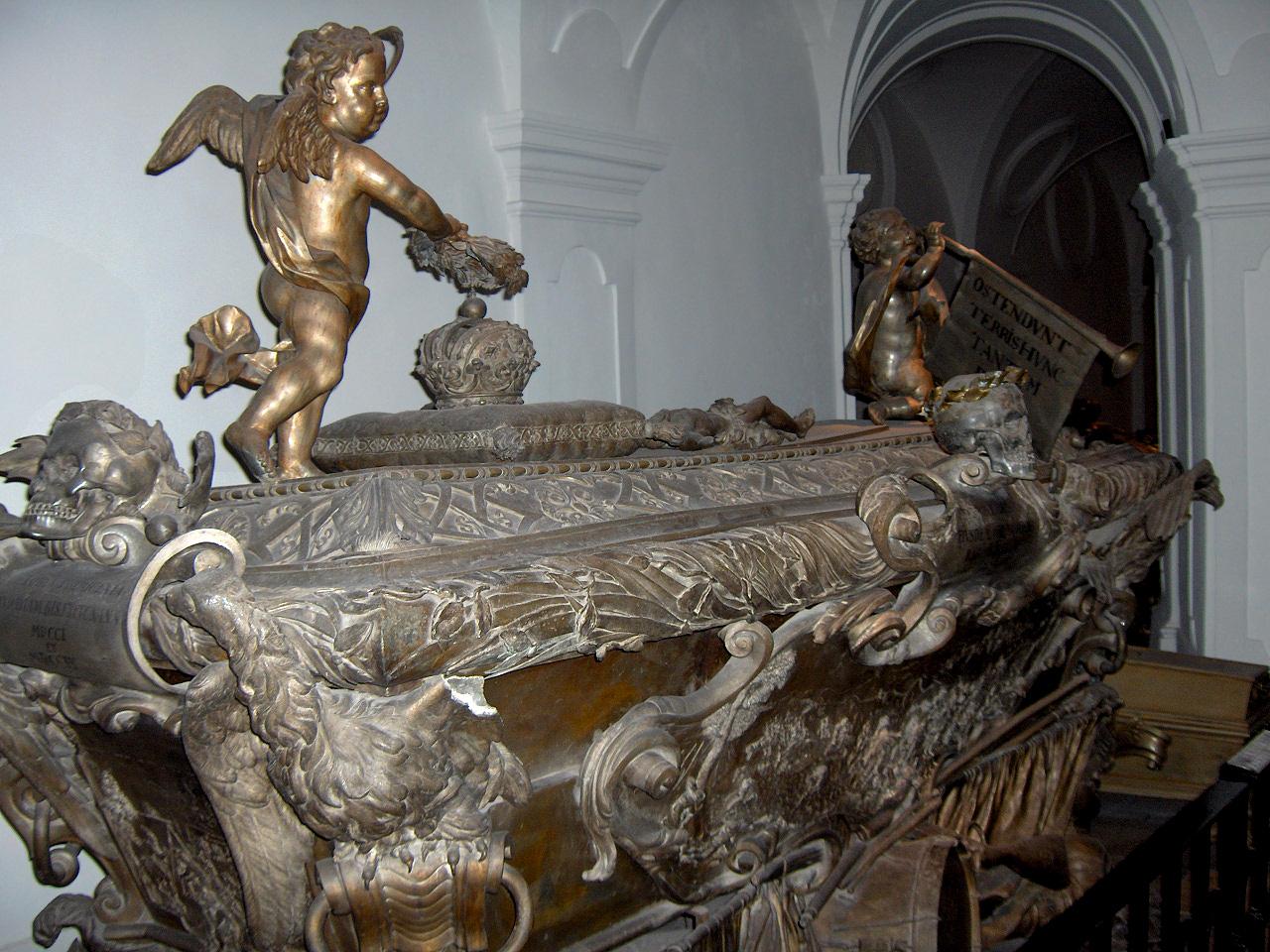
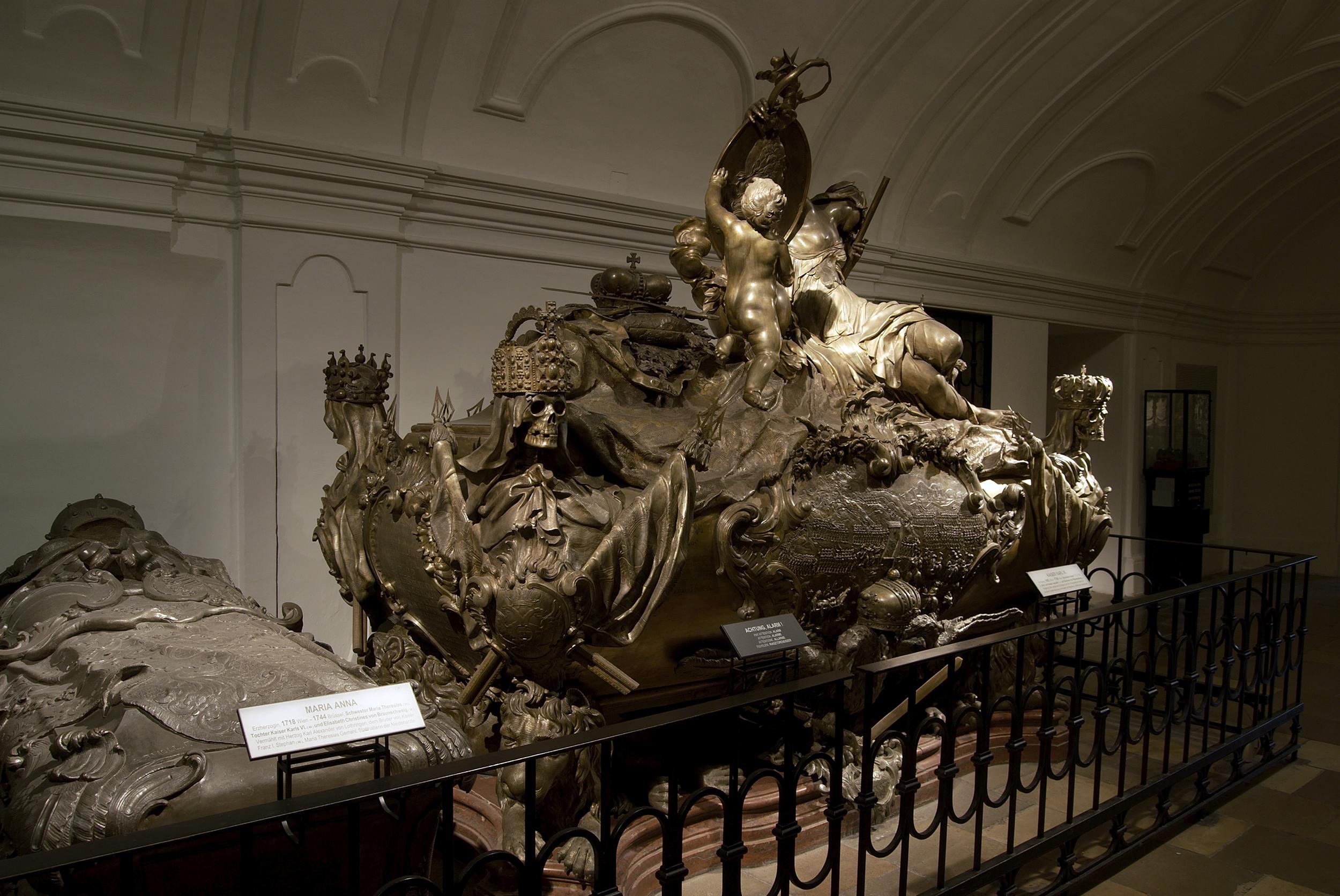
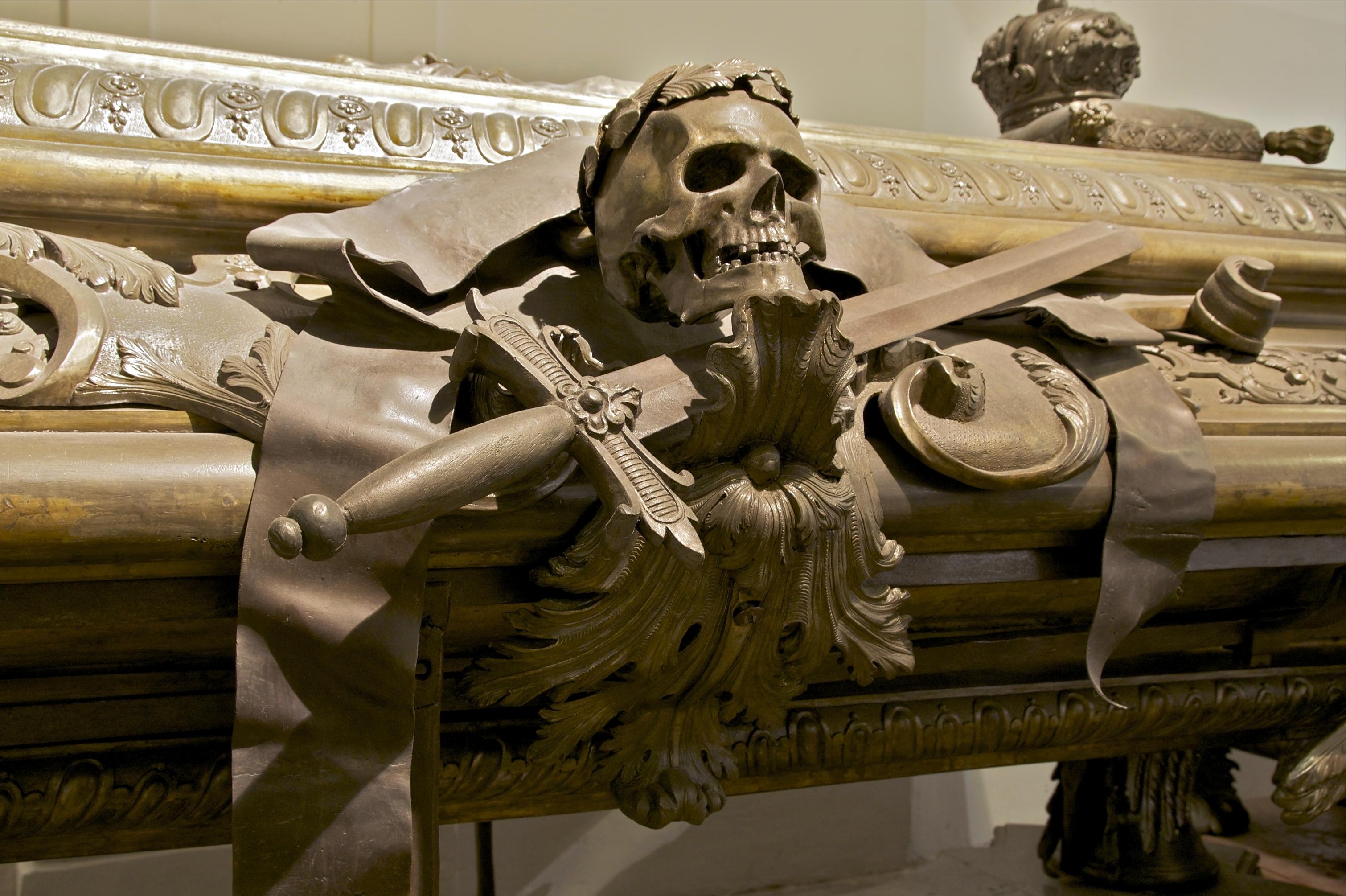
Successive rulers expanded the chambers, adding vaults, a domed room, a chapel, and visitor areas. Ten interconnected vaults now arrange the tombs alongside family trees showing lines of descent. One hundred and seven visible metal sarcophagi range from restrained chests to elaborate Rococo sculptures, while five heart urns preserve separate remains. Restoration added new vaults, climate control, and a historical visitor route that became accessible to disabled visitors in 2003.
The burial ritual preserves a striking exchange between the funeral official and the Capuchin monks. After titles receive no recognition, the official identifies the deceased as a “poor sinner,” and the doors open. Maria Theresa and her husband share a double sarcophagus whose lid weighs about 1,700 kilograms. Inside its metal shell, a silk-wrapped wooden coffin rests behind two locks, with one key held by the Capuchin guardian and the other kept at the Hofburg.
- City
- Vienna
- Content updated
Take this page with you
The myTuur app is free, and once you are standing at a spot its story starts by itself.


Spots like this one are the stops myTuur strings into tours through Vienna. In the app, each story begins where you stand: walk up to a spot and it starts, read it on screen or listen as you go, then follow the route to the next one.
What is myTuur?
myTuur is a free city-guide app. Its tours are built from spots, and each spot carries a story that starts when you get there, to read or to listen to as you like.