Domus Aurea
Domus Aurea lies beneath Rome as the surviving section of Emperor Nero’s vast Golden House. You move through underground rooms that once formed part of a landscape of pavilions, gardens, woods, fountains, and an artificial lake spread across several hills.
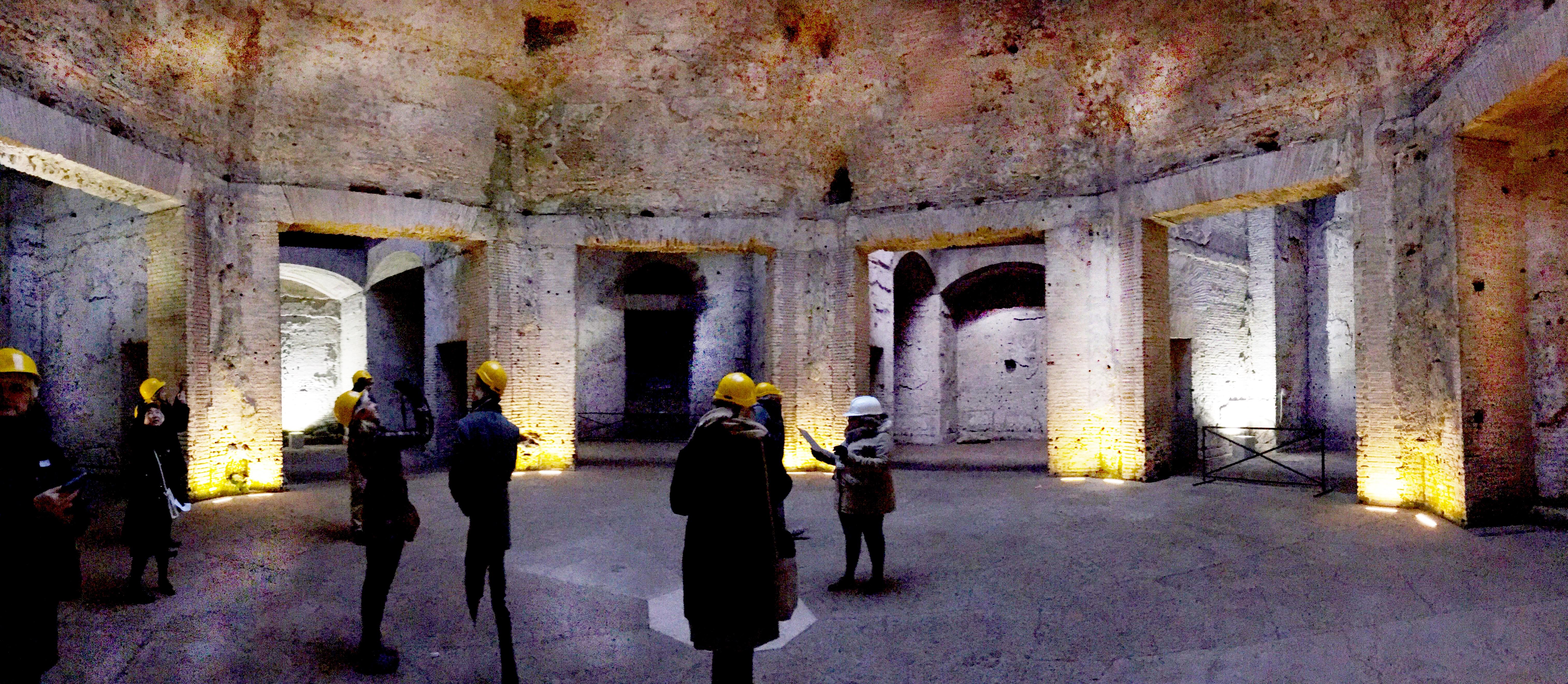
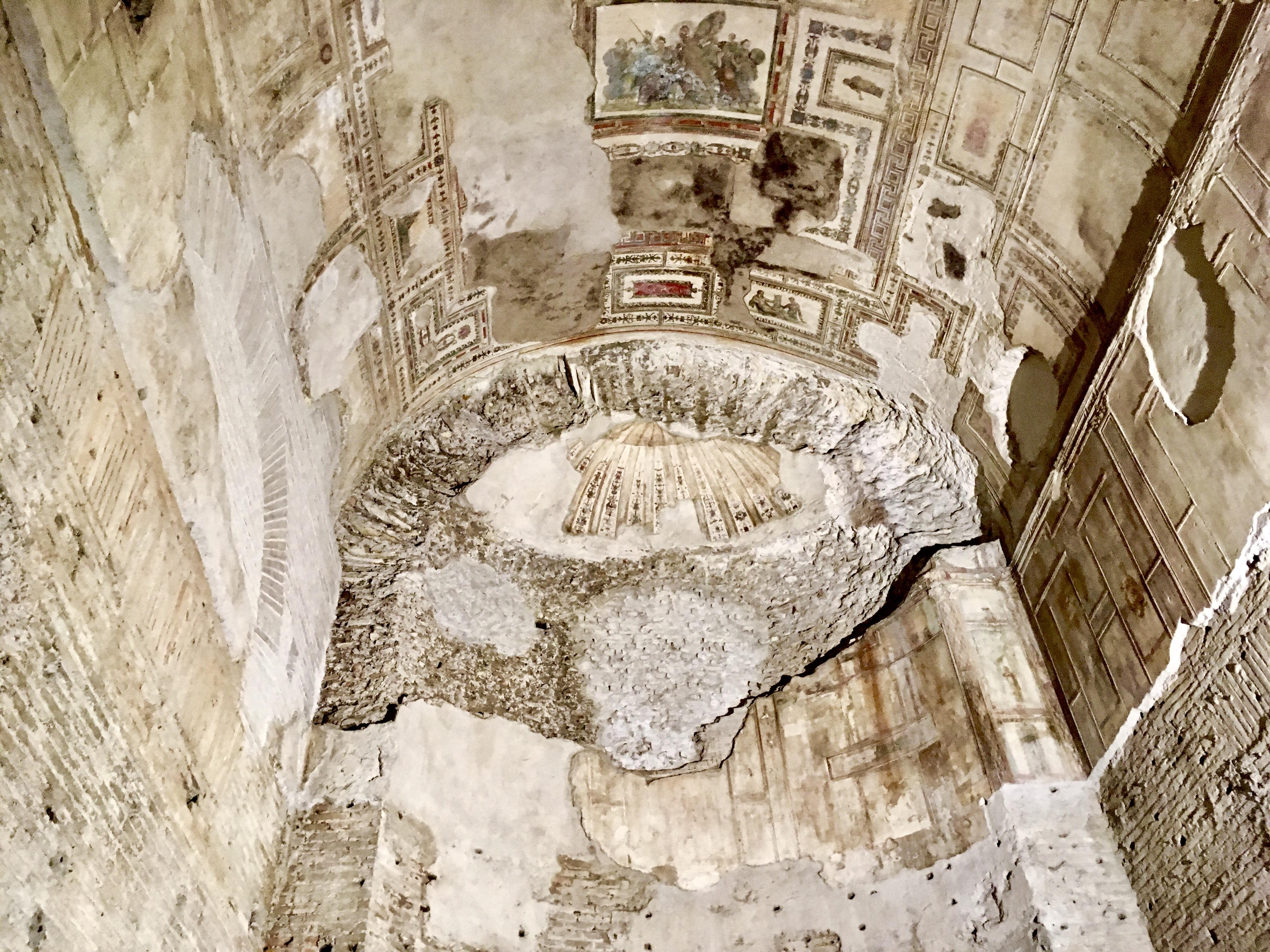
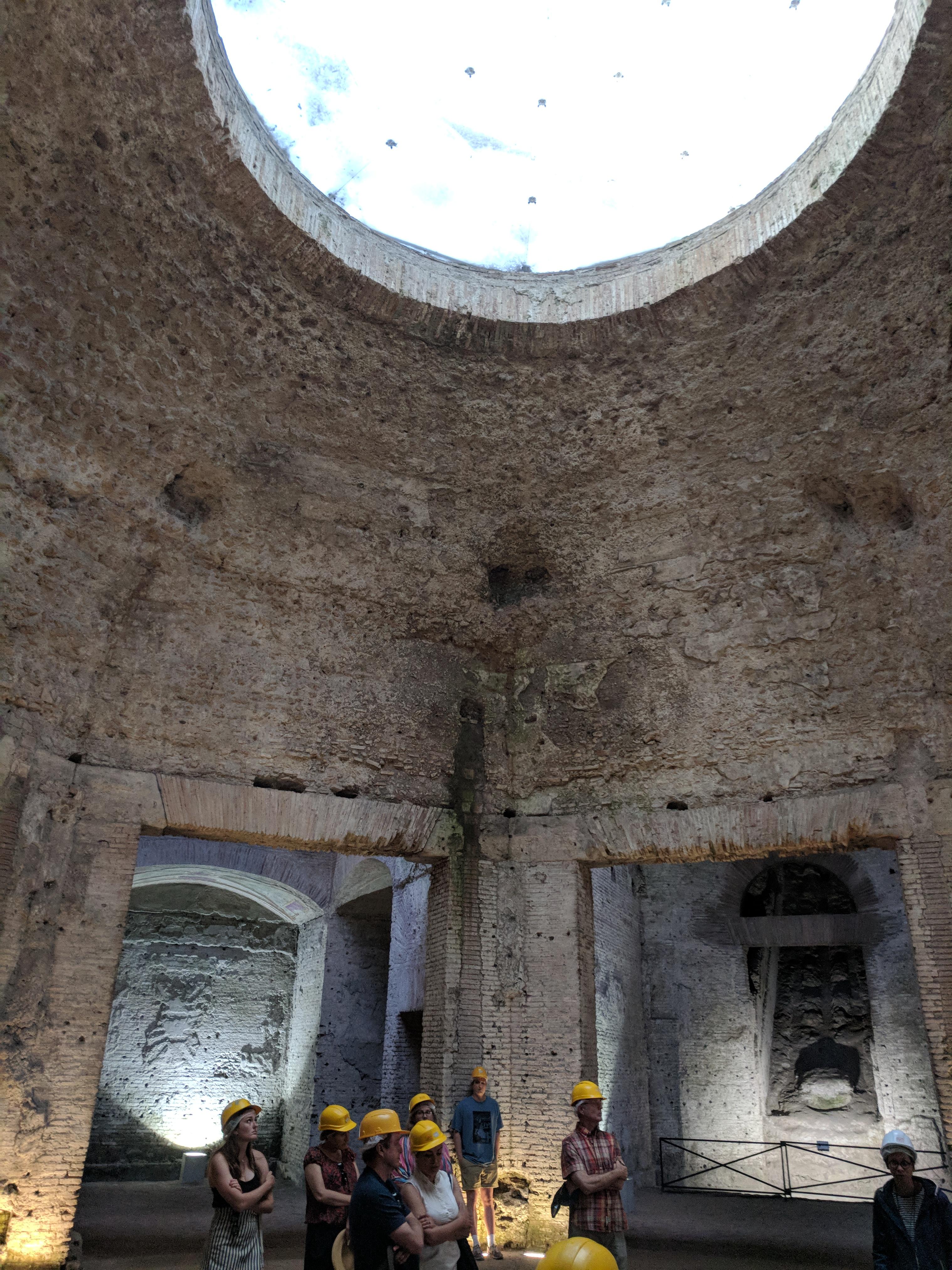
Construction began after the great fire of 64 AD, expanding Nero’s earlier Domus Transitoria into an imperial setting for banquets, ceremonies, and display. An octagonal hall played with geometry and light, while a colossal statue showed Nero as the sun god. Marble, ivory, gold leaf, mosaics, and frescoes covered the interiors, with mythological figures including Achilles, Ulysses, Hector, and Andromache. After Nero’s death in 68 AD, later emperors removed valuable materials, filled rooms with earth, and built the Colosseum and Baths of Trajan above parts of the complex. That burial protected many paintings until their rediscovery during the Renaissance, when artists such as Raphael studied the underground chambers and helped inspire grotesque decoration.
The strongest impression comes from the contrast between ambition and survival: a palace designed for light, water, and spectacle now preserves faded figures in quiet darkness.
- City
- Rome
- Content updated
Take this page with you
The myTuur app is free, and once you are standing at a spot its story starts by itself.


Spots like this one are the stops myTuur strings into tours through Rome. In the app, each story begins where you stand: walk up to a spot and it starts, read it on screen or listen as you go, then follow the route to the next one.
What is myTuur?
myTuur is a free city-guide app. Its tours are built from spots, and each spot carries a story that starts when you get there, to read or to listen to as you like.