Stephanskloster
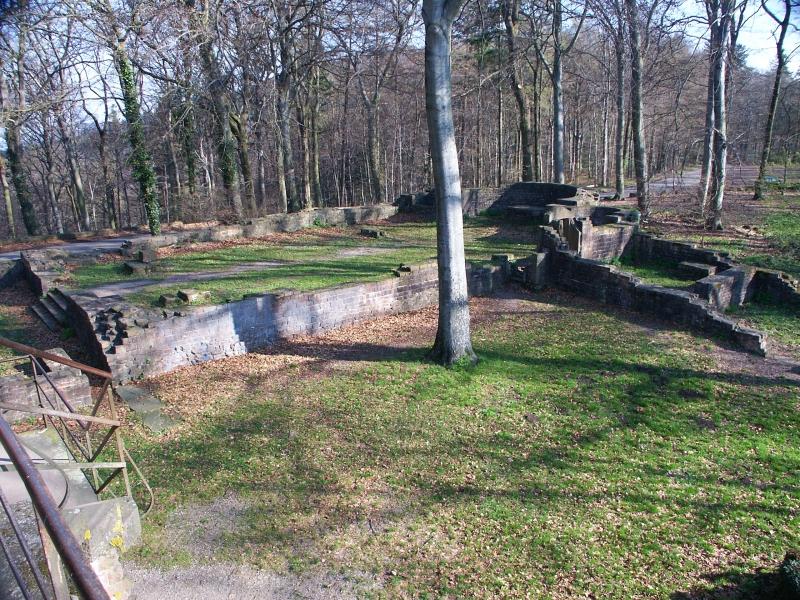
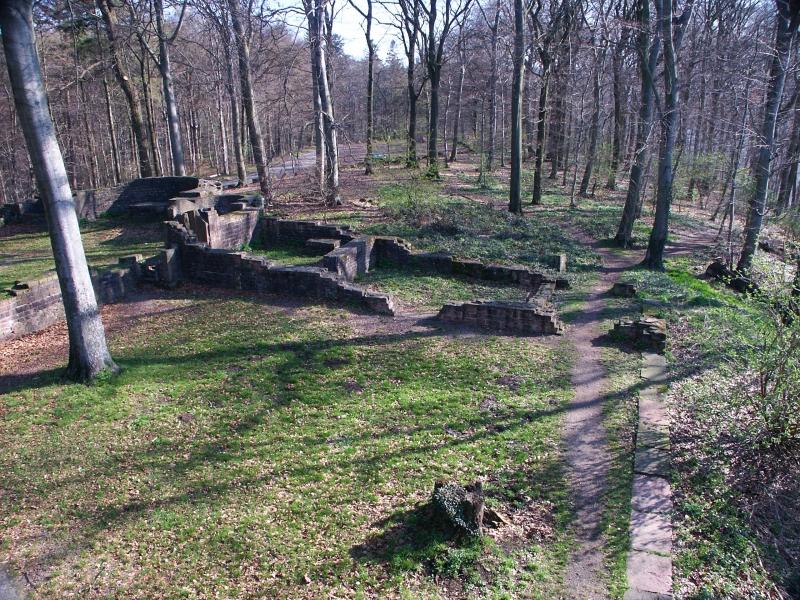
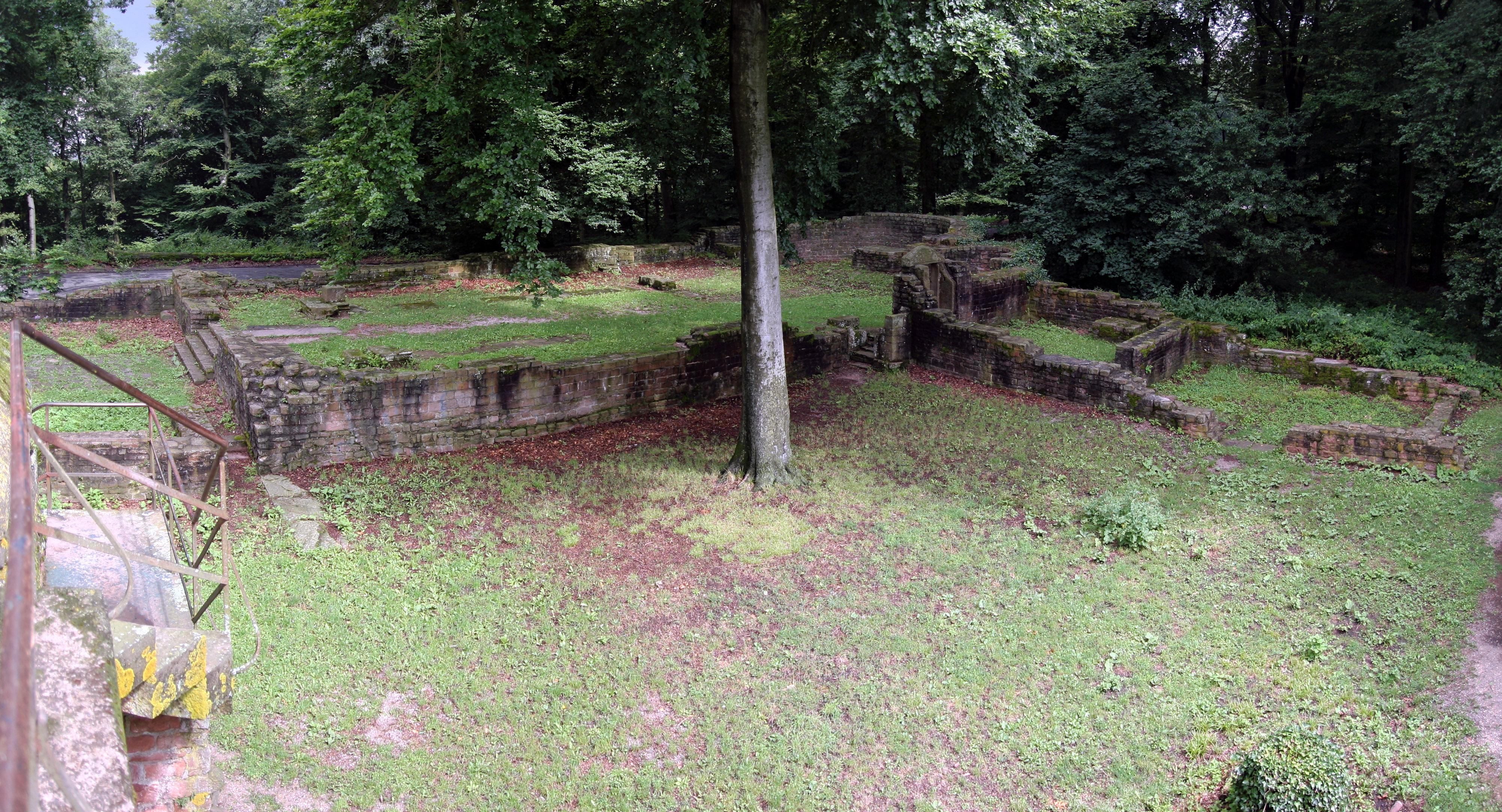
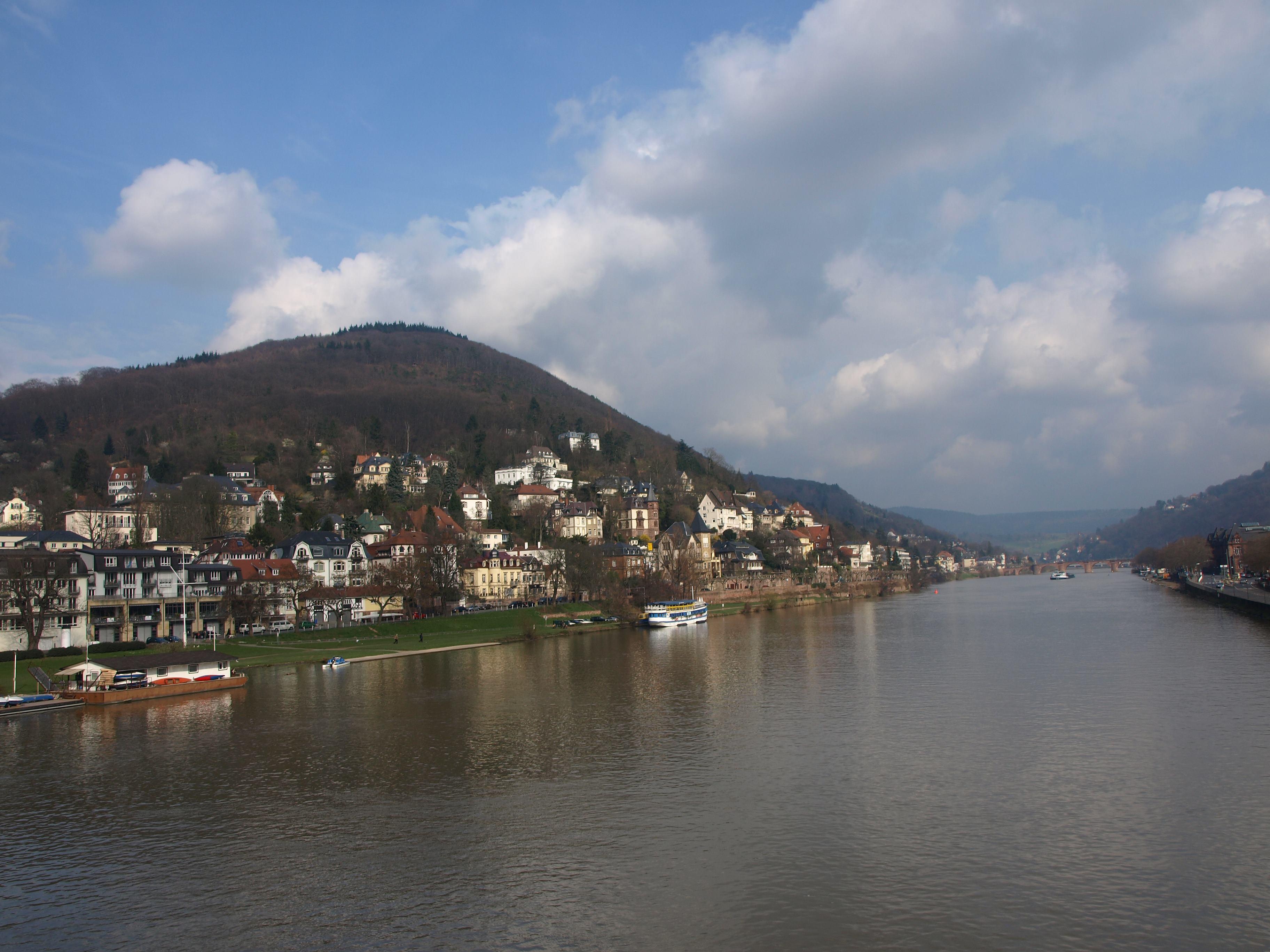
Stephanskloster lies on the Michelsberg, about 375 metres above sea level in Heidelberg. Today, foundations mark the monastery beside the neighbouring Michaelskloster. The hilltop was once bare, with clear views across the Neckar valley after building and heating stripped its trees.
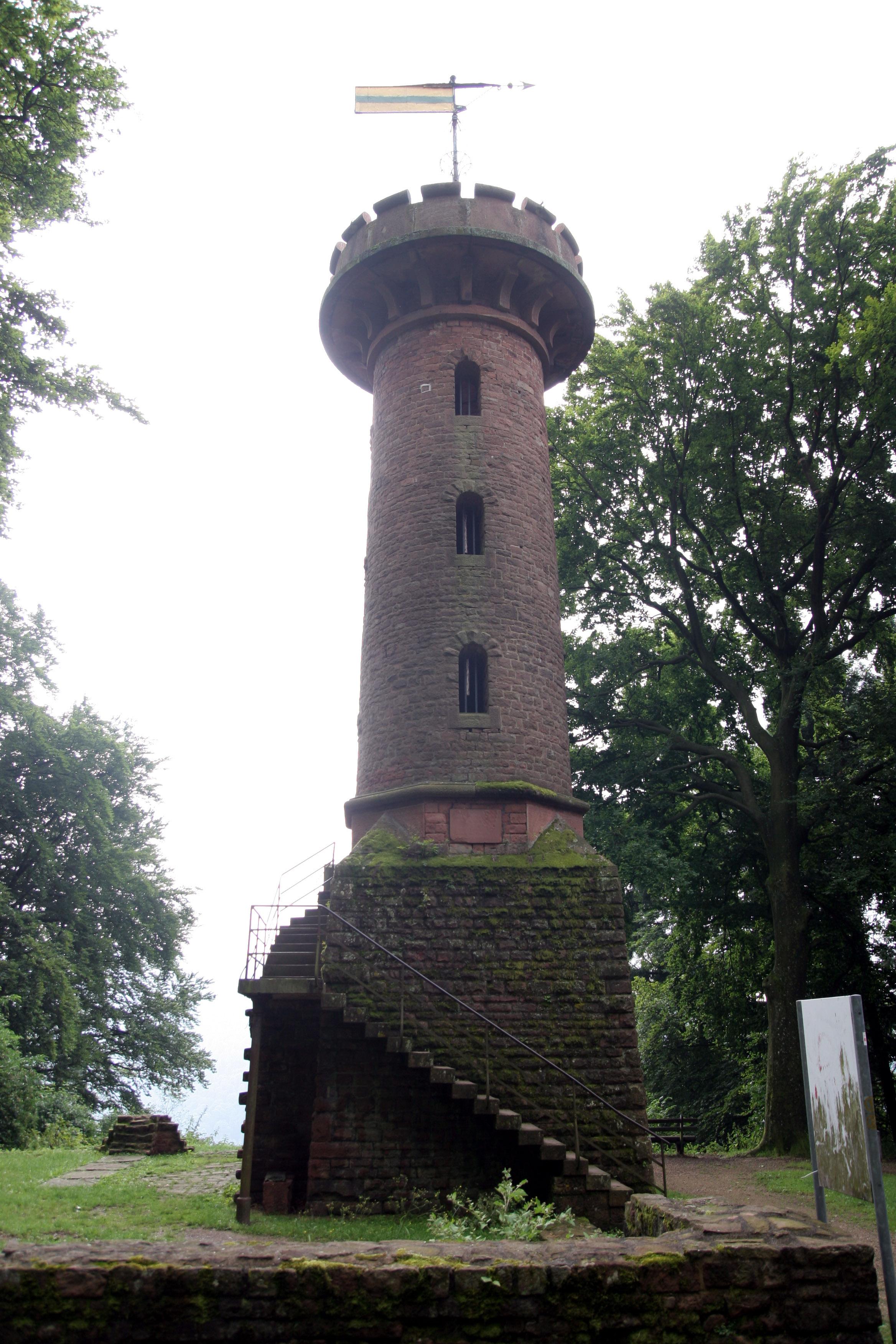
Around 1090, the Benedictine Arnold built a hermitage and chapel here, creating a second branch of Lorsch Monastery. Zundebold, provost of the neighbouring Michaelskloster, added monastic buildings in 1094 with Lorsch’s permission. The Gothic church followed in the twelfth century, while southern convent buildings date from the fourteenth or early fifteenth. Premonstratensian monks from Allerheiligen in the Black Forest took over in the mid-thirteenth century. After the Reformation dissolved the community in the sixteenth century, the abandoned buildings decayed. Heidelberg University permitted quarrying in 1589, and monastery stone later reached the castle lookout tower and Neckar valley.
A copy of Hazecha’s grave slab preserves a Latin inscription at the site. Hazecha, Rickfried’s widow, gave a quarter of her property to secure burial here. Her burial place lay in the western part of the church. She asked the residents to remember her, and her inscription voices hope for eternal life in God.
- City
- Heidelberg
- Content updated
Take this page with you
The myTuur app is free, and once you are standing at a spot its story starts by itself.


Spots like this one are the stops myTuur strings into tours through Heidelberg. In the app, each story begins where you stand: walk up to a spot and it starts, read it on screen or listen as you go, then follow the route to the next one.
What is myTuur?
myTuur is a free city-guide app. Its tours are built from spots, and each spot carries a story that starts when you get there, to read or to listen to as you like.