Sint-Annatunnel
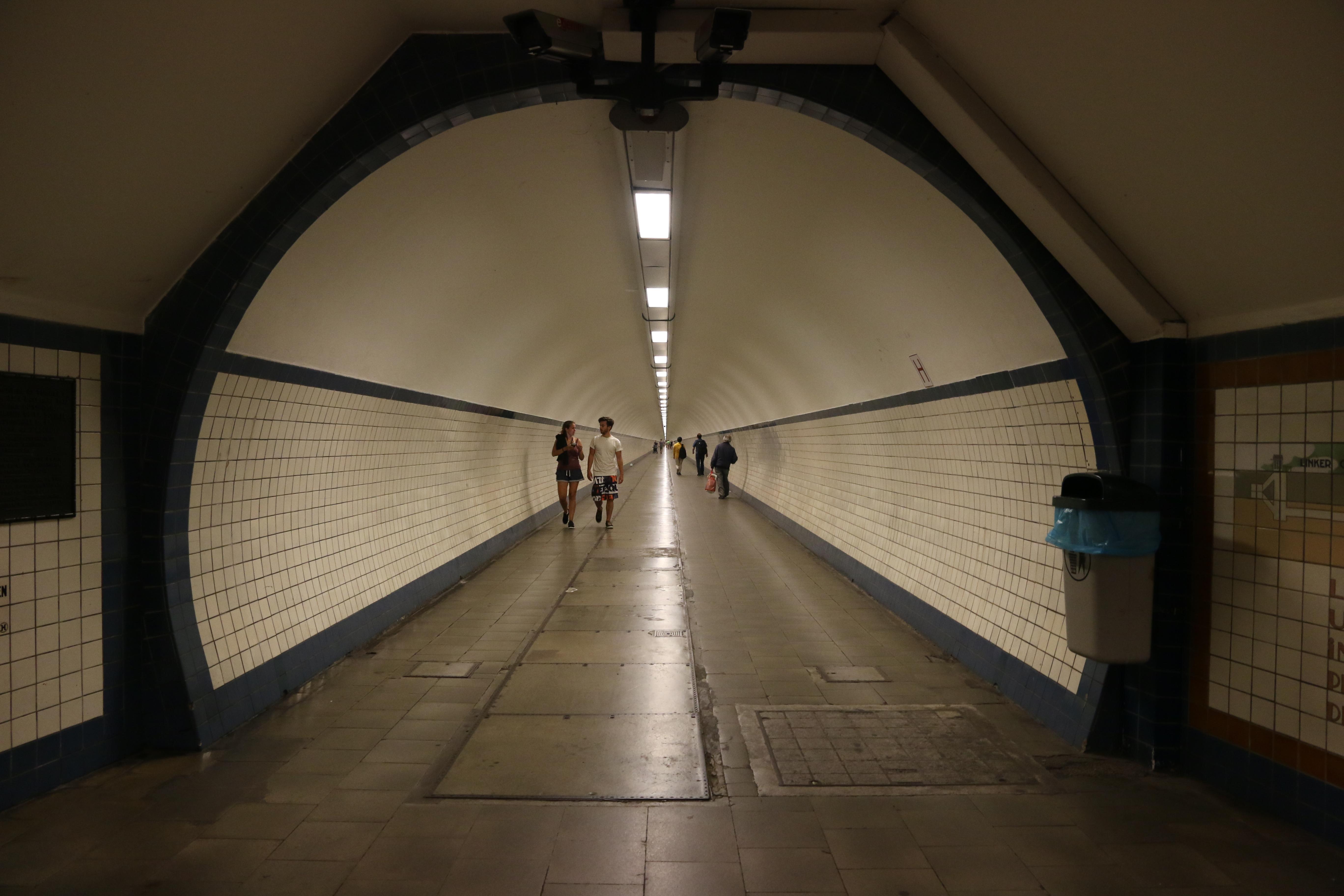
Sint-Annatunnel carries pedestrians and cyclists beneath Antwerp’s Scheldt, linking the city centre with the Linkeroever district. The 572-metre passage runs 31 metres below the riverbed at its deepest point and stays perfectly horizontal. Ceramic tiles line the interior, while its length prevents you from seeing the opposite entrance underground.
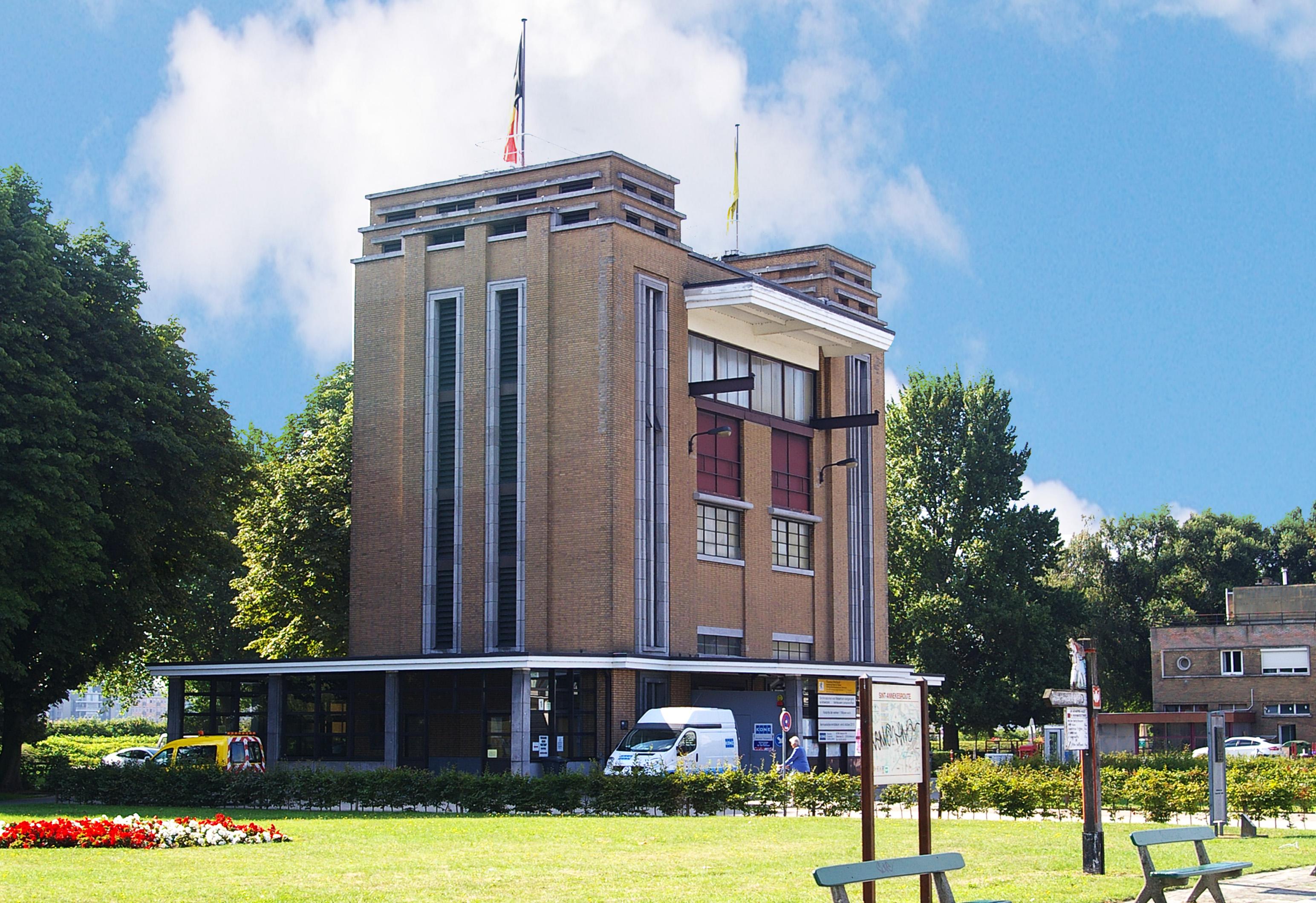
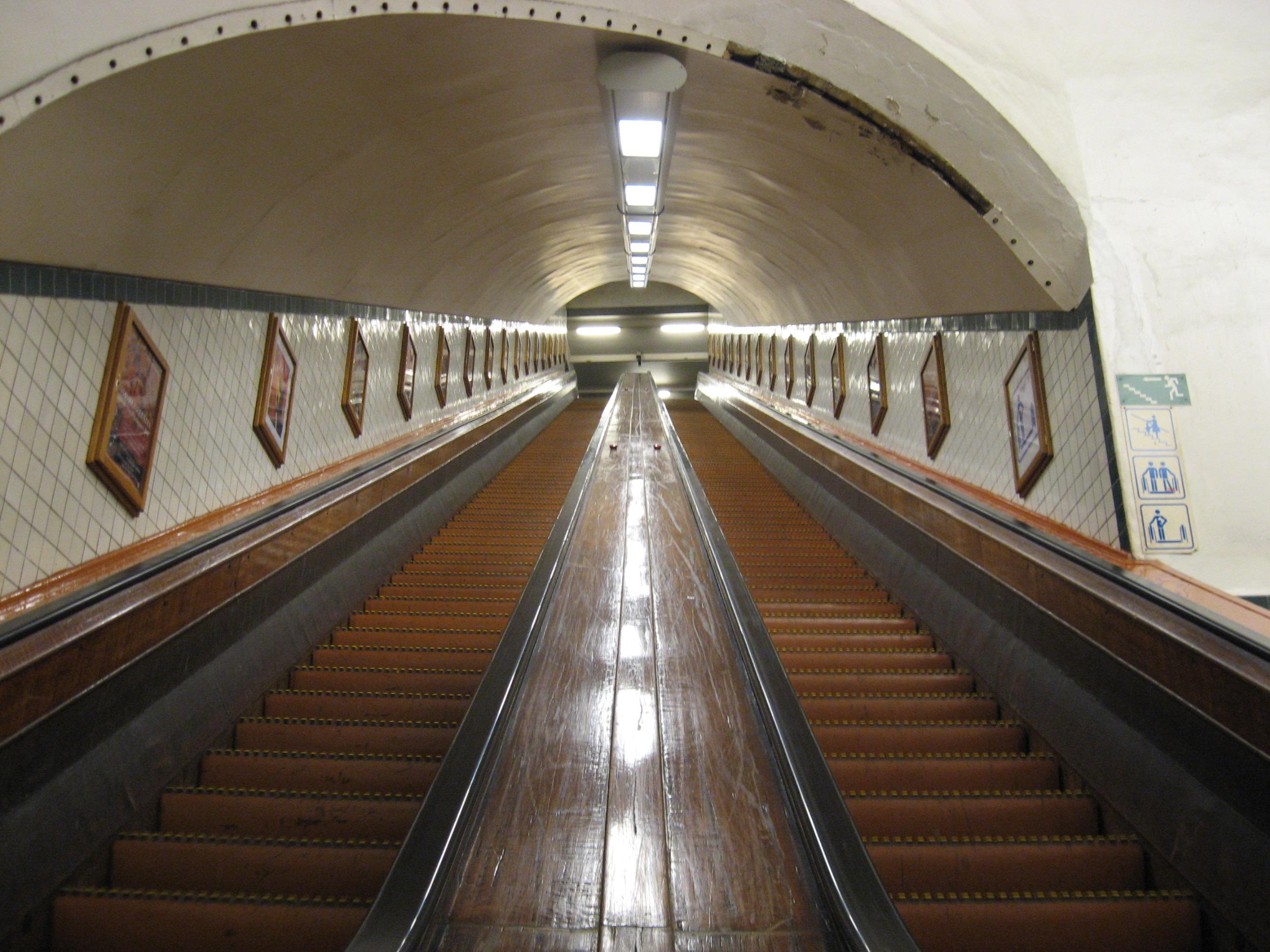
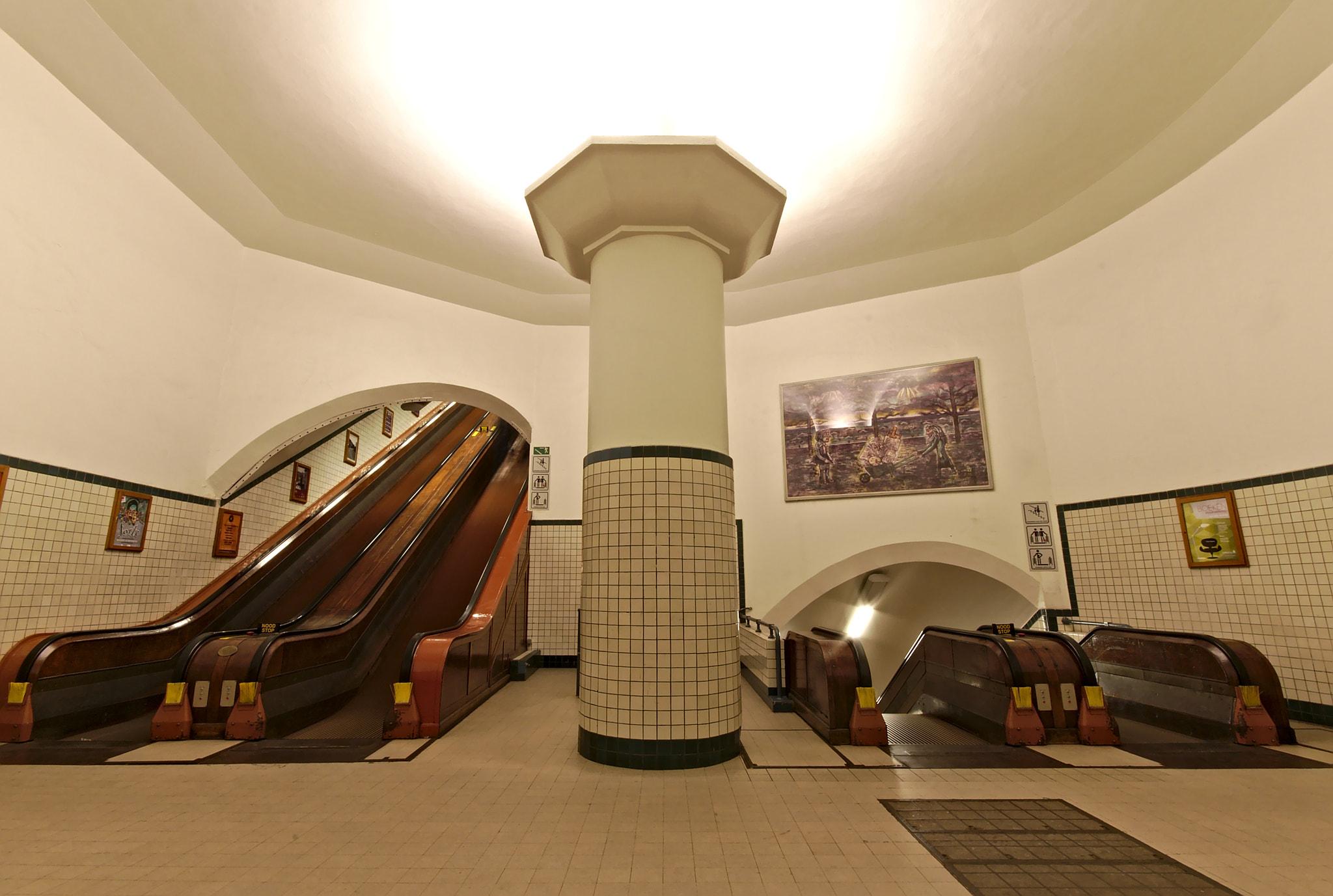
Construction began in June 1931, and the tunnel opened in September 1933 after workers dug through Boom clay with a manually operated shield. Prefabricated cast-iron segments, joined by lead rivets, form its structure, and two-storey entrance buildings by architect Emiel Van Averbeke stand at both ends. Large lifts carry up to 40 people or 3,000 kilograms, while the original wooden escalators still transport visitors between street level and the passage. The tunnel replaced ferry crossings such as Sint-Annekensboot and Land van Waas, suffered wartime damage on the Linkeroever side, and received protection as a historic monument in 1997.
Photographs of the construction and tunnel history accompany the descent, alongside preserved signs and warning notices. The wooden escalators remain the detail most likely to stay with you.
- City
- Antwerp
- Content updated
Take this page with you
The myTuur app is free, and once you are standing at a spot its story starts by itself.


Spots like this one are the stops myTuur strings into tours through Antwerp. In the app, each story begins where you stand: walk up to a spot and it starts, read it on screen or listen as you go, then follow the route to the next one.
What is myTuur?
myTuur is a free city-guide app. Its tours are built from spots, and each spot carries a story that starts when you get there, to read or to listen to as you like.