Colosseum
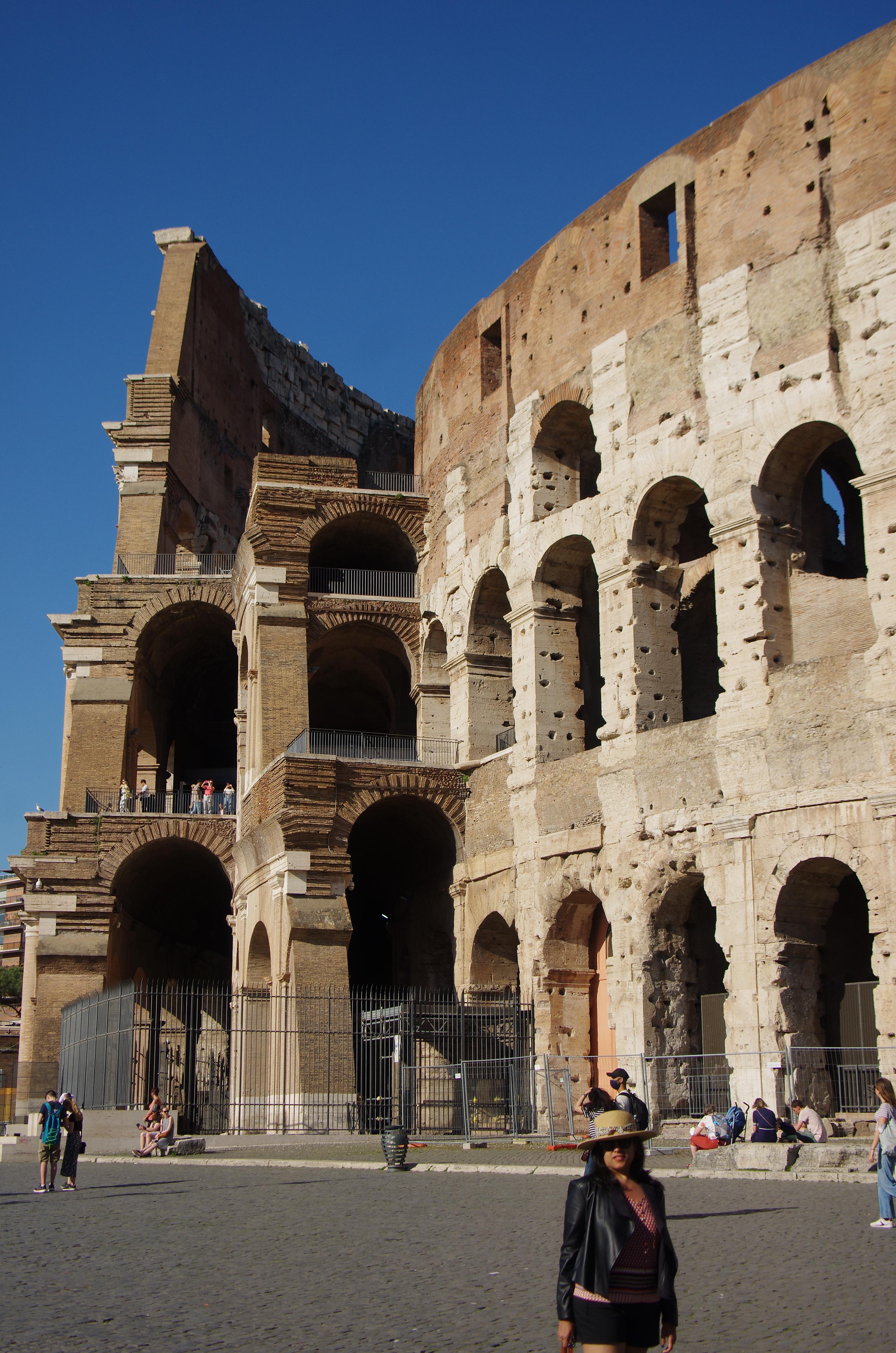
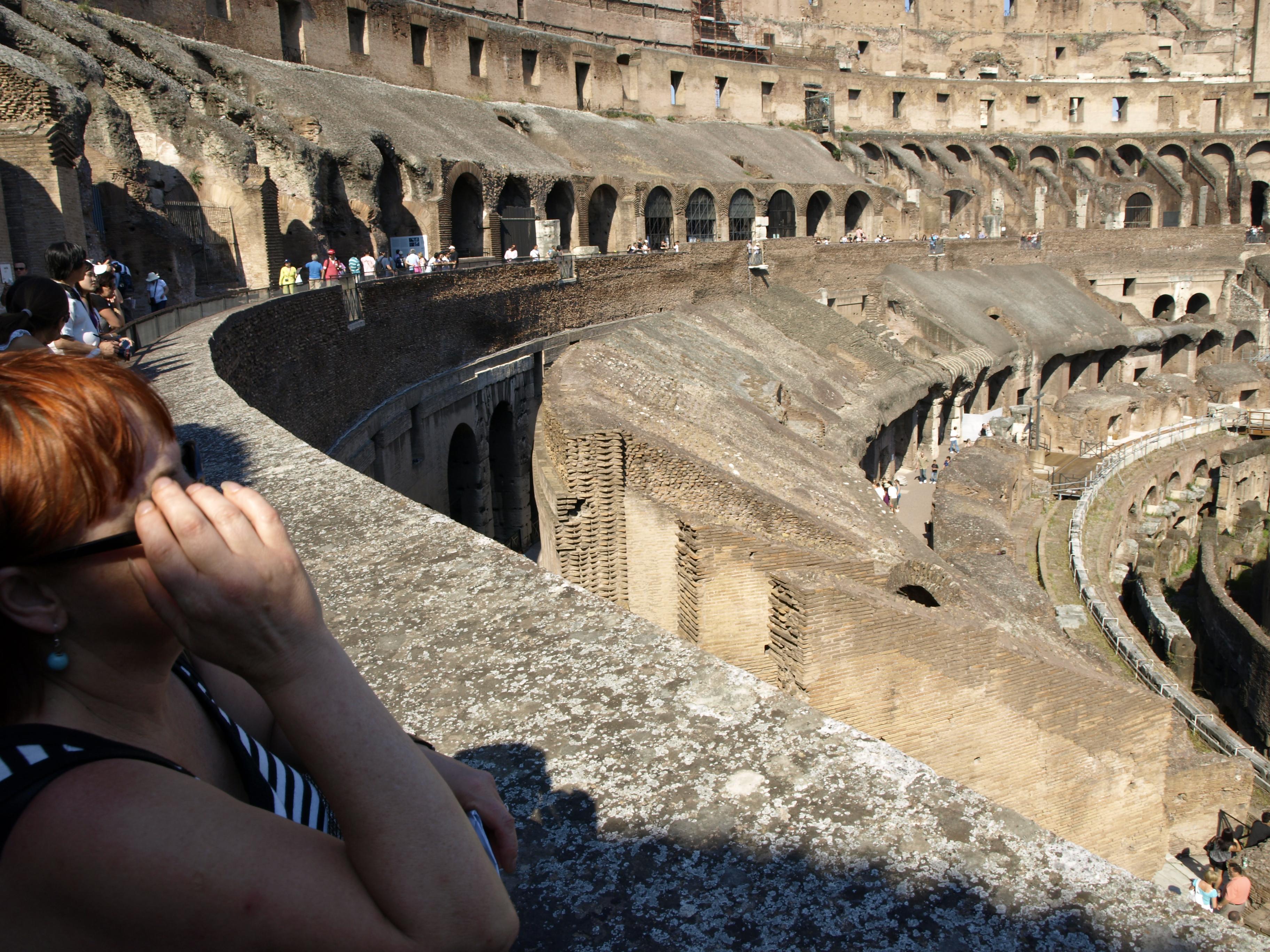
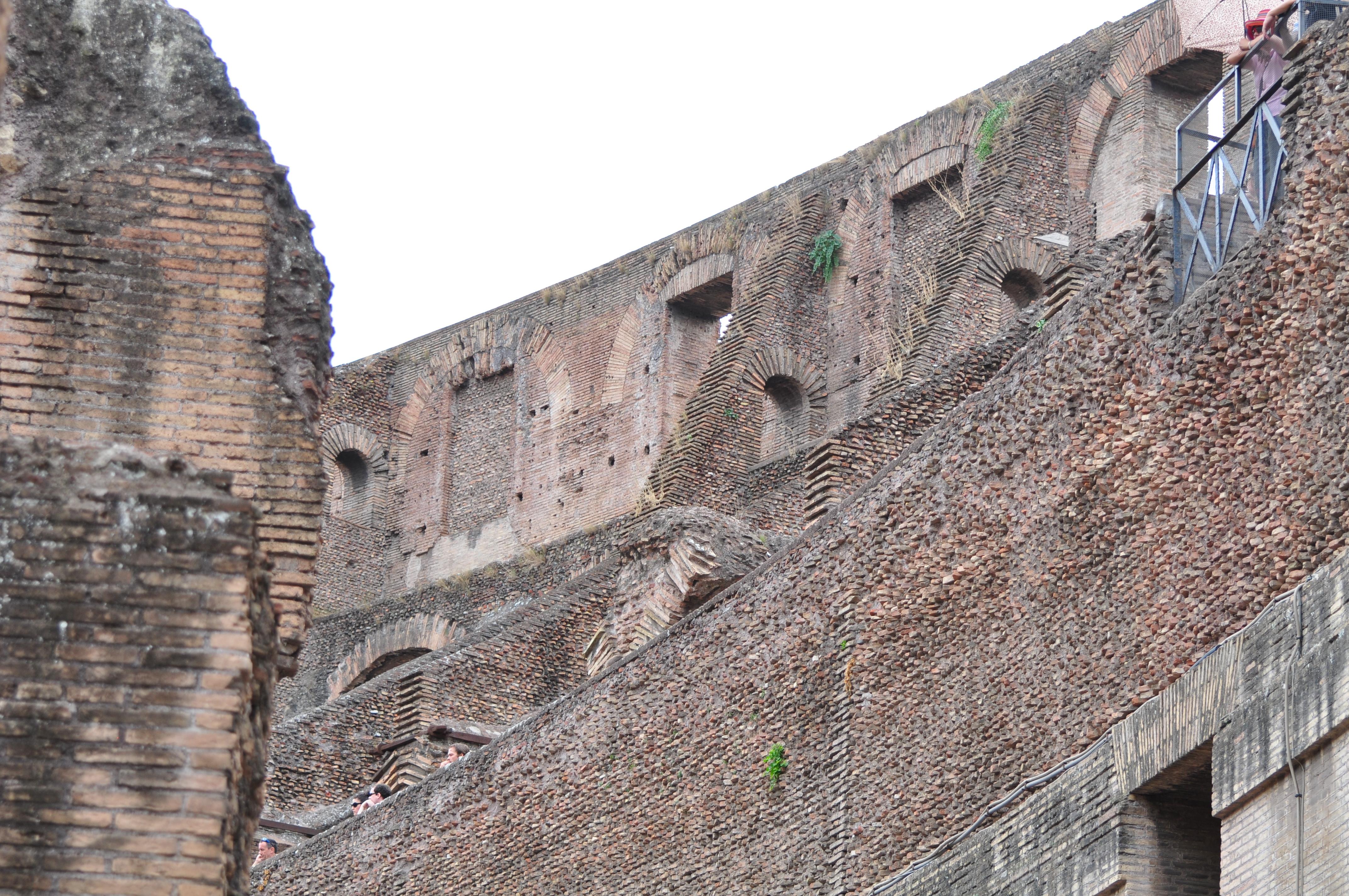
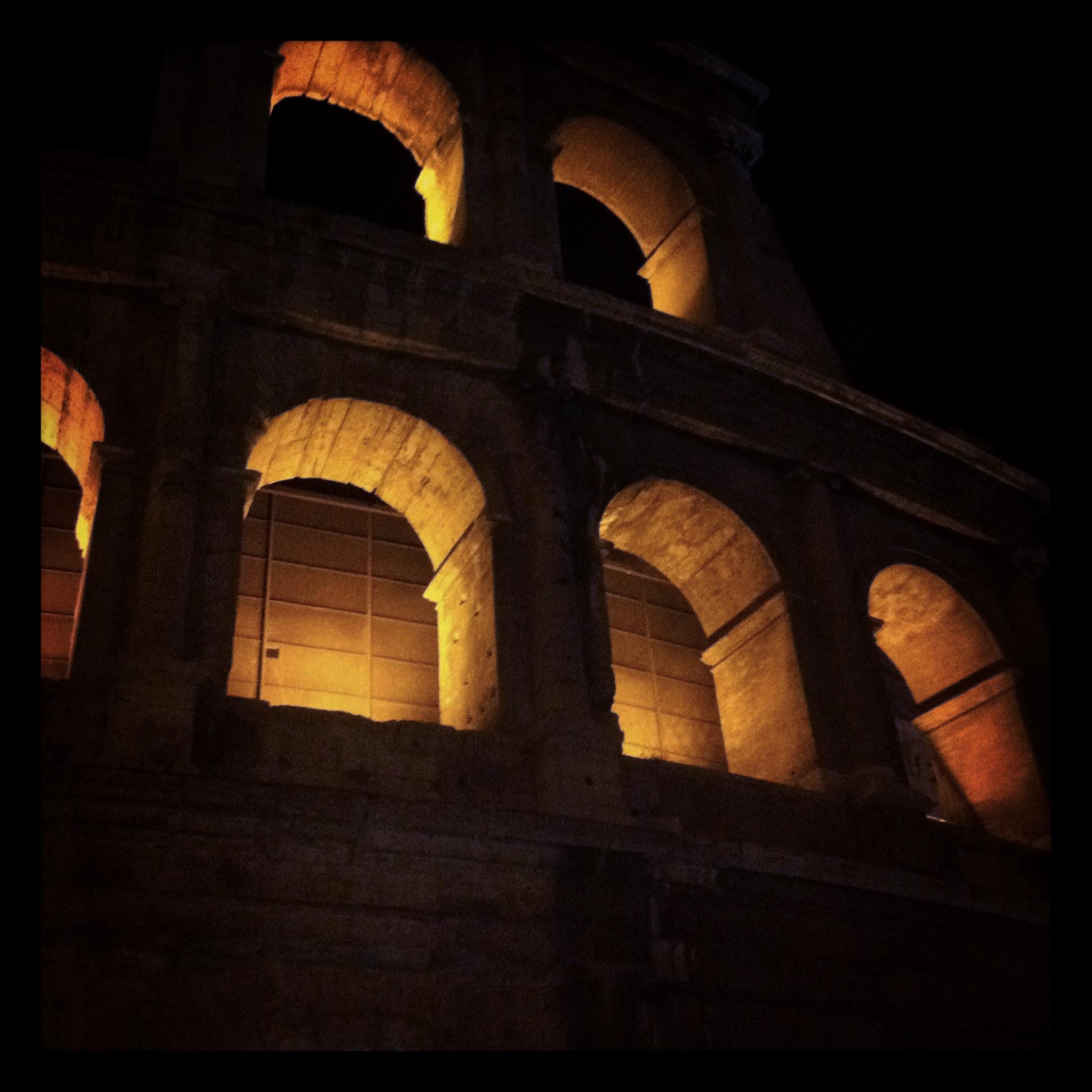
The Colosseum rises in Rome as an enormous oval amphitheatre, built from travertine, volcanic tuff and Roman concrete faced with brick. Its repeated arches lightened the heavy walls and guided spectators quickly towards their seats.
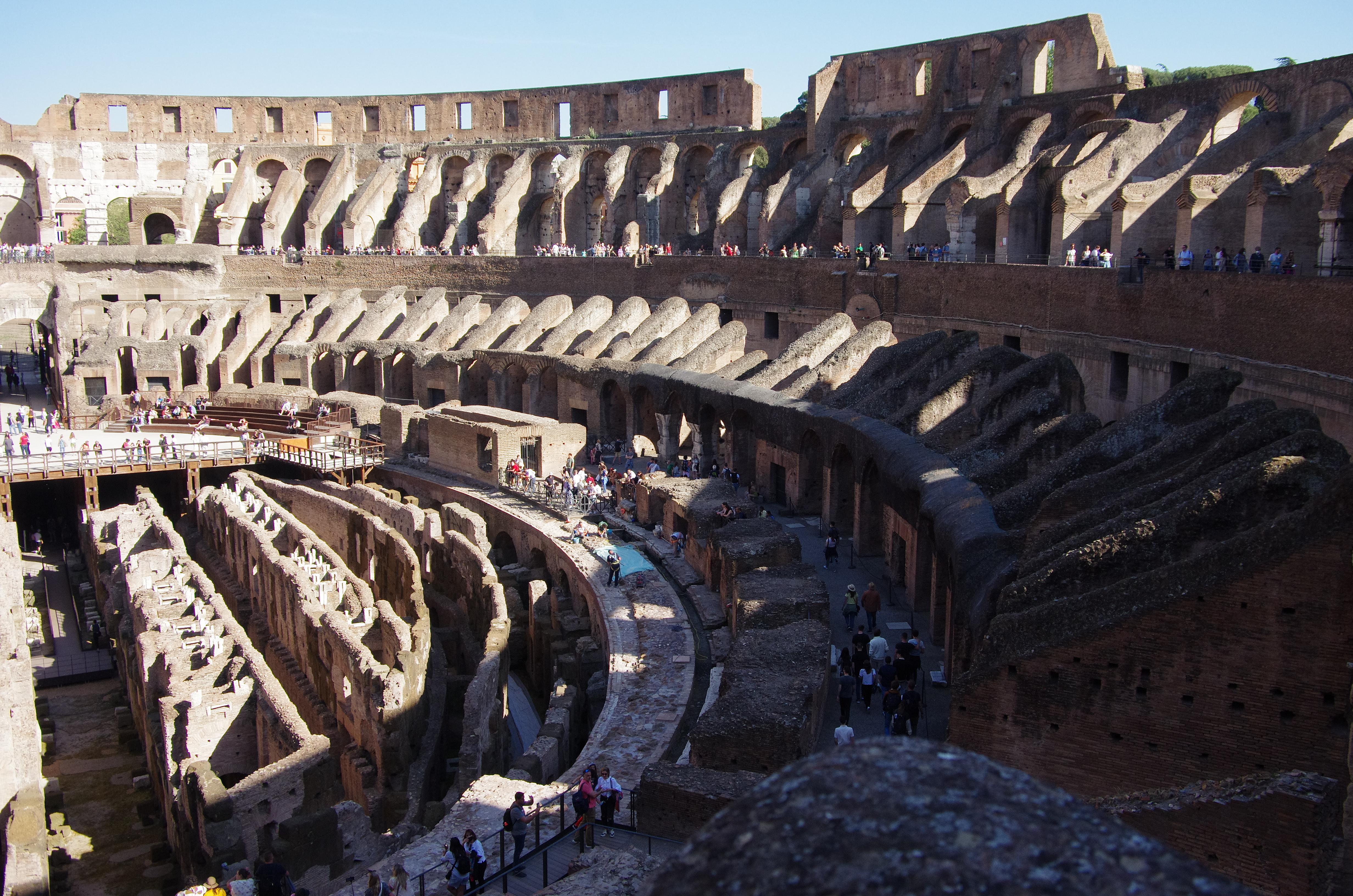
Vespasian began construction in 72 CE, and his son Titus completed it in 80 CE. Domitian later commissioned further changes, giving the building its original association with the Flavian dynasty. Depending on the period, the arena held between 50,000 and 80,000 people for gladiatorial contests, animal hunts, public executions and staged battles. For a short time, performers even recreated naval battles inside the arena.
After the spectacles ended in the early Middle Ages, the structure became housing, workshops, a religious community’s quarters, a fortress and a stone quarry. Earthquakes damaged its walls, while builders removed many stones for reuse elsewhere. Look closely at the surviving arches: their orderly repetition still reveals how imperial Rome managed the movement of a vast crowd.
- City
- Rome
- Content updated
Take this page with you
The myTuur app is free, and once you are standing at a spot its story starts by itself.


Spots like this one are the stops myTuur strings into tours through Rome. In the app, each story begins where you stand: walk up to a spot and it starts, read it on screen or listen as you go, then follow the route to the next one.
What is myTuur?
myTuur is a free city-guide app. Its tours are built from spots, and each spot carries a story that starts when you get there, to read or to listen to as you like.