Daugavgrīvas klostera drupas
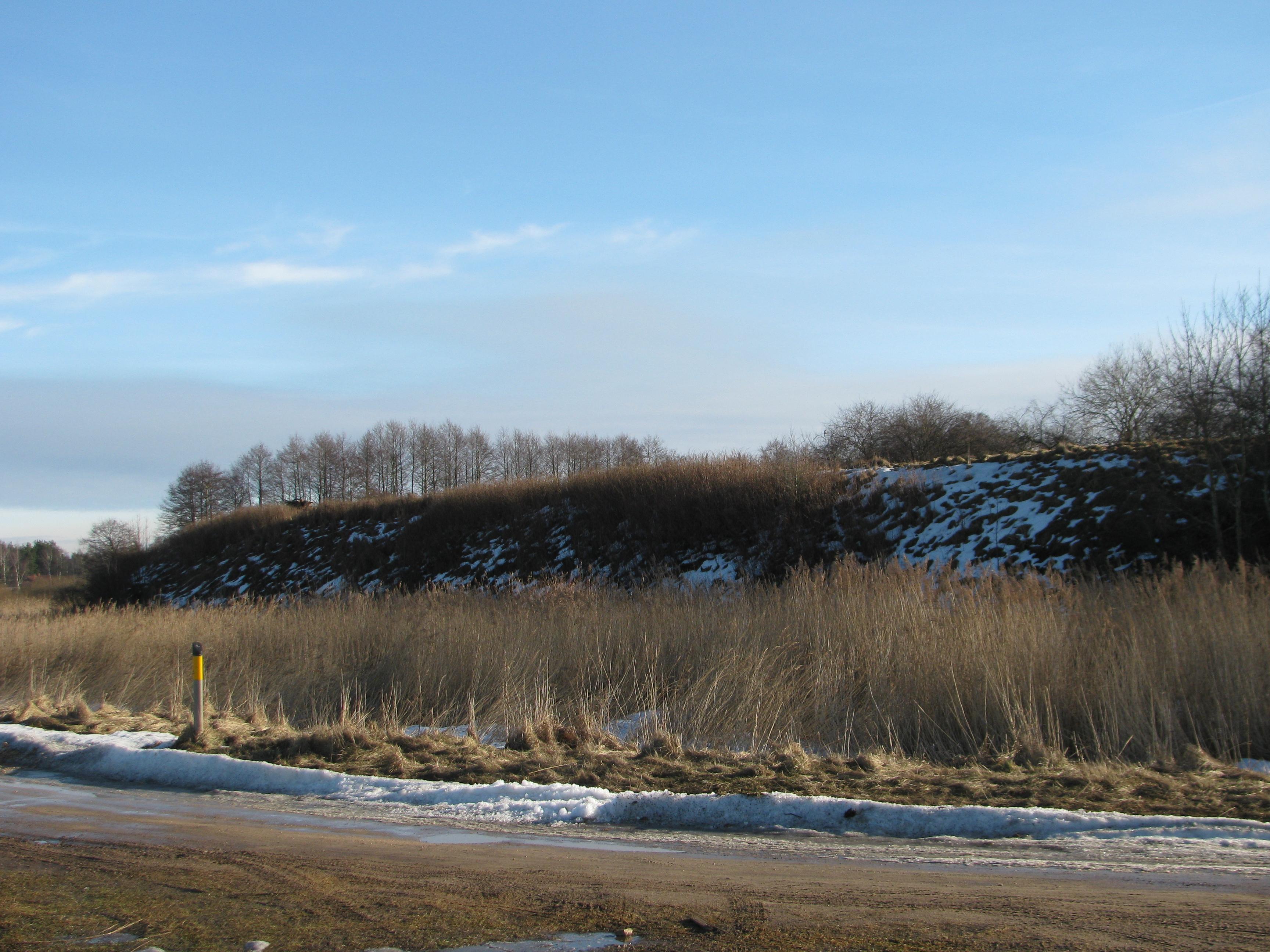
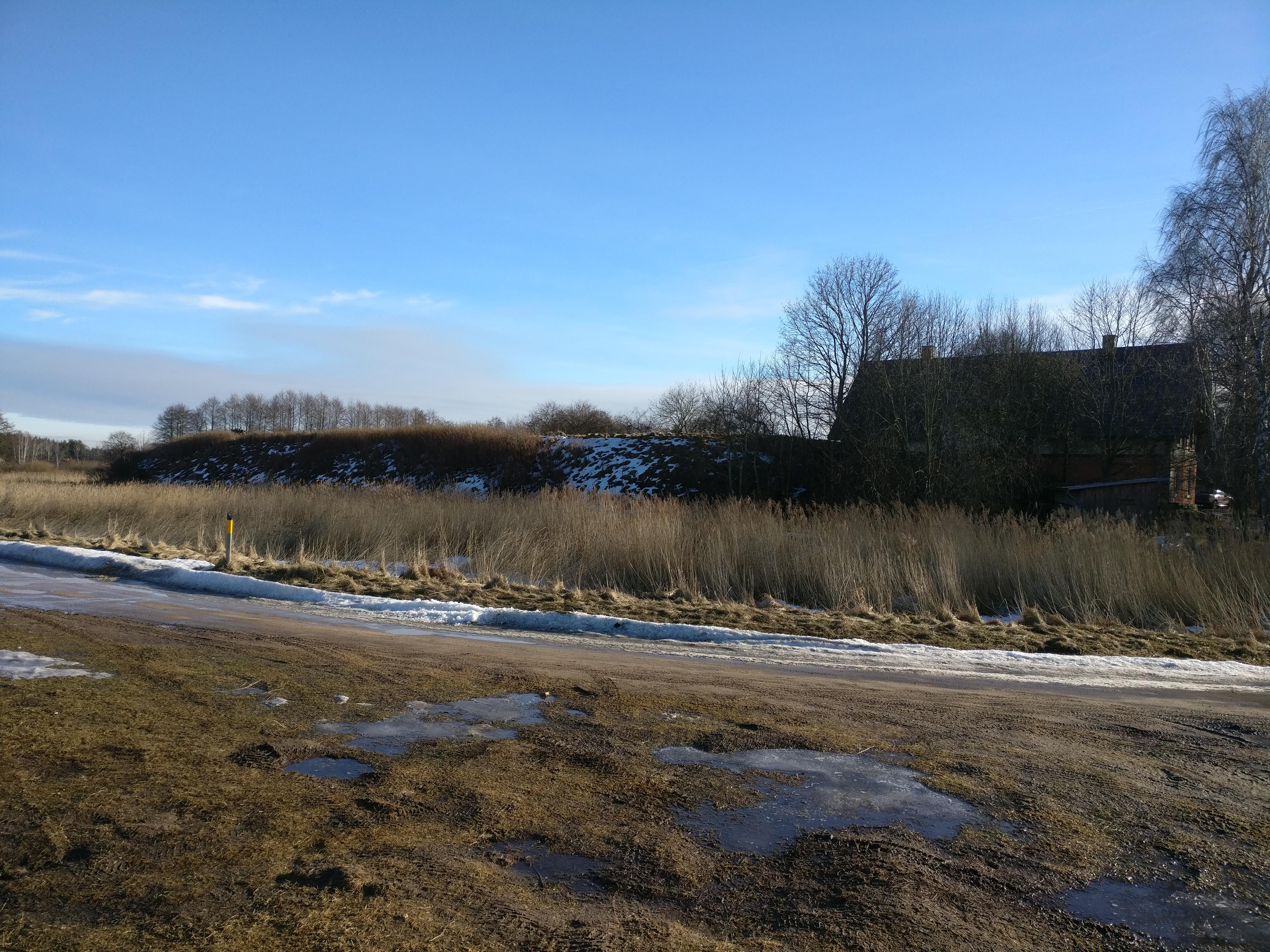
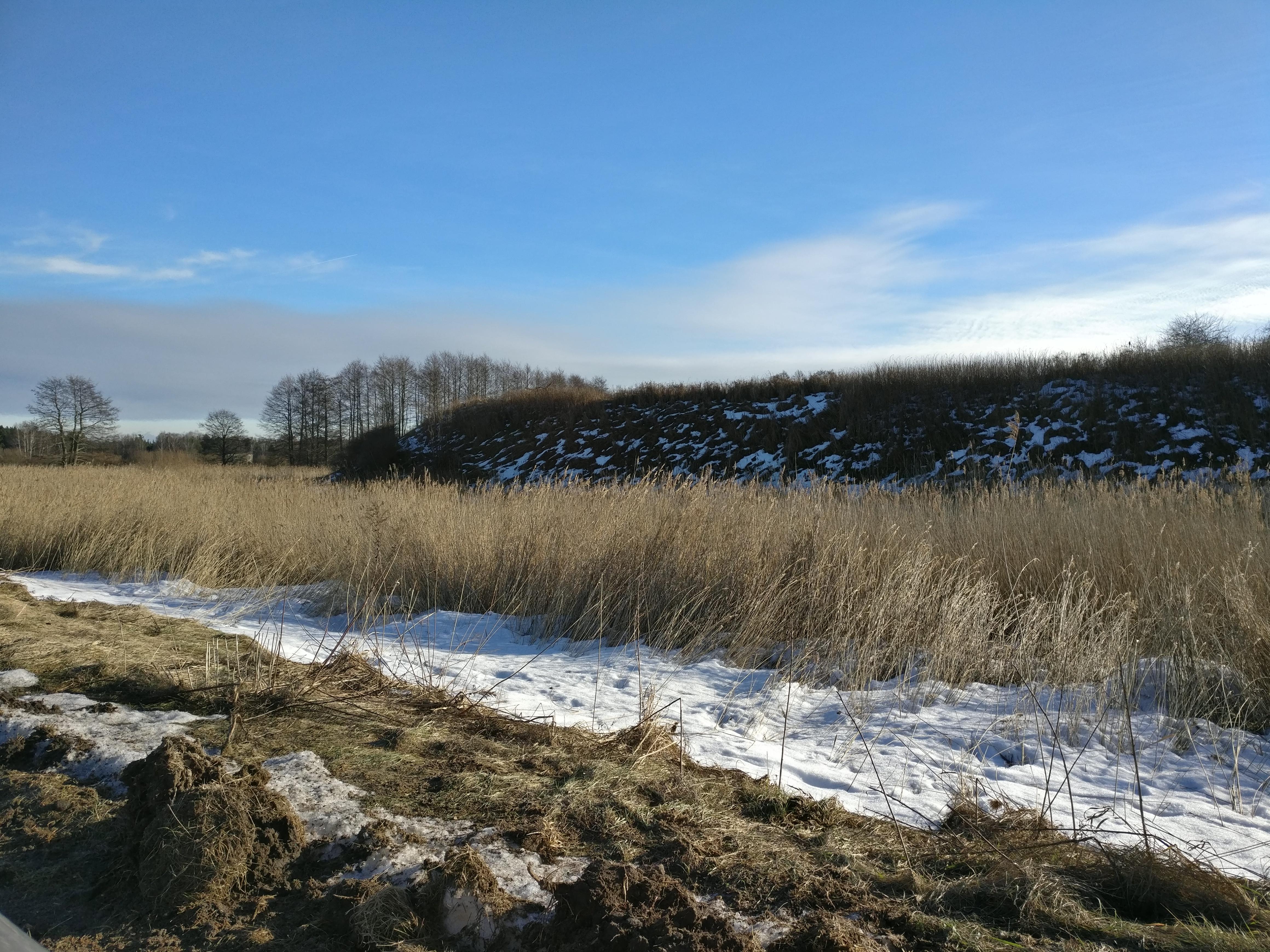
Daugavgrīvas klostera drupas in Latvia mark a former Cistercian abbey beside the Daugava River. The monastery became an intellectual centre for Livonia. Its position linked religious life with river trade, transport, and regional administration. Bishops, monks, and military orders shaped the site’s story. The Teutonic Order later transformed the abbey into a rectangular commandery castle with towers, chapel, moat, and bridge. The castle controlled movement along the river. Conflict with Riga brought sieges, destruction, rebuilding, and repeated changes of political control. Swedish rule preceded the site’s gradual decline into farmland. Archaeological excavations identified the castle plan and its southwestern tower among the oldest surviving elements. No monastery or castle walls remain above ground. Today, earth ramparts form the clearest feature, with traces of bastions outside their line. The Daugava’s changed course reduced the site’s strategic importance. These earthworks preserve a visible record of a place connecting religious, military, and economic history. Latvia considers the site an archaeological monument of state importance.
- City
- Riga
- Content updated
Take this page with you
The myTuur app is free, and once you are standing at a spot its story starts by itself.


Spots like this one are the stops myTuur strings into tours through Riga. In the app, each story begins where you stand: walk up to a spot and it starts, read it on screen or listen as you go, then follow the route to the next one.
What is myTuur?
myTuur is a free city-guide app. Its tours are built from spots, and each spot carries a story that starts when you get there, to read or to listen to as you like.