Museum Brot und Kunst
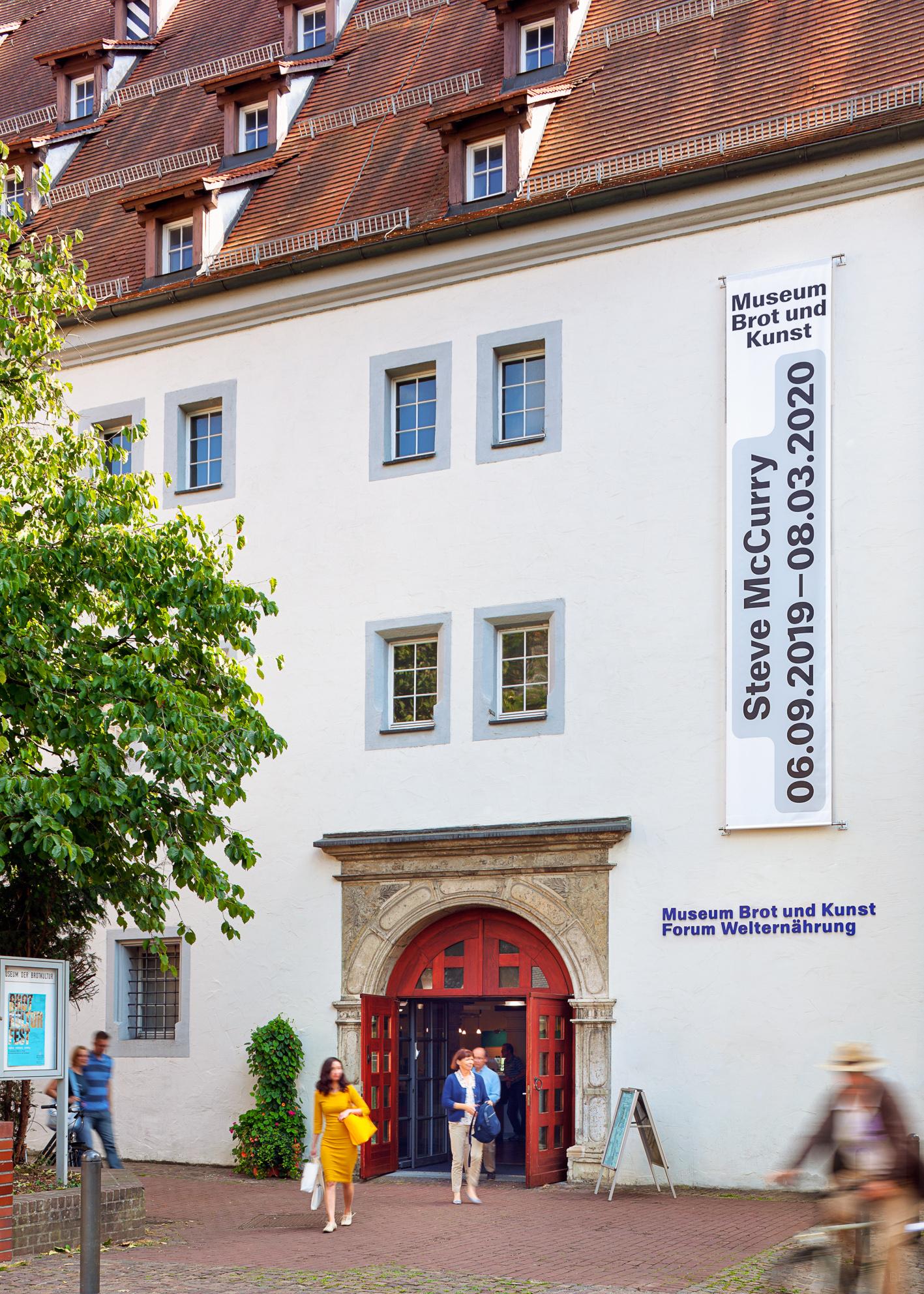
Museum Brot und Kunst in Ulm explores how grain, bread, and culture have shaped human development. Housed in the Salzstadel, a Renaissance building from 1592 that once stored grain and salt, it brings together tools, production techniques, religious objects, paintings, and sculptures. The wheelchair-accessible setting presents bread through natural, technical, social, and cultural history.
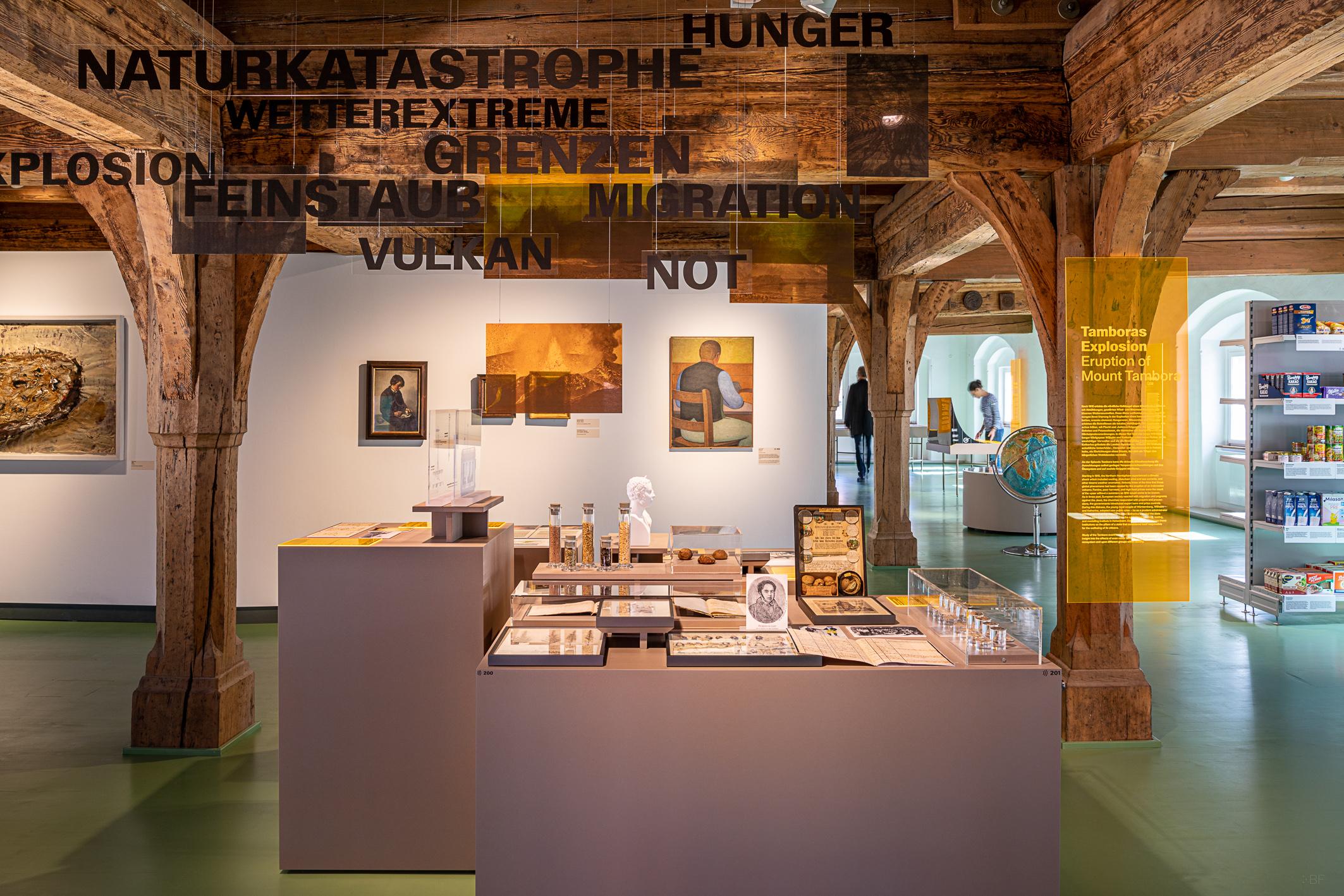
Founded in 1955 by Willy and Hermann Eiselen, the museum was the first of its kind devoted to bread. Around 20,000 objects from different eras and regions connect everyday food with hunger, nutrition, consumption, and global food issues. Artworks from the fifteenth to the twenty-first century include religious and secular paintings by Pieter Brueghel the Younger and Jan Flegel, alongside socially critical works by Ernst Barlach, Max Beckmann, and Käthe Kollwitz.
A media installation uses screens, texts, images, and expert statements to examine food and sustainability. Together, these displays show how a familiar loaf can open questions about human history, society, and the world’s food supply.
- City
- Ulm
- Content updated
Take this page with you
The myTuur app is free, and once you are standing at a spot its story starts by itself.


Spots like this one are the stops myTuur strings into tours through Ulm. In the app, each story begins where you stand: walk up to a spot and it starts, read it on screen or listen as you go, then follow the route to the next one.
What is myTuur?
myTuur is a free city-guide app. Its tours are built from spots, and each spot carries a story that starts when you get there, to read or to listen to as you like.