Wasserkunst
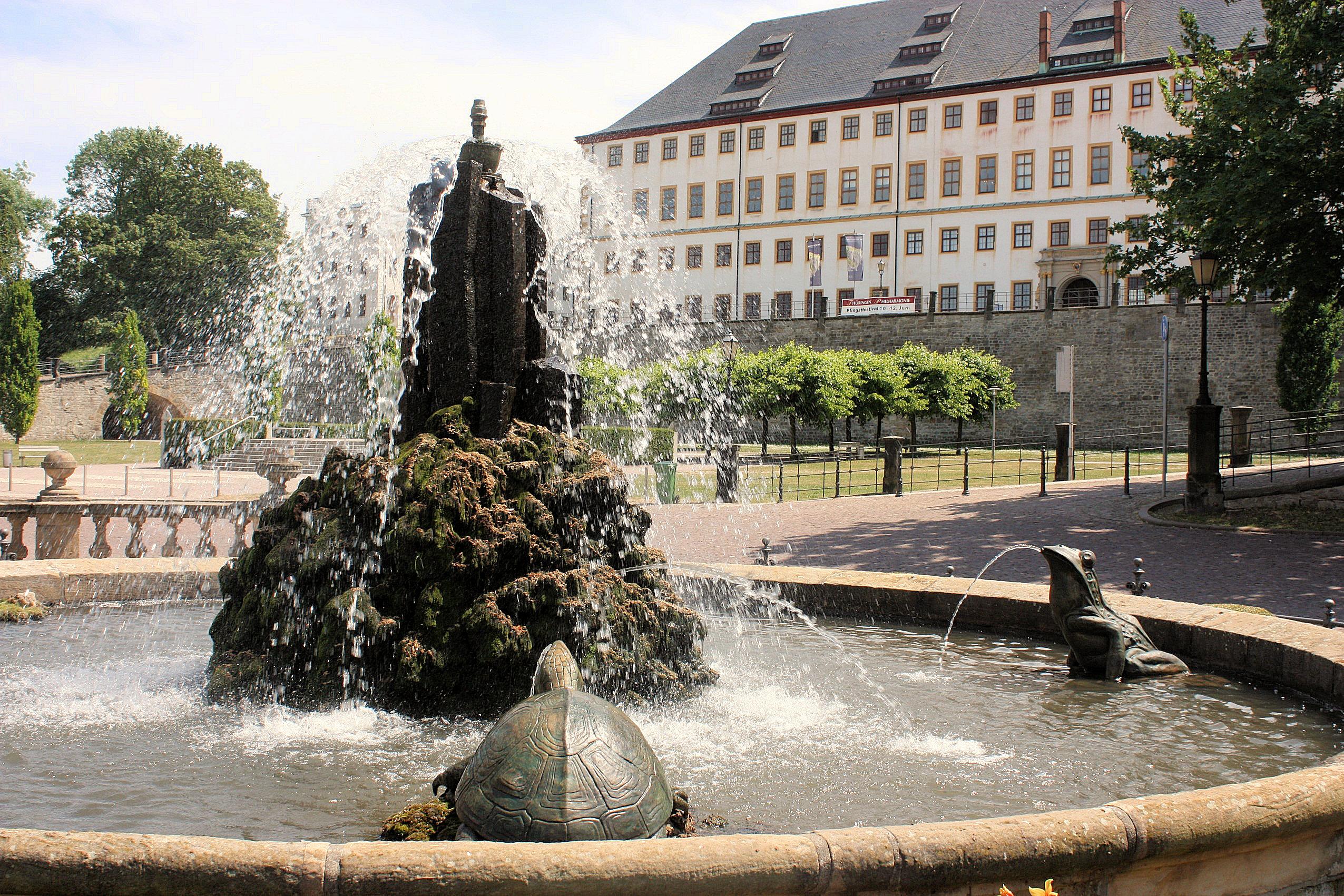
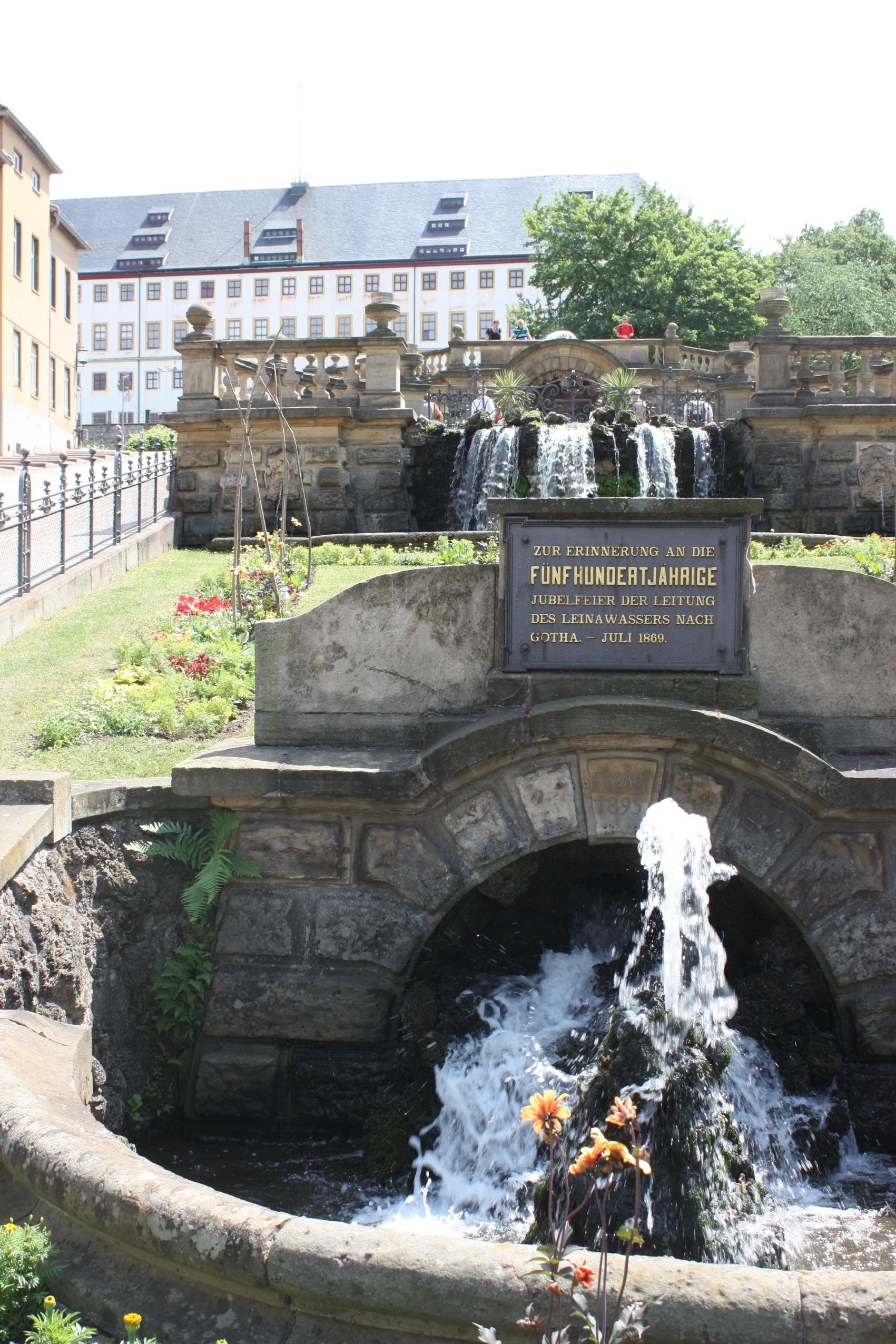
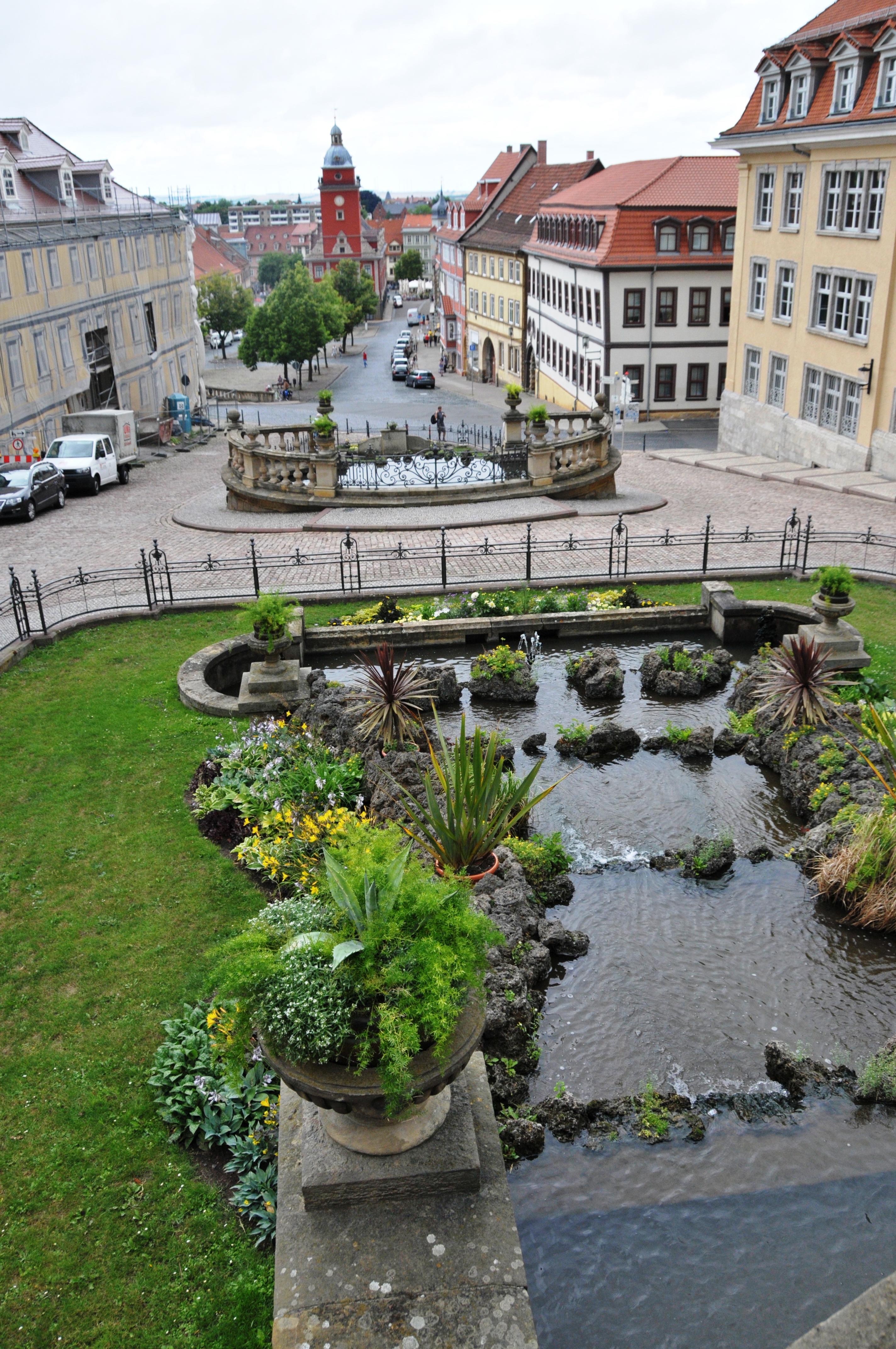
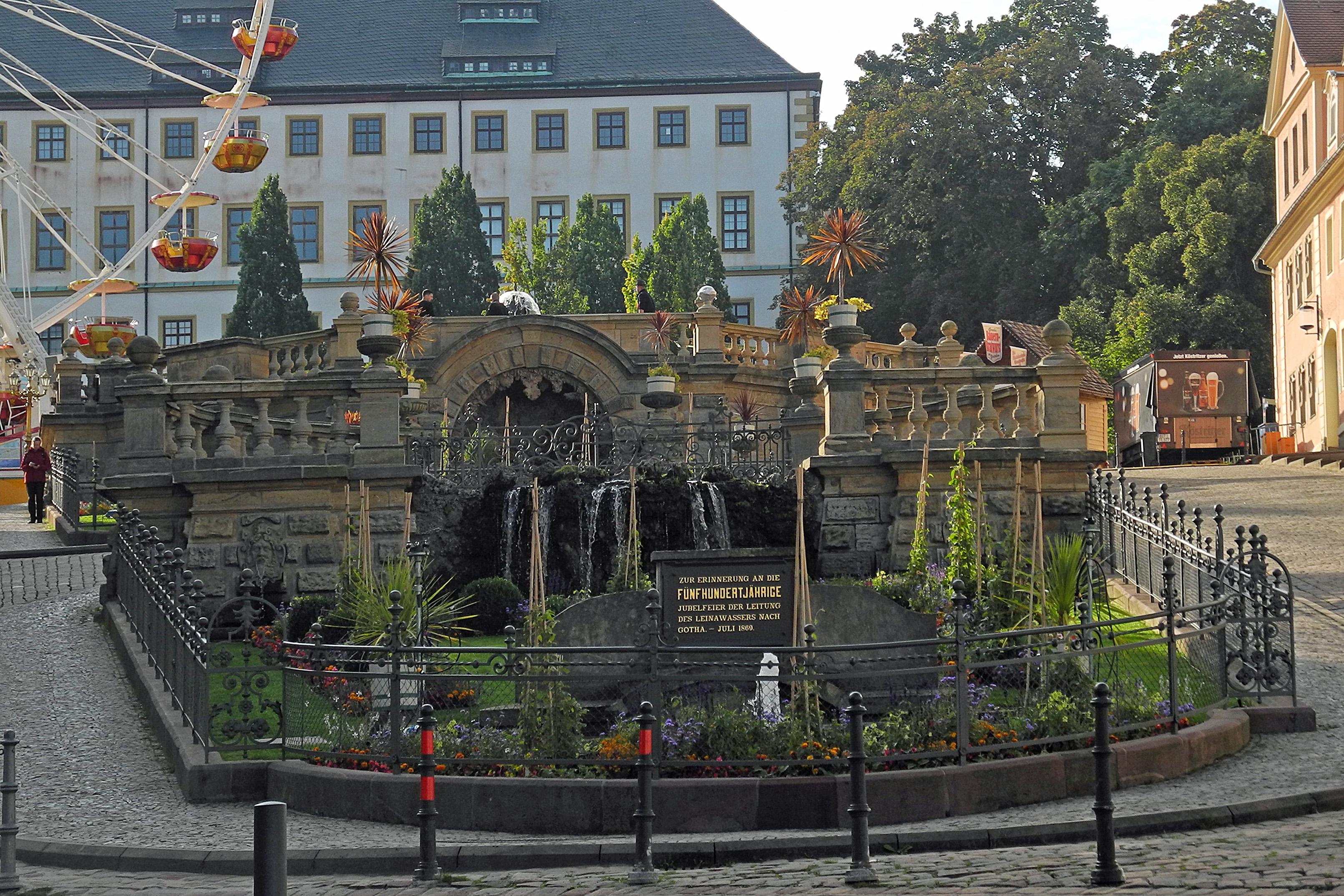
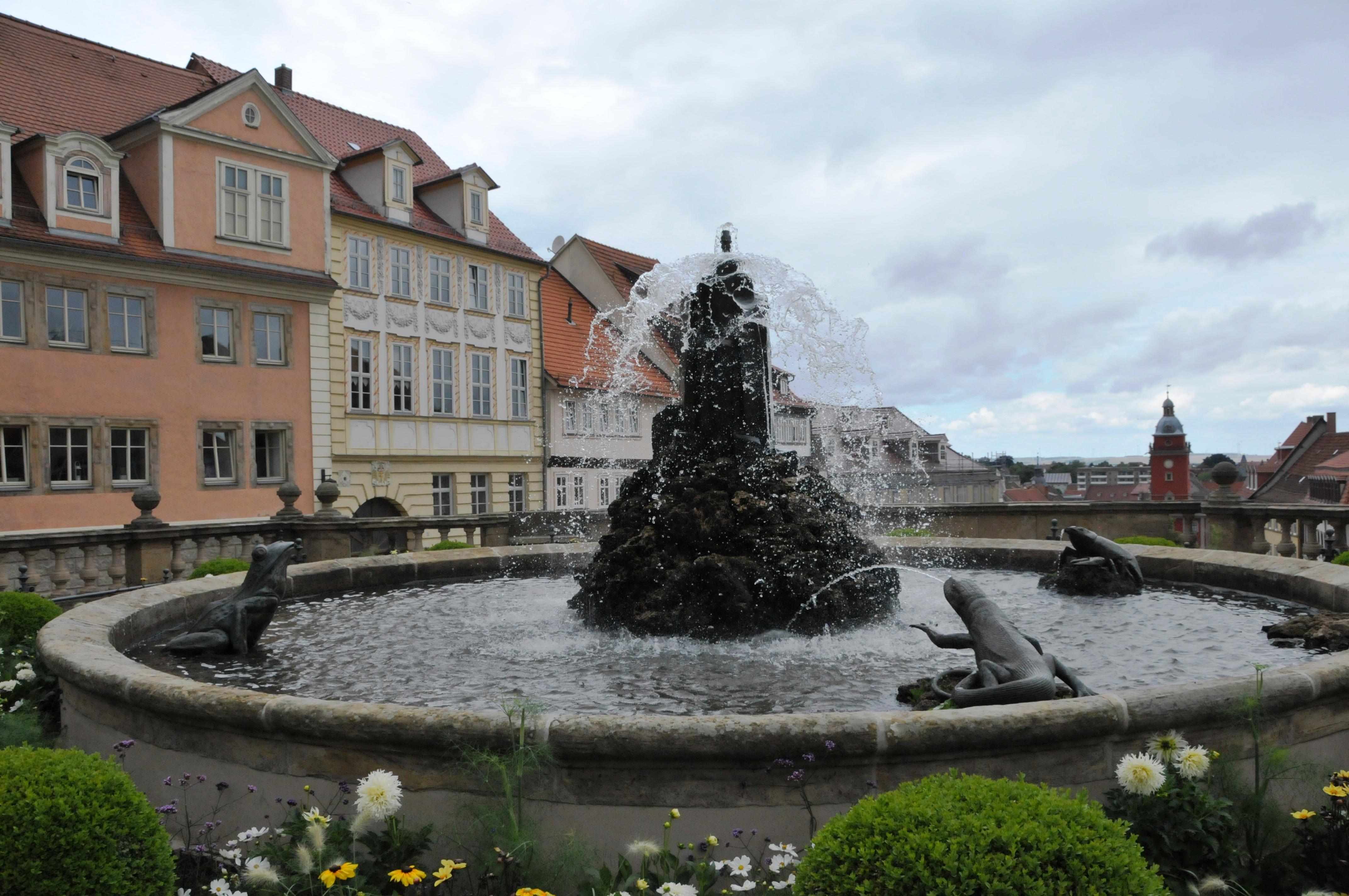
Wasserkunst presents a working water display of fountains, basins, and cascades arranged across stone terraces. Water moves over stone through connected basins. In Germany, this ensemble links the Leinakanal with the former Bergmühle and the Lucas-Cranach-Haus. The Leinakanal carried water from the Thuringian Forest. Fifteenth-century demand for water and fire protection led engineers to bring water through the canal. The old Bergmühle supplied its stones for construction. Hugo Mairich designed the new Wasserkunst in 1895, shaping the descending arrangement of fountains and pools. His redesign created the present water display. Beneath the Lucas-Cranach-Haus, a pump station and turbine drive water upward before it descends through fountains and cascades. The machinery also generated electricity for the site. A spring ceremony reconnects the flowing display with Gothardusfest and its local tradition. The spring ceremony marks the display’s return. Together, the terraces, pump system, and canal record a practical water network that became a public spectacle. Stone, water, and working machinery define the Wasserkunst.
- City
- Gotha
- Content updated
Take this page with you
The myTuur app is free, and once you are standing at a spot its story starts by itself.


Spots like this one are the stops myTuur strings into tours through Gotha. In the app, each story begins where you stand: walk up to a spot and it starts, read it on screen or listen as you go, then follow the route to the next one.
What is myTuur?
myTuur is a free city-guide app. Its tours are built from spots, and each spot carries a story that starts when you get there, to read or to listen to as you like.