معبدا أبو سمبل
Abu Simbel Temple rises from the desert beside Lake Nasser in southern Egypt, with four colossal seated figures facing the rising sun. Ramses II appears nearly twenty metres high, carved directly into the sandstone cliff. Smaller figures of Nefertari, Ramses’s mother, and his children stand between the giant statues’ legs and at their feet. Their scale meets a quiet desert horizon.
Inside, cooler air surrounds carved scenes of battles and offerings made more than three thousand years ago. The sanctuary holds four seated gods: Amun-Re, Re-Horakhty, Ptah, and Ramses II. Twice each year, sunlight travels through the temple to illuminate three figures, while Ptah remains in shadow. This alignment links royal power with the sun’s cycle and reveals precise astronomical knowledge.
Rising waters from Lake Nasser threatened the complex during the nineteen-sixties. Workers cut the temples into more than a thousand blocks and rebuilt them higher, preserving the chambers and their reliefs. From outside, the sandstone façade still seems to grow from the rock itself, while the statues’ calm faces look east across the desert.
- City
- Abu Simbel City
- Content updated
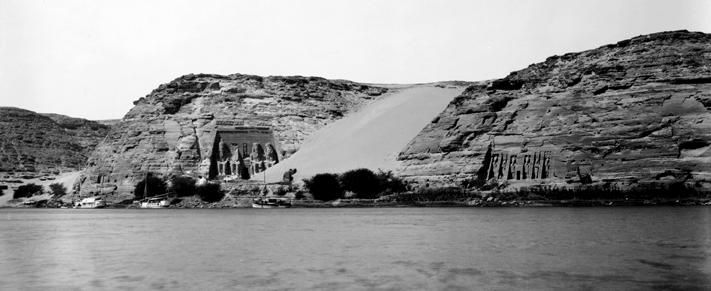
Image: THE 1905-1907 BREASTED EXPEDITIONS TO EGYPT AND THE SUDAN: A PHOTOGRAPHIC STUDYPublic domain 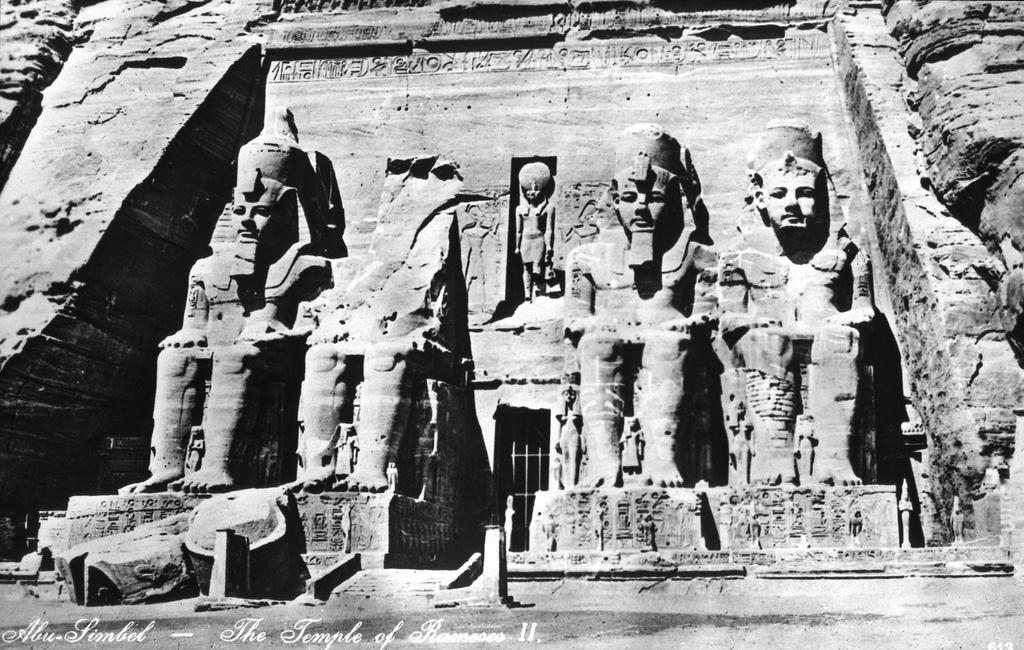
Image: William Henry Goodyear, Joseph Hawkes, and John McKecknieNo restrictions 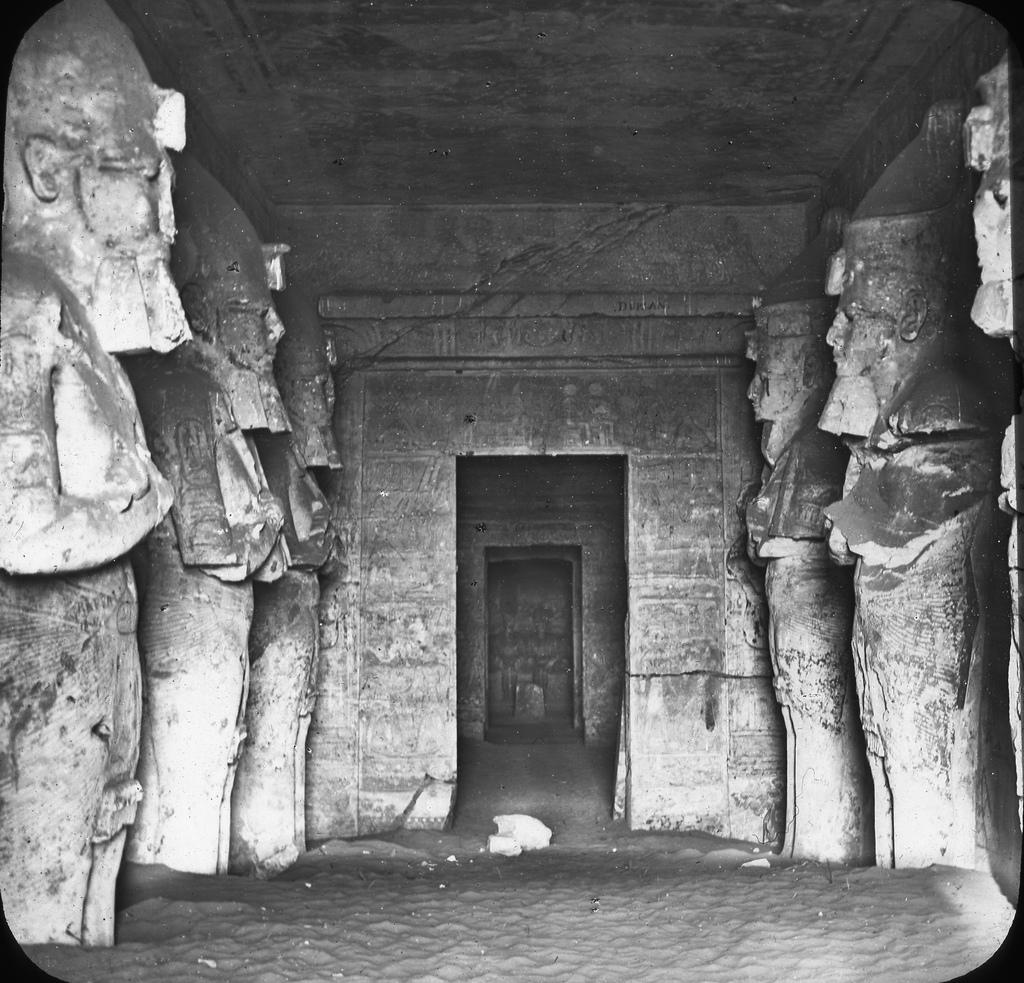
Image: William Henry Goodyear, Joseph Hawkes, and John McKecknieNo restrictions 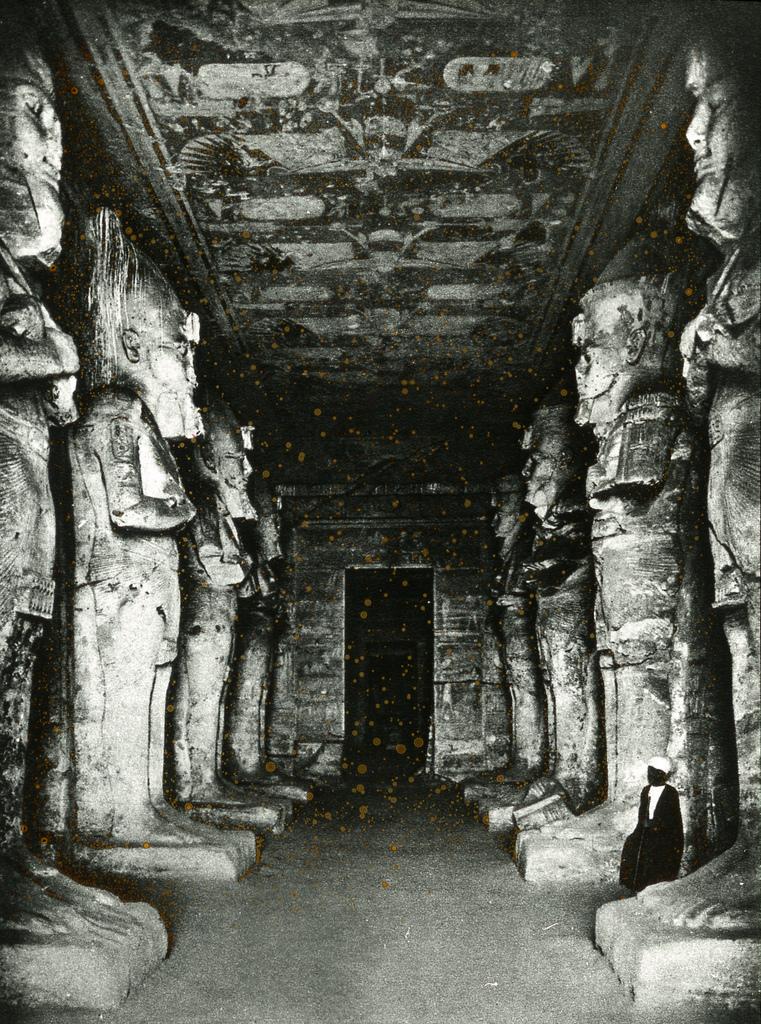
Image: William Henry Goodyear, Joseph Hawkes, and John McKecknieNo restrictions 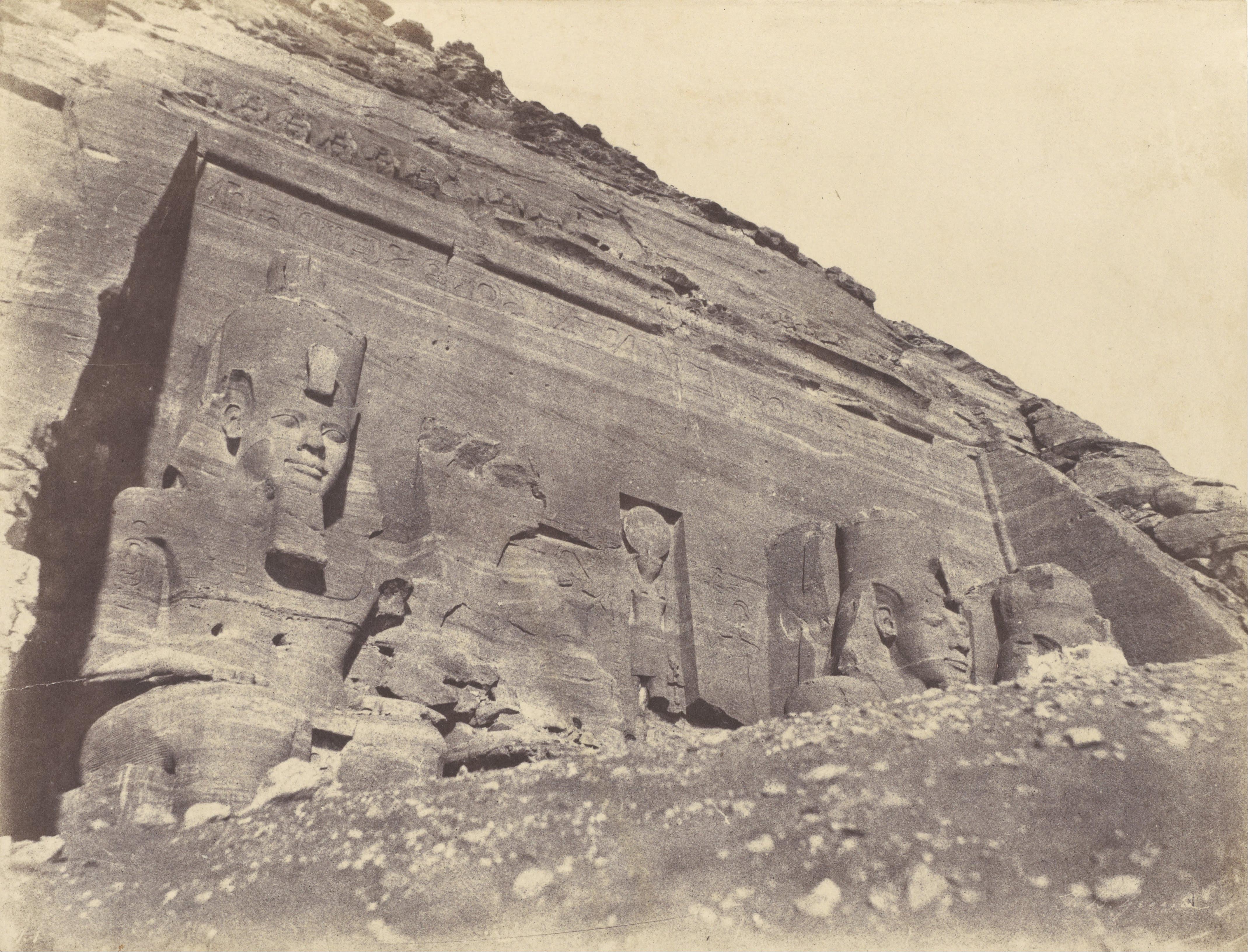
Image: John Beasly Greene (American, born France, 1832 - 1856) (1832 - 1856) – photographer (American), Details on Google Art ProjectPublic domain
Take this page with you
The myTuur app is free, and once you are standing at a spot its story starts by itself.


Spots like this one are the stops myTuur strings into tours through Abu Simbel City. In the app, each story begins where you stand: walk up to a spot and it starts, read it on screen or listen as you go, then follow the route to the next one.
What is myTuur?
myTuur is a free city-guide app. Its tours are built from spots, and each spot carries a story that starts when you get there, to read or to listen to as you like.