Stūra māja
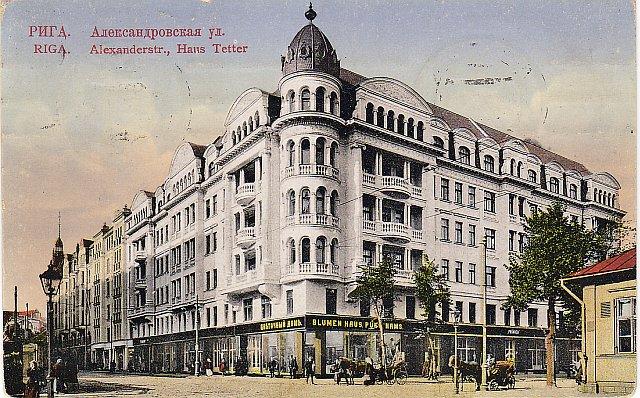
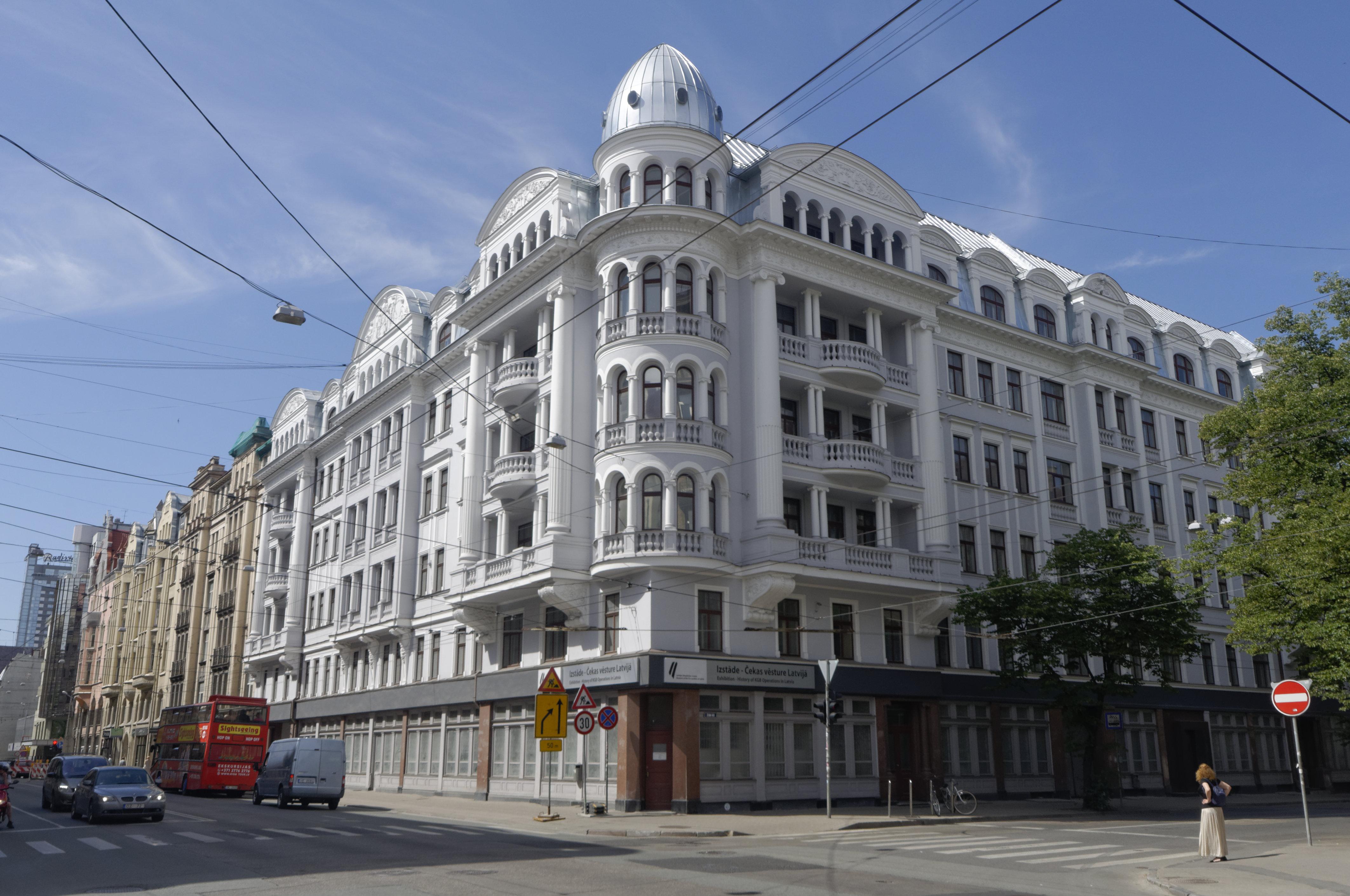
Stūra māja stands in Riga as an architectural landmark shaped by the city’s turbulent twentieth century. Aleksandrs Vanags designed the building, whose construction began in 1910 and finished in 1912. Apartments and shops originally filled the building, alongside a music school, library, bookshop, and pharmacy.
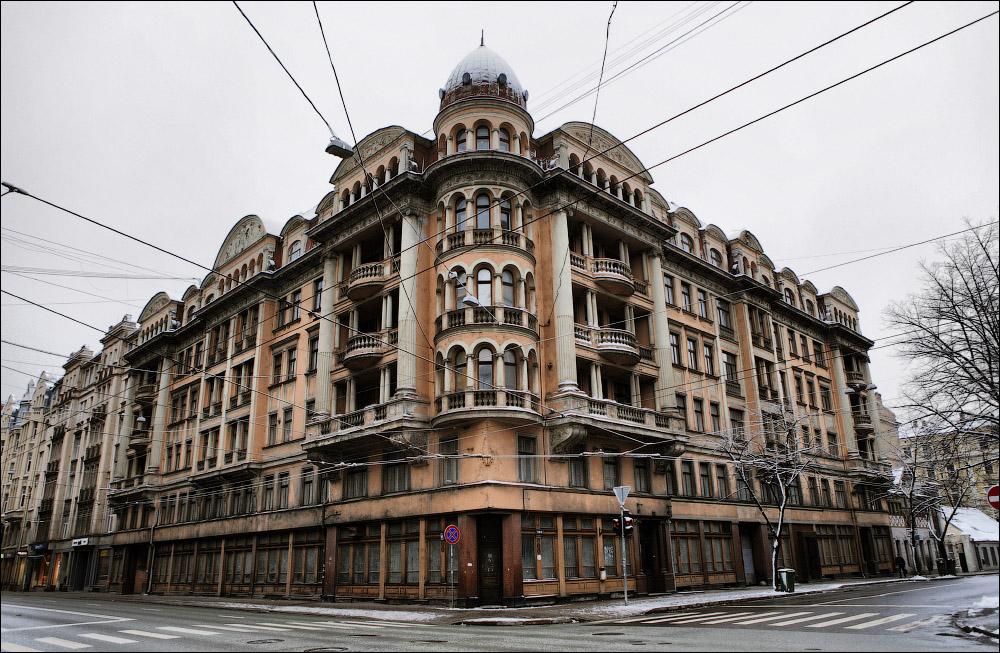
After Latvia became independent in 1920, government offices moved inside, including the Ministry of the Interior and the State Statistical Bureau. The Soviet KGB converted the building into its Latvian headquarters in 1940 and added prison cells. German occupation forces used it from 1941, before the KGB returned in 1944 and remained until 1991.
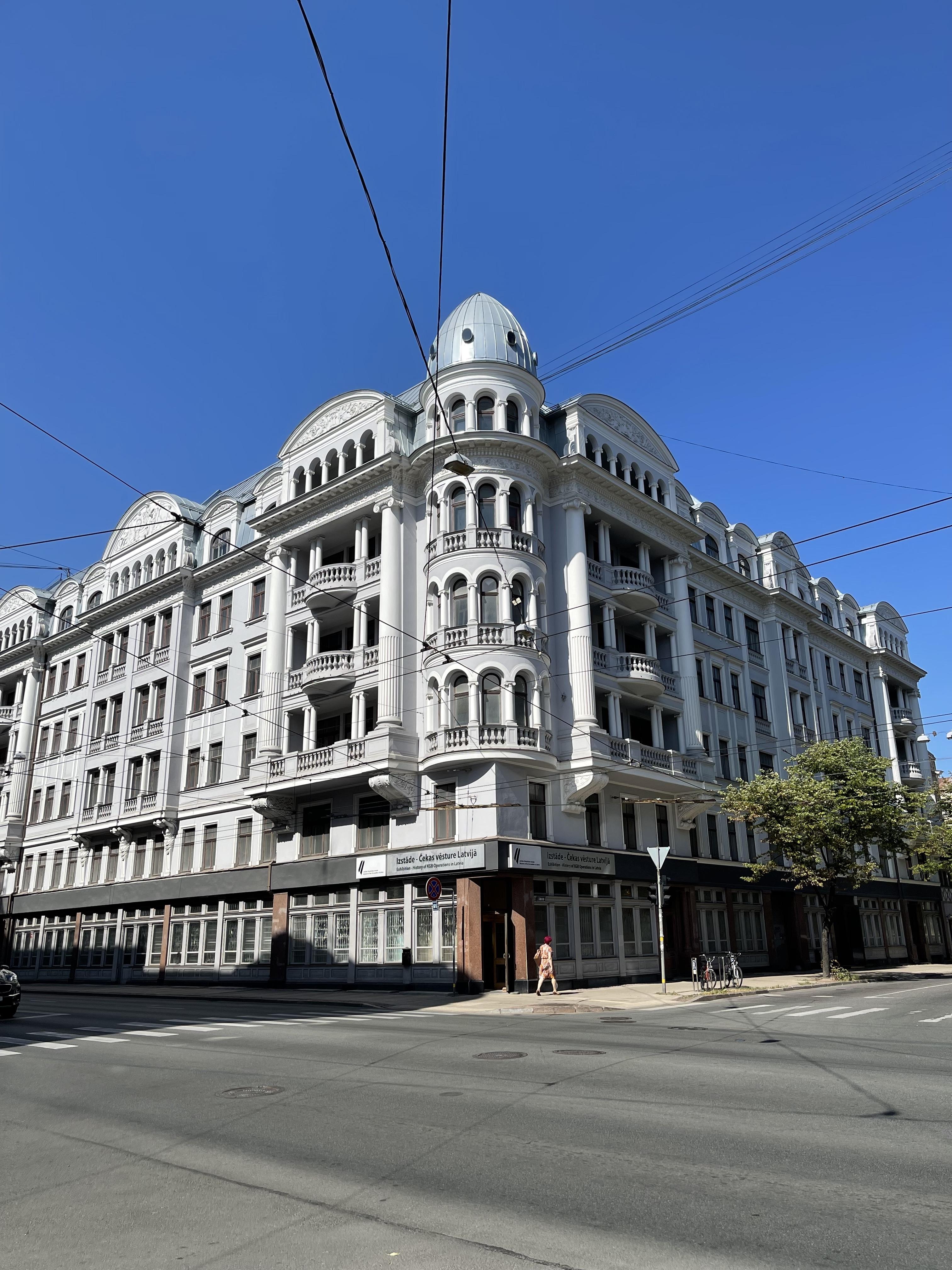
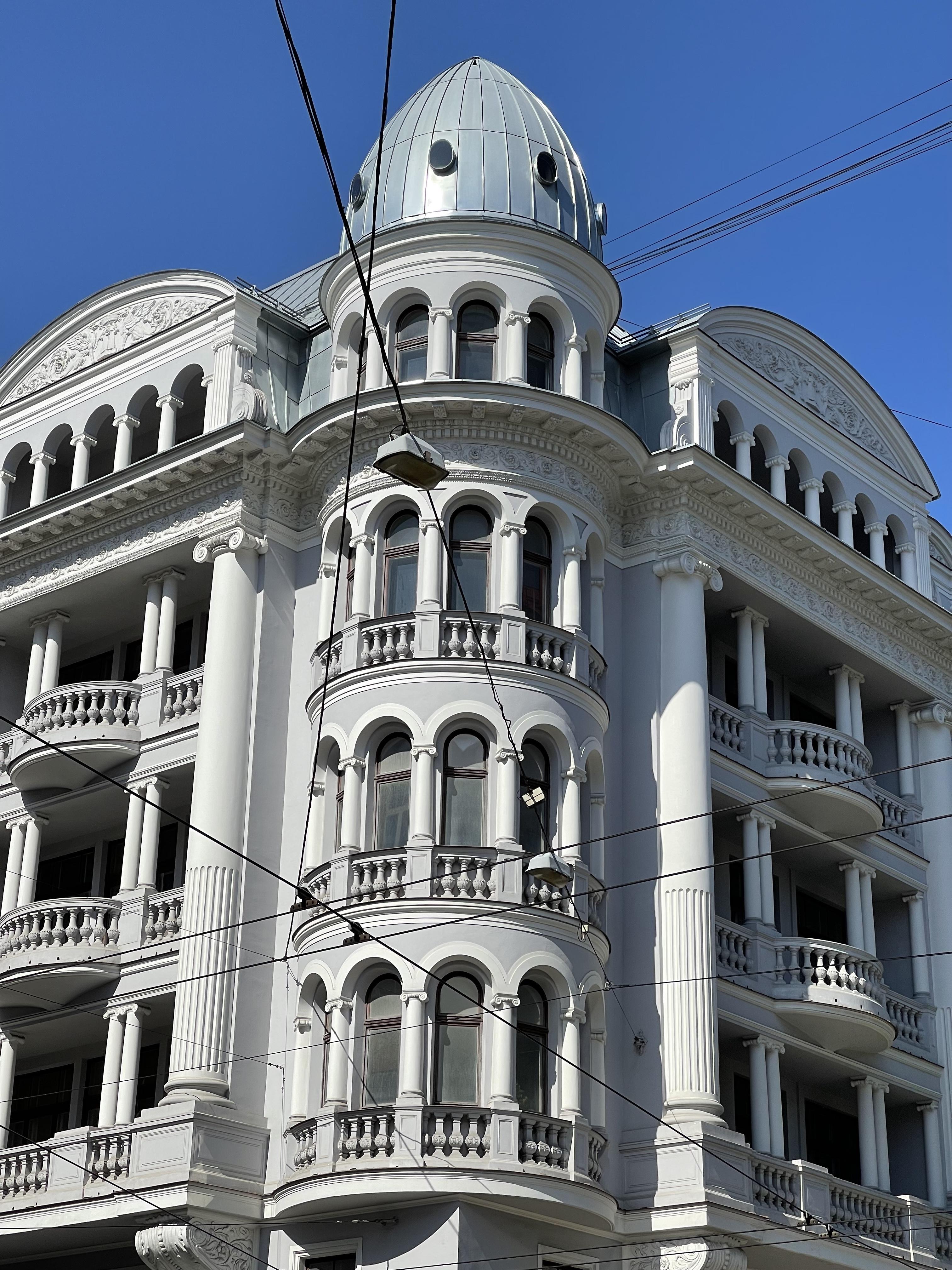
The Museum of the Occupation of Latvia now presents exhibitions about these chapters and the KGB period. A renovated façade marks the building’s public face, while its rooms recall Riga’s changing civic, political, and cultural life.
- City
- Riga
- Content updated
Take this page with you
The myTuur app is free, and once you are standing at a spot its story starts by itself.


Spots like this one are the stops myTuur strings into tours through Riga. In the app, each story begins where you stand: walk up to a spot and it starts, read it on screen or listen as you go, then follow the route to the next one.
What is myTuur?
myTuur is a free city-guide app. Its tours are built from spots, and each spot carries a story that starts when you get there, to read or to listen to as you like.