Pils laukums
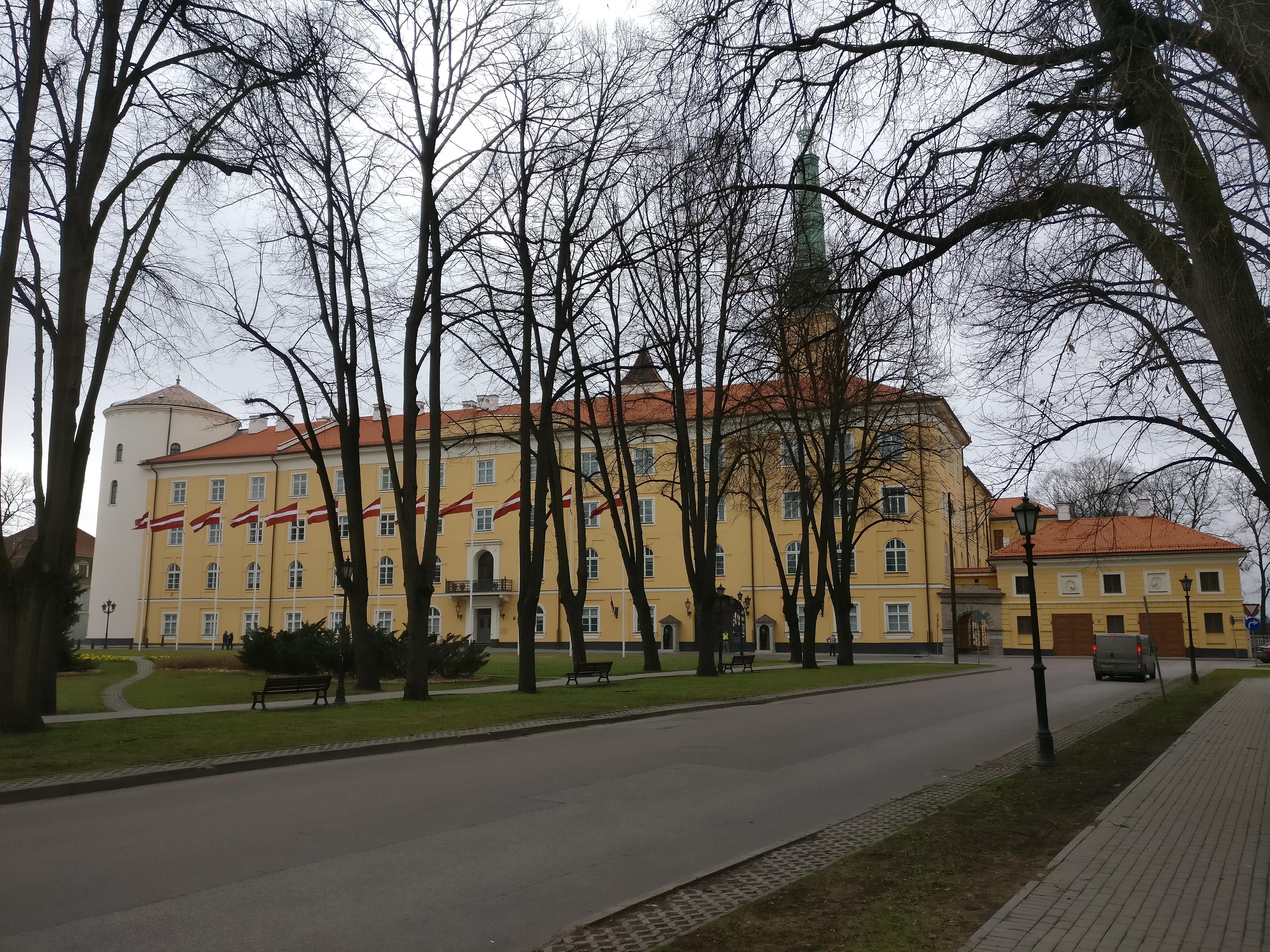
Pils laukums lies beside Riga Castle in the heart of Riga, surrounded by buildings from several centuries. The Bank of Latvia building dates from 1902 to 1905. Nearby, the former Riga Imperial Lyceum dates from 1785 to 1787, while the former Peterburga hotel dates from 1788. Our Lady of Sorrows Church began in 1784 to 1785 and gained its present form after a nineteenth-century rebuilding.
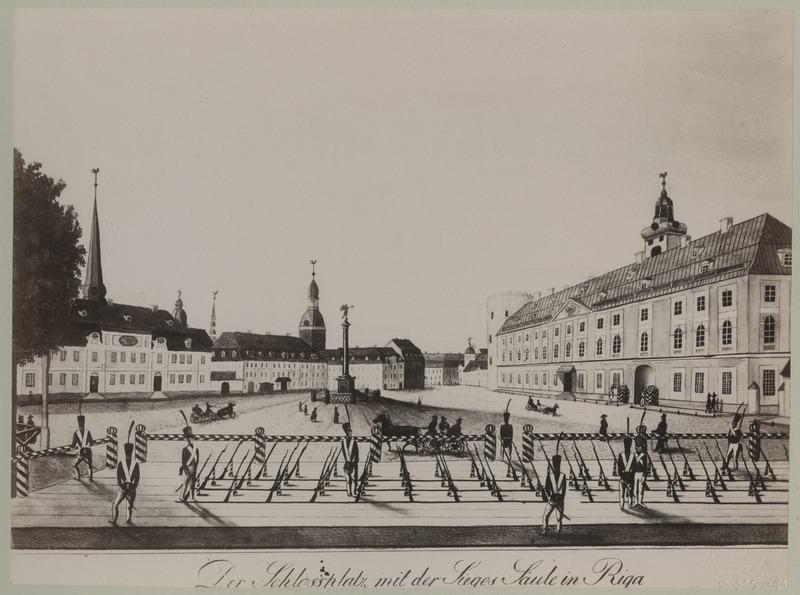
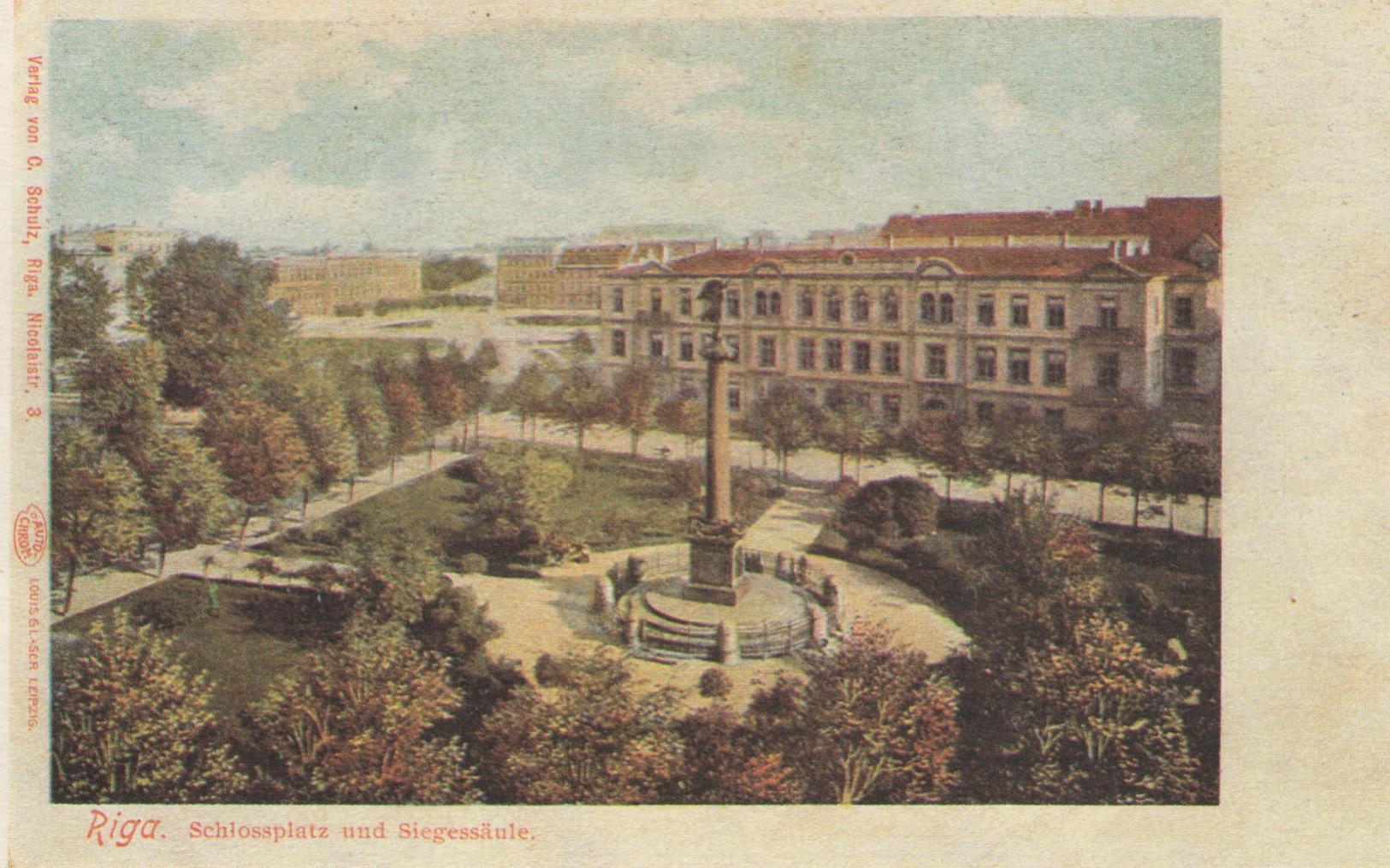
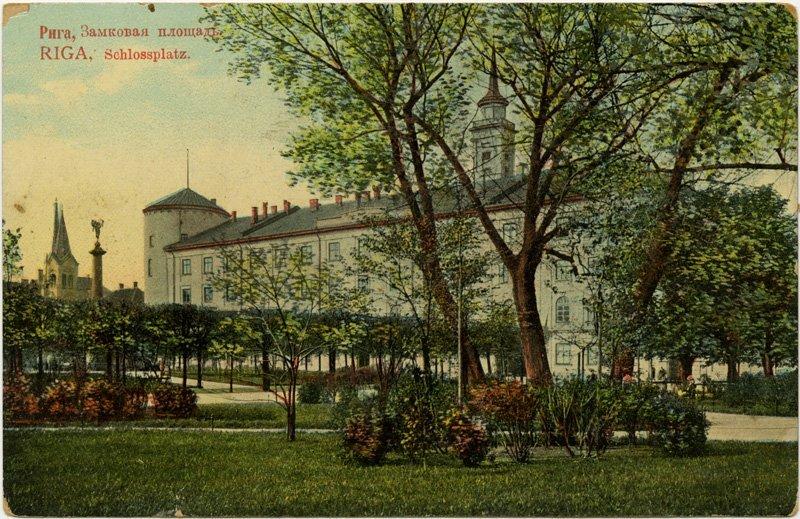
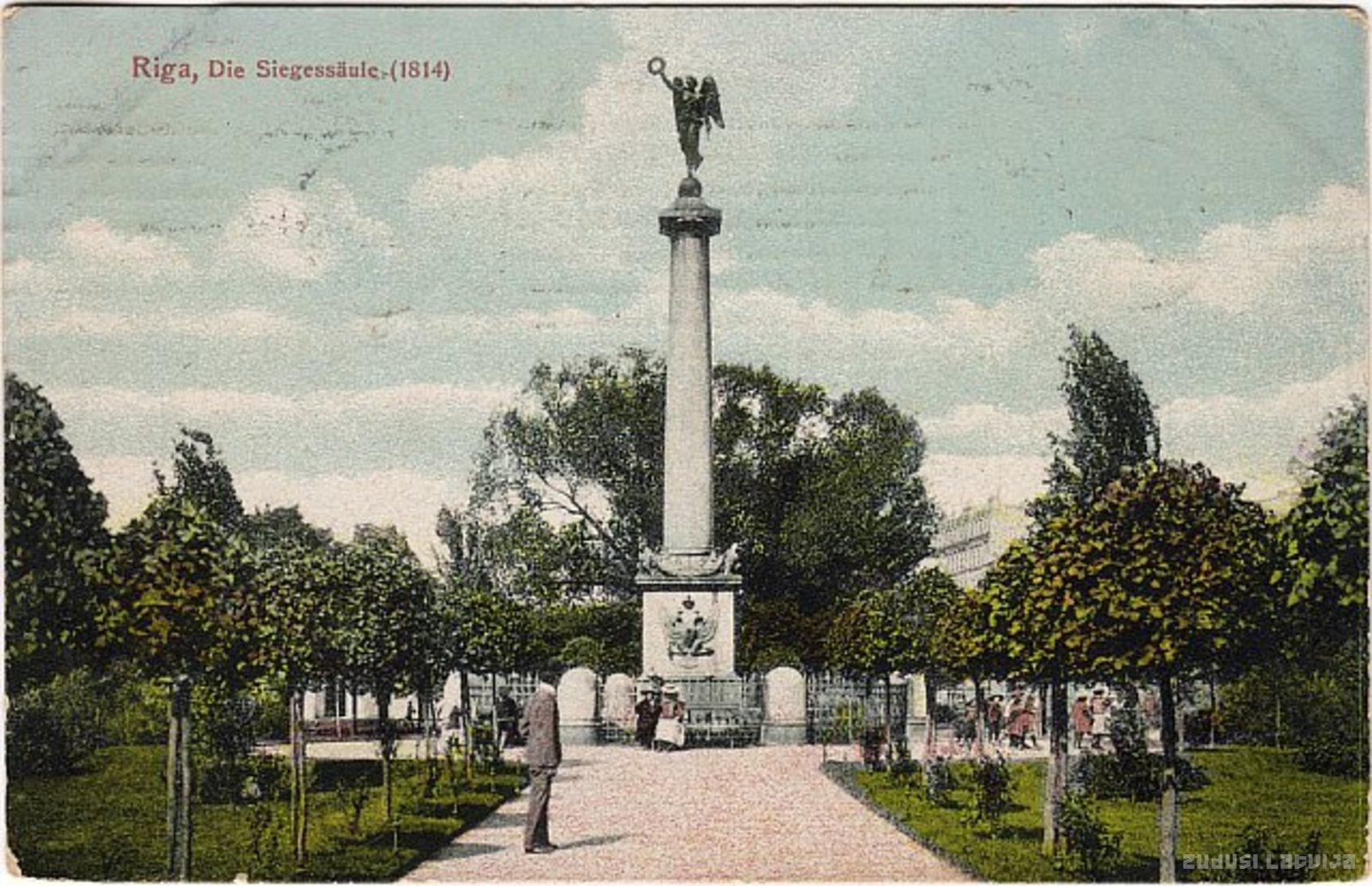
Until the sixteenth century, the site formed part of Riga Castle’s defensive moat. The moat was filled in during 1783. Military drills and events then shaped its use as Parade Square, before cultural gatherings, markets, and festivals brought new activity. In 1817, Giacomo Quarenghi designed a Finnish-granite Victory Column for the centre, crowned by a goddess holding a palm and laurel wreath. The column was removed in 1938 after its bronze details disappeared during the First World War.
Georg Kuphaldt designed the surrounding landscaping during his years as Riga’s city garden director. Nearby sights include the National History Museum of Latvia, Arsenāls, St Jacob’s Cathedral, and the Three Brothers. Cafes, restaurants, and craft stalls add everyday life around the historic buildings. The square’s changing monuments and names trace Riga’s shifting political history in one compact city setting.
- City
- Riga
- Content updated
Take this page with you
The myTuur app is free, and once you are standing at a spot its story starts by itself.


Spots like this one are the stops myTuur strings into tours through Riga. In the app, each story begins where you stand: walk up to a spot and it starts, read it on screen or listen as you go, then follow the route to the next one.
What is myTuur?
myTuur is a free city-guide app. Its tours are built from spots, and each spot carries a story that starts when you get there, to read or to listen to as you like.