Daugavgrīvas cietoksnis
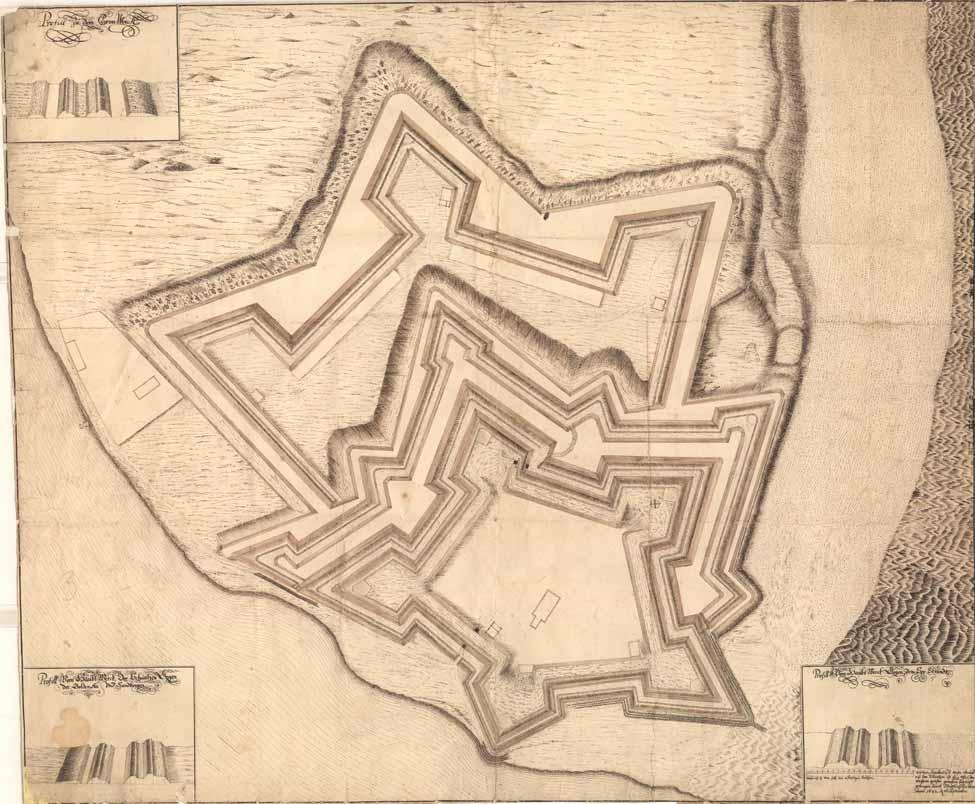
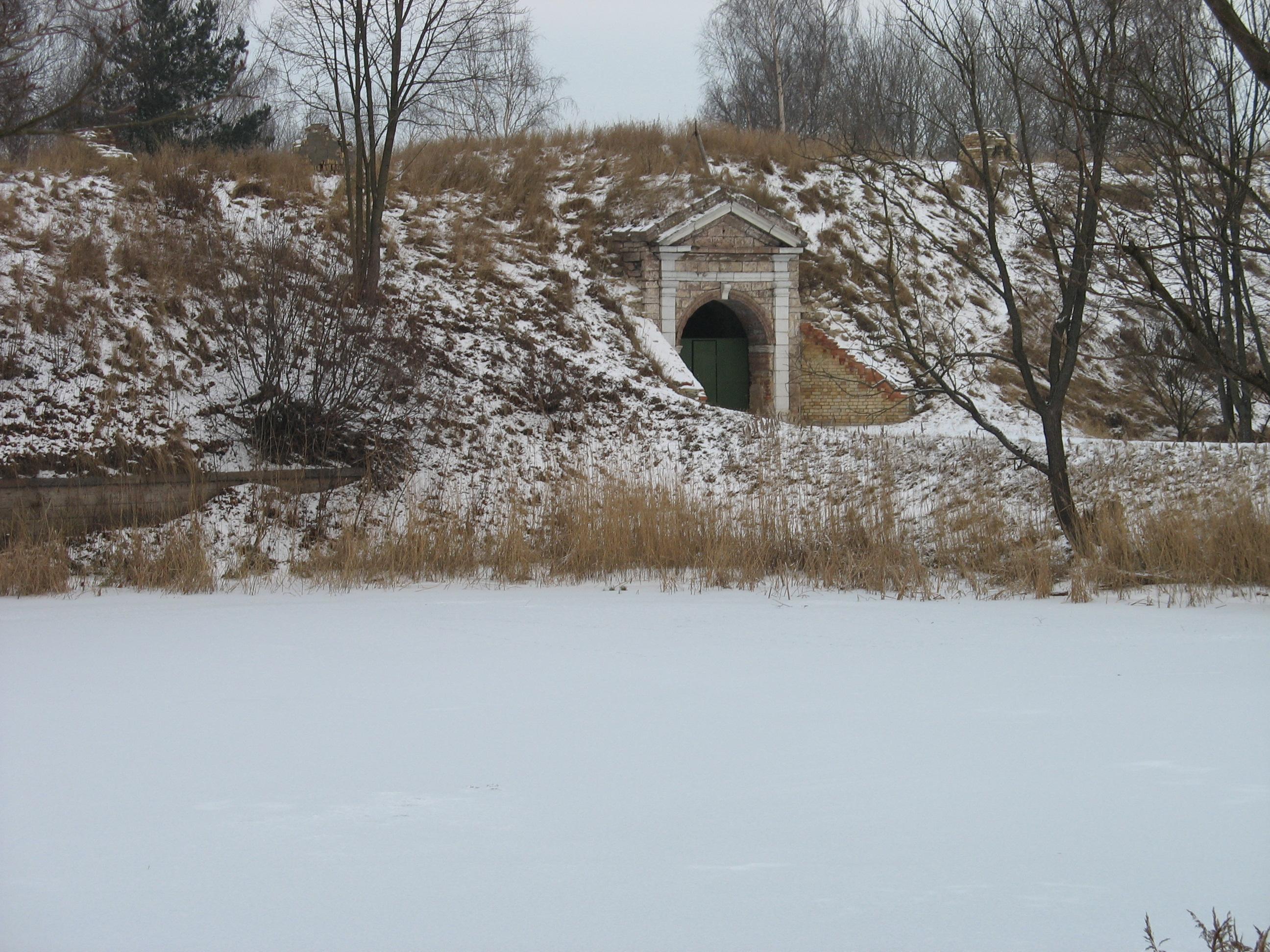
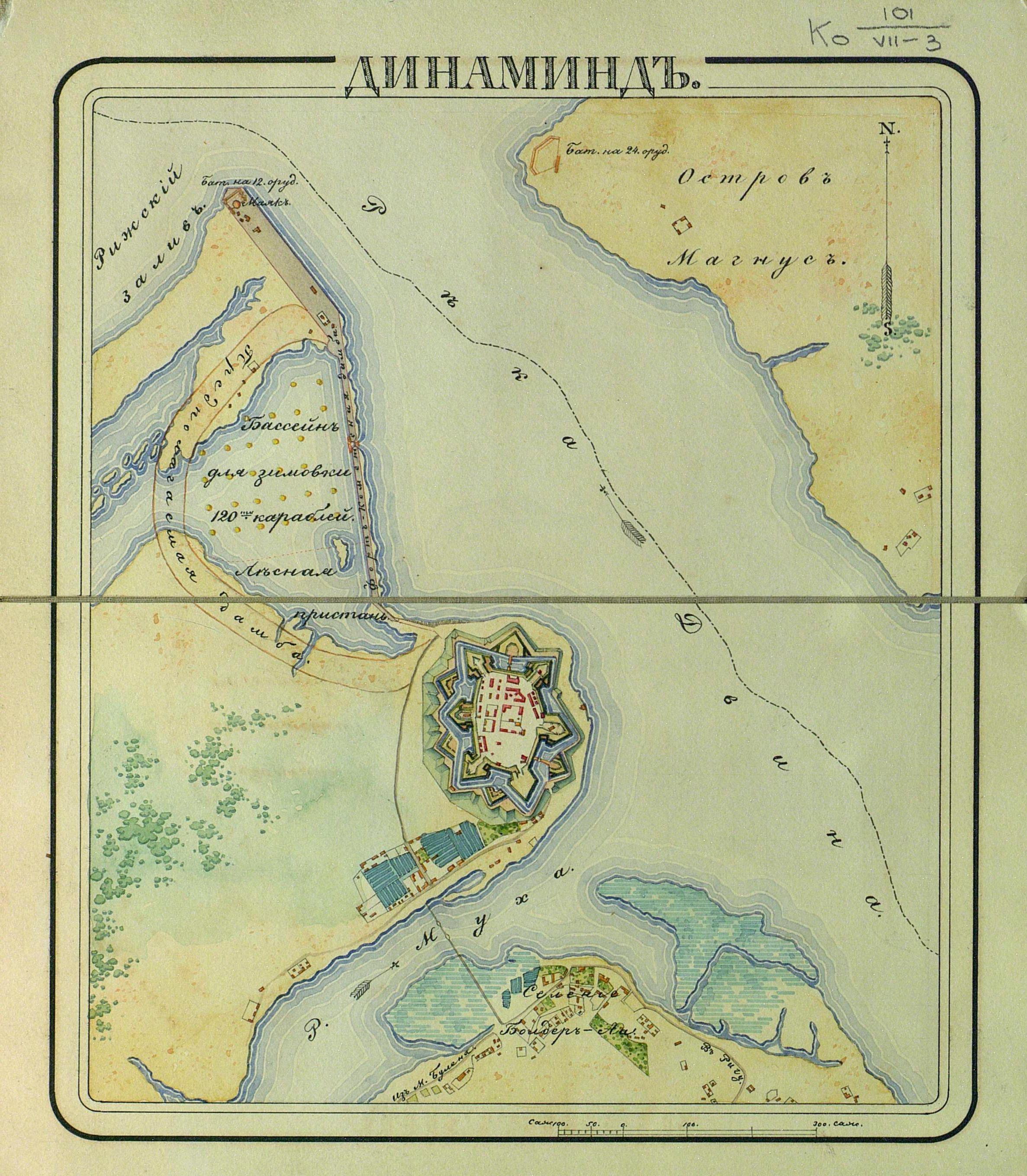
Daugavgrīva Fortress stands near the mouth of the Buļļupe, where this branch meets the Daugava beside Riga. Seventeenth-century ramparts, earthen defences and surviving military structures show a stronghold shaped by rivers, war and changing borders.
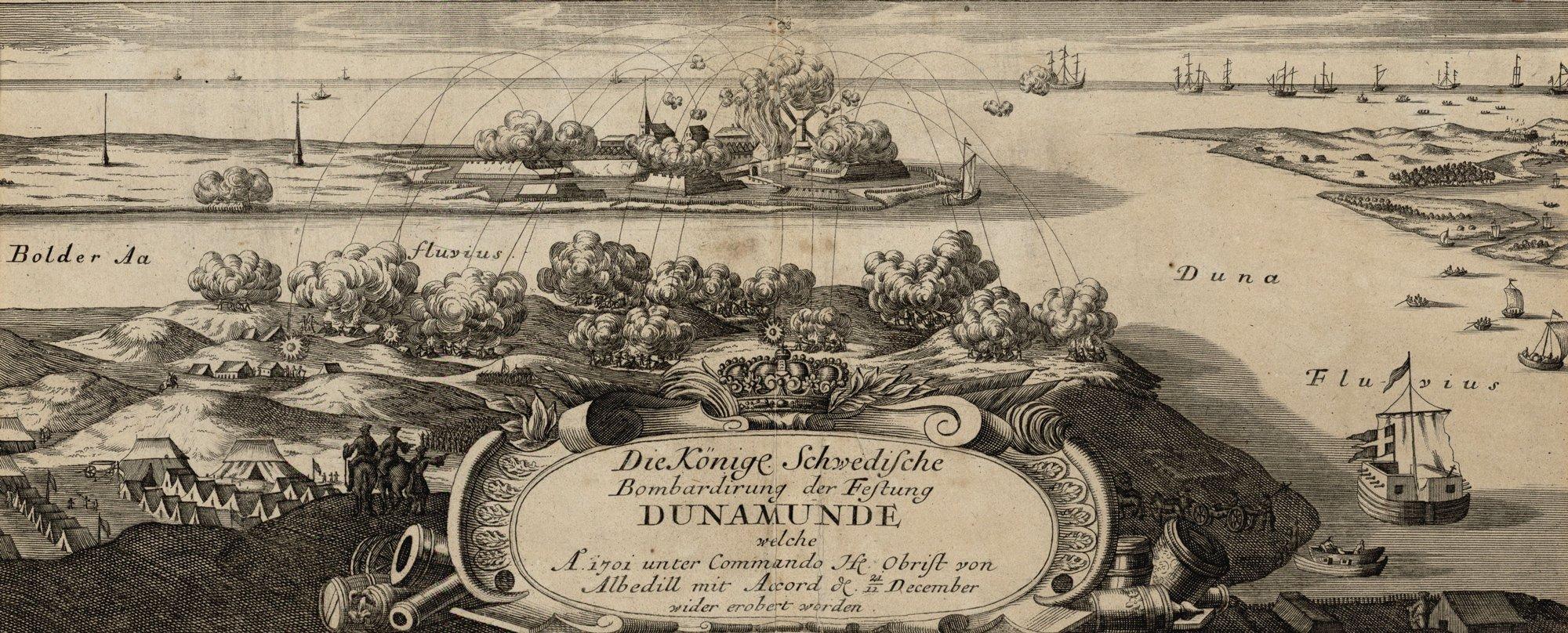
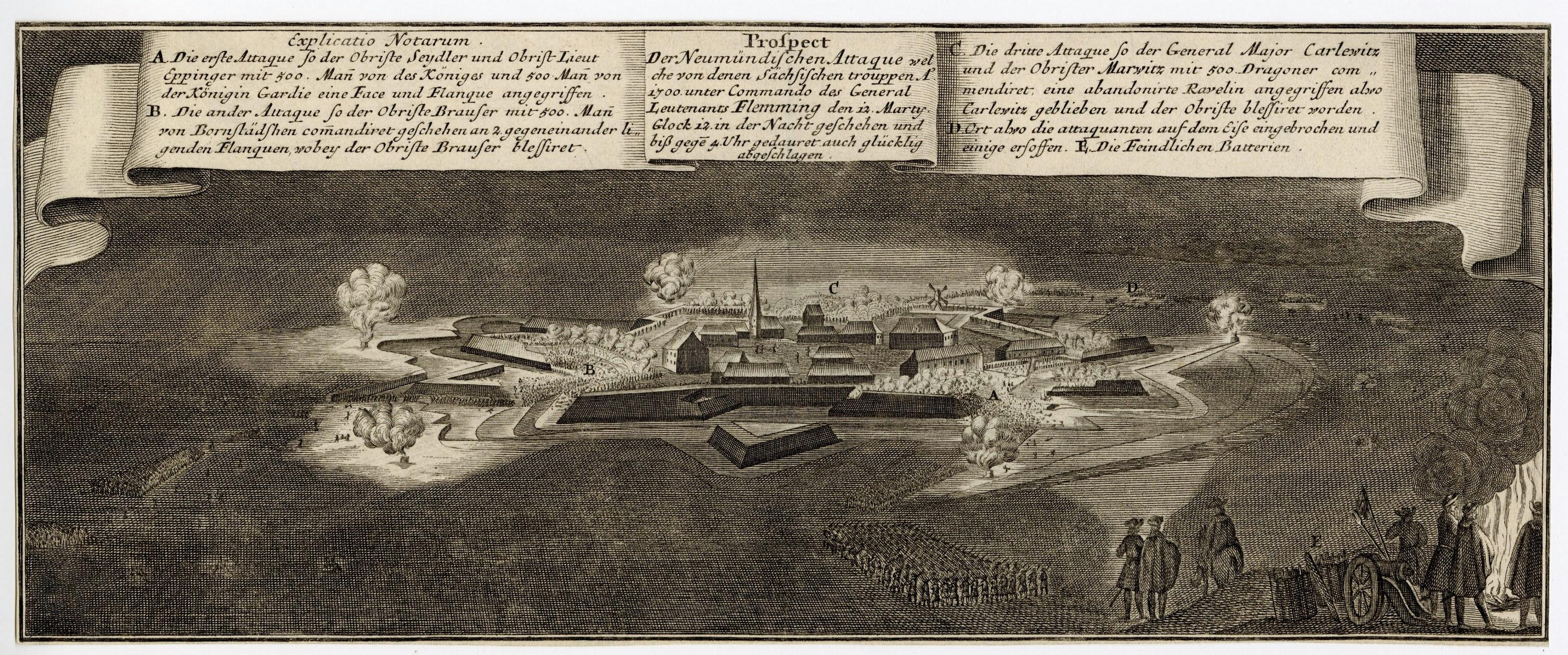
Swedish forces began the present fortress in 1608, during the struggle for Livonia, while stones from the older Dünamünde fortress later helped build it across the river. Polish, Swedish, Saxon, Russian, German and Soviet authorities successively controlled the site, which served as a coastal defence, Riga’s winter port and a base for Latvian troops. In 1915, the First Daugavgrīva Latvian Riflemen Battalion formed here, before the fortress endured bombing and further twentieth-century military use.
Today, the Latvian national monument includes the Komētforts area and lies near a seaside nature park, with Mangaļsala across the Daugava. Since 2016, the Kometa arts and culture festival has brought performances and gatherings into the historic fortifications. A particularly human detail remains connected to the site: Bible translator Johann Ernst Glück lived here from 1680 to 1683.
- City
- Riga
- Content updated
Take this page with you
The myTuur app is free, and once you are standing at a spot its story starts by itself.


Spots like this one are the stops myTuur strings into tours through Riga. In the app, each story begins where you stand: walk up to a spot and it starts, read it on screen or listen as you go, then follow the route to the next one.
What is myTuur?
myTuur is a free city-guide app. Its tours are built from spots, and each spot carries a story that starts when you get there, to read or to listen to as you like.