Predigerwitwenhaus
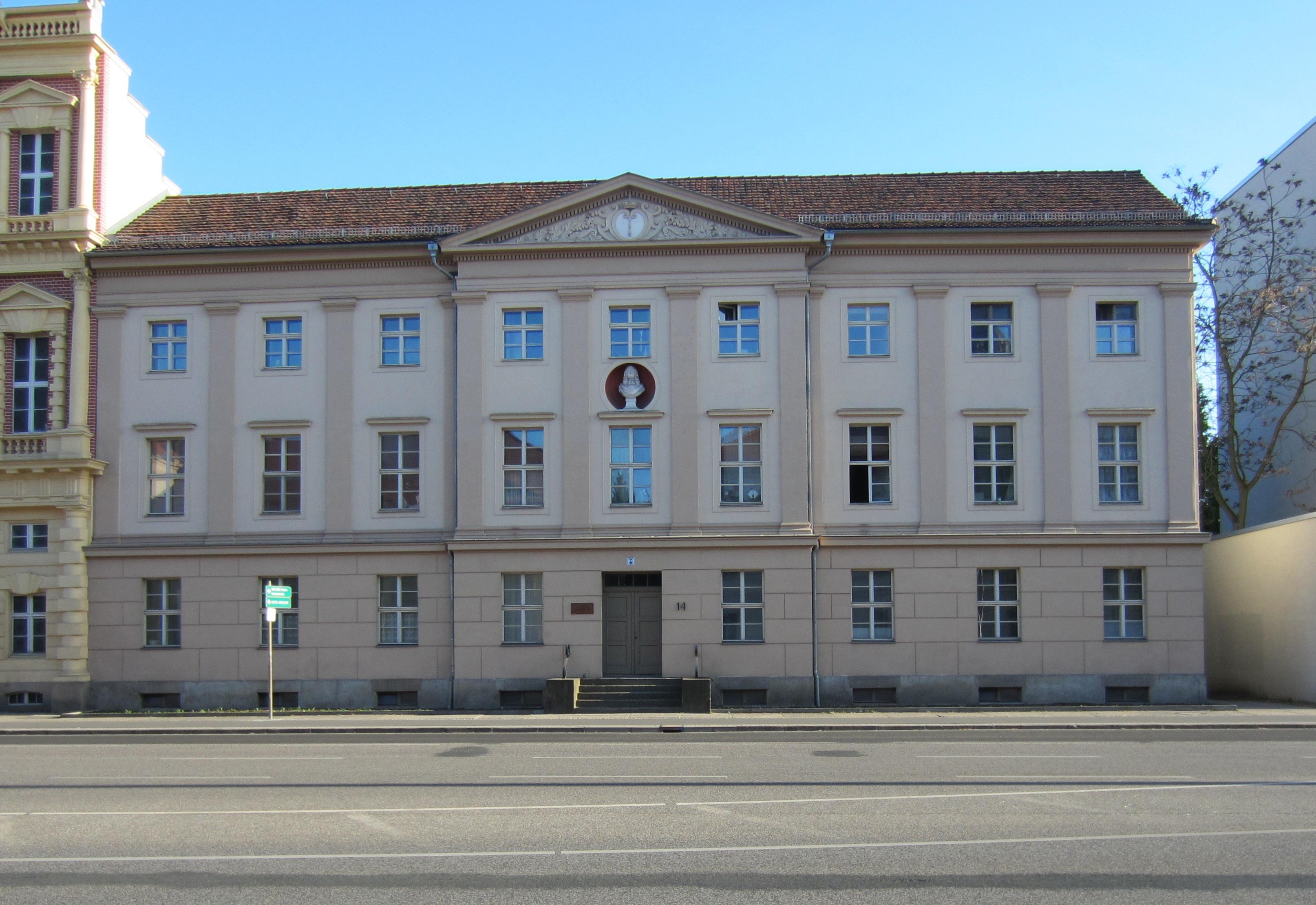
Predigerwitwenhaus stands in northern Potsdam city centre as a heritage-protected building with a long architectural and social history. Its origins reach back to Electress Dorothea and a residence for widows and orphans. The original foundation served families of Reformed preachers and school staff, linking the building to Potsdam’s religious and educational life. Moisture damage later led to rebuilding in classicist forms. Completed in 1827, the present structure features a nine-axis plaster façade, three storeys, and a gabled roof. Rustication marks the ground floor, while pilasters divide the upper storeys. A triangular pediment crowns the central risalit, preserving leaf ornaments and Frederick William’s insignia from the earlier building. A bust of the Great Elector occupies a round niche. Its design history includes Johann Gregor Memhardt, Carl Wilhelm Redtel, and advice from Karl Friedrich Schinkel. Daniel Ernst Jablonski also belonged to the building’s story as a theologian and academy co-founder. The house remained a widows’ residence until 2006. Predigerwitwenhaus connects Potsdam’s classicist architecture with the social history of its residents.
- City
- Potsdam
- Content updated
Take this page with you
The myTuur app is free, and once you are standing at a spot its story starts by itself.


Spots like this one are the stops myTuur strings into tours through Potsdam. In the app, each story begins where you stand: walk up to a spot and it starts, read it on screen or listen as you go, then follow the route to the next one.
What is myTuur?
myTuur is a free city-guide app. Its tours are built from spots, and each spot carries a story that starts when you get there, to read or to listen to as you like.