Lepsiushaus Potsdam
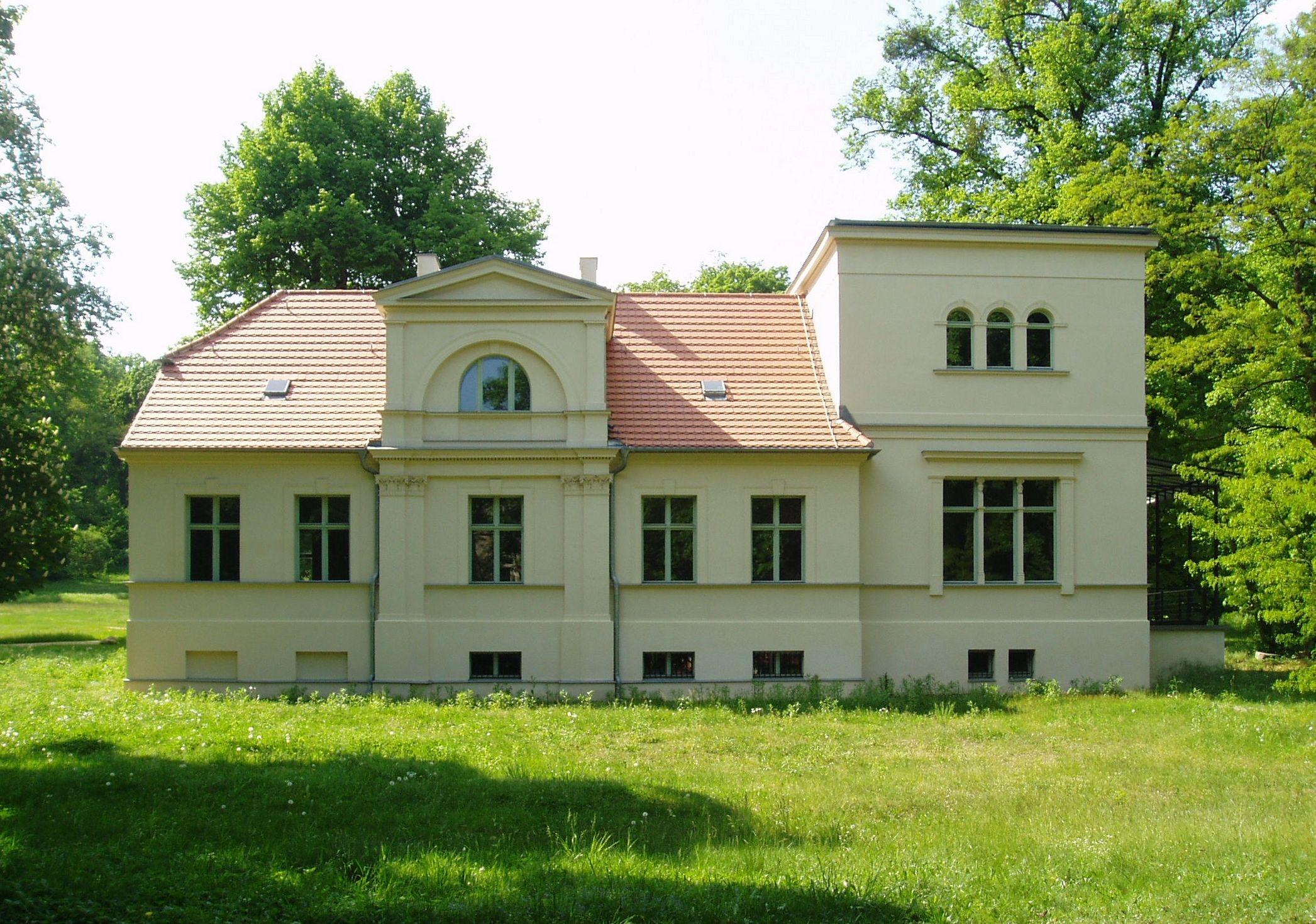
Lepsiushaus Potsdam stands in the Pfingstberg residential area of Potsdam, Germany, as a house museum within a historic park ensemble. The building presents the life and work of Johannes Lepsius, a German humanist, philosopher, historian, theologian, and Armenian human-rights activist. Its surroundings include a park designed by Gustav Meyer in 1872 for banker Henkel, an important part of Potsdam’s garden landscape.
The house began as the Weinmeisterhaus for Johann Gottfried Zeising, who managed a vineyard here from 1772. A vaulted cellar from around 1800 survives, while later changes added a two-storey annex, veranda, and pergola. Lepsius lived here from 1908 to 1926, linking the rooms to his work supporting Armenians across Turkey, Iran, the Balkans, Syria, and Lebanon. After abandonment and deterioration during the Cold War, restoration began in 1998 with public and private support, and the building opened in 2011 as a research centre for genocide studies.
The centre examines genocide and encourages civil courage through the history preserved inside these walls. In the park, Roland Stelter’s marble sculpture Civil Courage became a memorial to Lepsius in 2015.
- City
- Potsdam
- Content updated
Take this page with you
The myTuur app is free, and once you are standing at a spot its story starts by itself.


Spots like this one are the stops myTuur strings into tours through Potsdam. In the app, each story begins where you stand: walk up to a spot and it starts, read it on screen or listen as you go, then follow the route to the next one.
What is myTuur?
myTuur is a free city-guide app. Its tours are built from spots, and each spot carries a story that starts when you get there, to read or to listen to as you like.