Monolitten
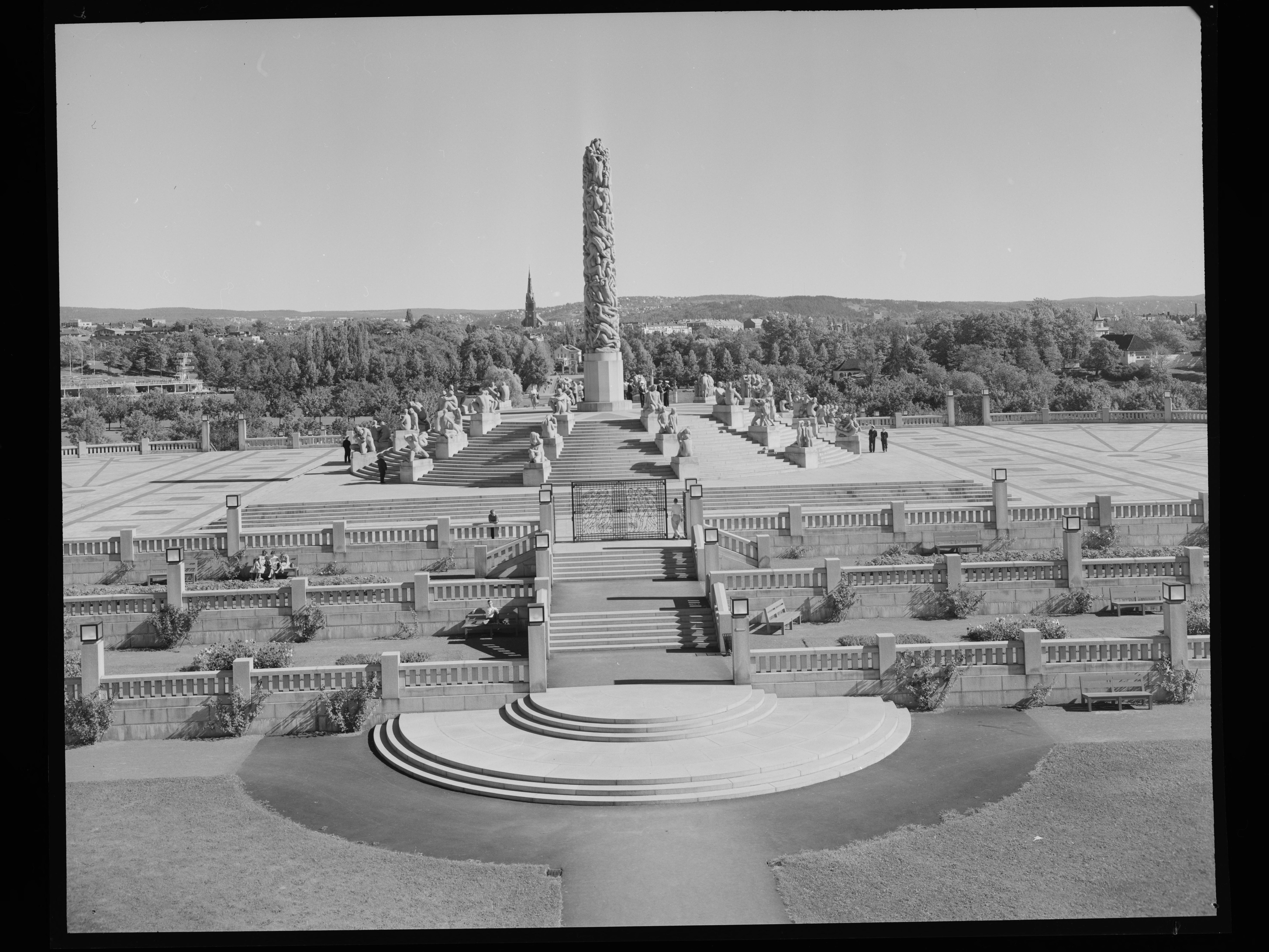
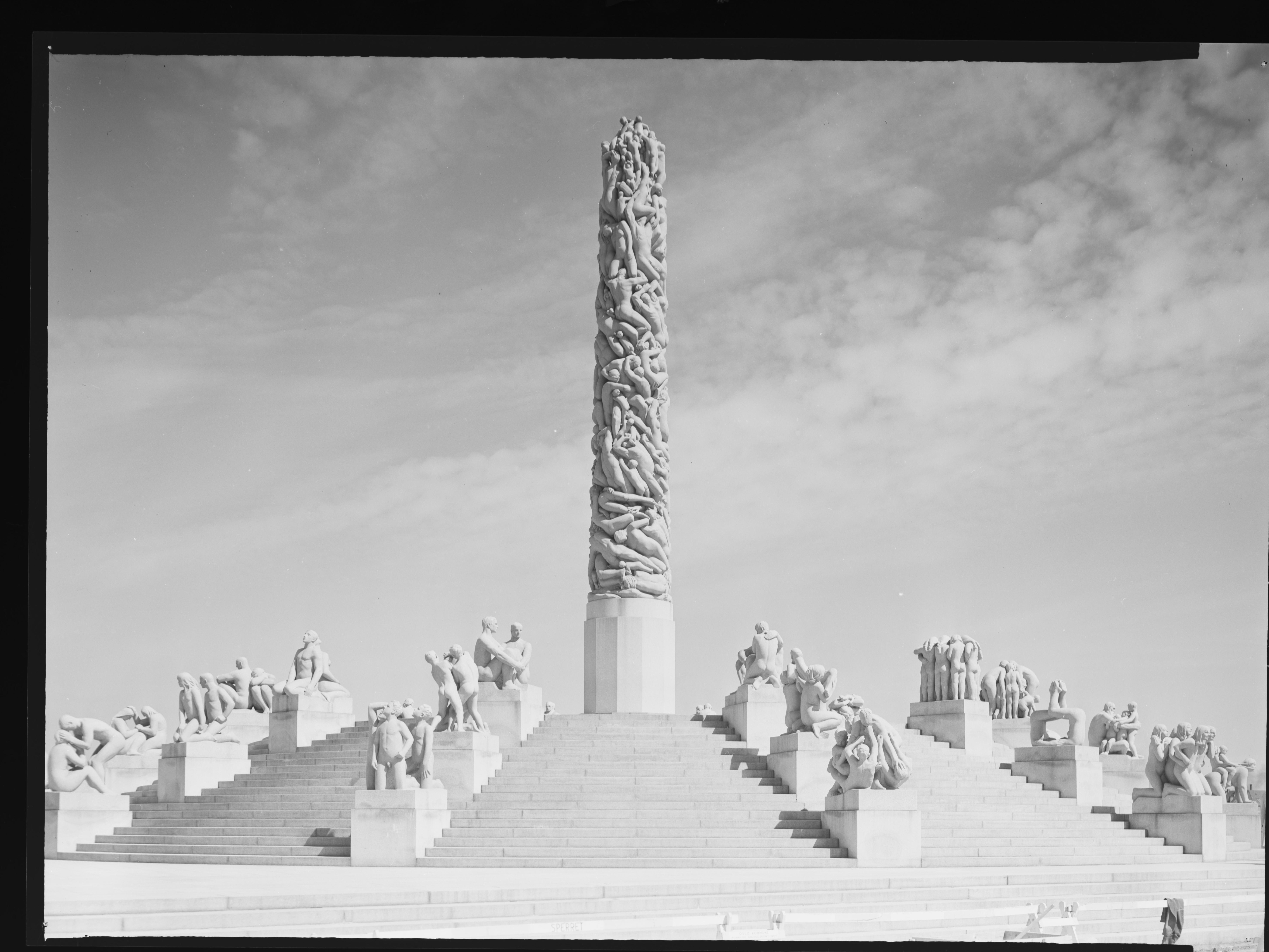
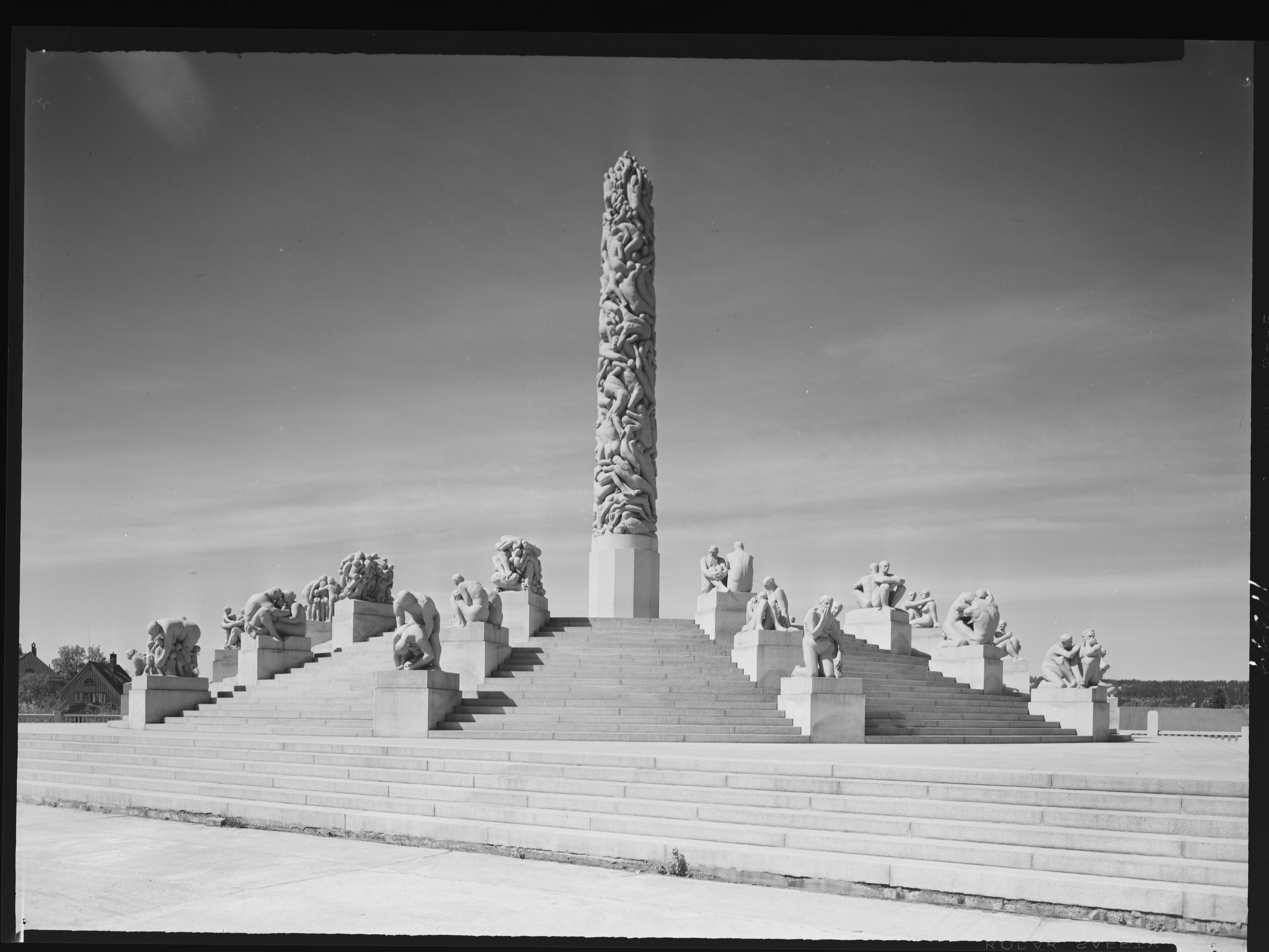
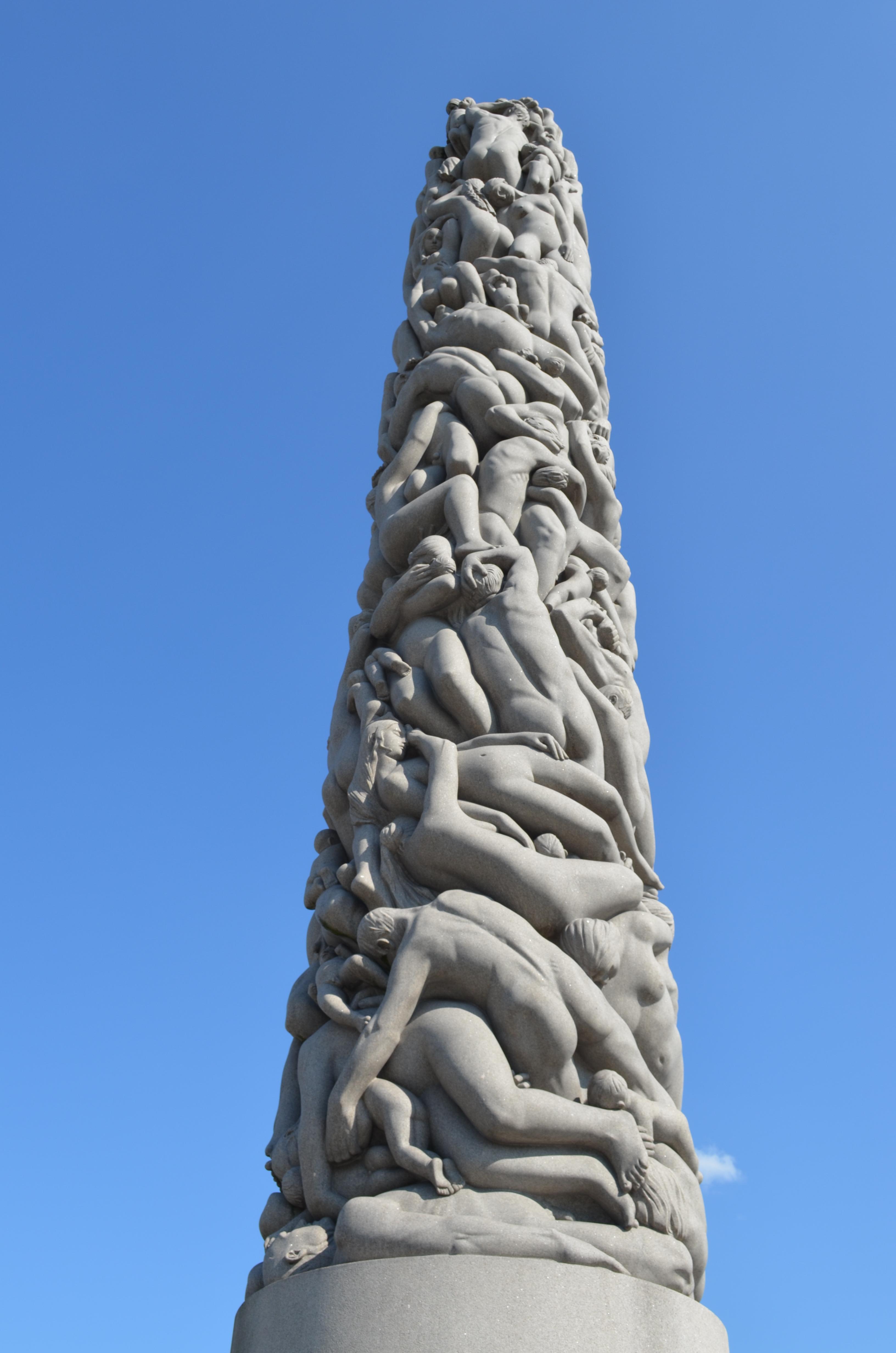
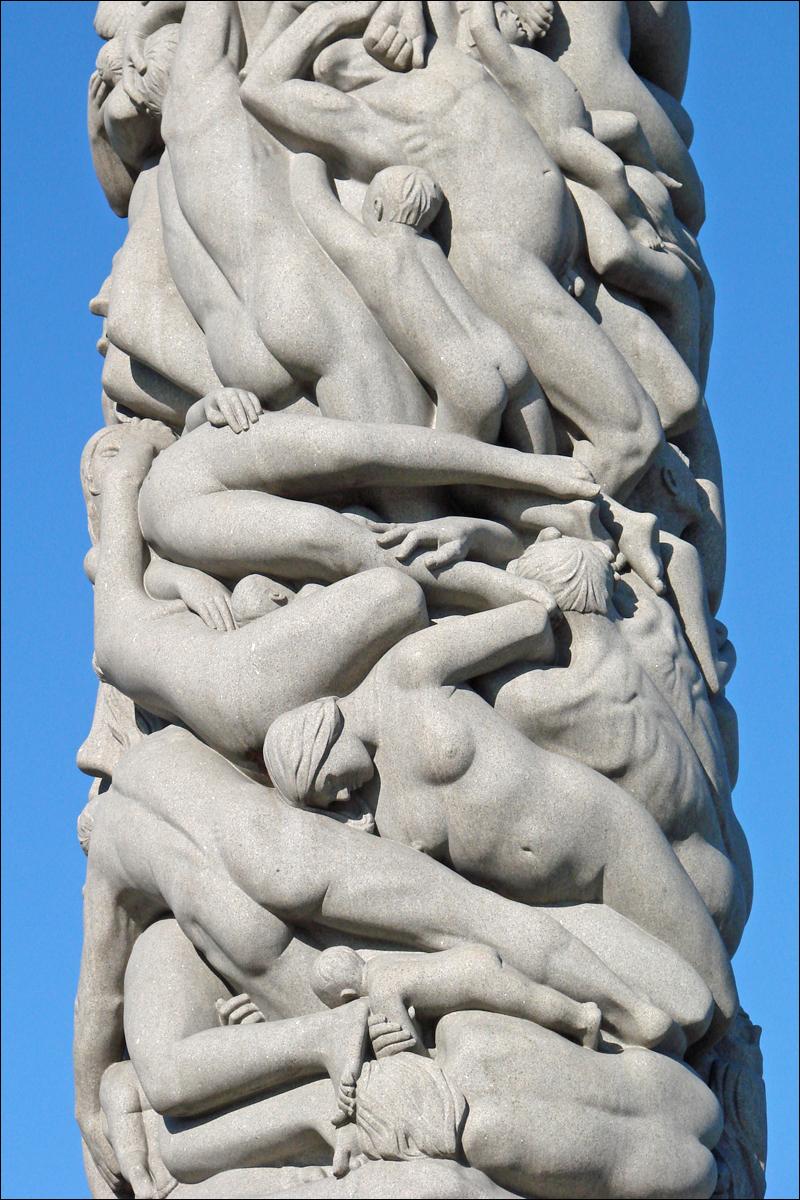
Monolitten rises seventeen metres above Frogner Park in Oslo, at the highest point of the Vigeland installation. You see one granite block covered with 121 intertwined human figures, shaped into a single upward-reaching mass.
Gustav Vigeland developed the idea around 1919, while quarry workers cut the 280-tonne block near Iddefjorden in 1922. A barge carried it to Oslo, where workers moved it through the city at roughly six metres per hour before raising it with an iron structure. Three stonemasons carved the figures between 1929 and 1943, following Vigeland’s detailed model. The surrounding circular staircase holds 36 granite figure groups, while eight wrought-iron double gates complete the low balustrade.
A wooden shed once enclosed the stonework, and its removal revealed the sculpture in 1944. Between Monolitten and Livshjulet stands Vigeland’s sundial.
- City
- Oslo
- Content updated
Take this page with you
The myTuur app is free, and once you are standing at a spot its story starts by itself.


Spots like this one are the stops myTuur strings into tours through Oslo. In the app, each story begins where you stand: walk up to a spot and it starts, read it on screen or listen as you go, then follow the route to the next one.
What is myTuur?
myTuur is a free city-guide app. Its tours are built from spots, and each spot carries a story that starts when you get there, to read or to listen to as you like.