Schloss Nymphenburg
Schloss Nymphenburg began as a baroque country palace and grew into a broad three-winged complex. Ferdinand Maria gave it to his wife.
This expansion brought together work by Agostino Barelli, Enrico Zuccalli and Joseph Effner across two centuries. The central Steinerner Saal preserves frescoes and rich rococo stucco.
The reception rooms lead to King Ludwig I’s Schönheitengalerie, where Joseph Stieler’s portraits present women from different social backgrounds. The palace park surrounds the complex.
The grounds combine formal water features with an English-style landscape and several distinct pavilions. Amalienburg contains a mirrored salon.
Pagodenburg carries Chinese-inspired design, while Badengrund includes an early heated bathing hall. The Marstallmuseum presents historic carriages and equipment.
Nymphenburg’s porcelain rooms connect the palace to a long-established manufactory based in its workshops. The canal still structures the gardens and once powered machinery for porcelain painters.
The recorded site information marks Schloss Nymphenburg as wheelchair accessible. Its rooms, pavilions, collections and waterways show how courtly life shaped this palace landscape.
- City
- Munich
- Content updated
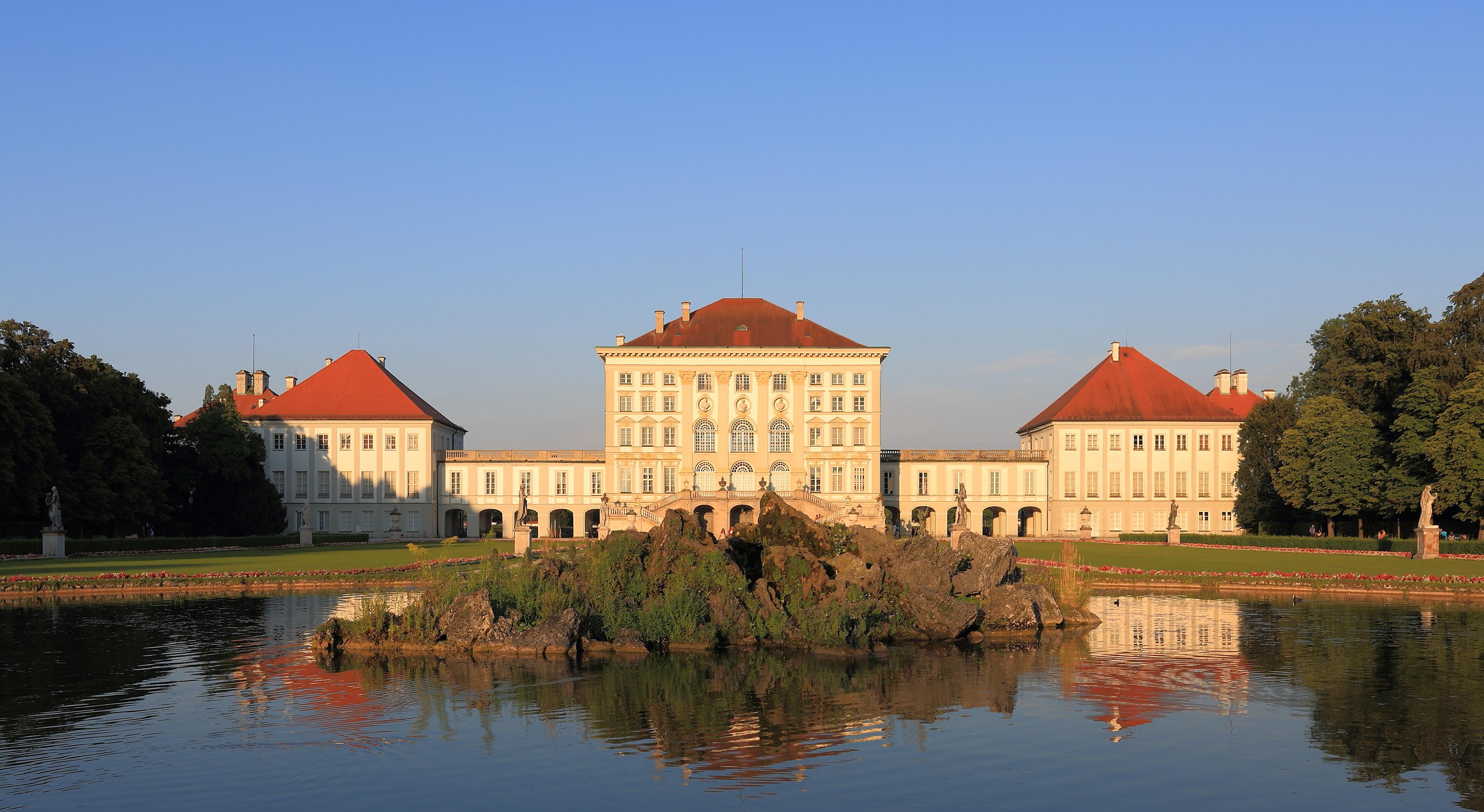
Image: Martin FalbisonerCC BY-SA 3.0 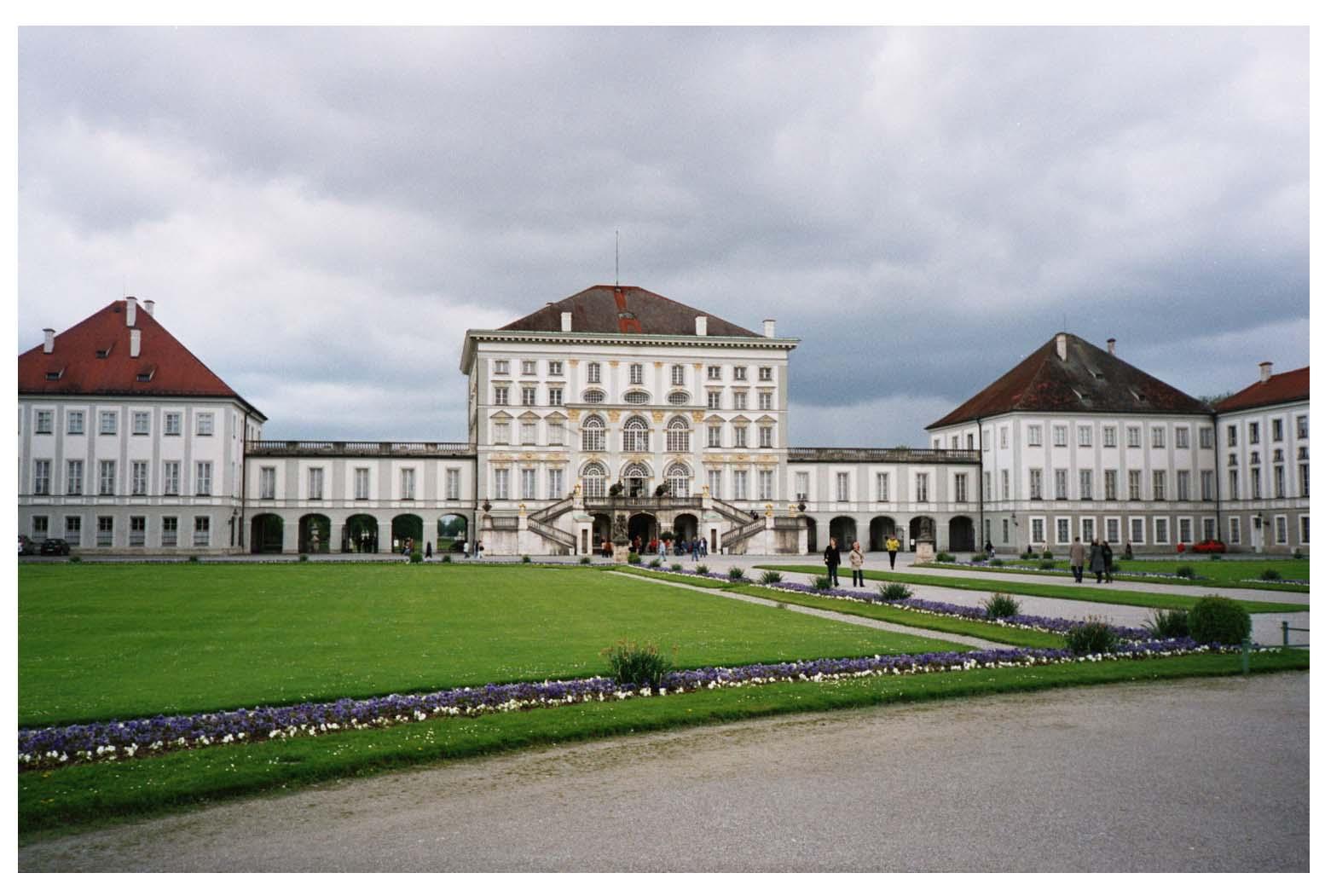
Image: GryffindorPublic domain 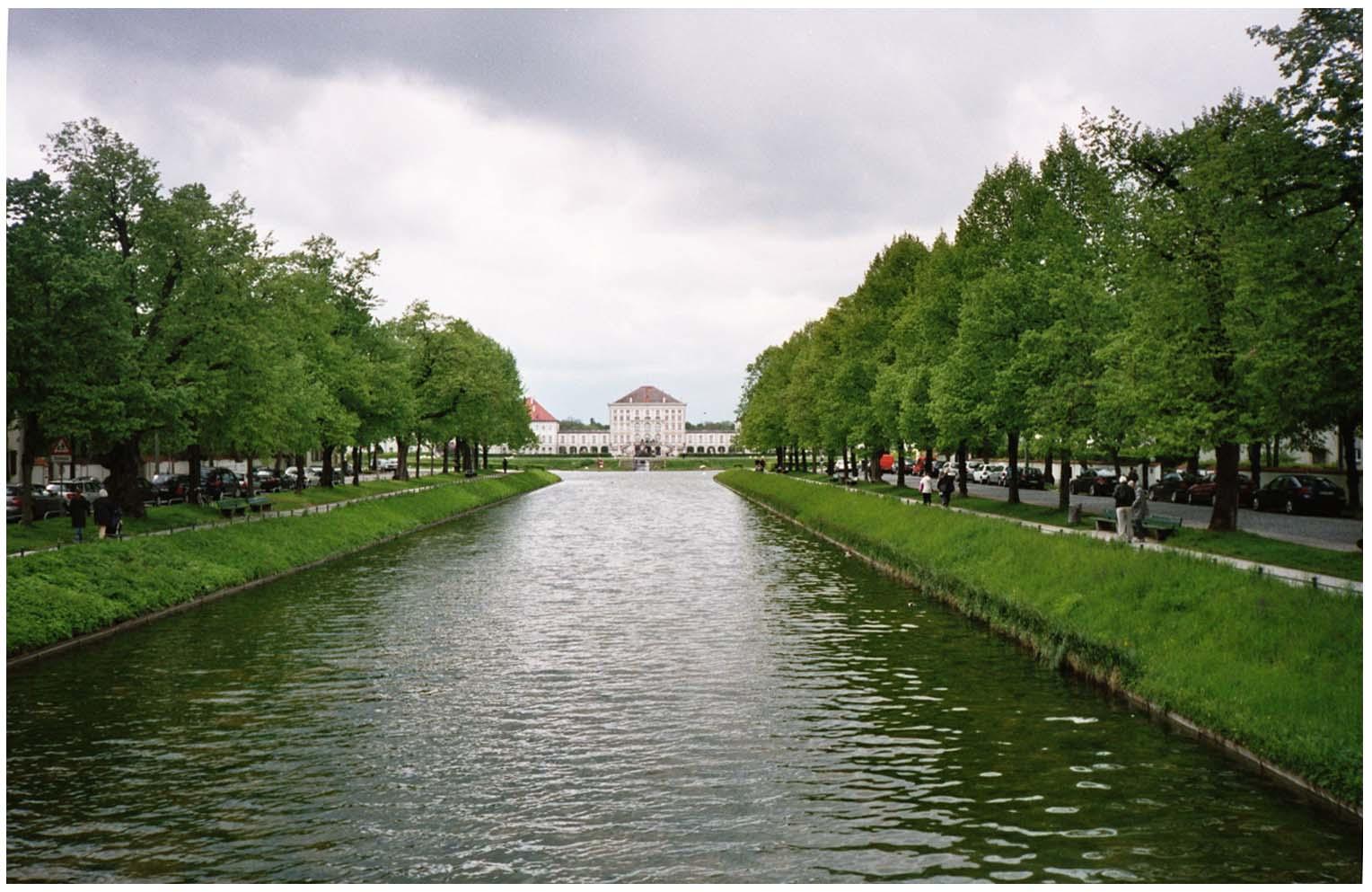
Image: GryffindorPublic domain 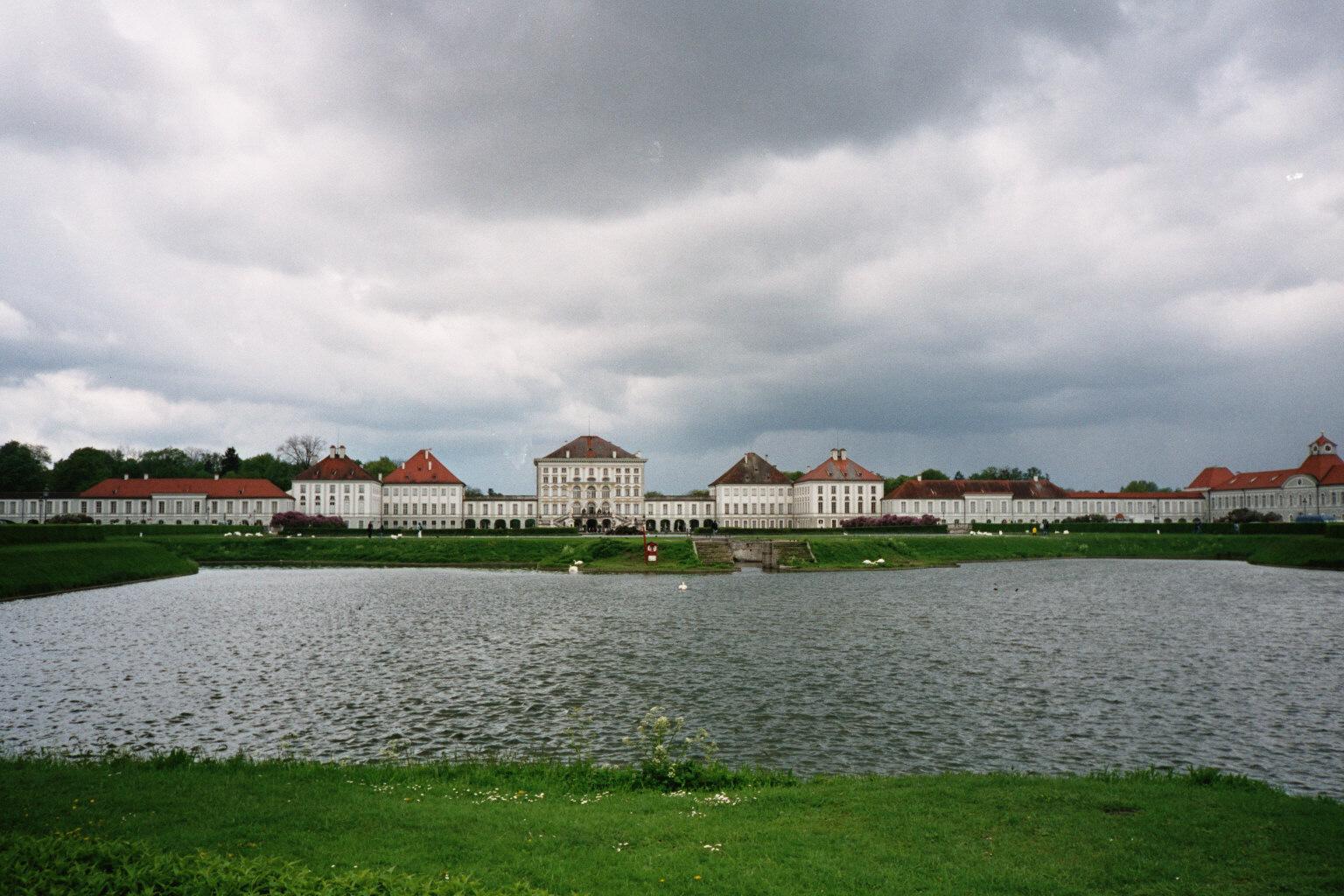
Image: wikimedia 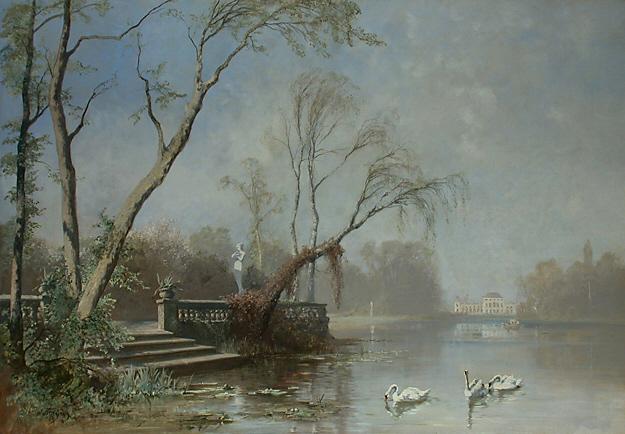
Image: Joseph WengleinPublic domain
Take this page with you
The myTuur app is free, and once you are standing at a spot its story starts by itself.


Spots like this one are the stops myTuur strings into tours through Munich. In the app, each story begins where you stand: walk up to a spot and it starts, read it on screen or listen as you go, then follow the route to the next one.
What is myTuur?
myTuur is a free city-guide app. Its tours are built from spots, and each spot carries a story that starts when you get there, to read or to listen to as you like.