St. Martin
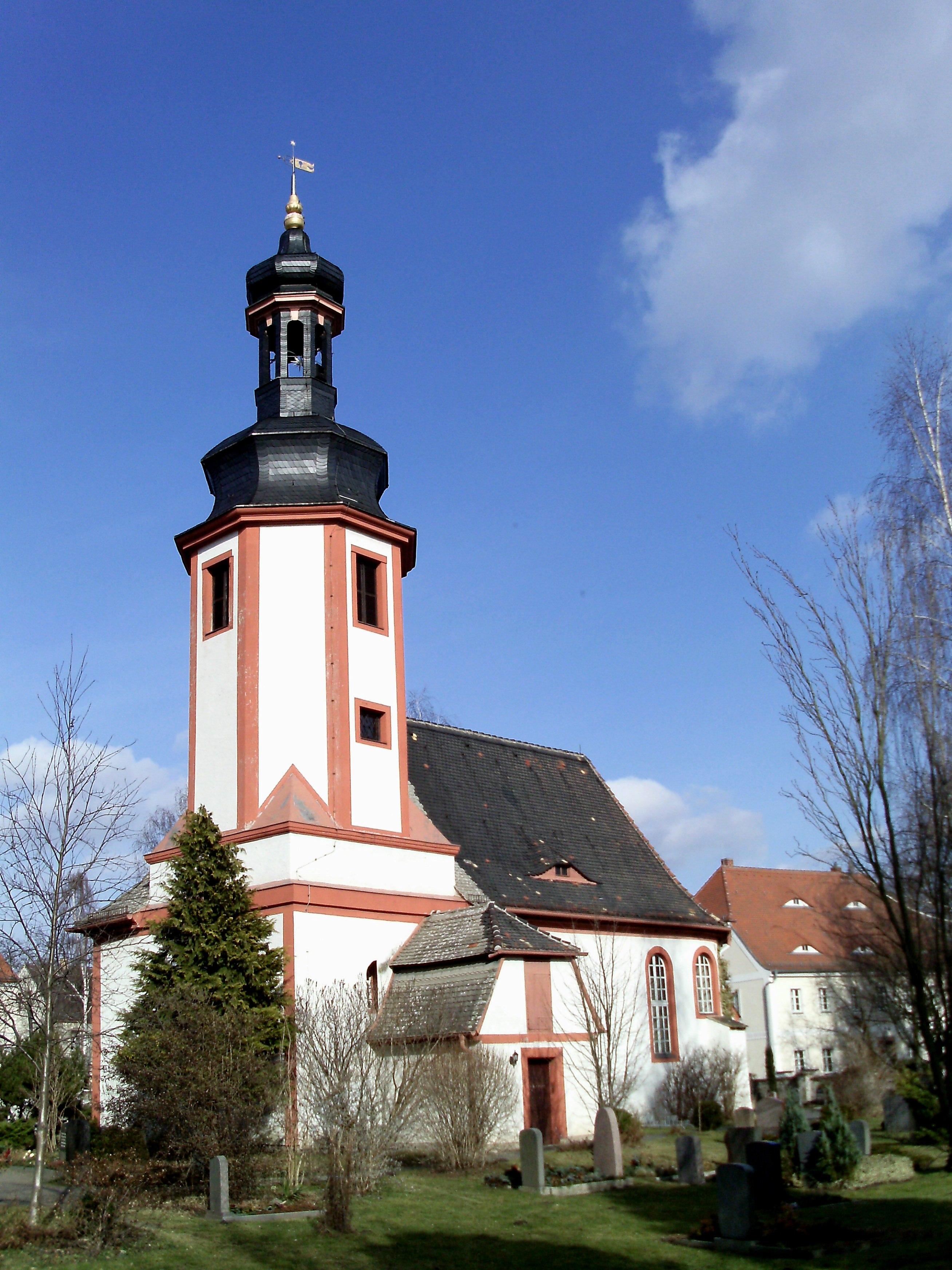
St. Martin stands in Plaußig, Leipzig, beside an old manor estate and a cemetery. The ground slopes gently south towards the Parthe, while a war memorial completes the protected monument site. Its plastered rubble-stone walls measure about 20 metres by 10 metres and contain round-arched windows. A slender octagonal tower rises from a square base, with a baroque slate dome, lantern, and clock faces directed towards the village.
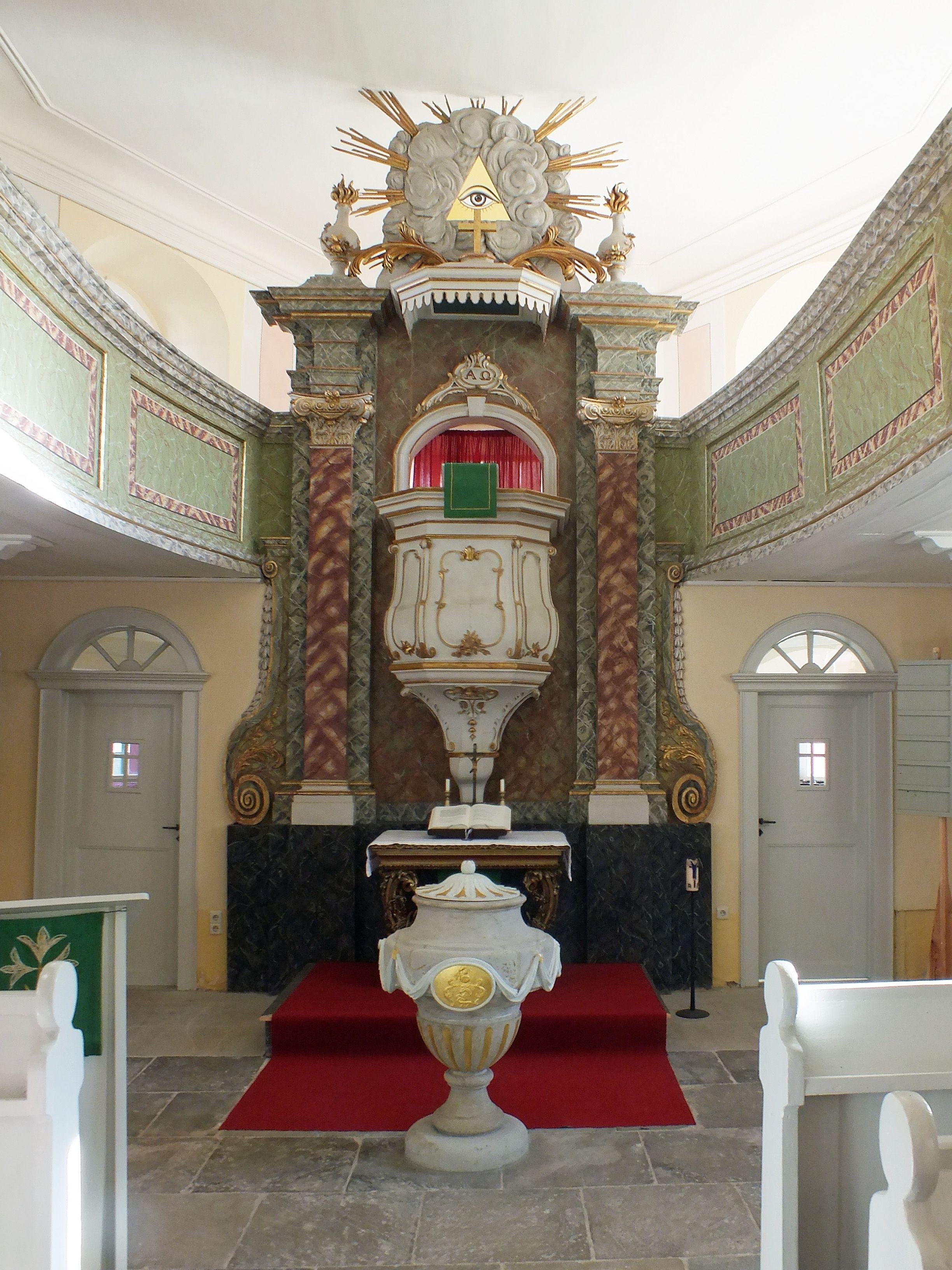
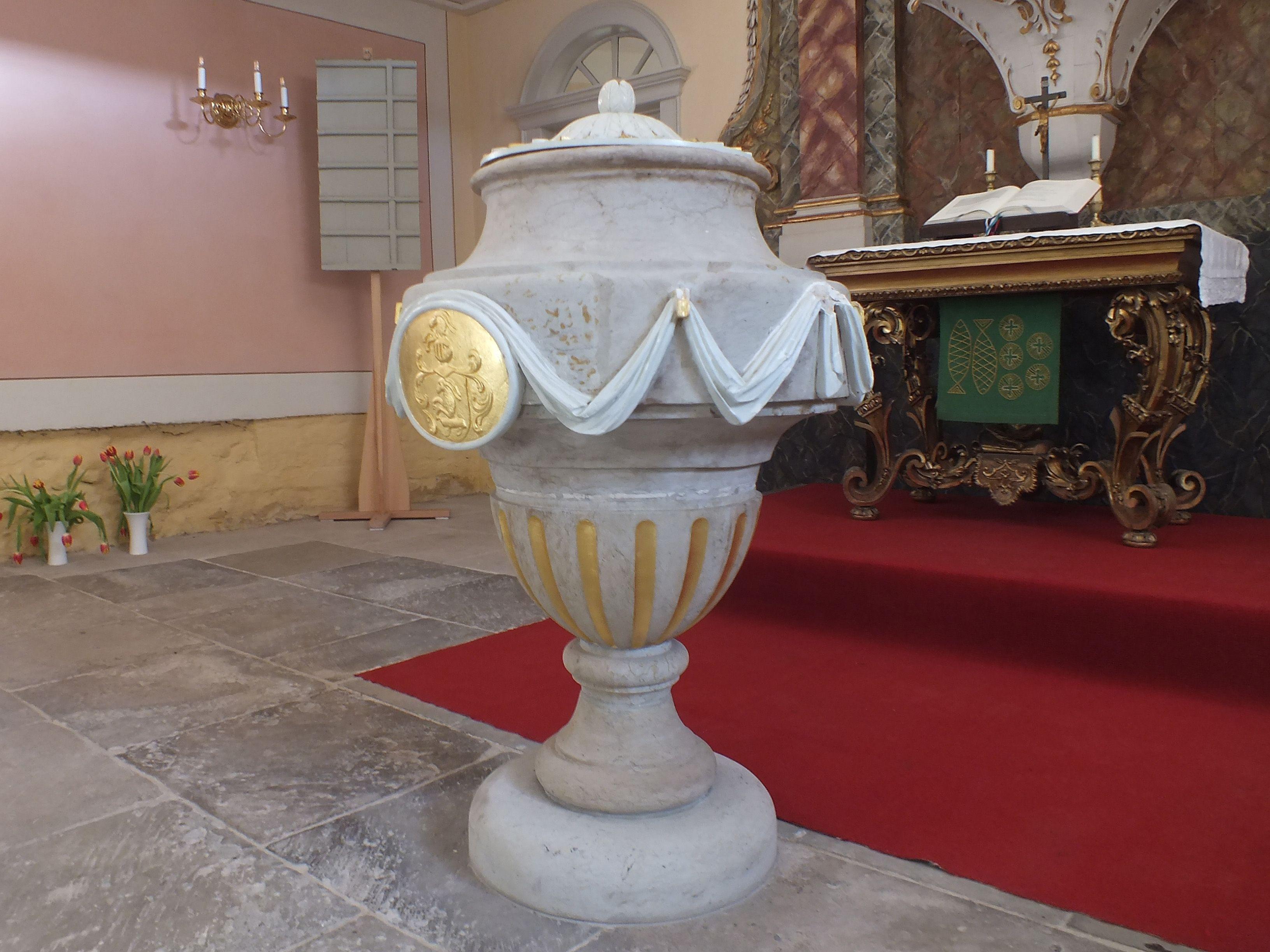
A church has stood here since at least the fourteenth century, when Nicol von Hogenest appears as its first recorded priest in 1393. A Gothic portal survives from an earlier rebuilding, while the present baroque exterior dates from the reconstruction of 1726 to 1728. The interior took shape mainly in 1771 and 1772, with a flat ceiling, surrounding gallery, and an elaborate pulpit altar. White columns, flame-shaped vases, a cloud canopy, and a gilded Eye of Providence rise above the pulpit. Georg Sieber donated the stone baptismal font in 1791, adding a gilded coat of arms and carved stone drapery.
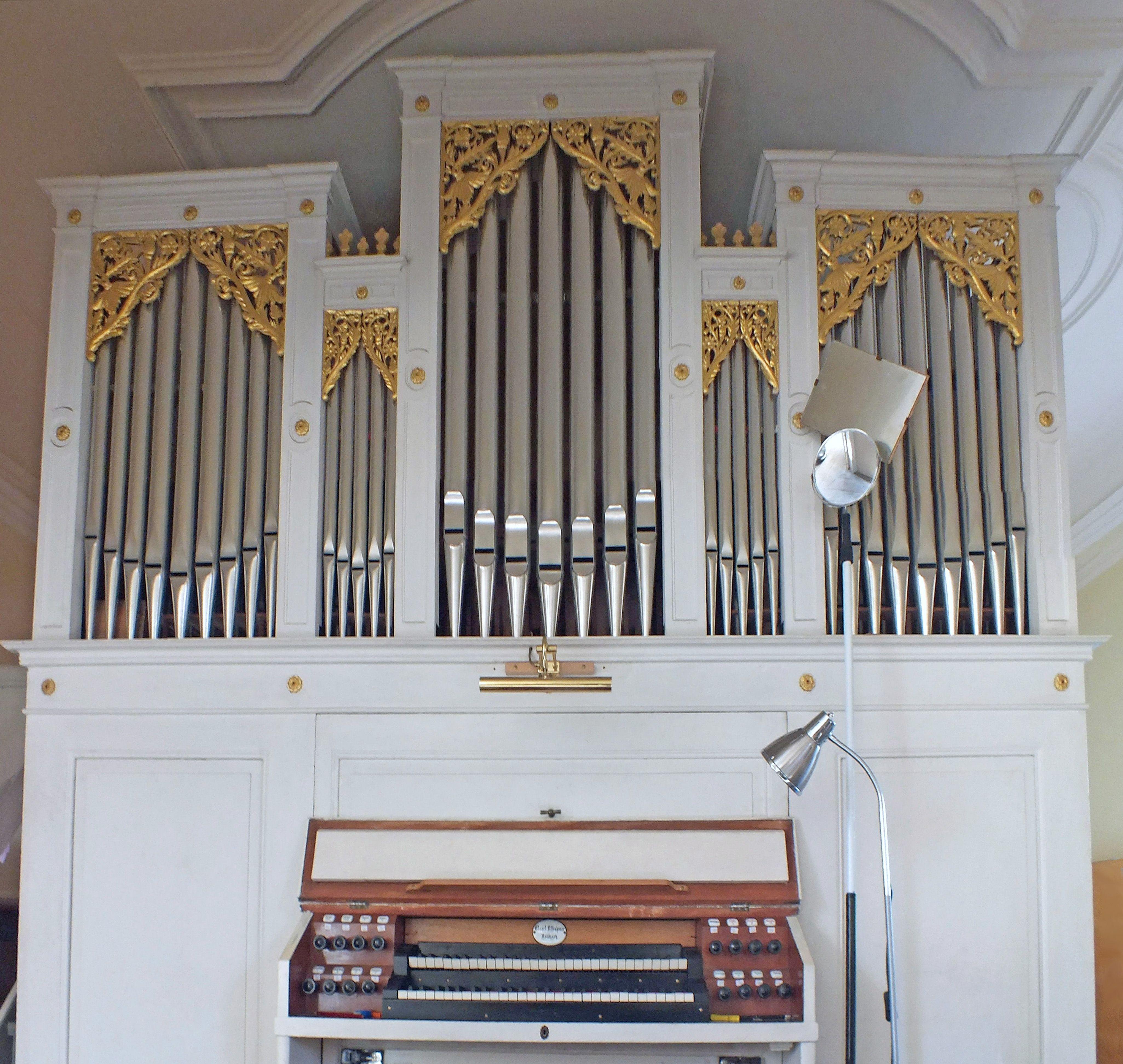
An eighteen-armed chandelier hangs at the centre, beneath the gallery and beside the 1881 organ. Eduard Offenhauer’s instrument has 13 stops across two manuals and a pedal, and Johannes Lindner restored it in 1999. Two bronze bells from 1400 and 1439 remain among the region’s oldest, including one 98 centimetres wide with an old German plea for God’s help.
- City
- Leipzig
- Content updated

Take this page with you
The myTuur app is free, and once you are standing at a spot its story starts by itself.


Spots like this one are the stops myTuur strings into tours through Leipzig. In the app, each story begins where you stand: walk up to a spot and it starts, read it on screen or listen as you go, then follow the route to the next one.
What is myTuur?
myTuur is a free city-guide app. Its tours are built from spots, and each spot carries a story that starts when you get there, to read or to listen to as you like.