Αρχαίο στάδιο Κω
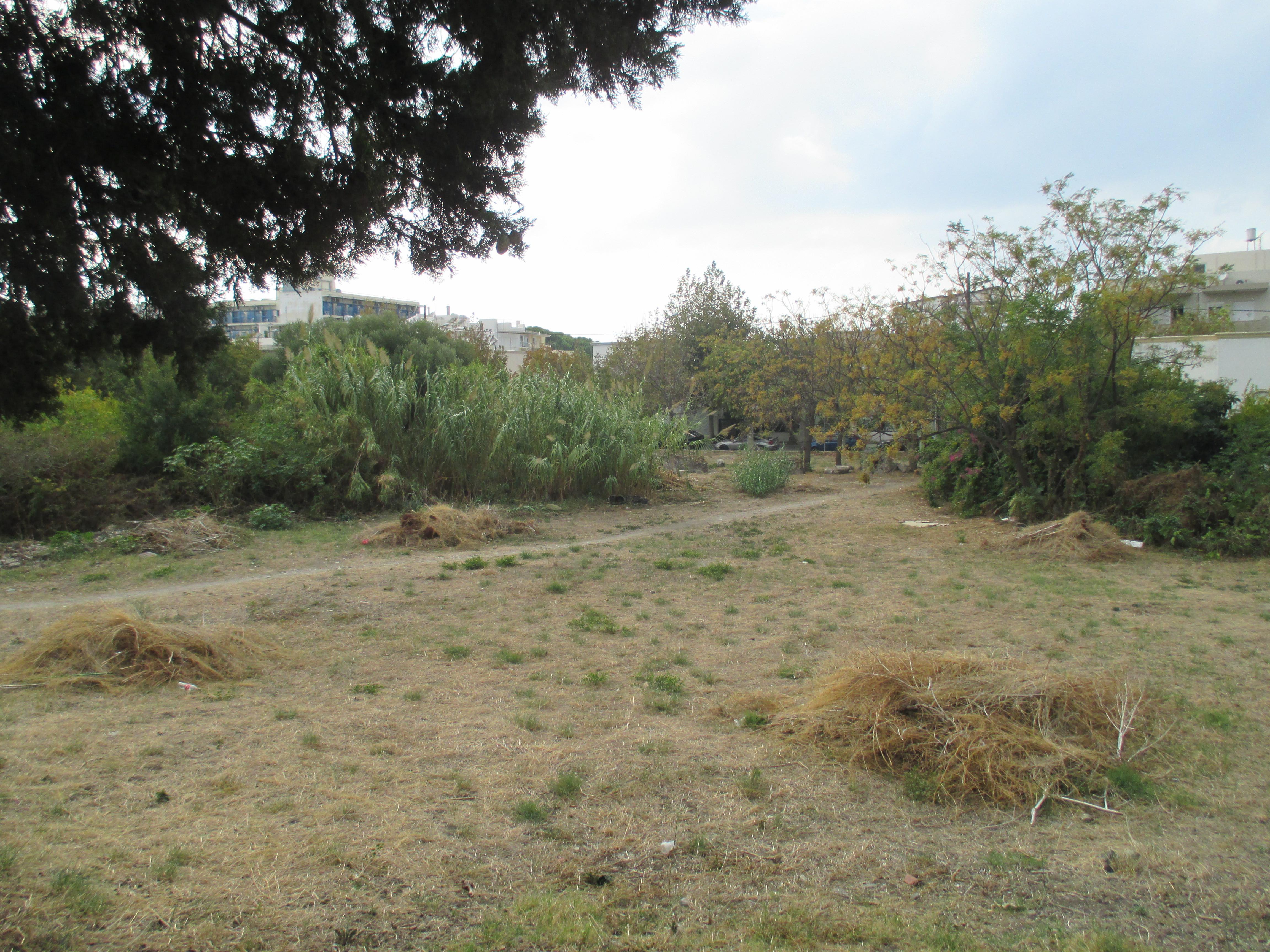
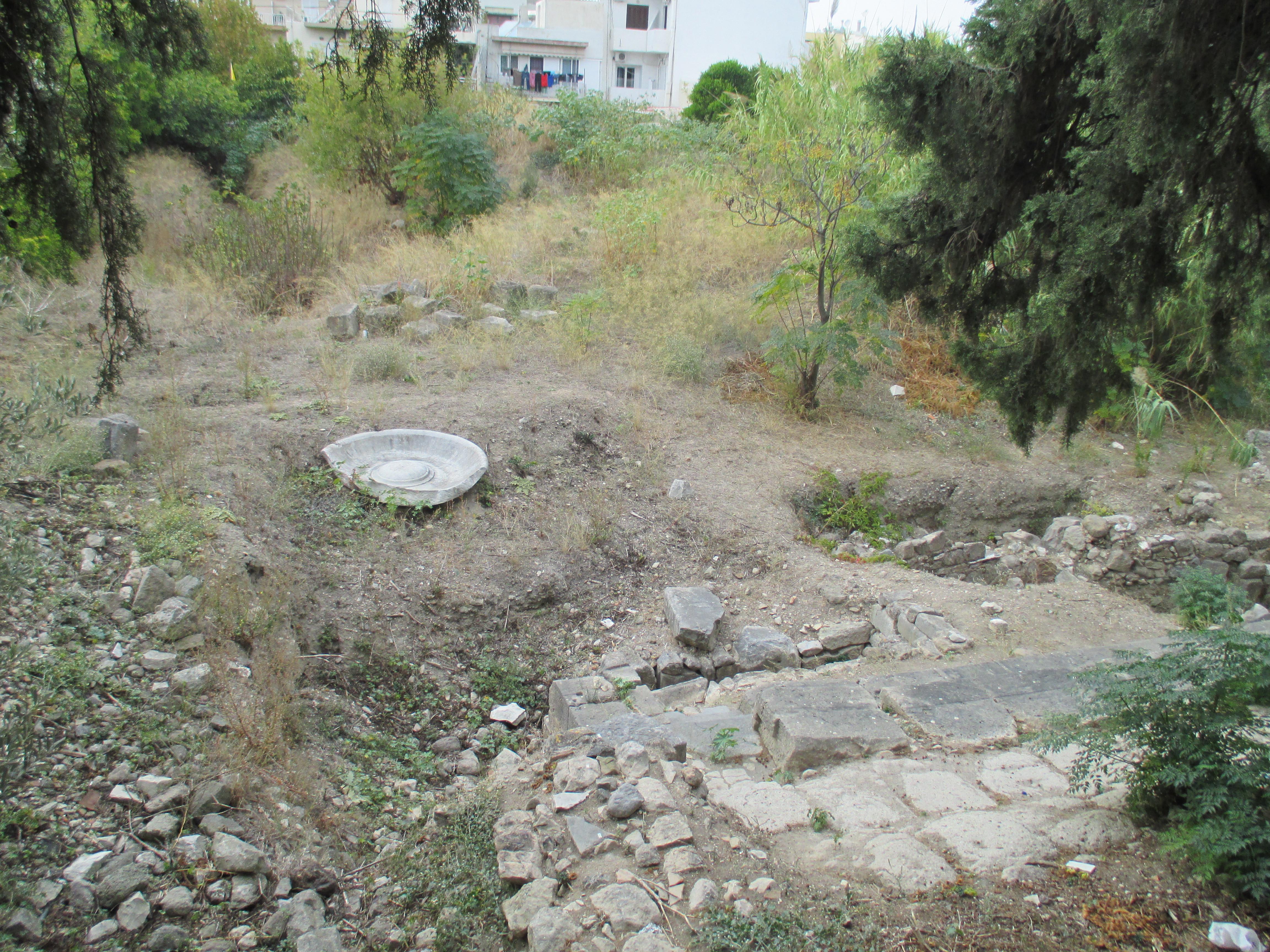
Ancient Stadium of Kos stands in the western archaeological zone of Kos, Greece, as a Hellenistic venue built in the second century BCE. The stadium stretches about 180 metres long and 30 metres wide. Its surviving structure combines Doric and Ionic architectural elements, while the original seating occupied only the eastern side. Roman builders later added seats along the western side, changing the arrangement of this athletic setting.
Athletes competed here in events honouring Zeus and Athena, drawing people from across Kos and beyond. The stadium formed part of a wider complex with a gymnasium, thermae, paved Roman roads, and public spaces. Nearby, the gymnasium covered roughly 200 by 120 metres around an open, colonnaded courtyard. Medieval abandonment left the western archaeological zone buried until excavations revealed much of its stonework during the twentieth century.
Rudolf Herzog identified the starting line, or aphesis, near the end of the nineteenth century. Italian archaeologists later uncovered western travertine seats during excavations in the 1920s and 1930s. Most original seats have disappeared, but foundations and structural elements still survive after more than two thousand years. A nearby house preserves a huge mosaic showing Zeus carrying off Europa in the form of a bull.
- City
- Kos
- Content updated
Take this page with you
The myTuur app is free, and once you are standing at a spot its story starts by itself.


Spots like this one are the stops myTuur strings into tours through Kos. In the app, each story begins where you stand: walk up to a spot and it starts, read it on screen or listen as you go, then follow the route to the next one.
What is myTuur?
myTuur is a free city-guide app. Its tours are built from spots, and each spot carries a story that starts when you get there, to read or to listen to as you like.