Aegidienkirche
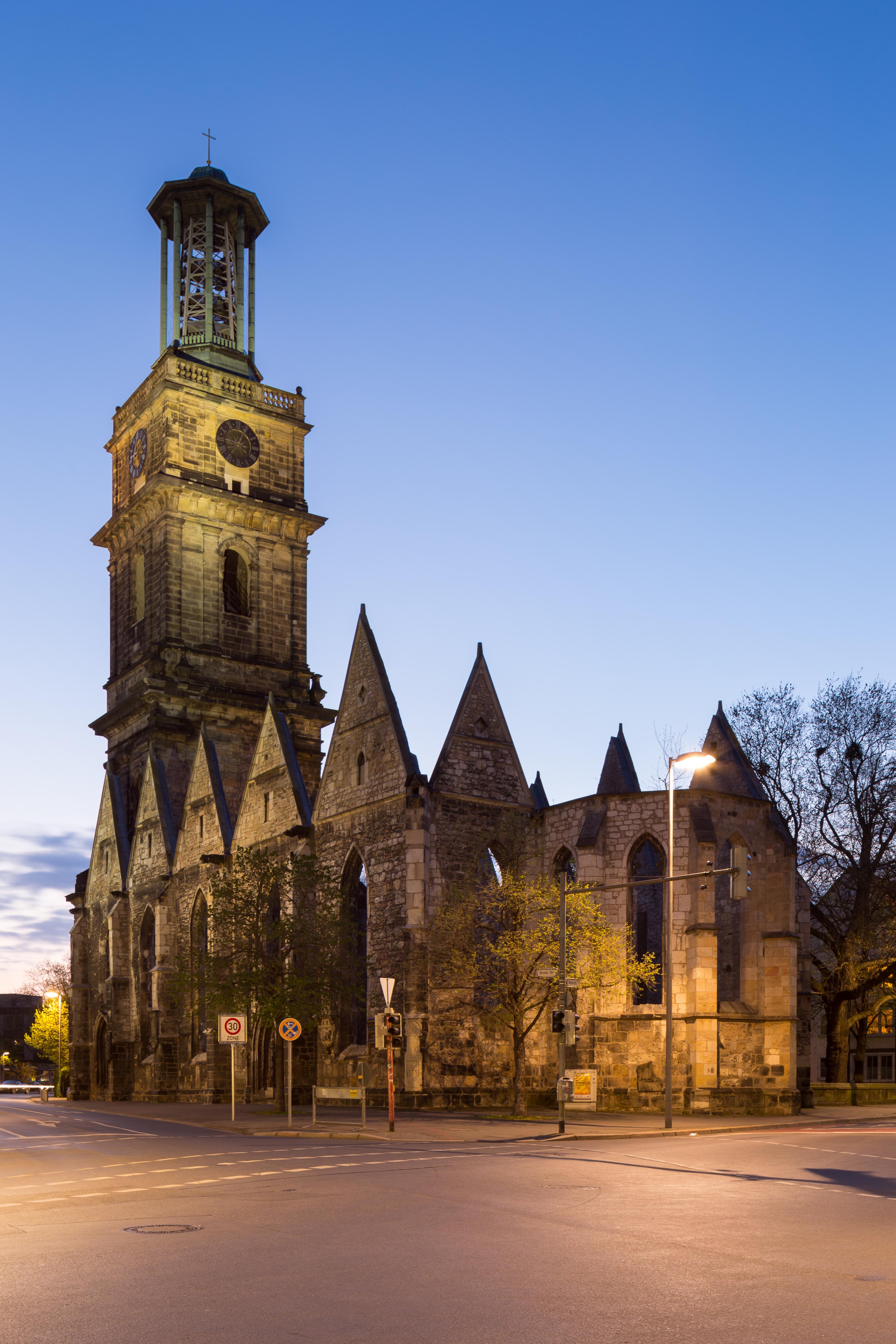
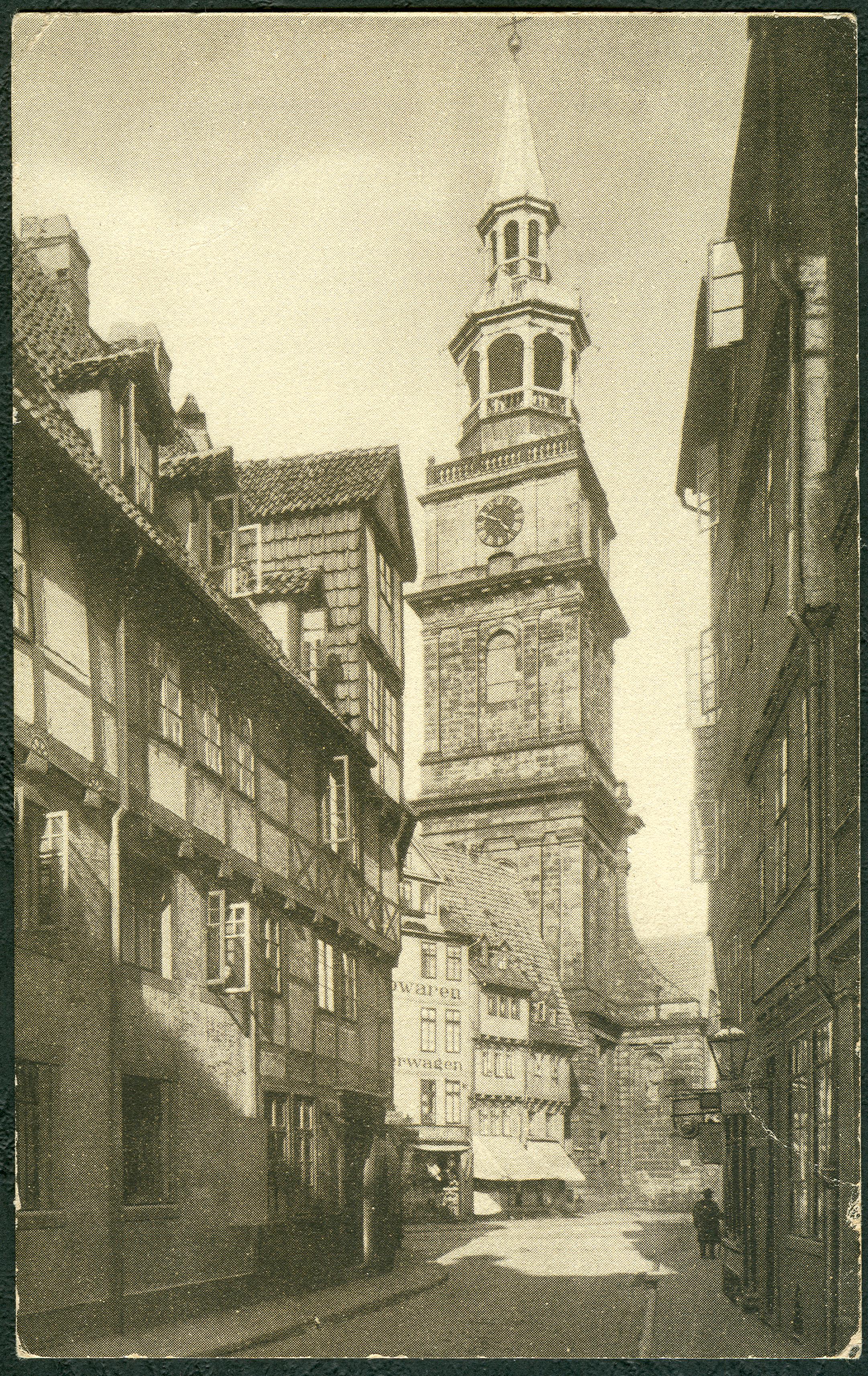
In Hanover stands the Aegidienkirche, a Gothic church ruin that serves the city as a war memorial. Dedicated to Saint Giles, one of the Fourteen Holy Helpers, it goes back to 1347. That building replaces a Romanesque predecessor of 1163, which itself succeeds an even earlier chapel. In the early eighteenth century the steeple receives its Baroque facade from Sudfeld Vick. Georg Ludwig Friedrich Laves remodels the interior in 1826 with columns of cast iron.
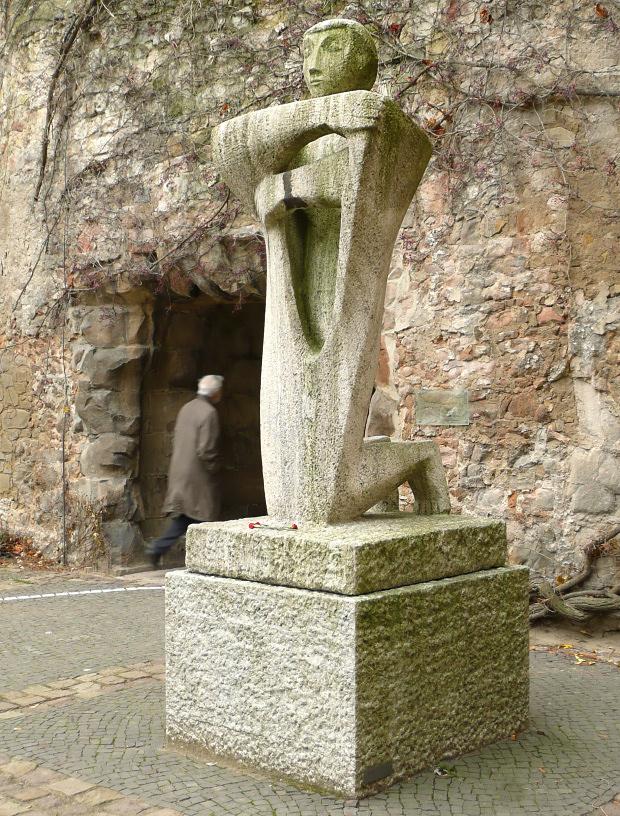
An air raid destroys the church in 1943, along with much of the old town around it. In 1952 the city inaugurates the ruins as a war memorial, rebuilding parts of the walls with sandstone from the Deister hills. Inside stands Humility, a monumental sculpture by Kurt Lehmann from 1959. The outer walls carry Baroque epitaphs, among them Susanna Magdalena Oldekop, a child who died in 1648, shown with an angel. A copy of the Spartan Stone shows seven praying men who, the legend runs, gave their lives for the town in 1480. The original relief rests in the Hanover Historical Museum.
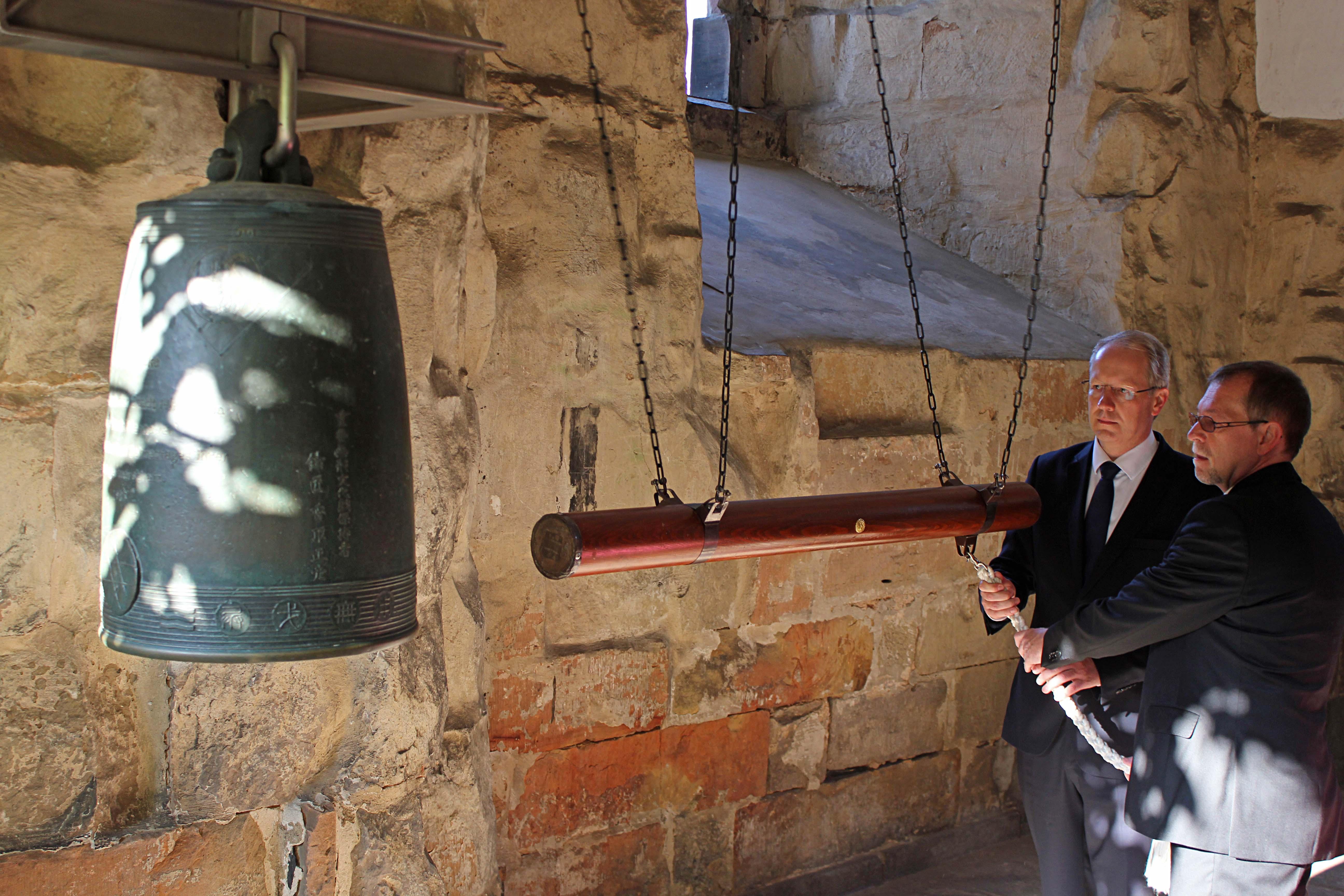
You can explore the site in a wheelchair. Beside the tower you find a peace bell donated by Hiroshima, twin city of Hanover since 1983. On the sixth of August each year, Hiroshima Day, it rings in memory of the atomic bombing of that city.
- City
- Hanover
- Content updated
Take this page with you
The myTuur app is free, and once you are standing at a spot its story starts by itself.


Spots like this one are the stops myTuur strings into tours through Hanover. In the app, each story begins where you stand: walk up to a spot and it starts, read it on screen or listen as you go, then follow the route to the next one.
What is myTuur?
myTuur is a free city-guide app. Its tours are built from spots, and each spot carries a story that starts when you get there, to read or to listen to as you like.