St. Helena
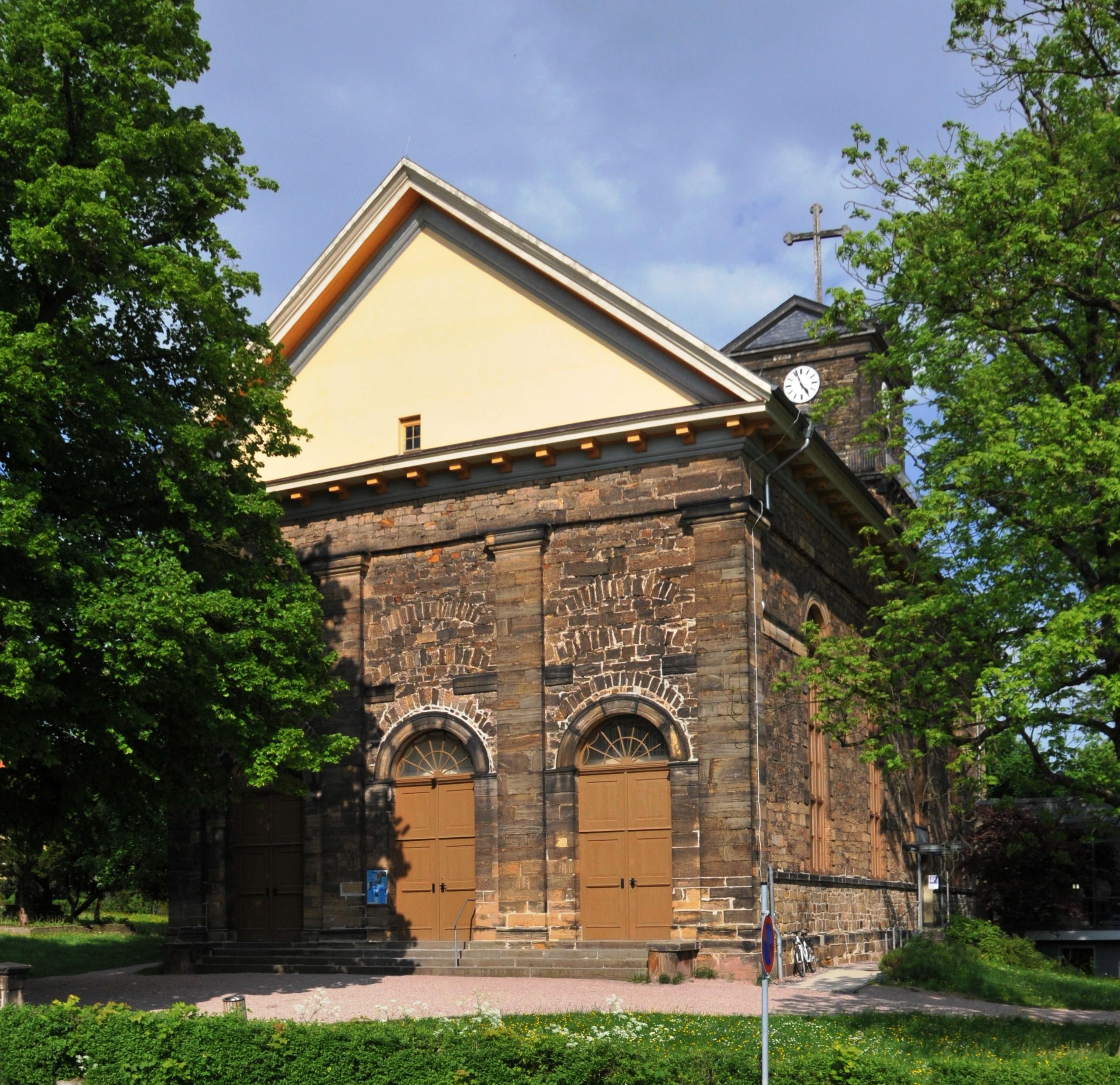
St. Helena is a wheelchair-accessible church in Germany, shaped by fire, rebuilding and local memory. Its classicist walls stand where a community created a new place of worship after destruction. The earlier Marienkirche stood about 200 metres away and was recorded in 1365. A fire on 11 June 1809 destroyed that church and 24 nearby houses, while a Gothic Marian statue survived.
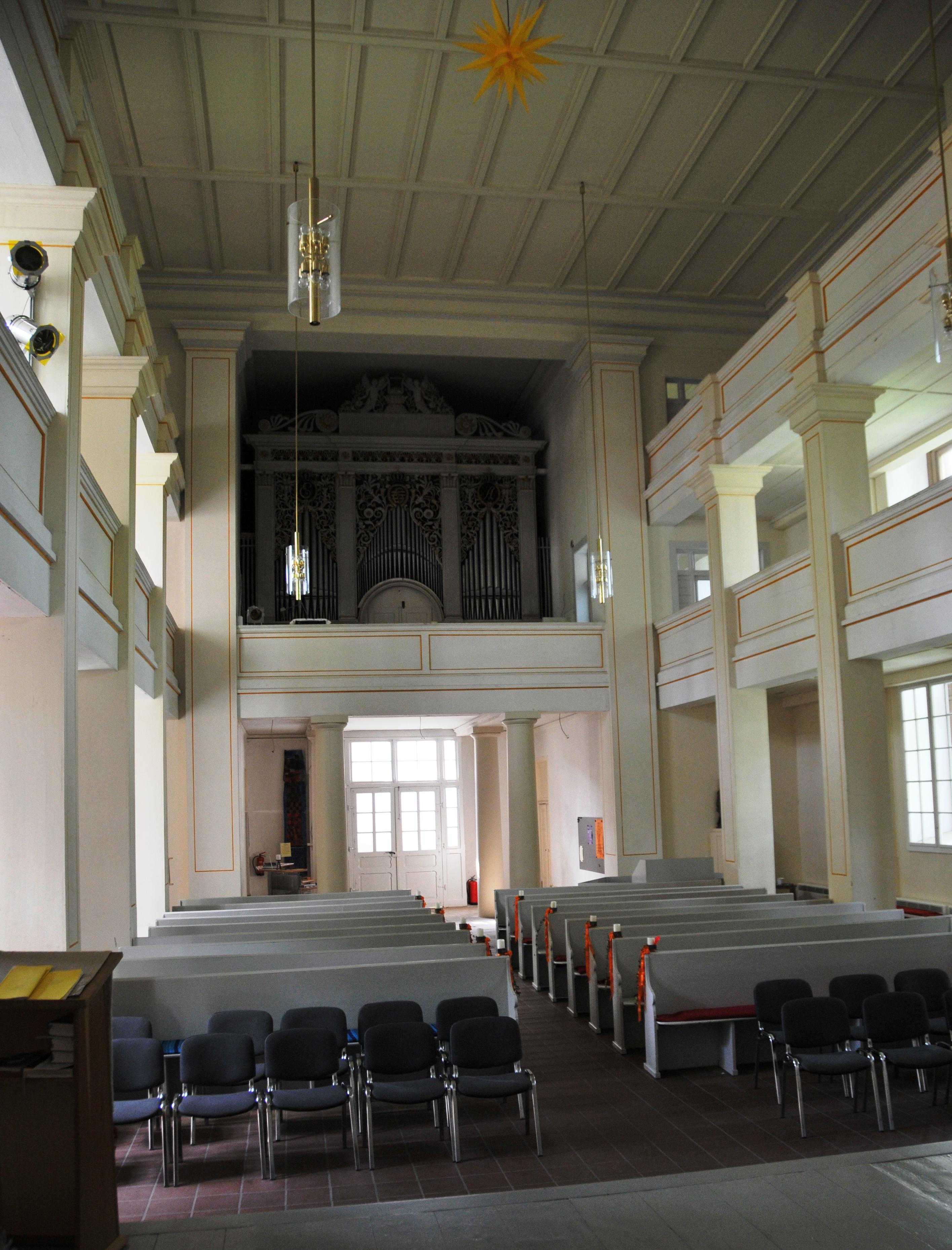
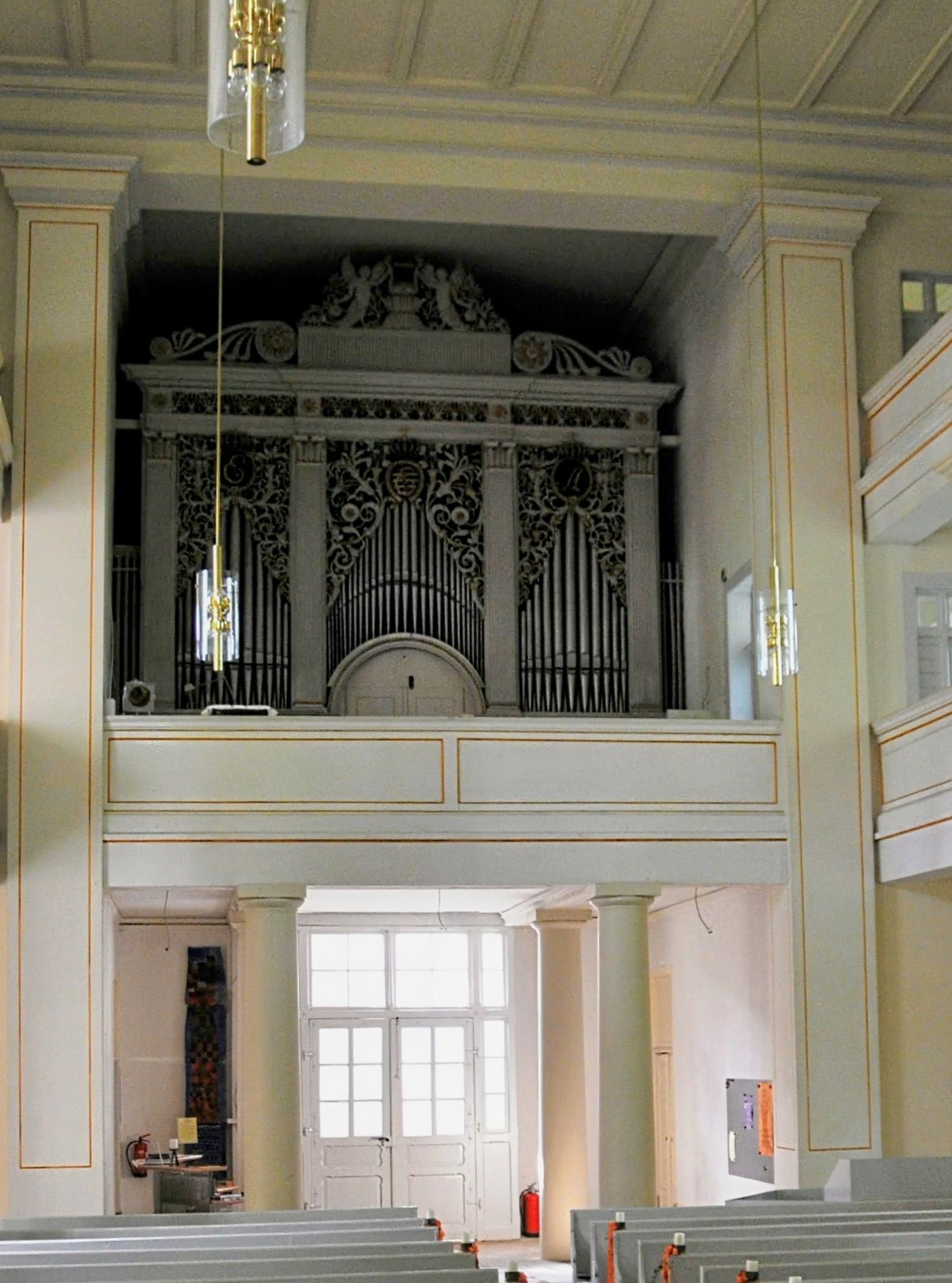
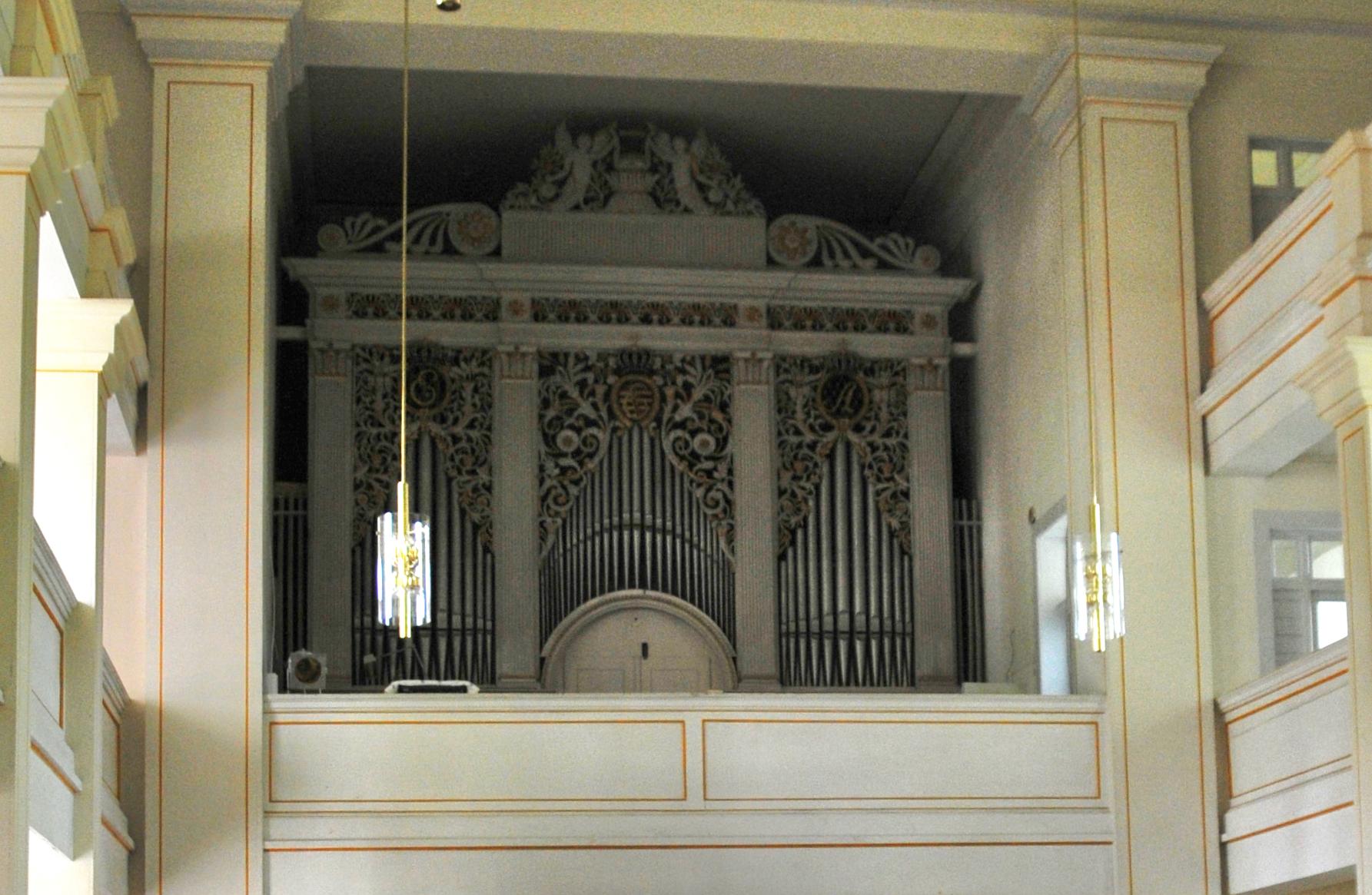
Rebuilding stalled when donated timber rotted for lack of funds. Adolf von Wangenheim later pressed for construction, while his daughter Caroline donated the land. Her condition placed two family tombs in a church vault, where they would remain cared for. Construction began in 1820, and Duke Ernst I attended the 1827 consecration with his sons. Their initials remain carved on the organ, linking the interior to that ceremony.
Limited funds ruled out a spire or dome, so a 13-metre wooden cross became the church’s defining feature. It moved from the tower to the entrance and now stands above the altar. A glass annex added in 1999 and later technical renovations bring newer materials into the historic building. The former cemetery outside preserves the graves of Gustav Freytag and his family.
- City
- Gotha
- Content updated

Take this page with you
The myTuur app is free, and once you are standing at a spot its story starts by itself.


Spots like this one are the stops myTuur strings into tours through Gotha. In the app, each story begins where you stand: walk up to a spot and it starts, read it on screen or listen as you go, then follow the route to the next one.
What is myTuur?
myTuur is a free city-guide app. Its tours are built from spots, and each spot carries a story that starts when you get there, to read or to listen to as you like.