St. Bonifatius
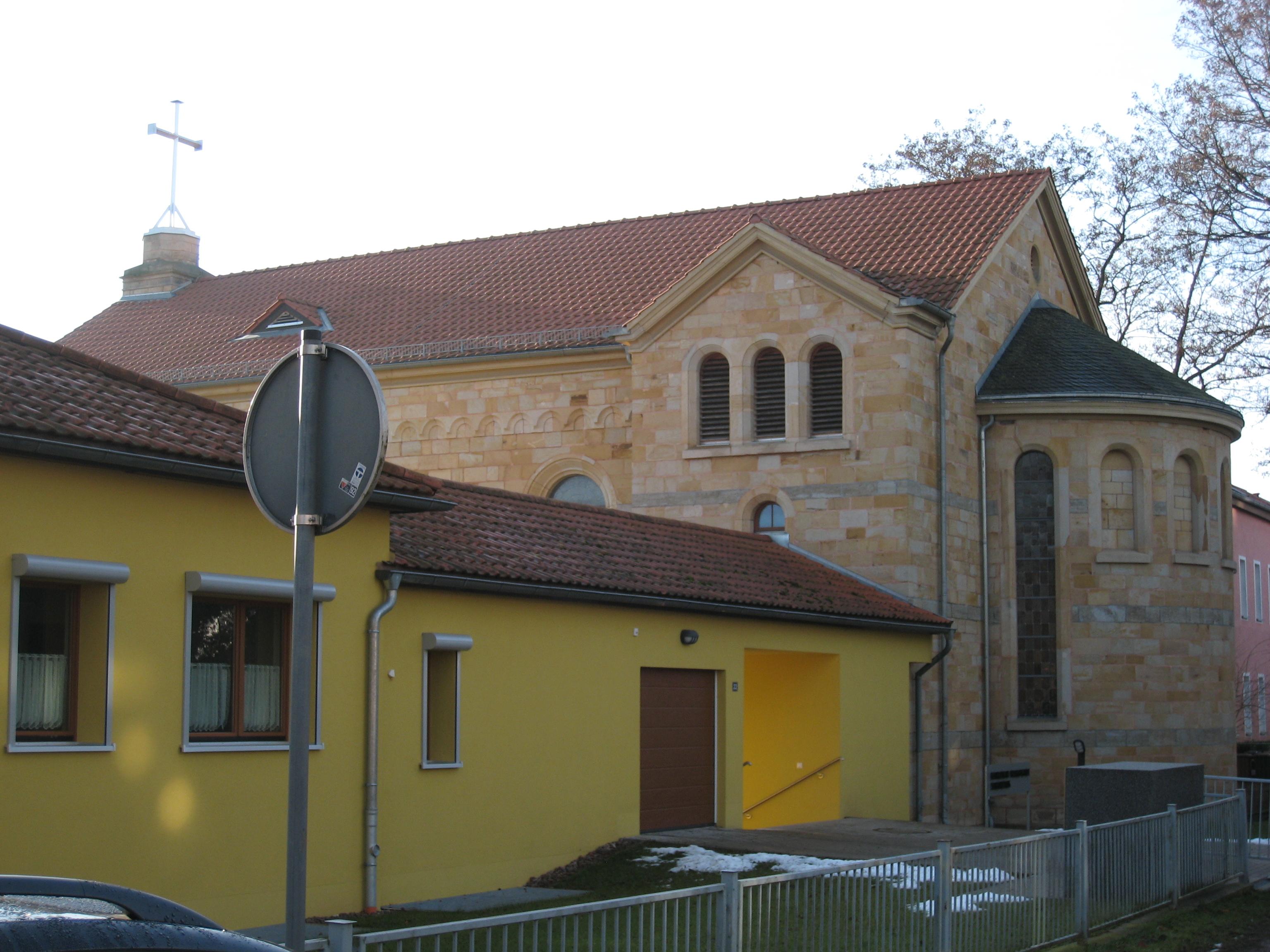
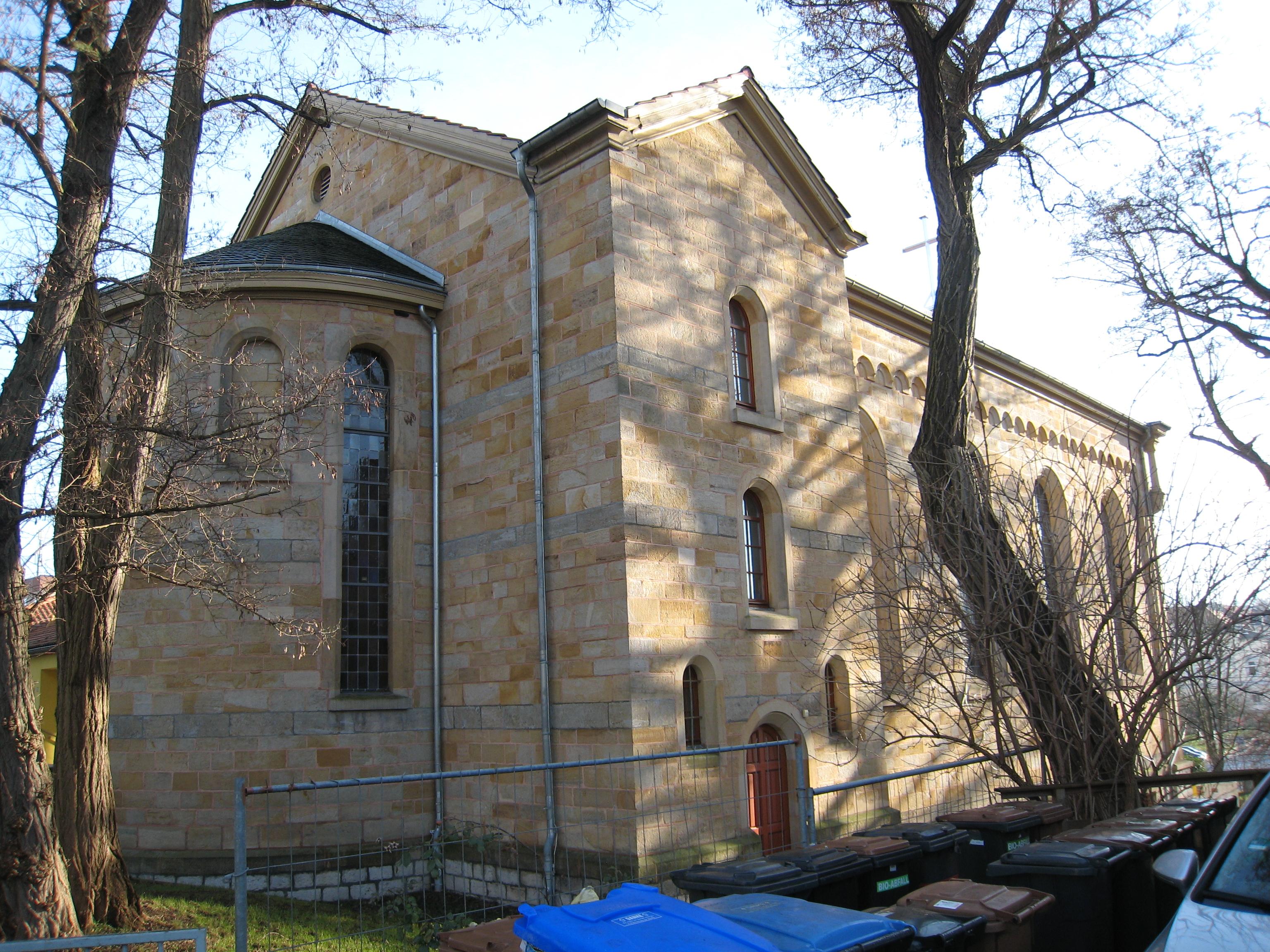
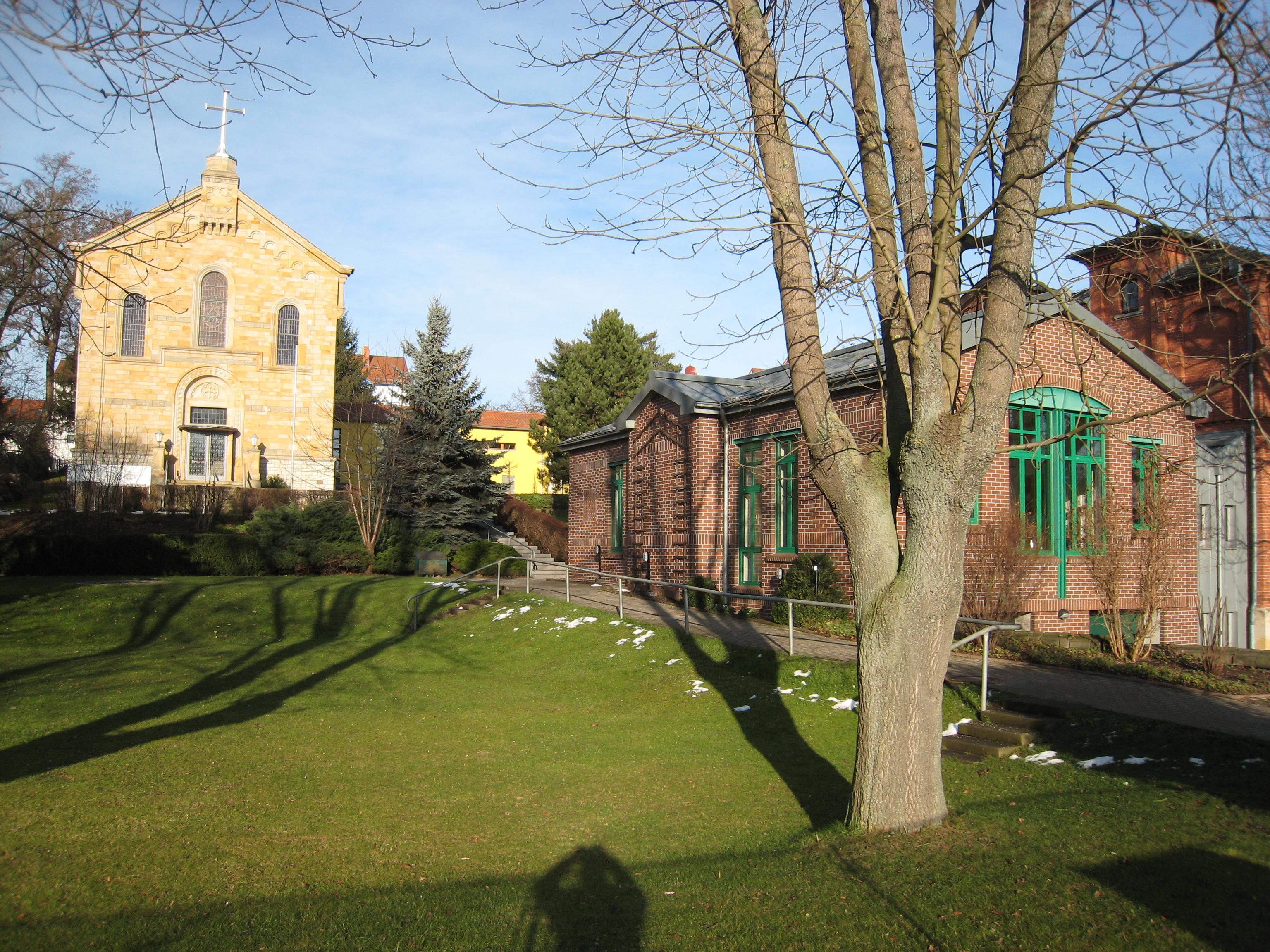
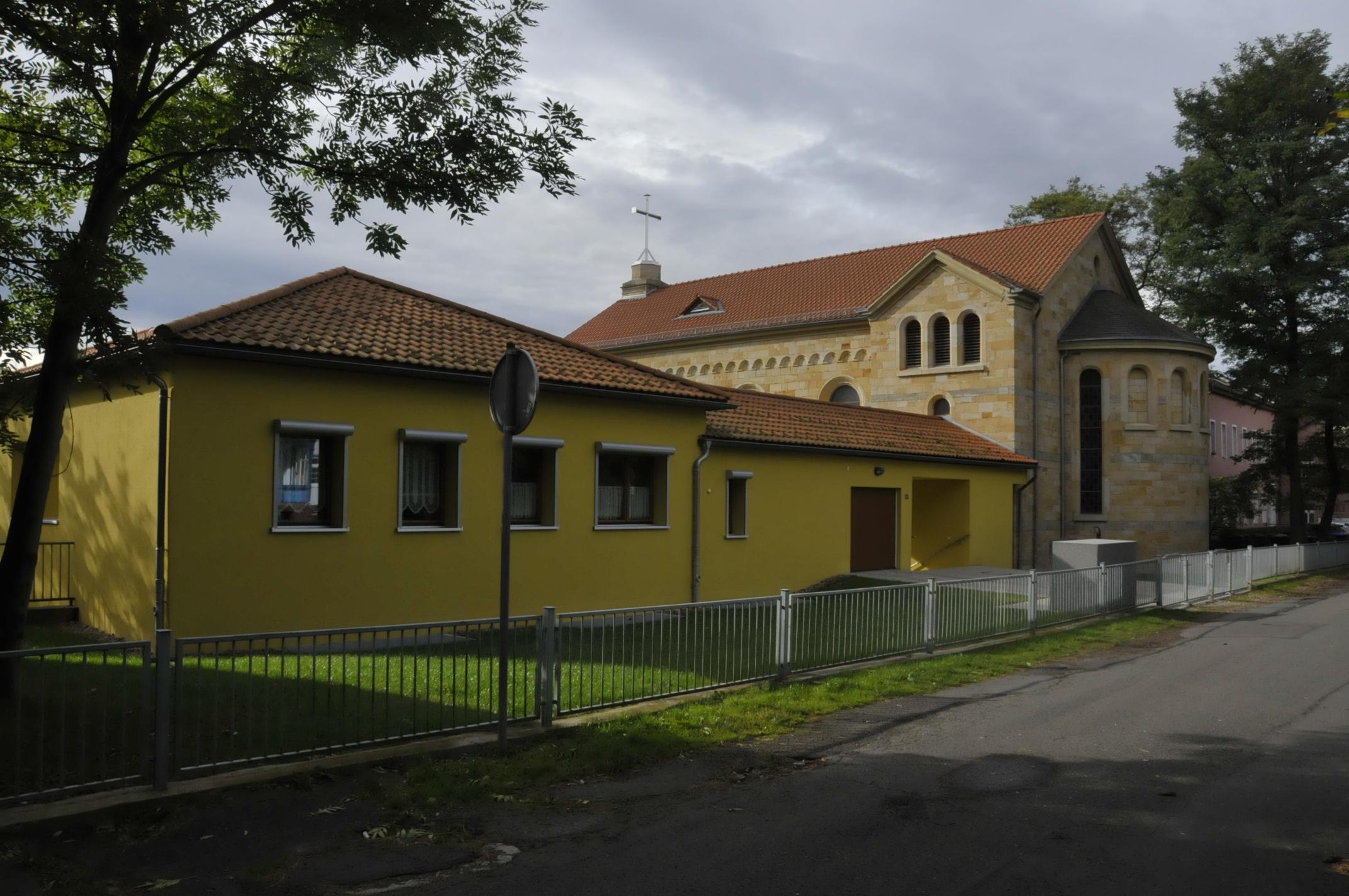
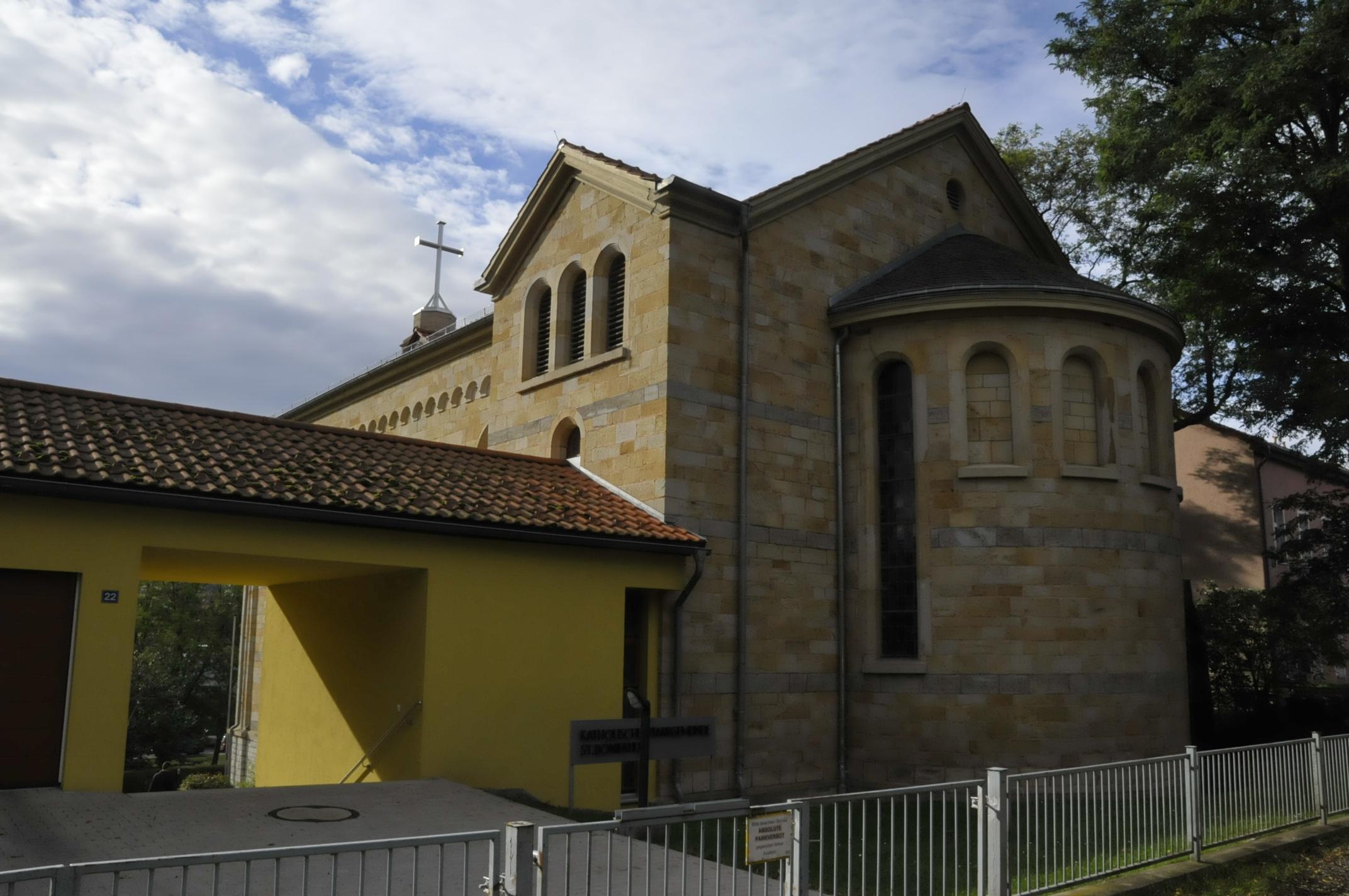
In Germany, St. Bonifatius presents a neo-Romanesque church built from Seeberg sandstone, with a tall southern gable. Its unusual orientation turns that ornate gable towards the city centre instead of east. Wheelchair access makes the architectural setting available to visitors with mobility needs.
Catholic worshippers lacked their own church for centuries after the Reformation, gathering in private homes and an orphanage chapel. Donations and court architect Gustav Eberhard finally made construction possible in the nineteenth century. Inside, eclectic decoration once surrounded three life-size canvases by Paul Emil Jacobs: the Madonna, the Redeemer, and Lazarus’s Resurrection. Paul Emil Jacobs’s Lazarus disappeared after a theft.
New altars, changing colours, furnishings, and repeated organ installations reshaped the interior across later decades. Work on the roof and façade followed. The present organ was consecrated in 1990, leaving the church with a visible record of adaptation.
- City
- Gotha
- Content updated
Take this page with you
The myTuur app is free, and once you are standing at a spot its story starts by itself.


Spots like this one are the stops myTuur strings into tours through Gotha. In the app, each story begins where you stand: walk up to a spot and it starts, read it on screen or listen as you go, then follow the route to the next one.
What is myTuur?
myTuur is a free city-guide app. Its tours are built from spots, and each spot carries a story that starts when you get there, to read or to listen to as you like.