Hauptfriedhof
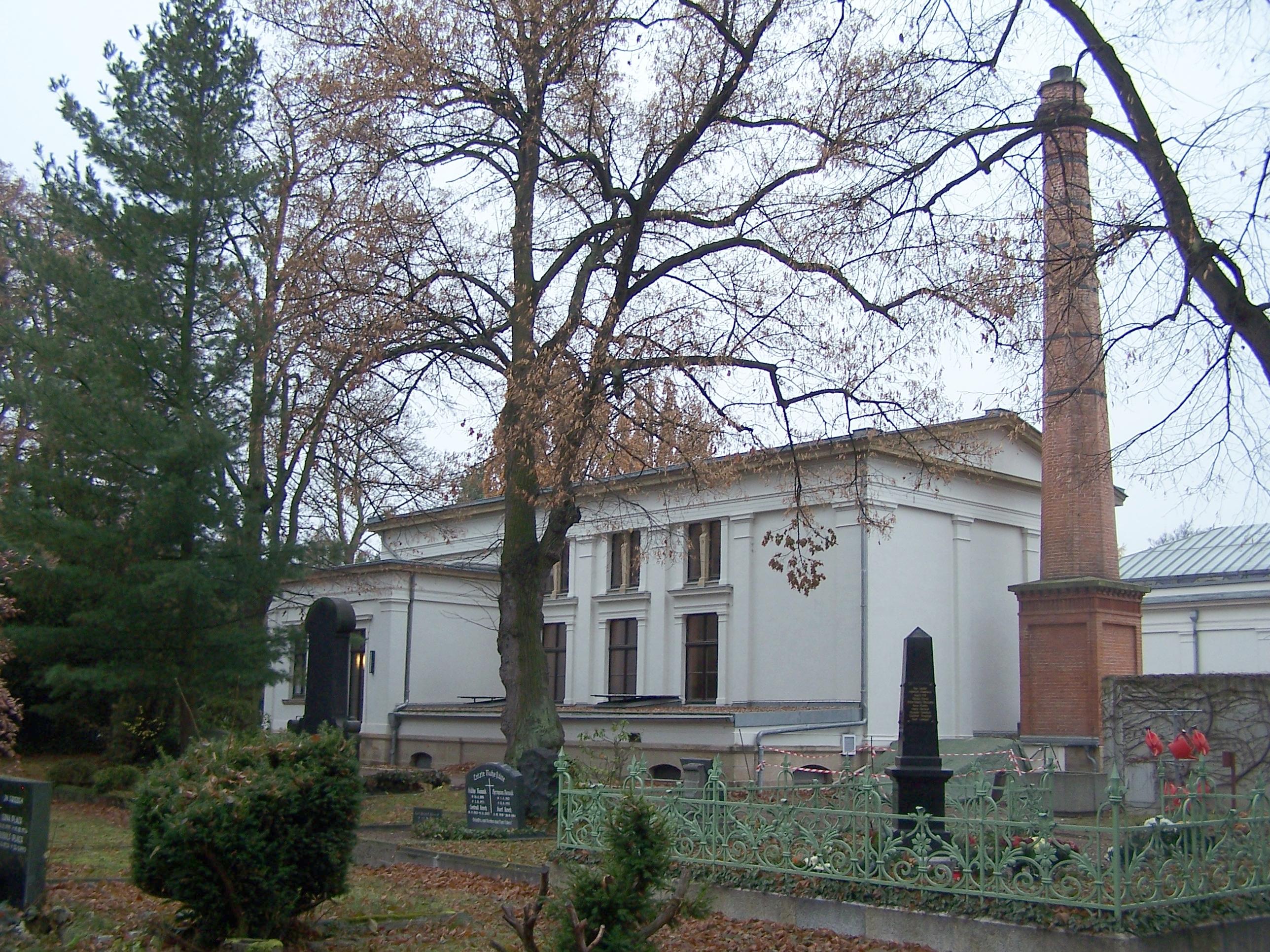
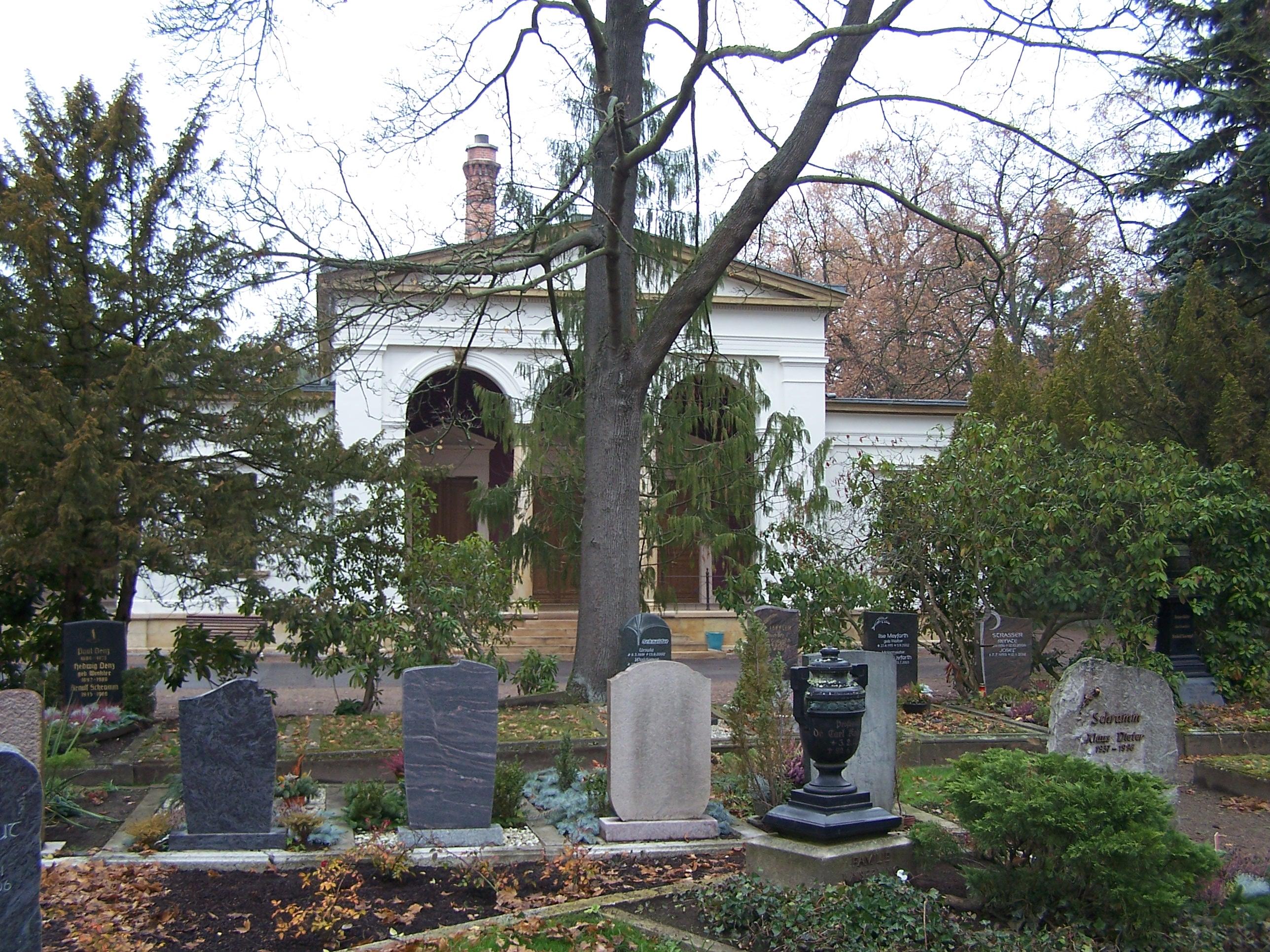
Hauptfriedhof spreads across twenty hectares in Gotha, Germany, beneath mature trees and along park-like paths. Geometric plots occupy the northern and southern sections, while the centre follows a winding Art Nouveau design. The layout draws inspiration from Hamburg-Ohlsdorf and brings formal planting together with a flowing landscape.
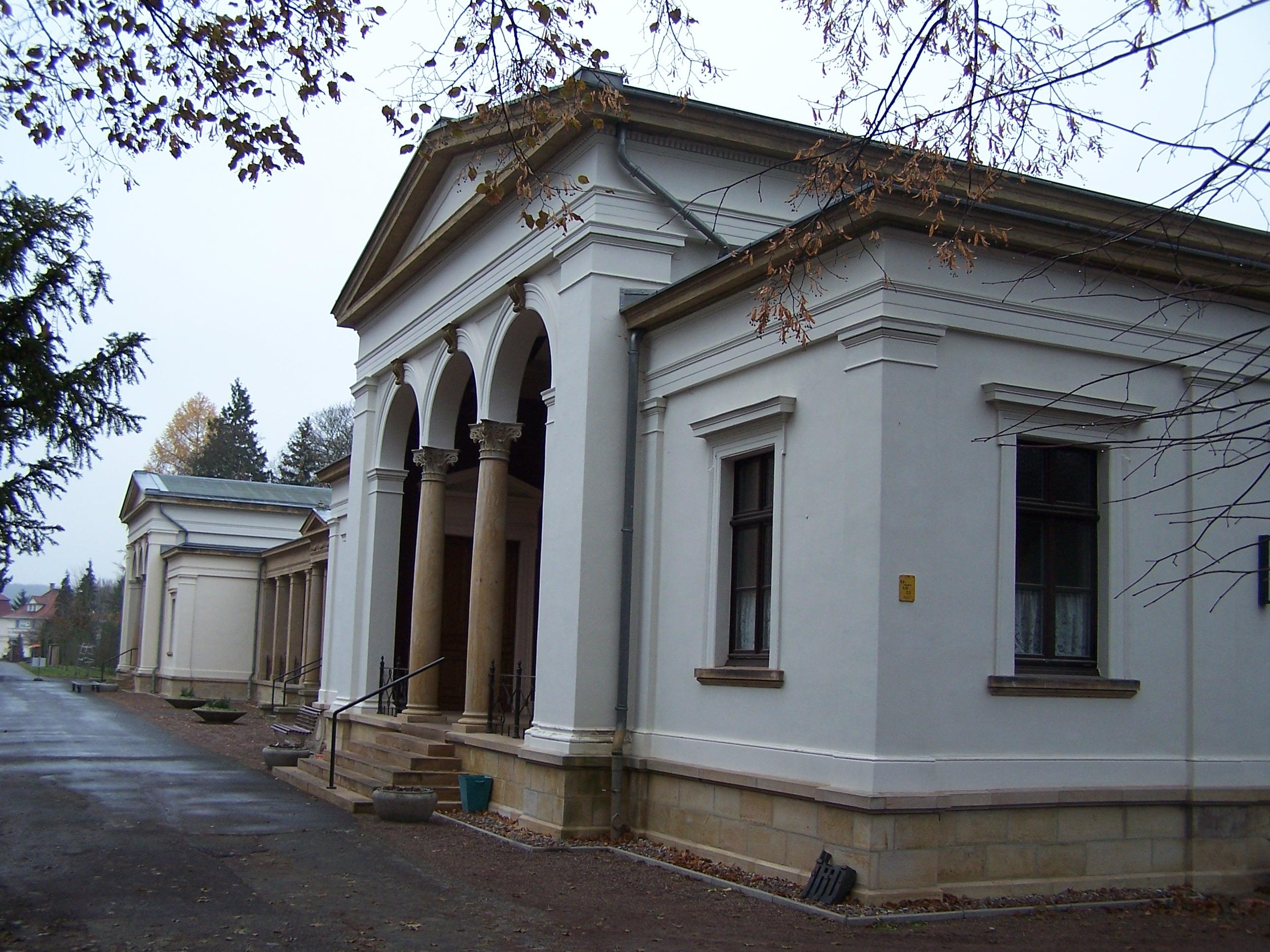
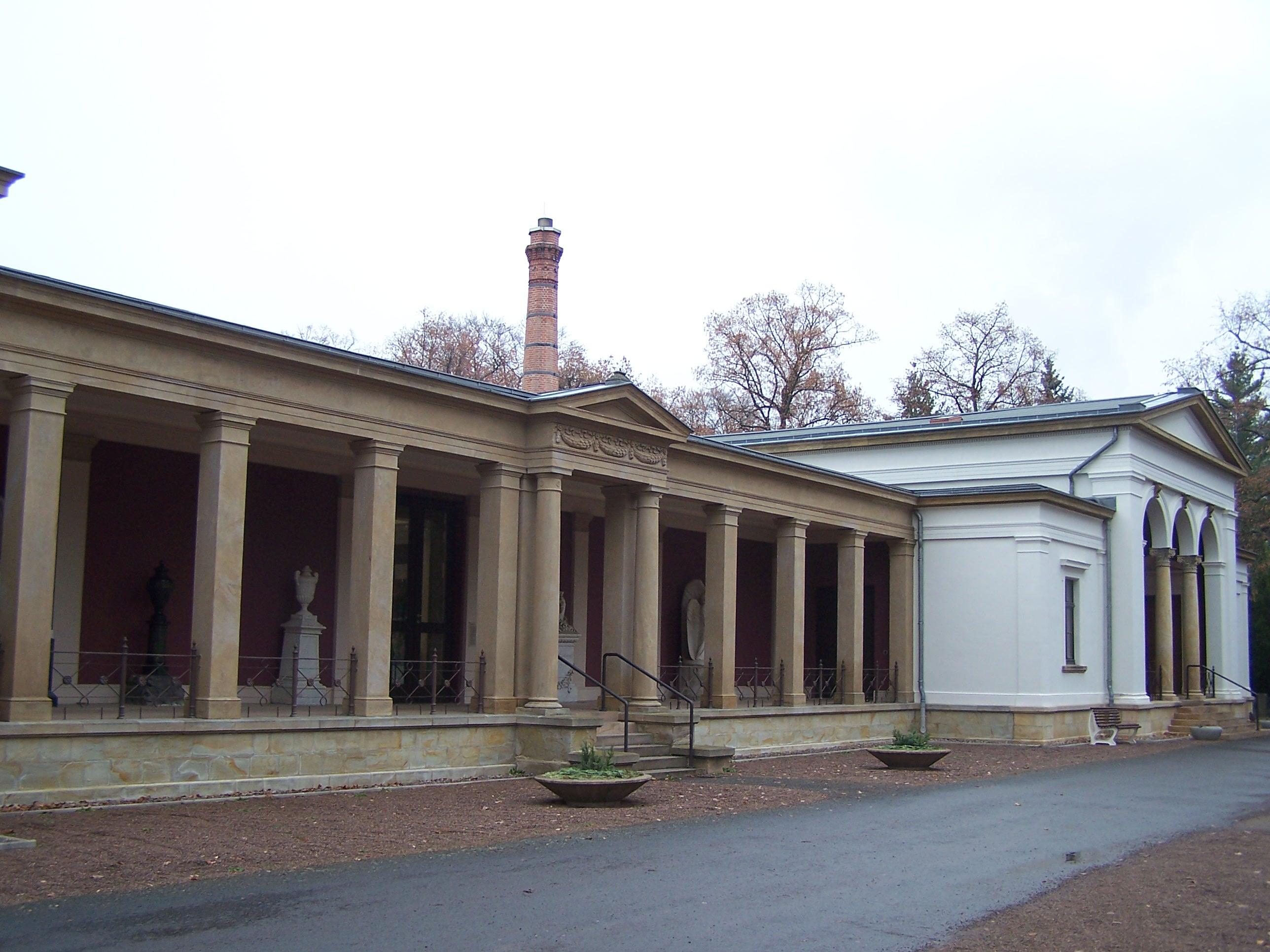
At the heart stands a neoclassical crematorium built in 1878 by Julius Bertuch. Its long Seeberger sandstone colonnade ends in two temple-like pavilions with triangular pediments. The building housed Germany’s first cremation oven, developed by engineer Karl Heinrich Stier, who became its first cremation there. A glass-roofed columbarium added in 1892 contains numerous urns, including that of peace campaigner Bertha von Suttner.
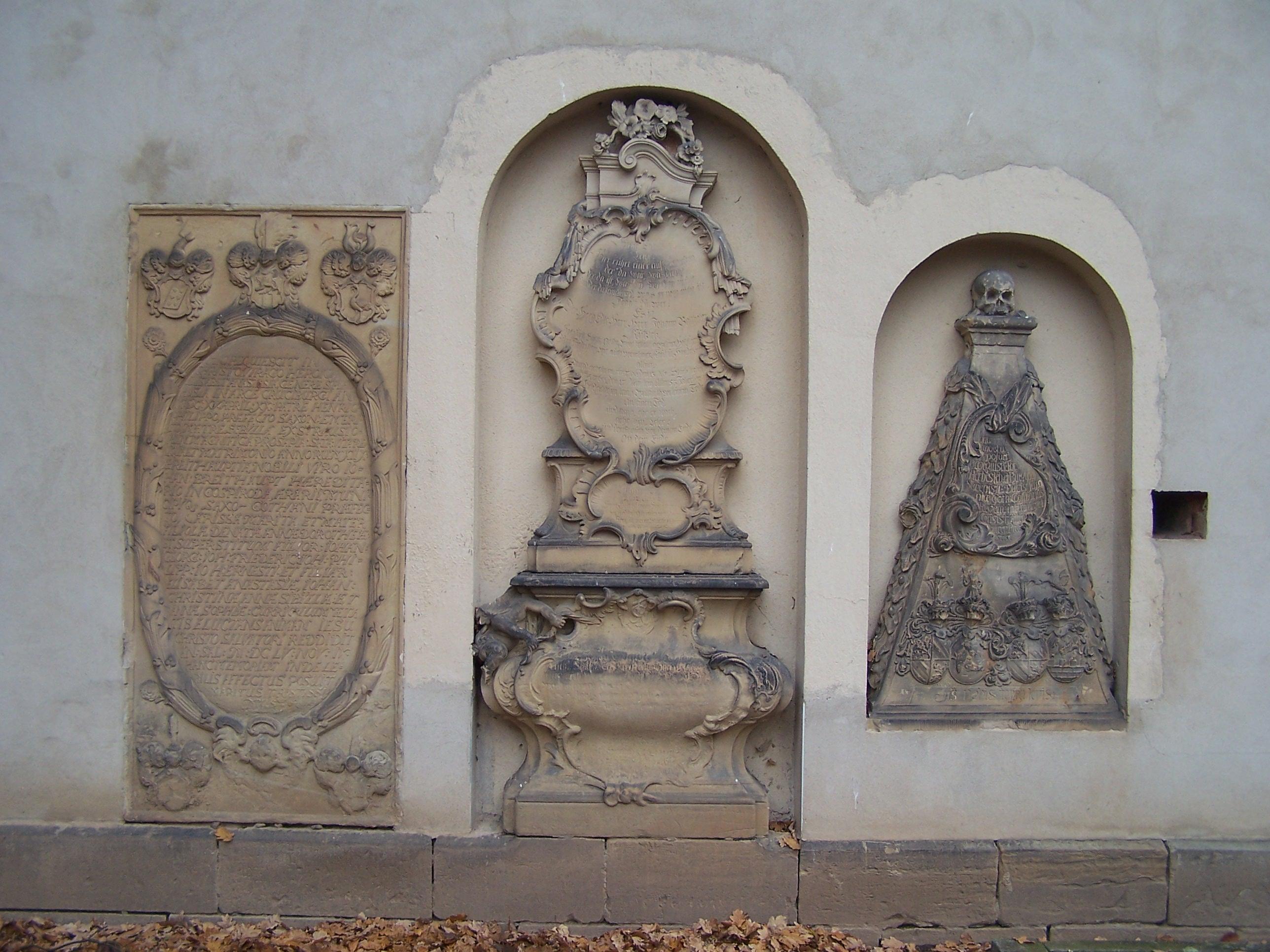
Expansions in 1908 and 1920 allowed the grounds to grow alongside Gotha. Historic gravestones transferred from older cemeteries now line the main path. Restoration work since the 1990s has preserved the crematorium, columbarium, and the connection between mourning and everyday city life. The sandstone colonnade remains the defining sight among the trees.
- City
- Gotha
- Content updated
Take this page with you
The myTuur app is free, and once you are standing at a spot its story starts by itself.


Spots like this one are the stops myTuur strings into tours through Gotha. In the app, each story begins where you stand: walk up to a spot and it starts, read it on screen or listen as you go, then follow the route to the next one.
What is myTuur?
myTuur is a free city-guide app. Its tours are built from spots, and each spot carries a story that starts when you get there, to read or to listen to as you like.