Kommunitetsbygningen
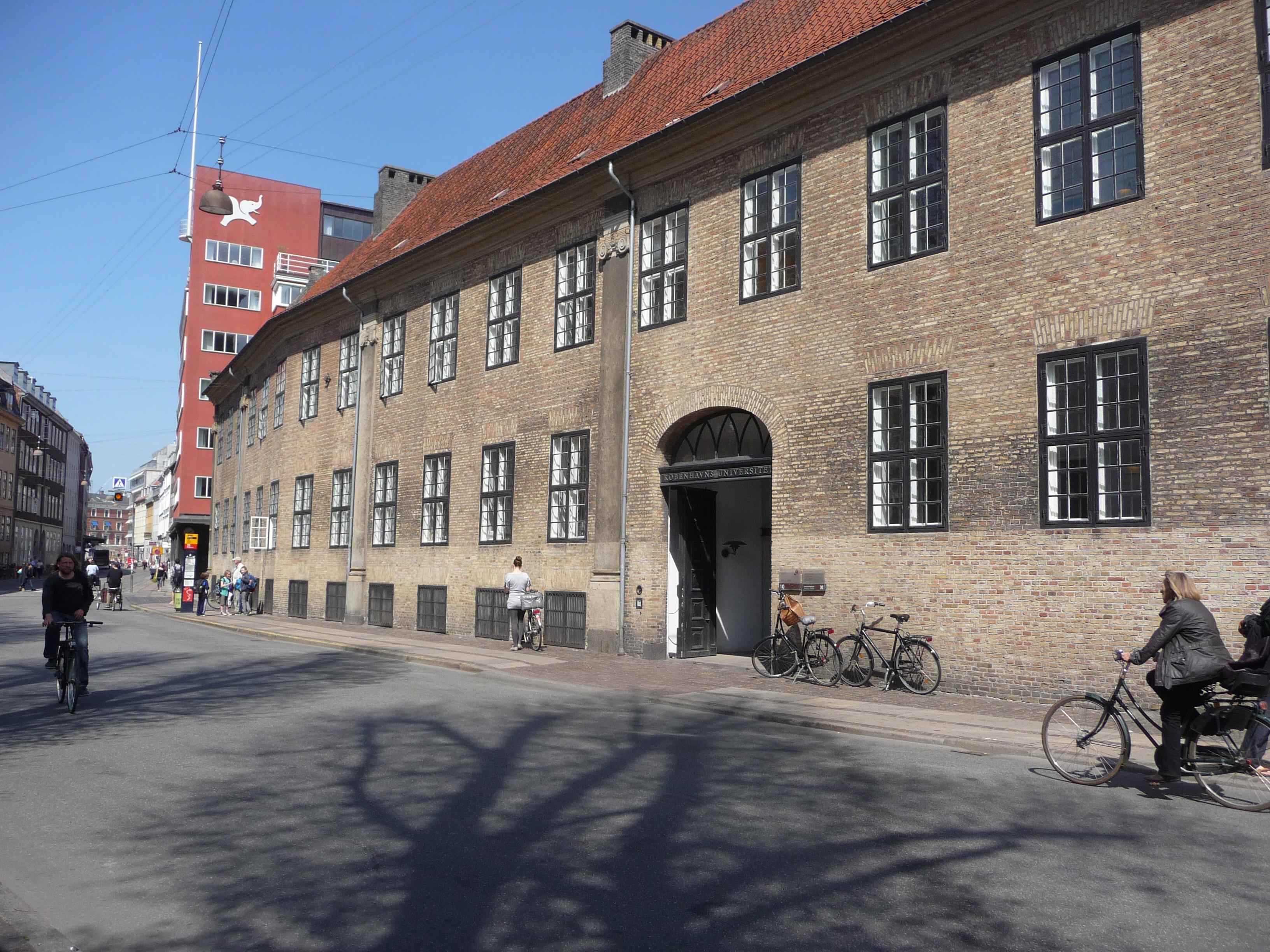
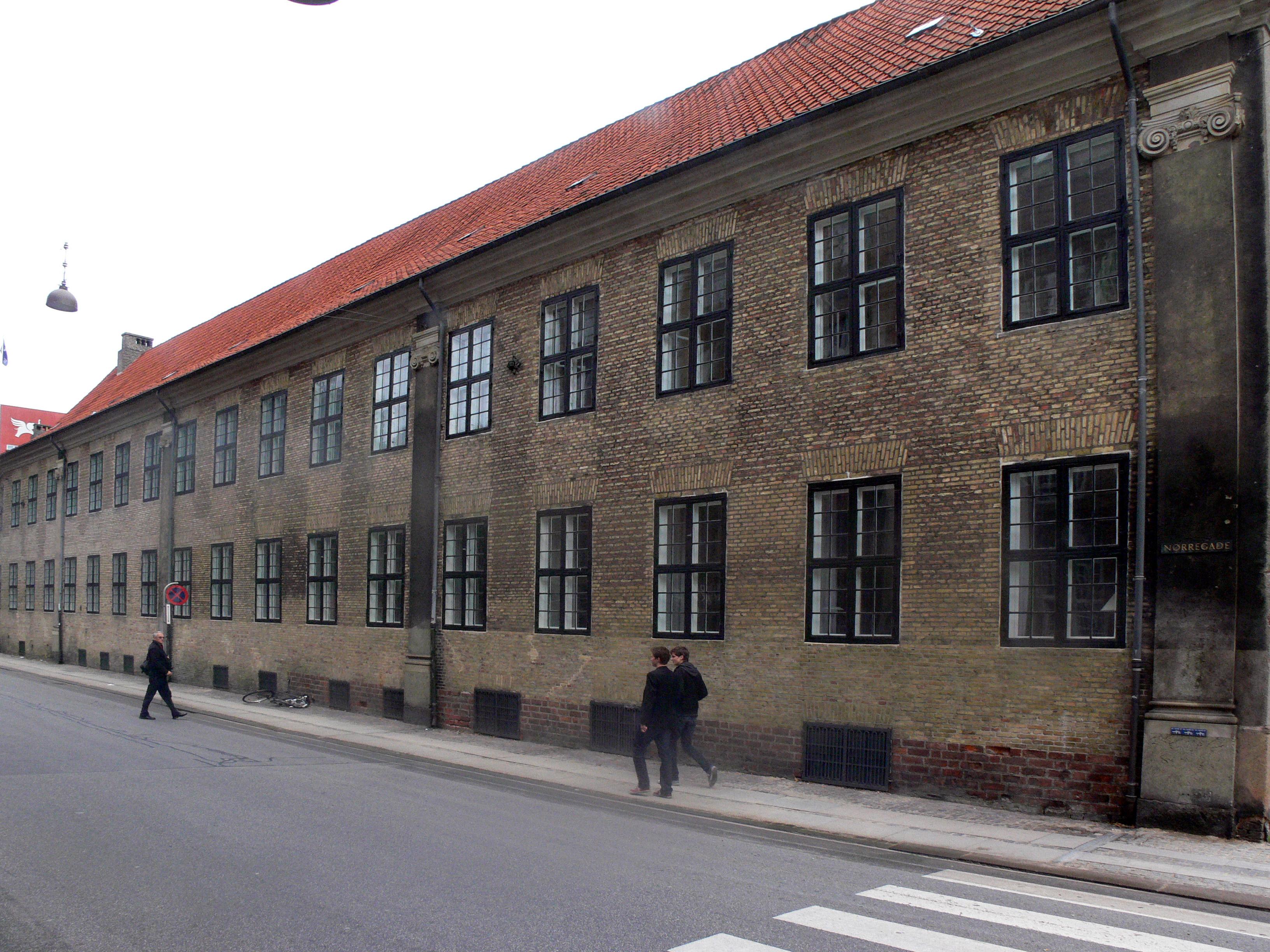
Kommunitetsbygningen stretches along Nørregade beside the University of Copenhagen’s main building, facing Frue Plads. Its brick façade and long university setting show Copenhagen architecture at a meeting point between earlier and later centuries.
The oldest section stands at the corner of Frue Plads and Nørregade, where a fifteenth-century bishop’s residence once stood. The building took its present institutional form during renovations in the 1620s. Founded by Frederik II in 1569, the Kommunitet supported students with meals and university resources. Two daily meals were served on the ground floor, while student activities occupied rooms above. Beneath them, Munkekælderen held a kitchen and storeroom with a vaulted ceiling. Large iron hooks and rings still mark where beef sides, hams, and other provisions once hung.
After 1736, money replaced the meals, and the rooms changed purpose. In 1772, the Mineralogical Museum opened here before becoming the Geological Museum and moving to the Botanical Garden in 1893. The cellar later hosted student jazz evenings and parties during the 1970s, then returned to university receptions and gatherings. Nearby university buildings, including the 1861 library, echo its brickwork around Frue Plads. Looking up inside Munkekælderen, the iron rings preserve the clearest trace of its former provisions.
- City
- Copenhagen
- Content updated
Take this page with you
The myTuur app is free, and once you are standing at a spot its story starts by itself.


Spots like this one are the stops myTuur strings into tours through Copenhagen. In the app, each story begins where you stand: walk up to a spot and it starts, read it on screen or listen as you go, then follow the route to the next one.
What is myTuur?
myTuur is a free city-guide app. Its tours are built from spots, and each spot carries a story that starts when you get there, to read or to listen to as you like.