الفسطاط
Al-Fustat is a nature spot in Egypt, where uneven ground and broken walls mark a foundational place in Cairo’s history. The open sky frames traces of streets, courtyards, and former city life.
This was Egypt’s first Islamic capital, growing from a camp beside the Nile into a centre of trade and administration. Its name means “the tent.” General Amr ibn al-As established that camp here after the Arab conquest, and the settlement became a capital distinct from Alexandria.
Tall houses once crowded the streets, while water channels and sewers ran beneath them. The city connected Arabia, Africa, and the Mediterranean world through trade and administration.
The Mosque of Amr ibn al-As links the site with the first call to prayer associated with this city. The mosque still stands after repeated rebuilding. Layers of earth preserve outlines of Al-Fustat’s streets, walls, and courtyards within the fabric of Old Cairo.
The ground records a city that shaped Egypt’s Islamic history beside the Nile. Its quiet remains place Cairo’s beginnings among mudbrick, walls, open sky, and trade routes.
- City
- Cairo
- Content updated
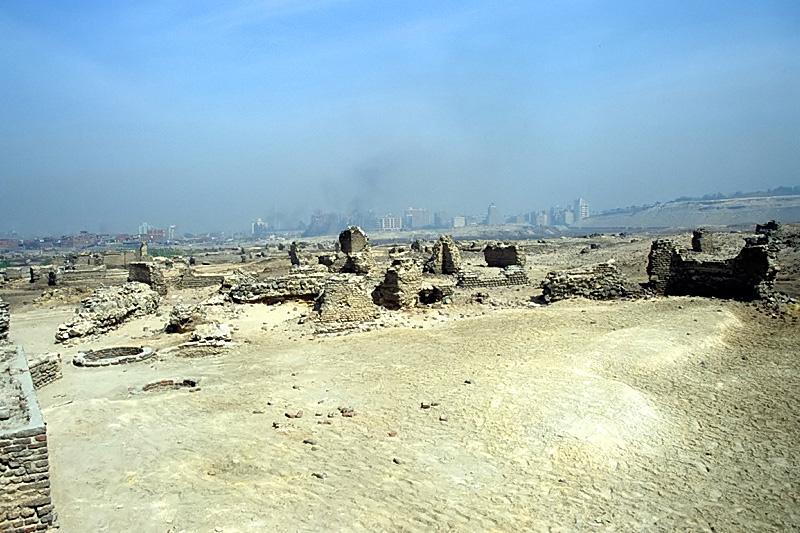
Image: Roland UngerCC BY-SA 3.0 
Image: Unknown authorUnknown authorPublic domain 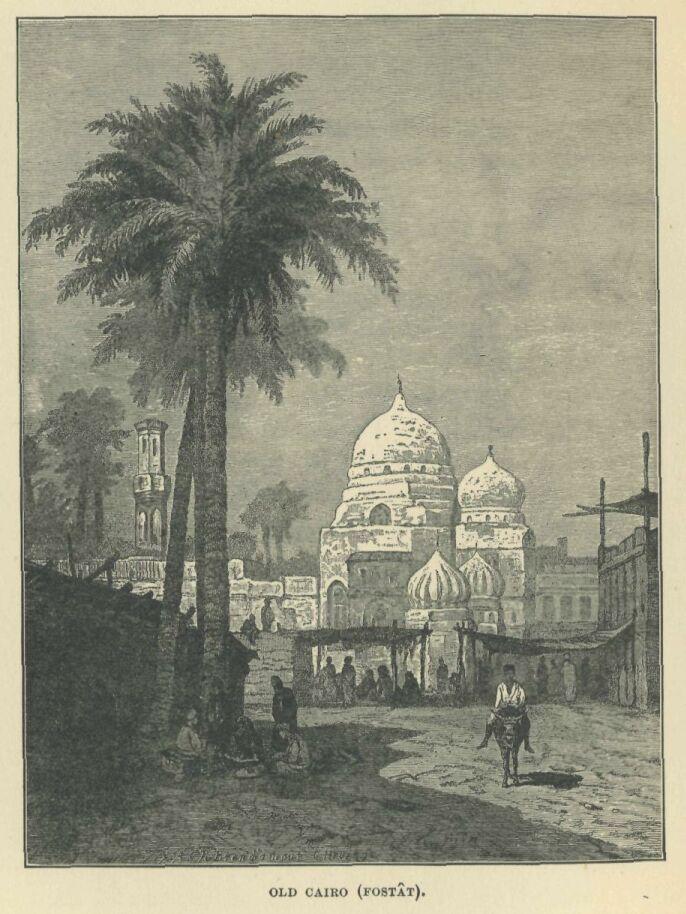
Image: Rappoport, A.S. (Angelo Solomon), 1871-1950 VIAF (71482297)Public domain 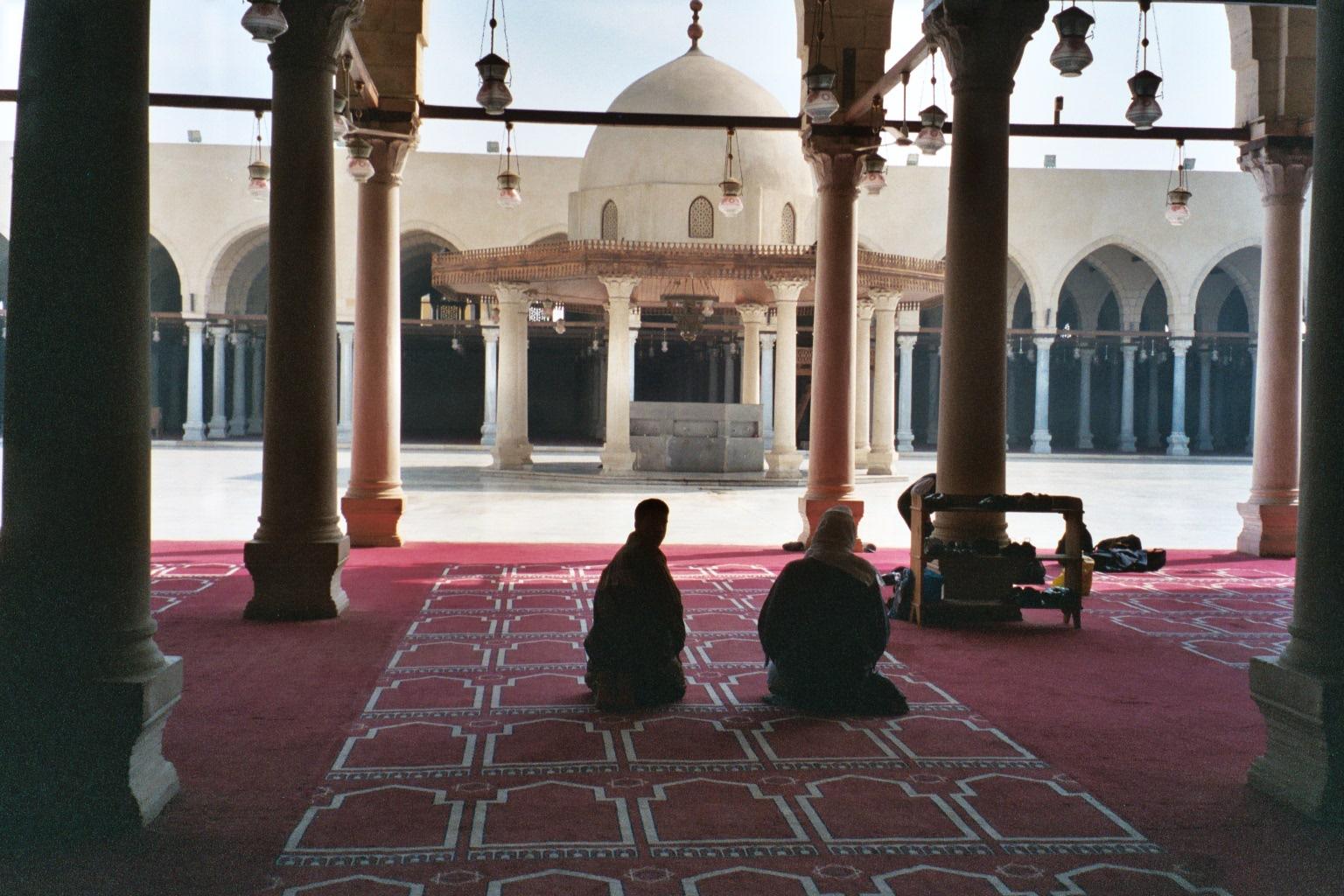
Image: Michel BenoistPublic domain
Take this page with you
The myTuur app is free, and once you are standing at a spot its story starts by itself.


Spots like this one are the stops myTuur strings into tours through Cairo. In the app, each story begins where you stand: walk up to a spot and it starts, read it on screen or listen as you go, then follow the route to the next one.
What is myTuur?
myTuur is a free city-guide app. Its tours are built from spots, and each spot carries a story that starts when you get there, to read or to listen to as you like.