Brandenburger Tor
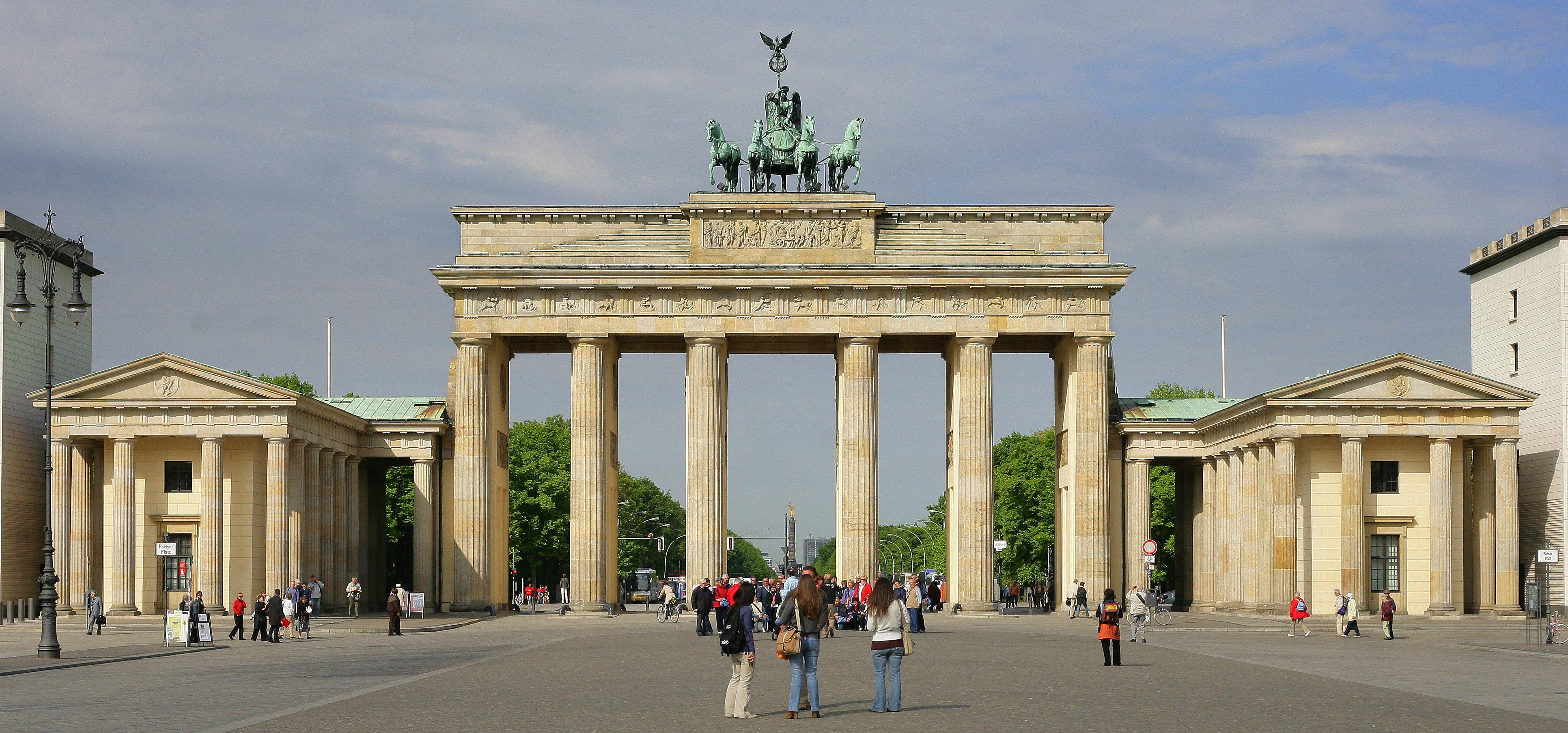
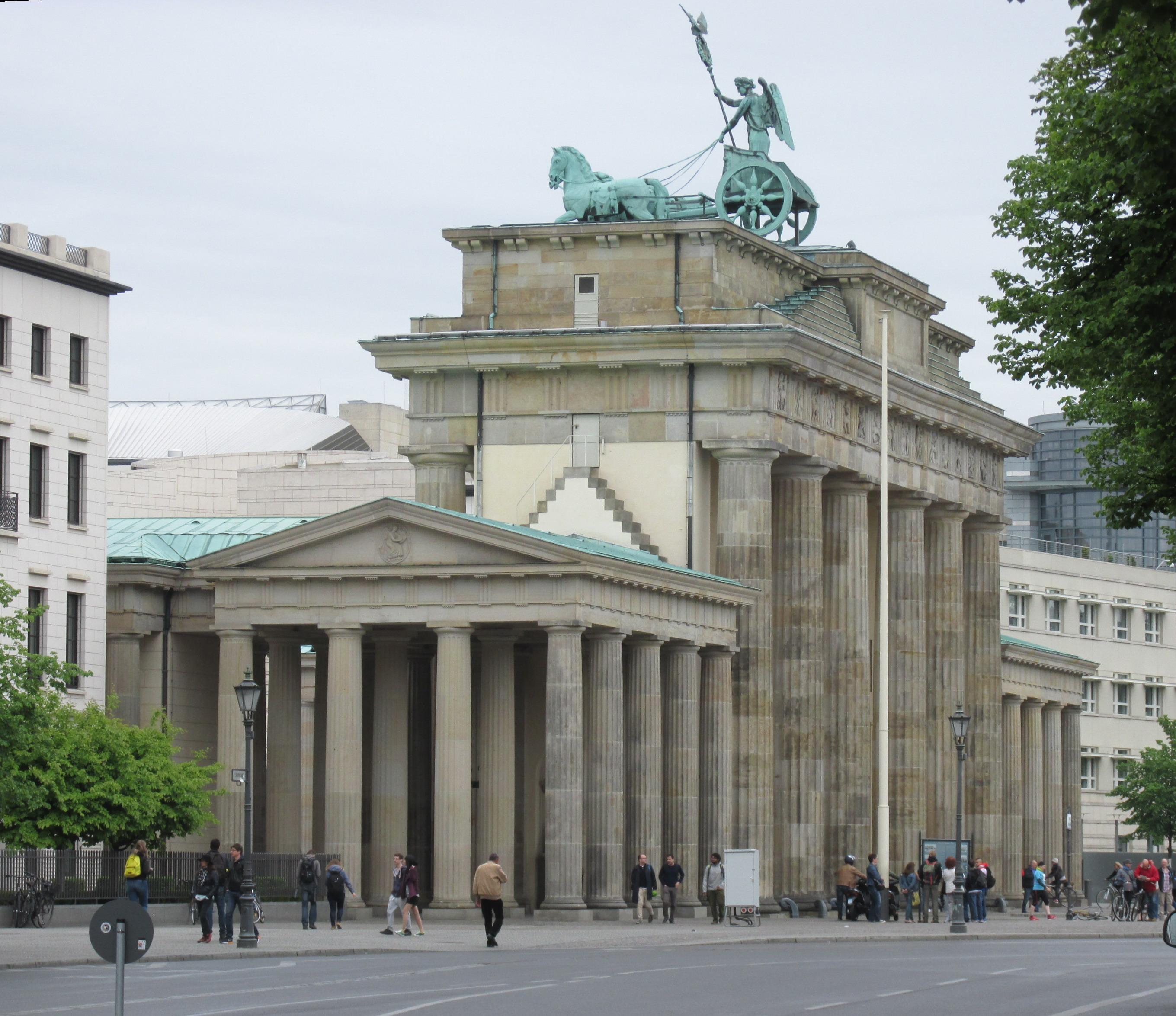
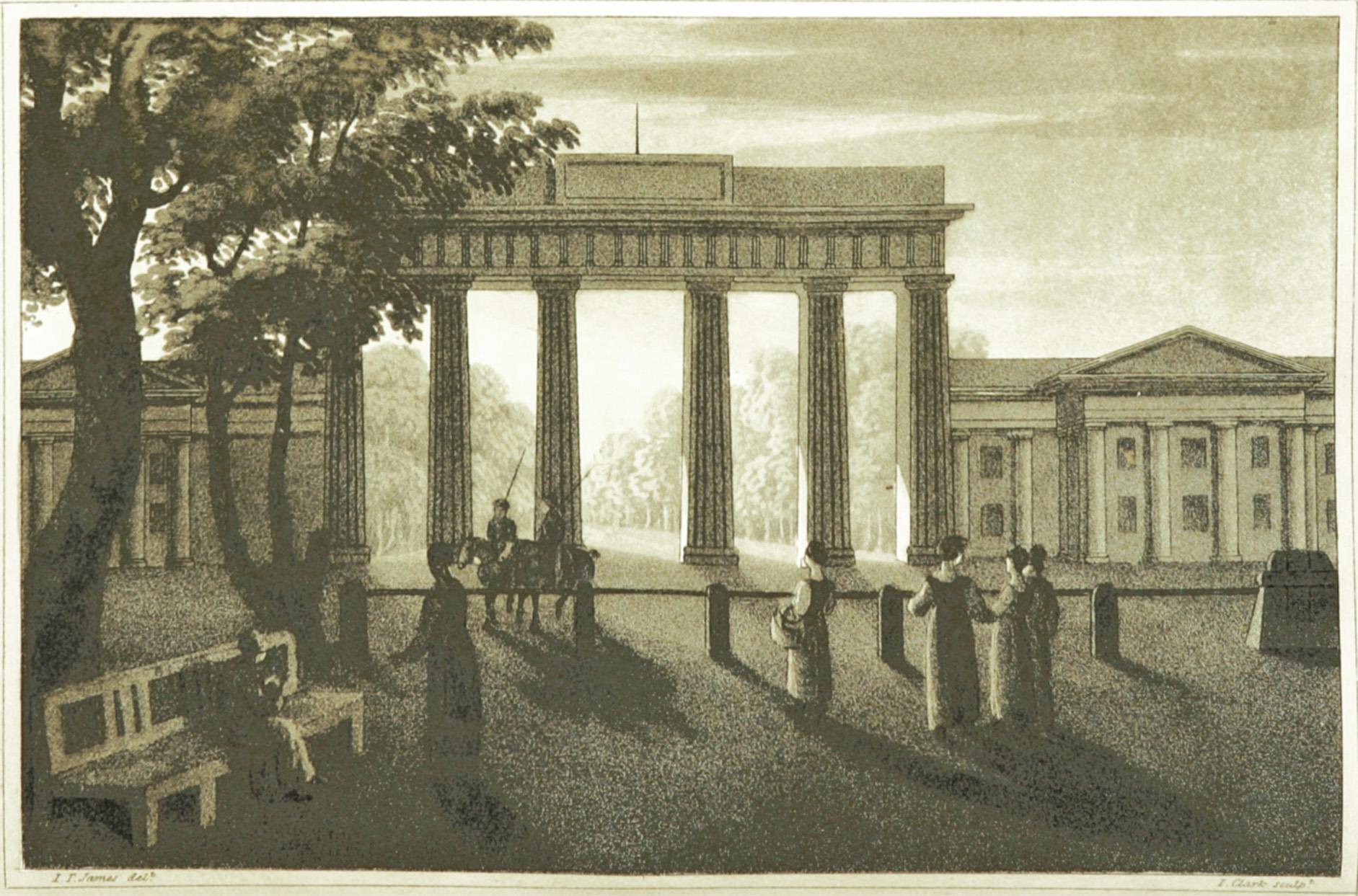
Brandenburger Tor rises in Germany as a broad sandstone gate beneath an open sky. Its twelve sandstone columns create five passageways beneath the wide façade. Carl Gotthard Langhans directed construction between 1788 and 1791, drawing its form from the Propylaea of Athens.
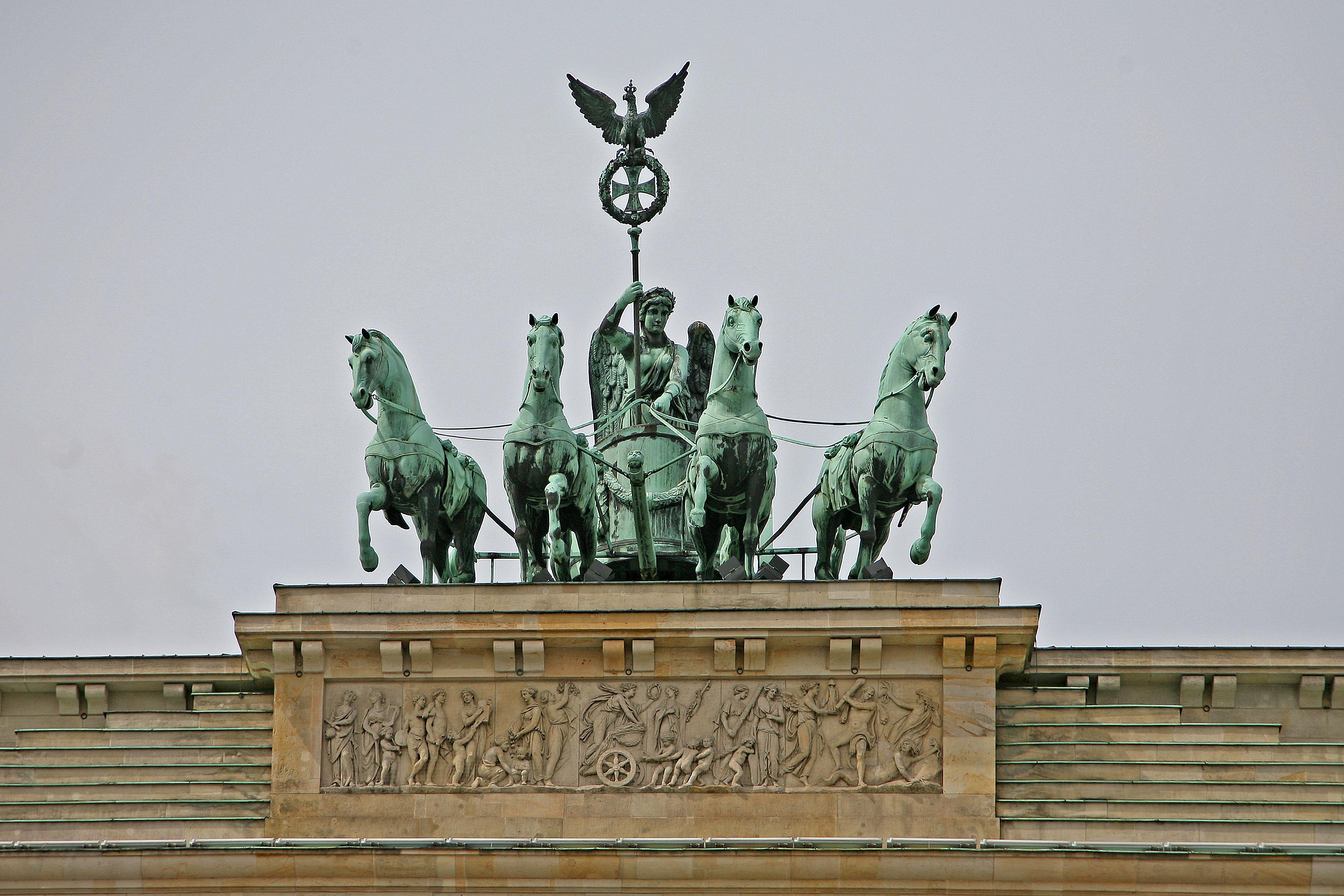
Two years after completion, Johann Gottfried Schadow placed the bronze Quadriga above the gate, with Victoria guiding four horses. The sculpture travelled to Paris after Prussia’s defeat. World War II left the structure heavily damaged, and reconstruction in the 1950s replaced the Quadriga with a copy. During the city’s division, a restricted zone prevented visitors from passing through the openings. After the wall opened in 1989, the restored gate became a passage again and hosted gatherings, concerts, and New Year’s Eve celebrations.
Today, the bronze chariot remains the detail that draws your gaze above the sandstone columns. Four bronze horses face forward beneath the figure of Victoria.
- City
- Berlin
- Content updated
Take this page with you
The myTuur app is free, and once you are standing at a spot its story starts by itself.


Spots like this one are the stops myTuur strings into tours through Berlin. In the app, each story begins where you stand: walk up to a spot and it starts, read it on screen or listen as you go, then follow the route to the next one.
What is myTuur?
myTuur is a free city-guide app. Its tours are built from spots, and each spot carries a story that starts when you get there, to read or to listen to as you like.