Höhmannhaus
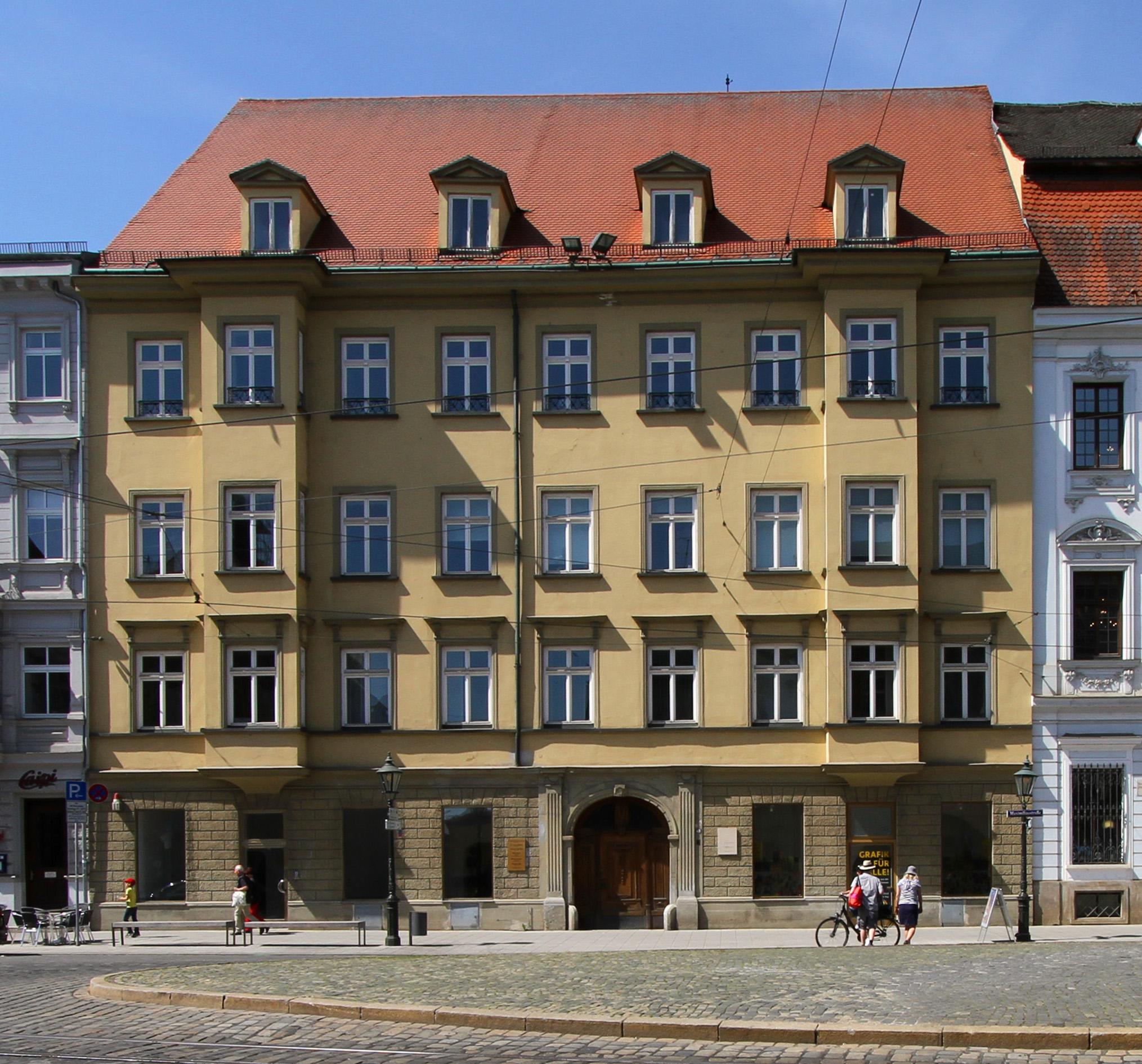
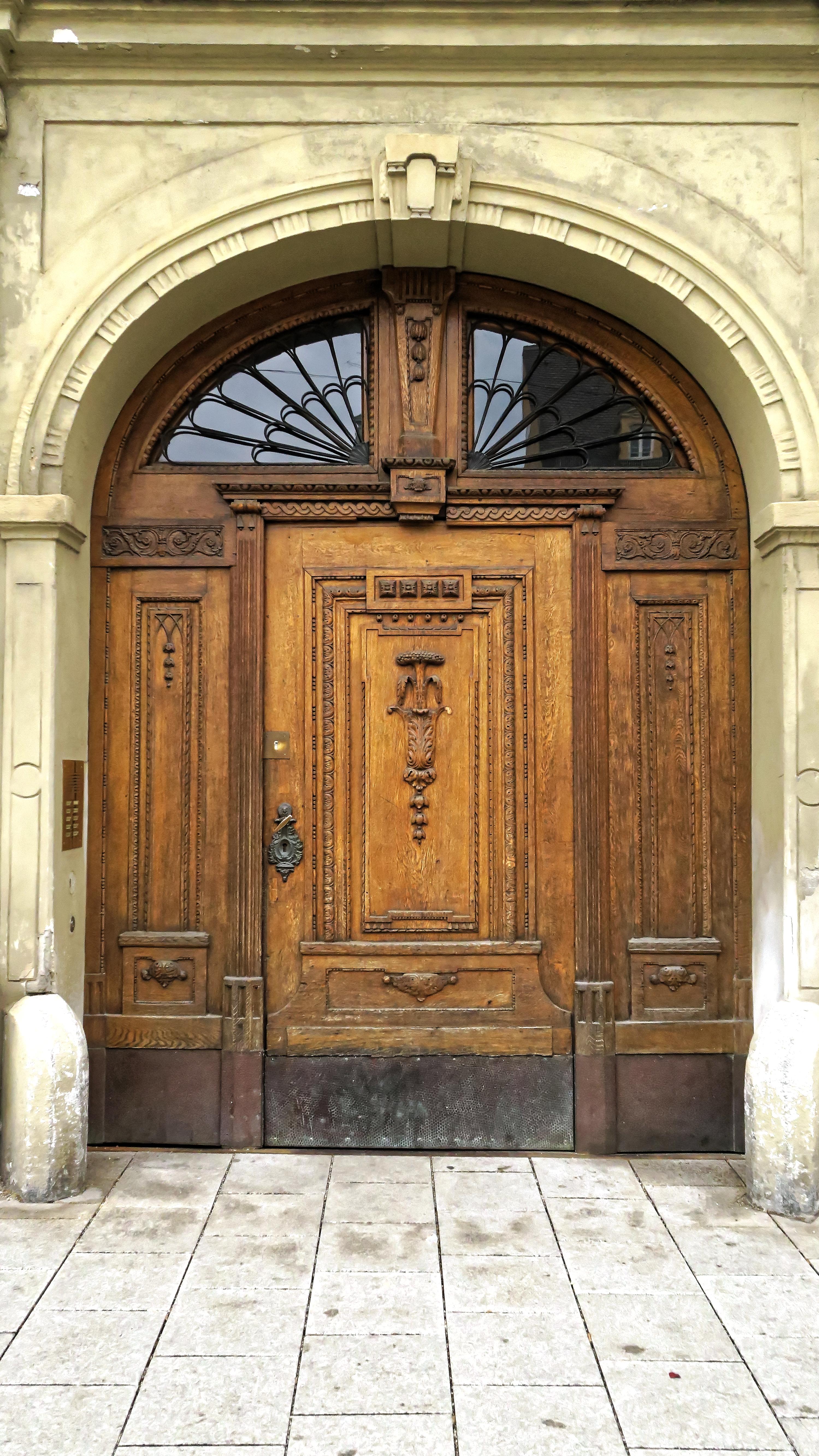
The Höhmannhaus, a four-storey townhouse with a gabled roof, stands in Augsburg's city centre beside the Schaezlerpalais. From the street it looks plain: two bay windows, a basket-arched portal, a front that is a nineteenth-century redesign. The core reaches back to the sixteenth and seventeenth centuries, when two separate houses merge into one property.
Ulrich Herwarth owns it in the sixteenth century, and the Christel family, Hieronymus Fugger, Arnold Schanternell and Elias Matthäus Miller come next. In the early eighteenth century Friedrich Magnus zu Castell-Remlingen moves in with Maria Anna Augusta Fatma, a Turkish pasha's daughter. Because Friedrich Magnus lacks Augsburg citizenship, Heinrich Maurmann buys it on his behalf in 1709. In the nineteen thirties Hans and Anna Höhmann acquire the house and open an eye clinic. Bombs destroy its chapel and part of the northern wing in the Second World War, and that gap remains. Their daughter Ruth, the last private owner, bequeaths the house to the city of Augsburg in 2004.
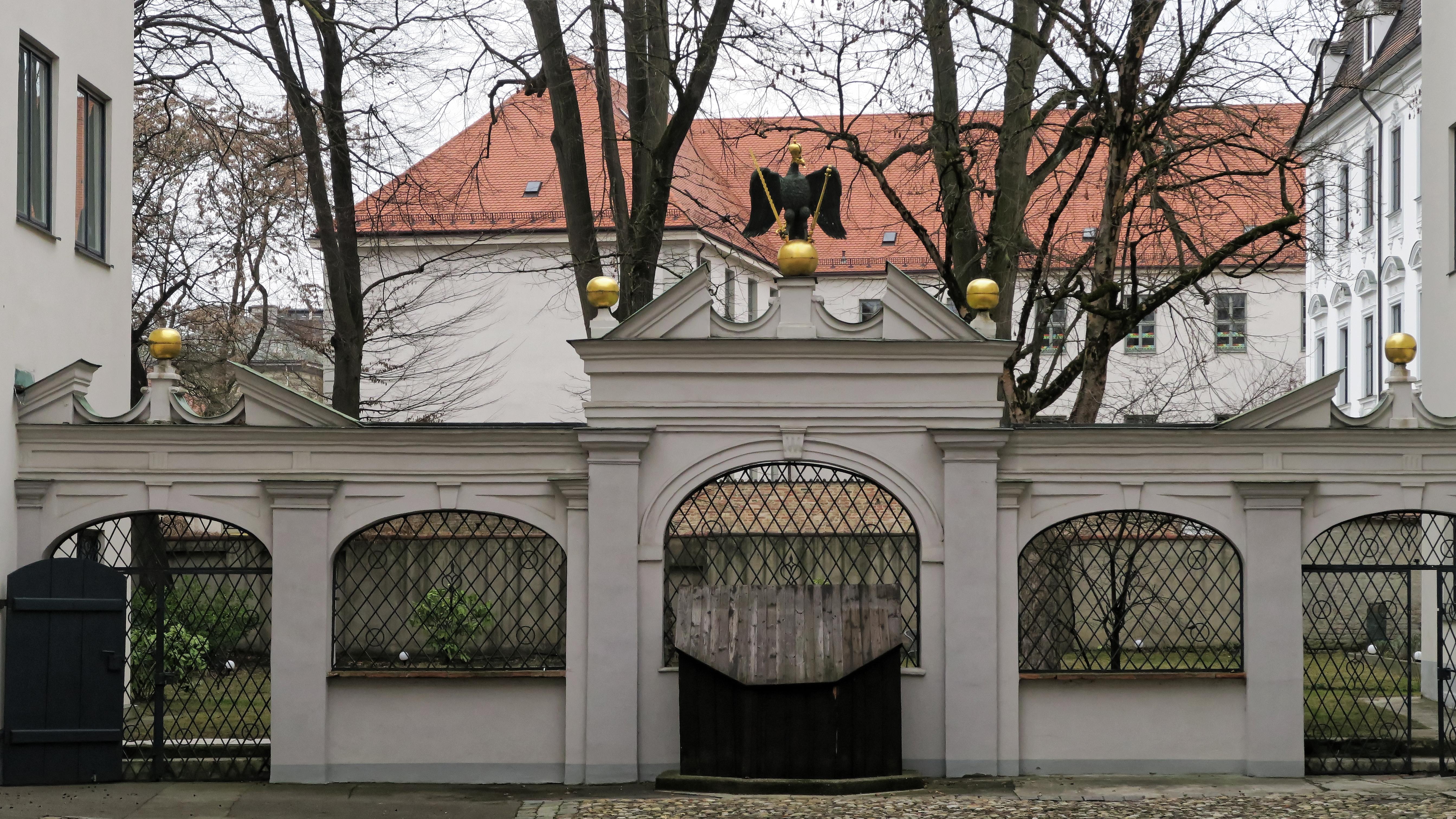
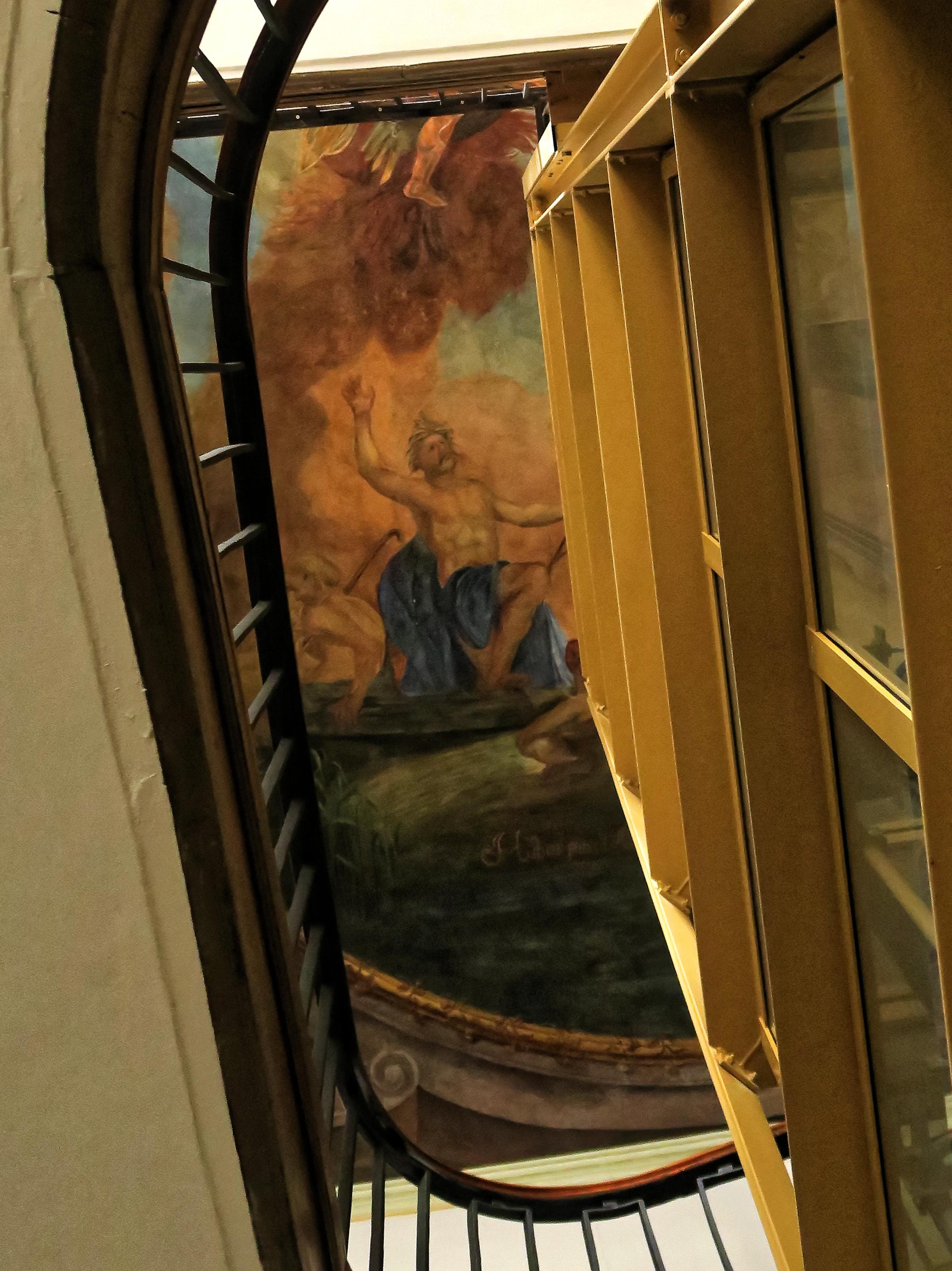
A passageway with wooden floorboards leads you to a courtyard and a three-flight staircase with inlaid landings and terrazzo floors. Overhead, Johann Joseph Anton Huber's fresco of 1764 shows the fall of Phaeton and the mourning Heliades. Lech pebbles cover most of the courtyard, and a fountain rises at its centre. Elias Holl, Augsburg's well-known city architect, raises the five-arched arcade wall around 1620. A golden imperial eagle crowns the wall above a garden of old trees. Since 1996 the Neue Galerie im Höhmannhaus has shown contemporary art from Augsburg and beyond. The ground-floor Grafisches Kabinett rotates pieces from Augsburg's graphic collection: drawings, etchings and goldsmith designs from the sixteenth to the nineteenth centuries. Works by Hans Holbein and Elias Holl hang among them. Bavaria lists the house as a historic monument, and tenants live in the apartments upstairs.
- City
- Augsburg
- Content updated
Take this page with you
The myTuur app is free, and once you are standing at a spot its story starts by itself.


Spots like this one are the stops myTuur strings into tours through Augsburg. In the app, each story begins where you stand: walk up to a spot and it starts, read it on screen or listen as you go, then follow the route to the next one.
What is myTuur?
myTuur is a free city-guide app. Its tours are built from spots, and each spot carries a story that starts when you get there, to read or to listen to as you like.