Spui
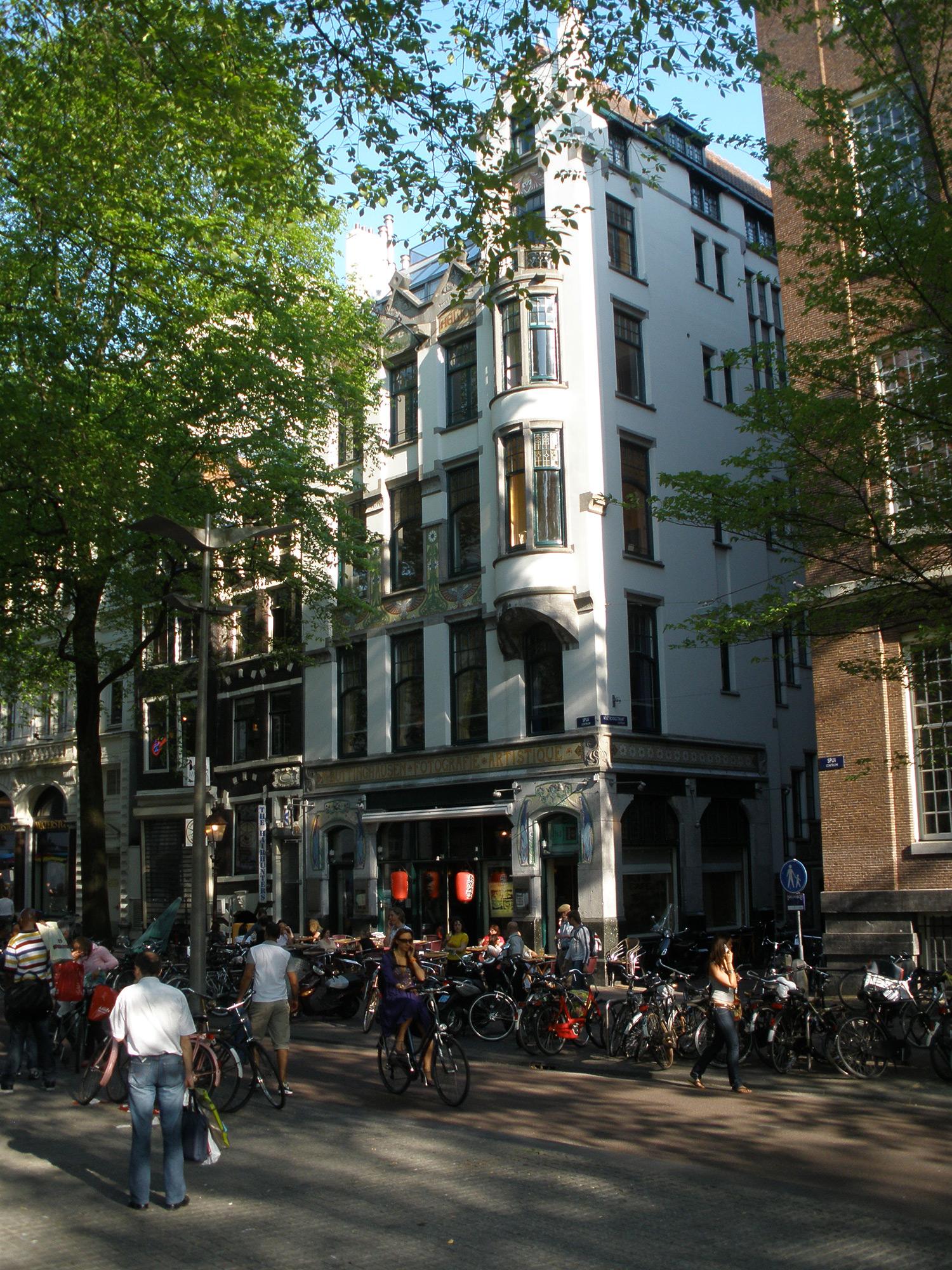
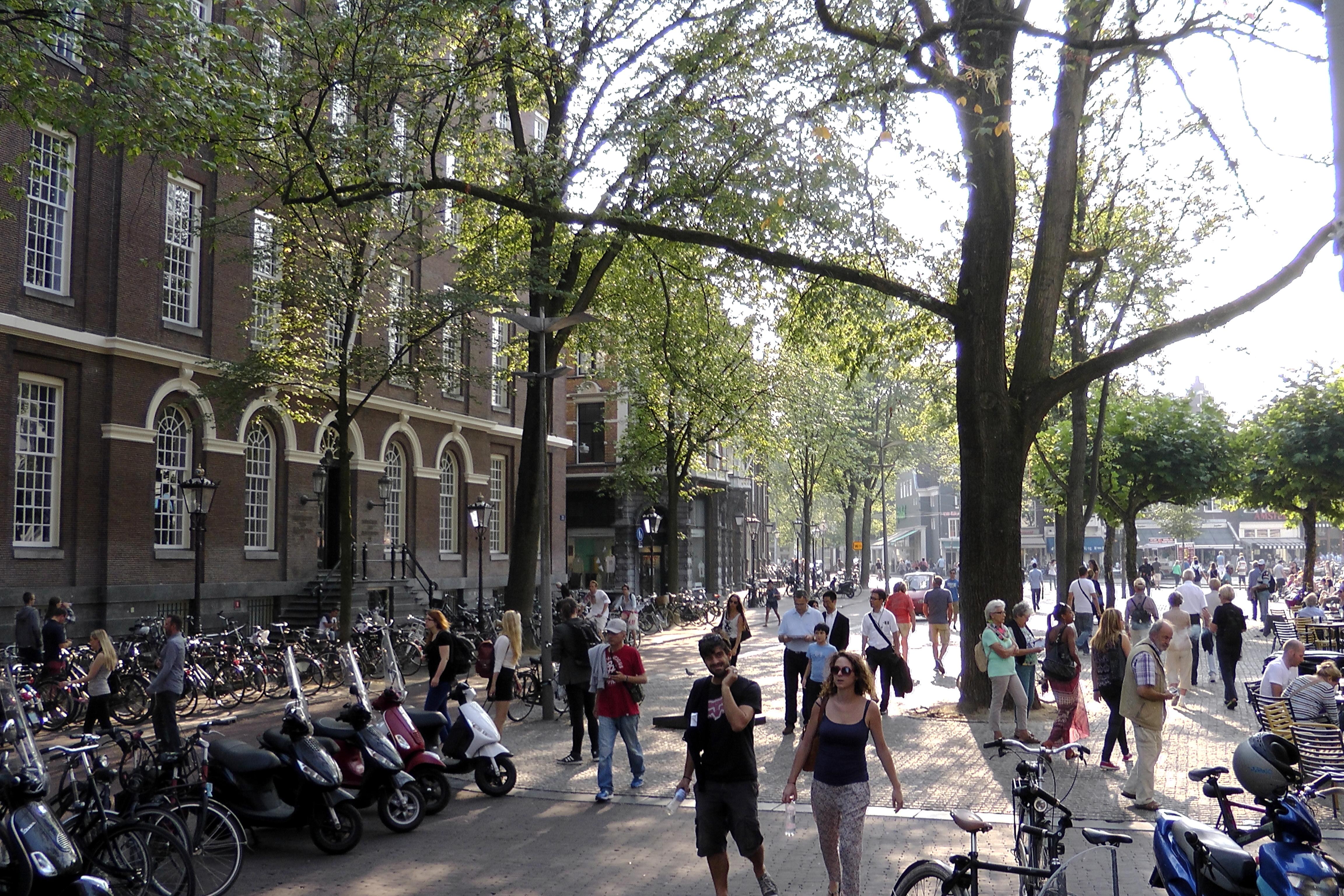
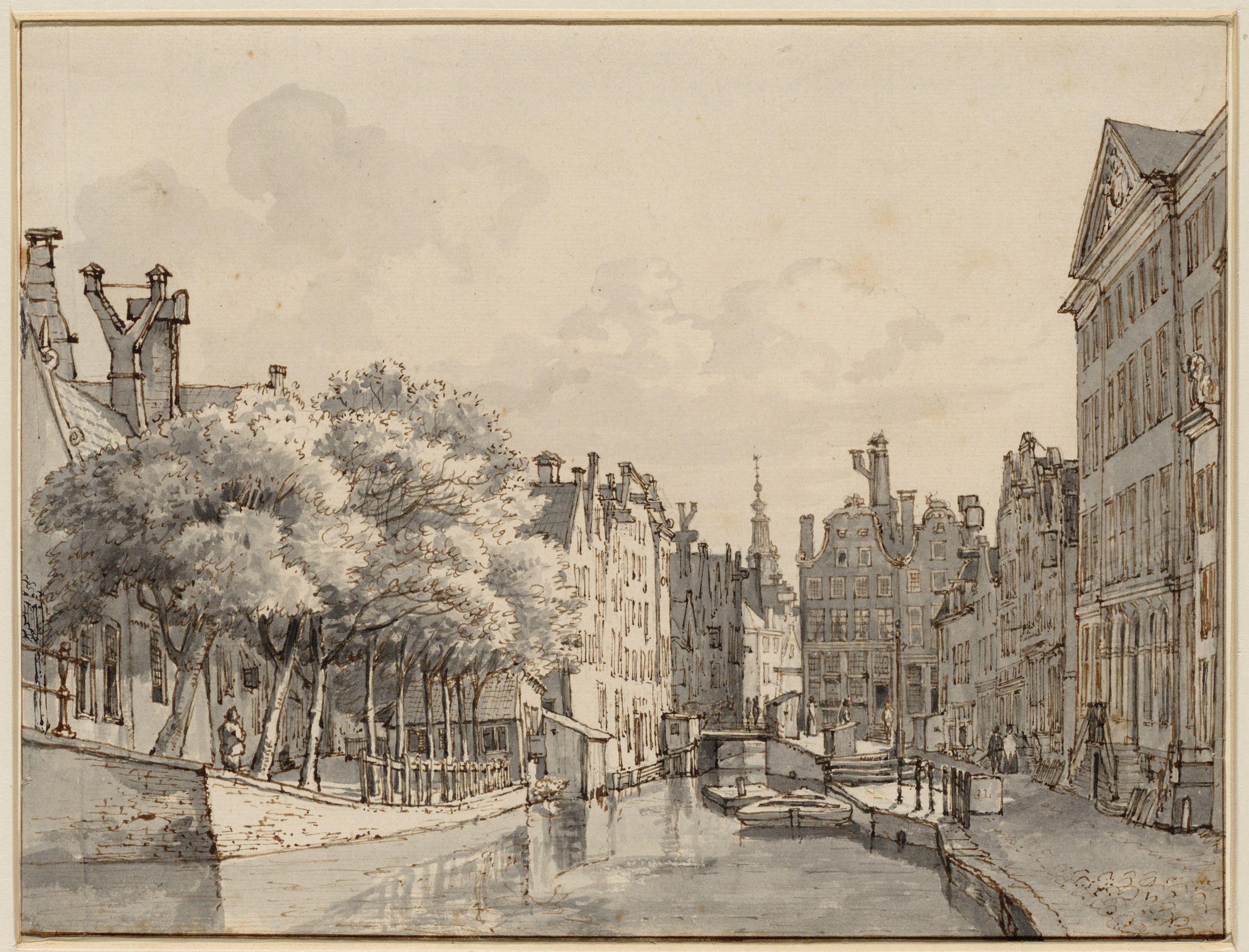
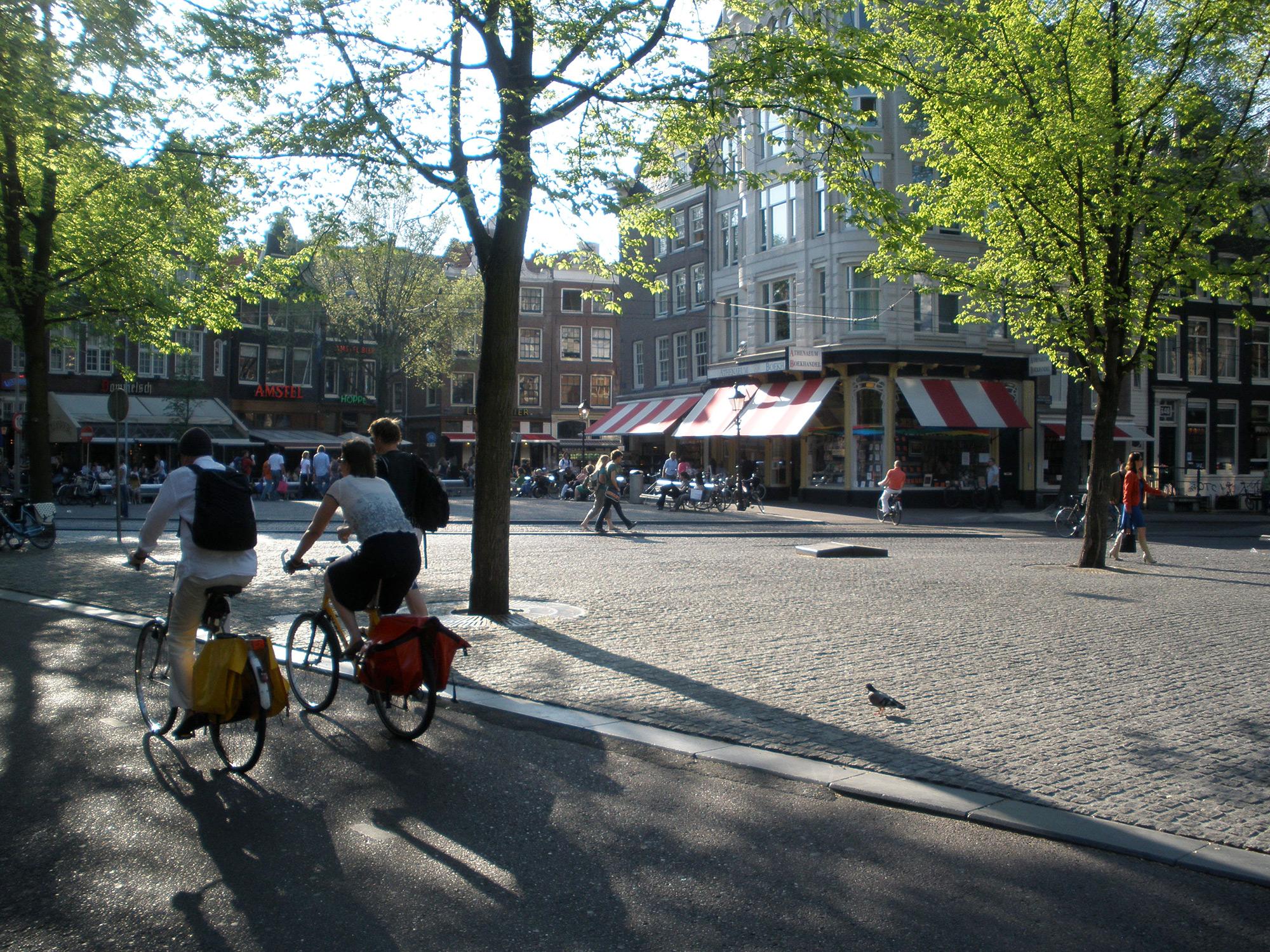
Spui is a square in central Amsterdam, mostly car-free, where bookshops, cafés, markets and historic façades surround pedestrian space. The place began as water beside Amsterdam’s southern boundary. In the early fifteenth century, this discharge channel marked the city’s southern edge before becoming a public square. Today, paving and open space replace that water.
The name refers to an Old Dutch lockable outlet, describing a point where water could be released. The Singel became an outer moat in the 1420s. After the channel was filled in 1882, a 1996 redesign left the area largely free of cars. That change supports walking across the site.
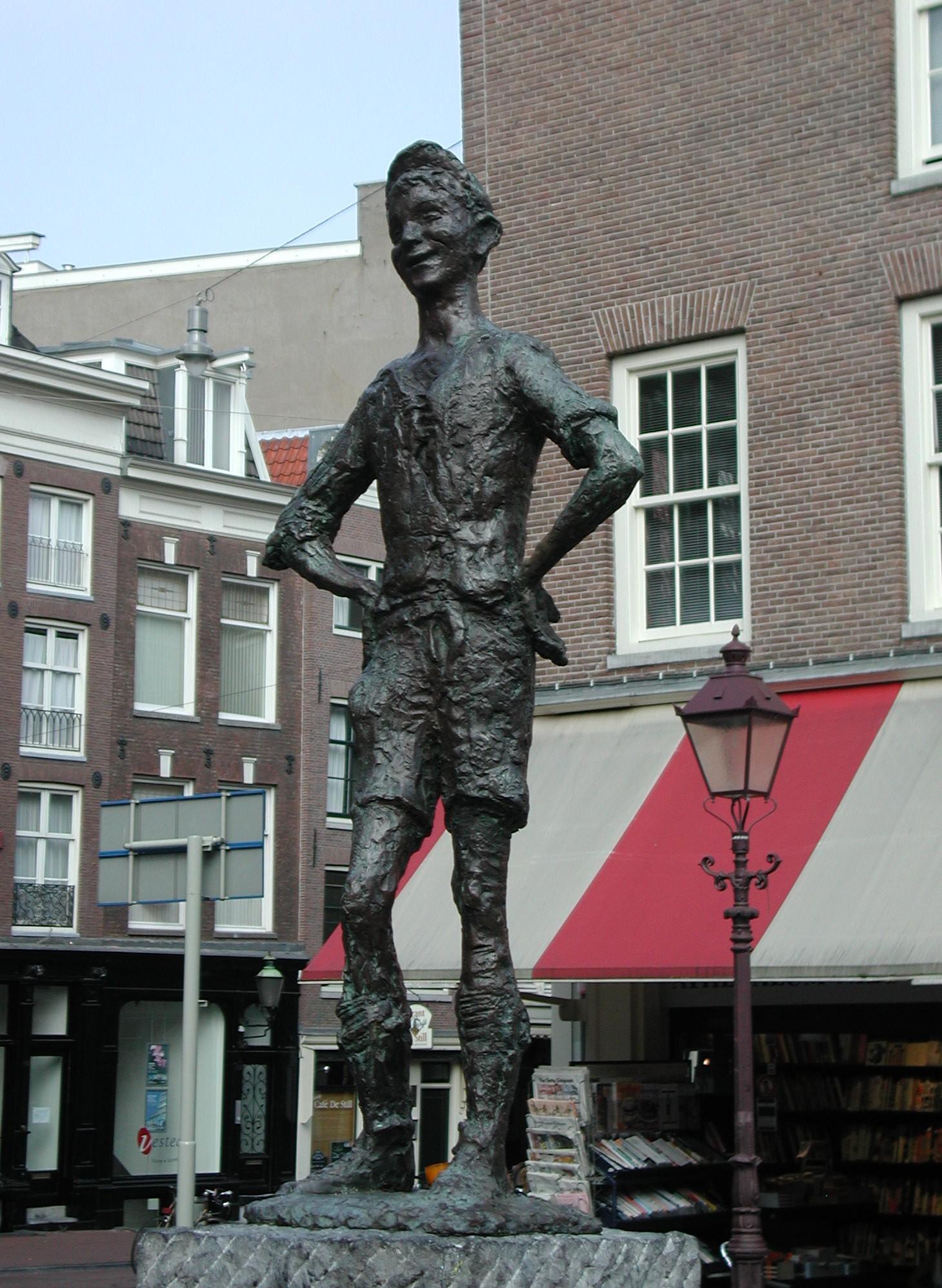
Markets give the setting a cultural focus, with second-hand books, rare volumes, paintings, photographs and sculptures. Bookshops include Waterstones and the American Book Center. An entrance here leads into Begijnhof, a medieval courtyard dating from the early fourteenth century. Het Lieverdje is a small statue linked to Amsterdam’s youth and Provo gatherings in the 1960s. Three stone pairs by Lawrence Weiner carry Dutch text beside translations.
- City
- Amsterdam
- Content updated
Take this page with you
The myTuur app is free, and once you are standing at a spot its story starts by itself.


Spots like this one are the stops myTuur strings into tours through Amsterdam. In the app, each story begins where you stand: walk up to a spot and it starts, read it on screen or listen as you go, then follow the route to the next one.
What is myTuur?
myTuur is a free city-guide app. Its tours are built from spots, and each spot carries a story that starts when you get there, to read or to listen to as you like.