معبد نفرتاري
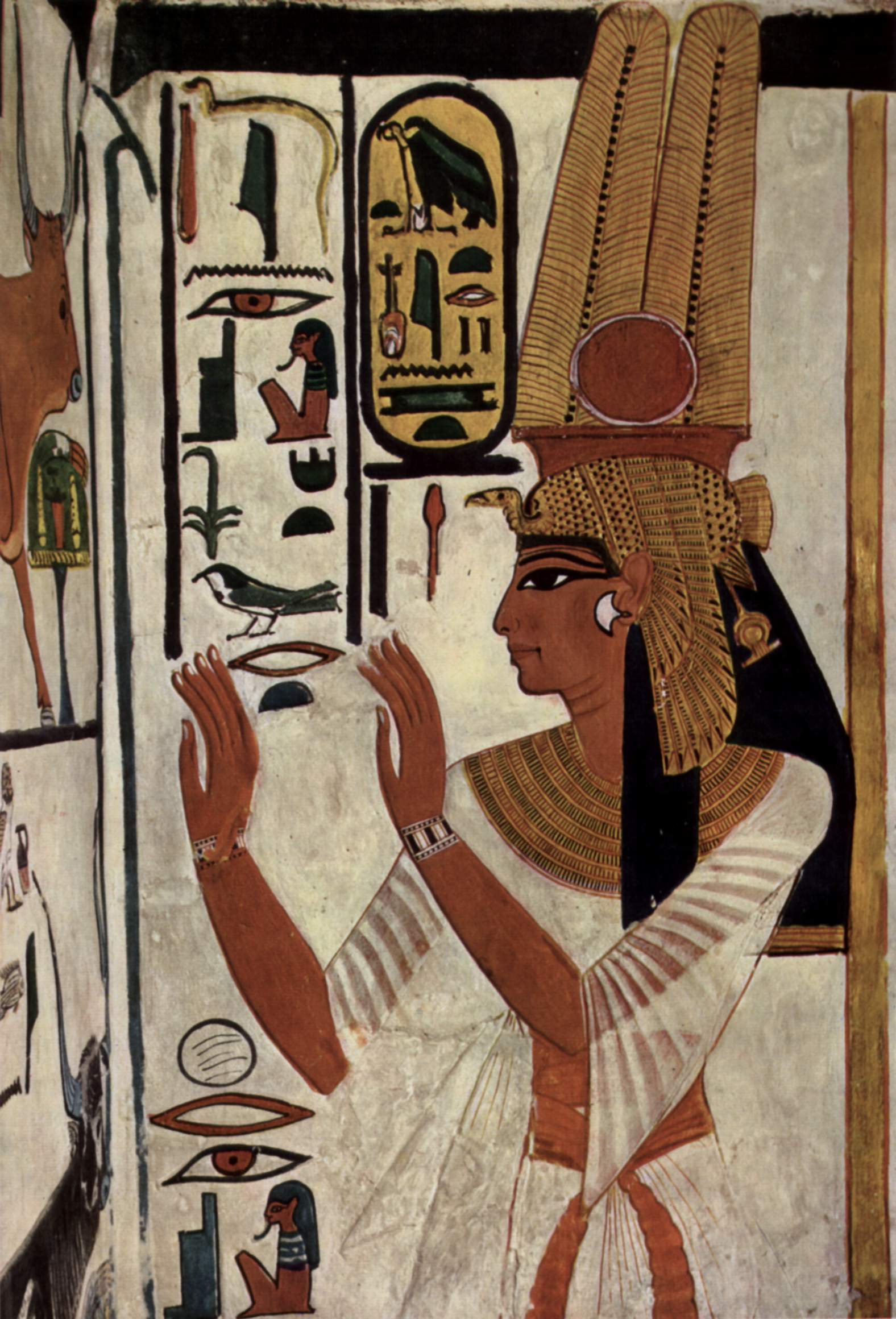
The Temple of Nefertari stands at Abu Simbel in Egypt, carved into a sandstone cliff beside the desert. Its façade presents colossal figures of Queen Nefertari and Ramesses II.
The queen matches the pharaoh’s height, giving the entrance a striking image of shared royal presence. Detailed carved hieroglyphs cover the sandstone around them. Scenes devoted to Hathor connect the temple with love, music, and protection.
The sanctuary was cut directly from the rock during the New Kingdom. Ancient craftsmen shaped its surfaces with precise tools and sustained labour. Desert winds later buried the temple almost completely before explorers uncovered it again.
Modern preservation moved the structure higher when rising water threatened the temple. Workers cut the temple into blocks and rebuilt it piece by piece. The result joins ancient devotion with a remarkable act of architectural preservation.
The entrance places Nefertari beside her husband in a setting shaped for divine association. Sandstone gives the façade its warm, textured surface. The temple records royal power through sculpture, inscription, and sacred imagery. Abu Simbel’s desert horizon frames the monument with stillness and light.
- City
- Abu Simbel City
- Content updated
Take this page with you
The myTuur app is free, and once you are standing at a spot its story starts by itself.


Spots like this one are the stops myTuur strings into tours through Abu Simbel City. In the app, each story begins where you stand: walk up to a spot and it starts, read it on screen or listen as you go, then follow the route to the next one.
What is myTuur?
myTuur is a free city-guide app. Its tours are built from spots, and each spot carries a story that starts when you get there, to read or to listen to as you like.