Kolonat
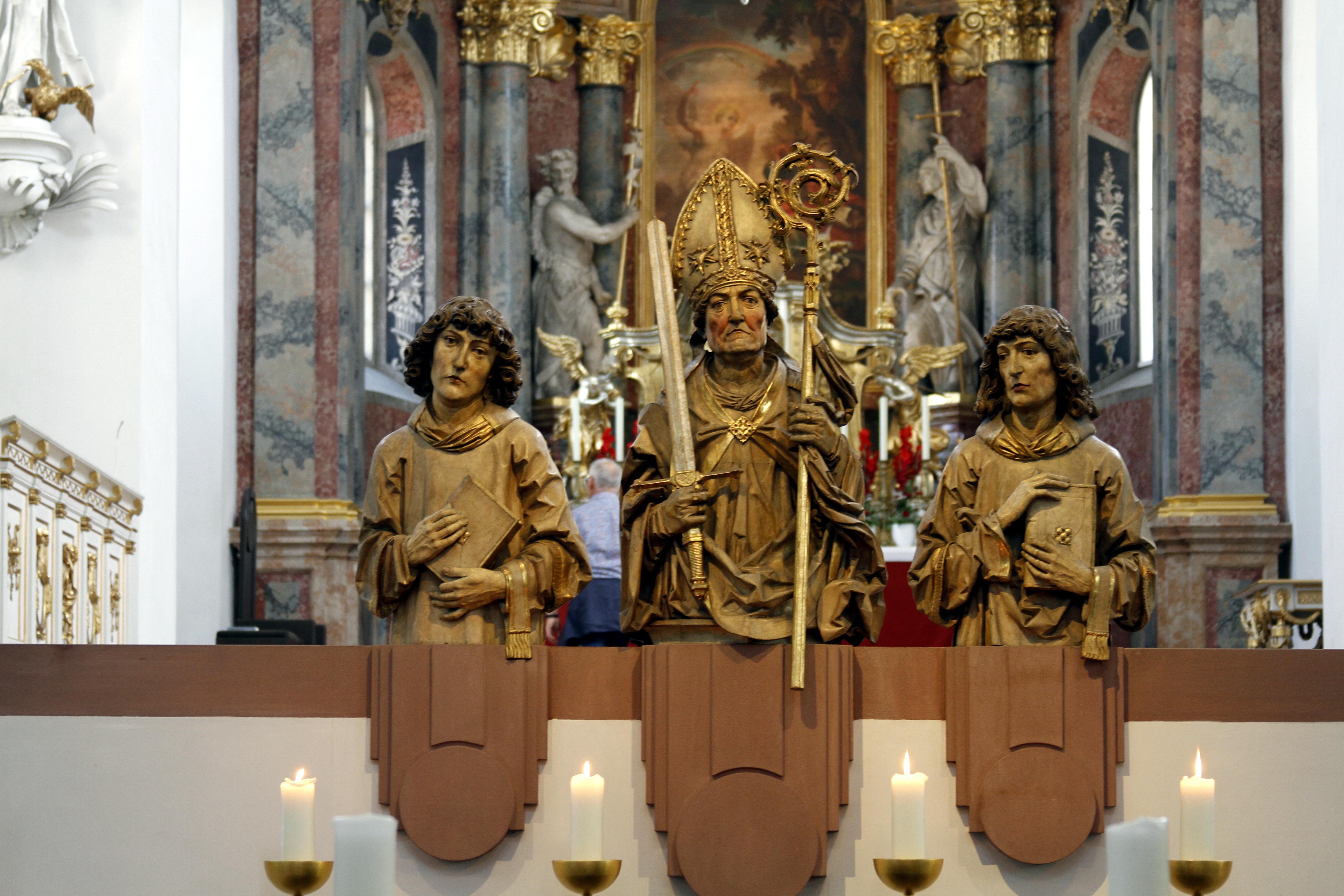
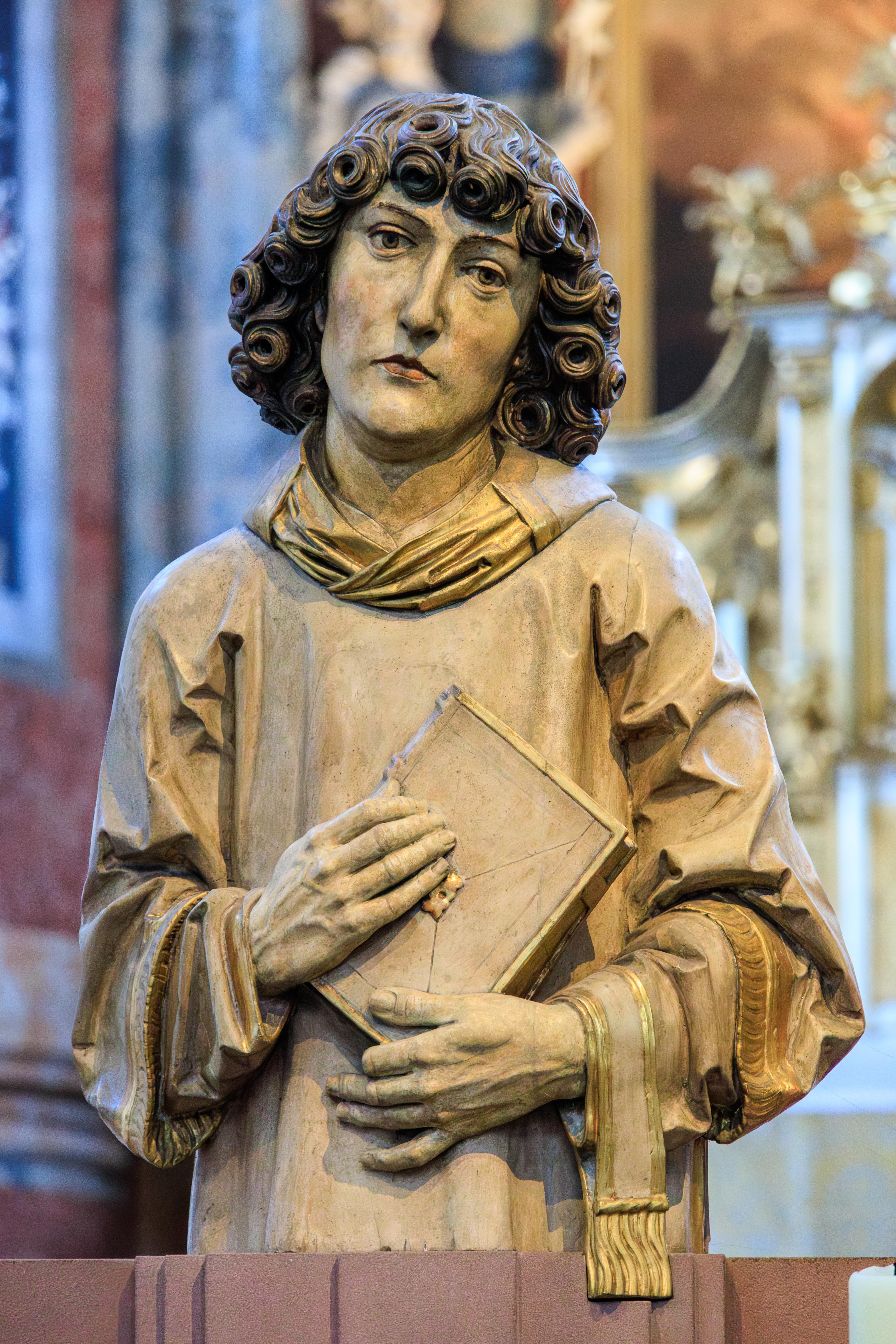
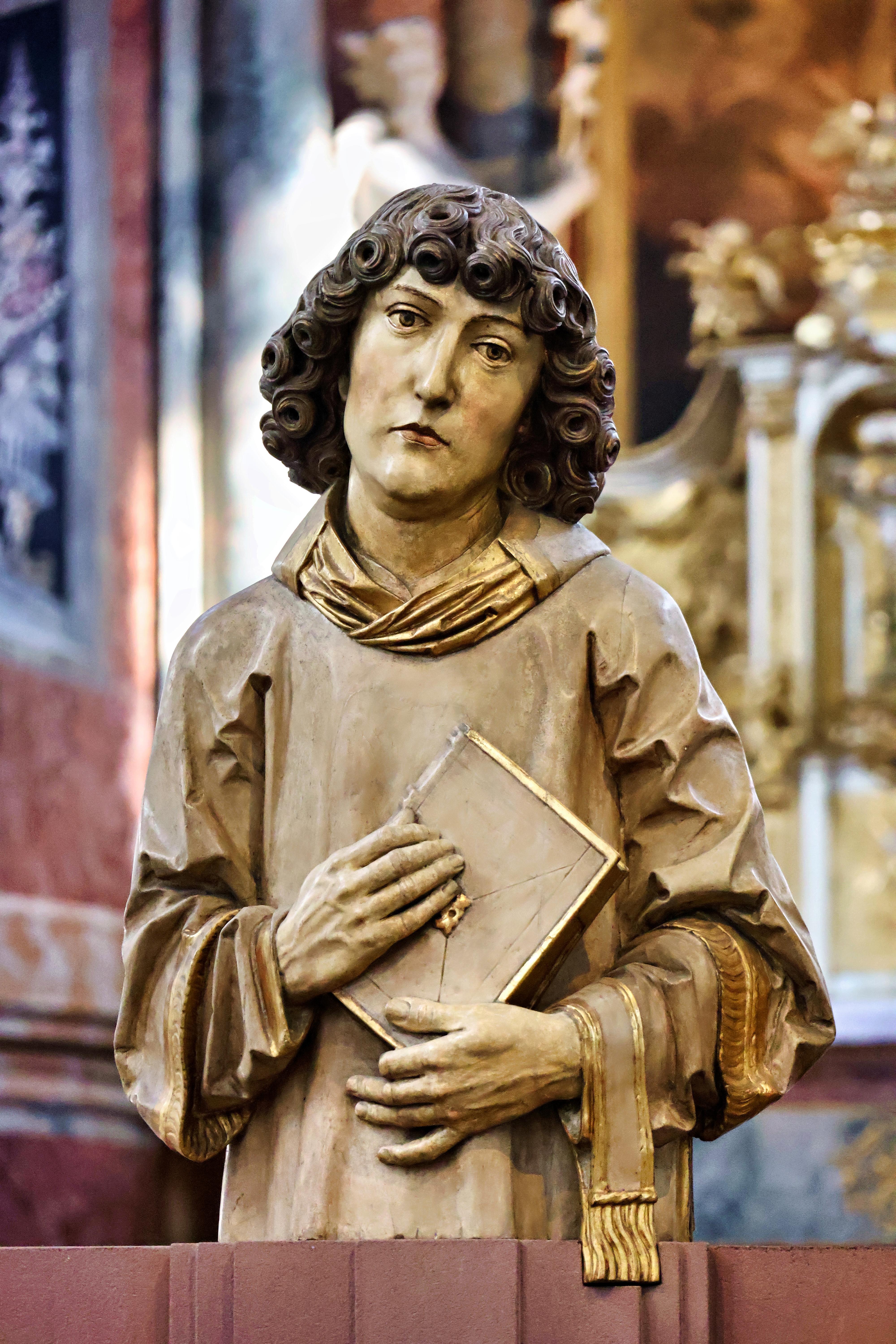
Kolonat stands in Würzburg as a statue of an Irish priest linked to the city’s early Christian history. He arrived around 686 with Kilian, a bishop, and Totnan, a deacon. Together, the three missionaries preached Christianity along the Main River, where Germanic traditions, Roman gods, and Christian beliefs still mixed.
The missionaries converted Duke Gozbert before a dispute over his marriage brought danger. Gailana arranged their deaths while they prayed, around 689. Their remains later received a formal burial from Burkard, Würzburg’s first bishop, about sixty years after their martyrdom. Relics rest in Neumünster’s crypt, while a rock crystal shrine in the cathedral displays their heads.
During the Kiliani pilgrimage week, a procession carries the three heads through Würzburg. Their statues also appear above the Scherenberg Gate at Marienberg Fortress and in St Burkard’s choir stalls. The story combines historical details with legends preserved in eighth- and ninth-century passion narratives.
- City
- Würzburg
- Content updated
Take this page with you
The myTuur app is free, and once you are standing at a spot its story starts by itself.


Spots like this one are the stops myTuur strings into tours through Würzburg. In the app, each story begins where you stand: walk up to a spot and it starts, read it on screen or listen as you go, then follow the route to the next one.
What is myTuur?
myTuur is a free city-guide app. Its tours are built from spots, and each spot carries a story that starts when you get there, to read or to listen to as you like.