Grafeneckart
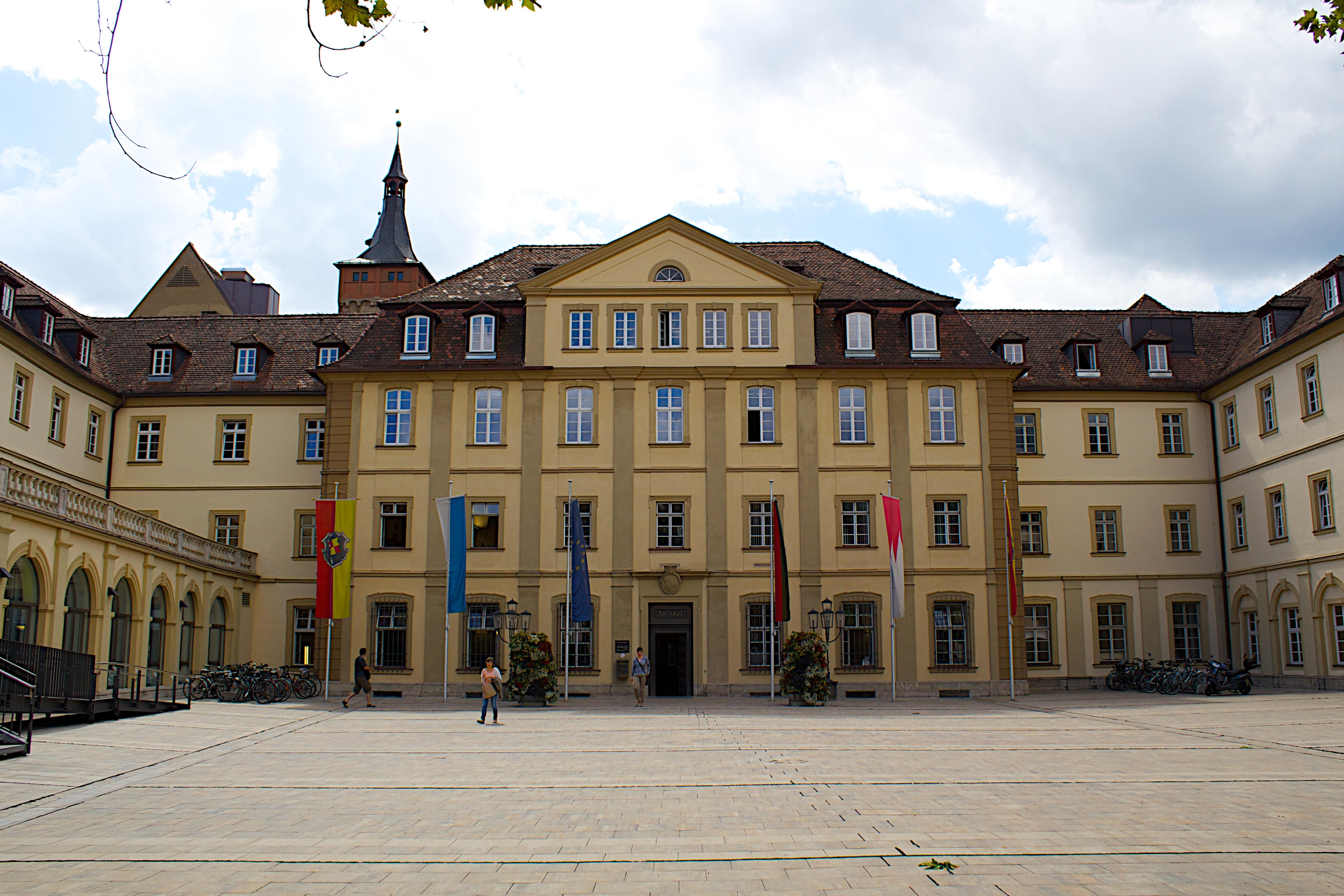
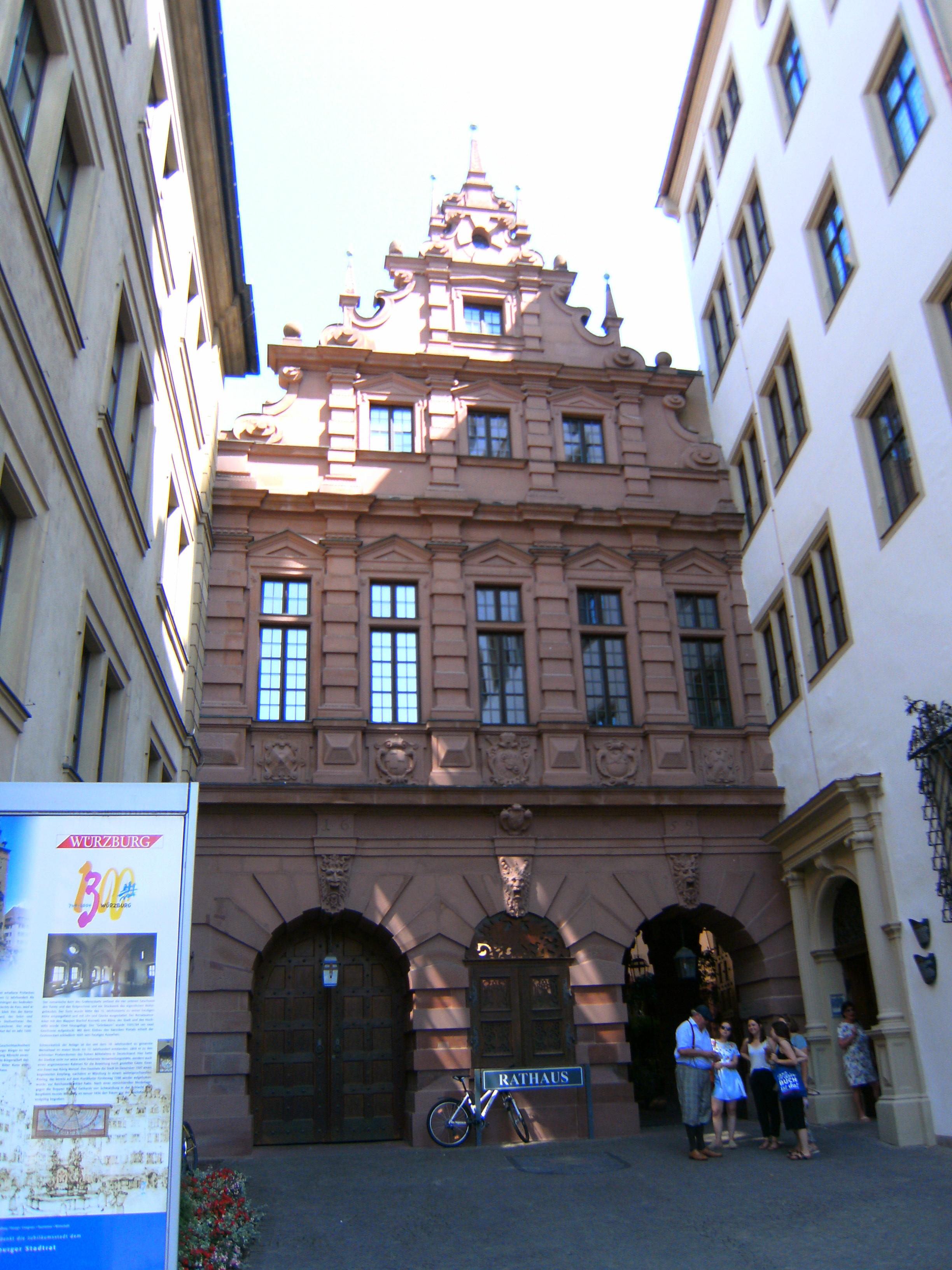
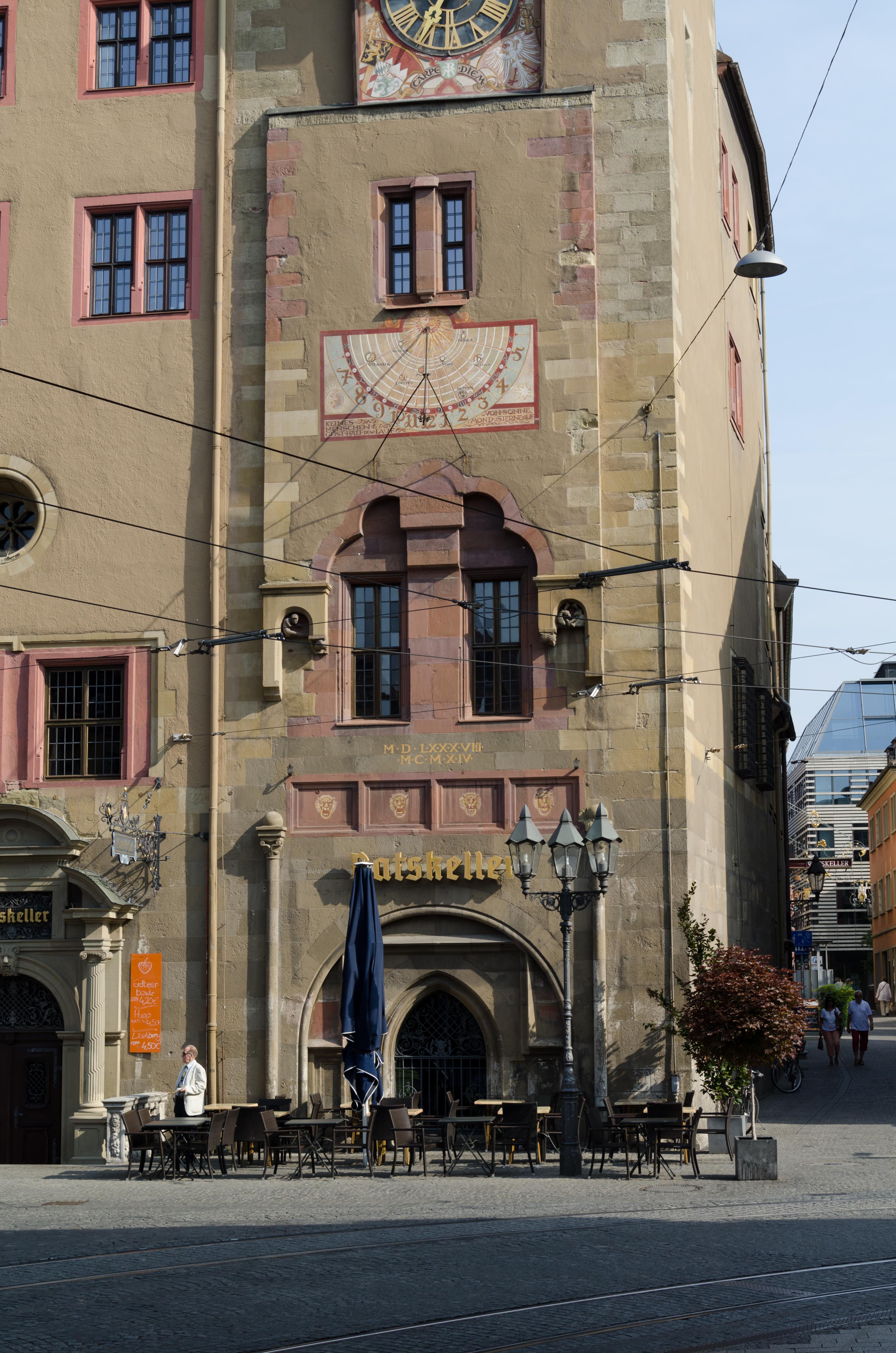
Grafeneckart forms part of Würzburg’s historic town hall complex, rising above the city with a Romanesque tower about 55 metres high. The oldest surviving secular Romanesque building in Würzburg remains wheelchair accessible. Romanesque, Renaissance and Baroque elements record centuries of civic building and change around its walls.
The first known mention dates to 1180, when the building served as a residence and office for a bishop’s official. Würzburg’s mayor and council acquired it in 1316. That purchase strengthened the citizens’ independence from the bishop and transformed the building into a centre of municipal power. Expansions and fortifications later created a castle-like complex, while council meetings moved here from the Hof zur Sturmglocke. The Wenzelsaal, dating from the thirteenth century, is Würzburg’s oldest secular room.
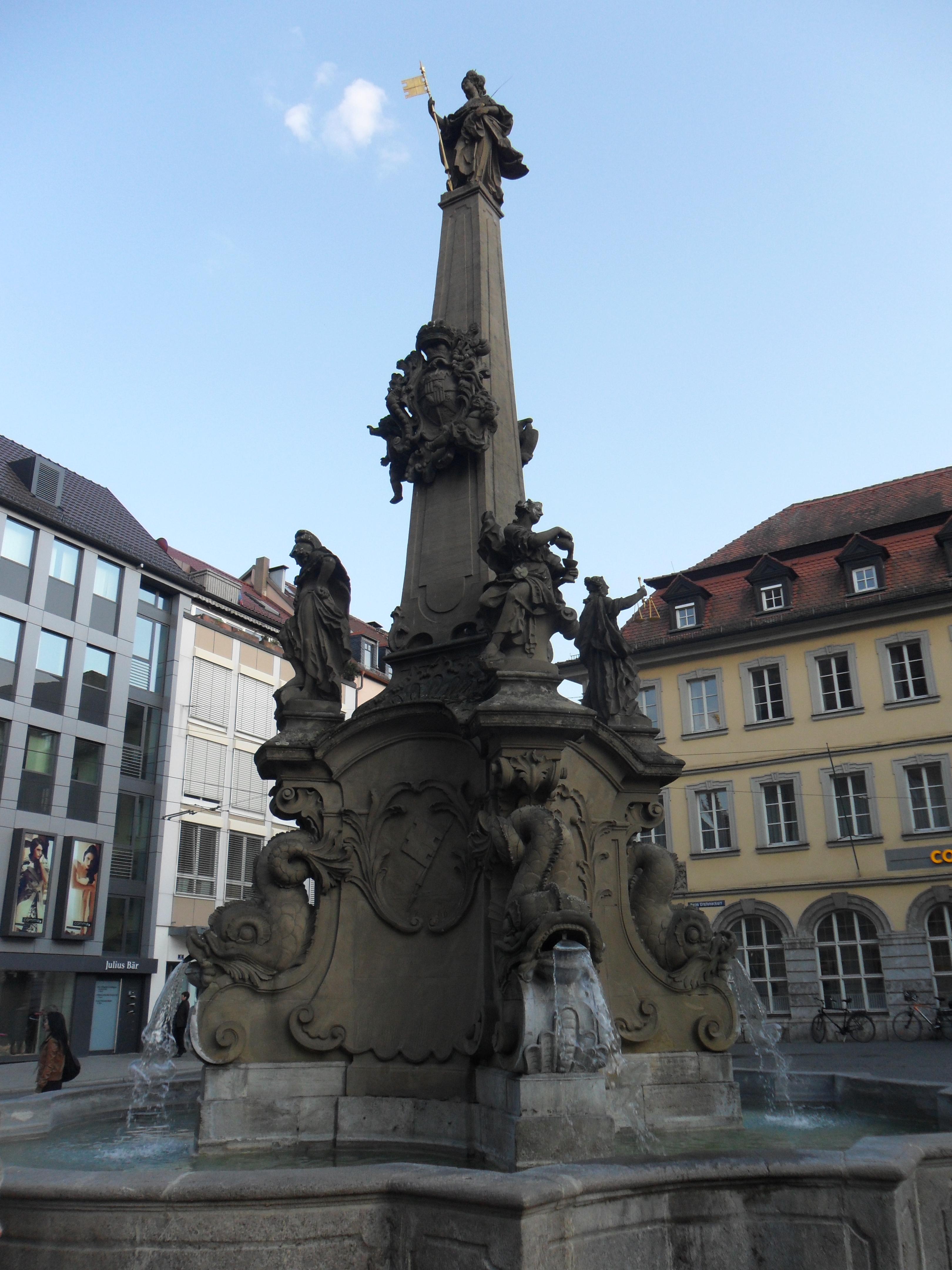
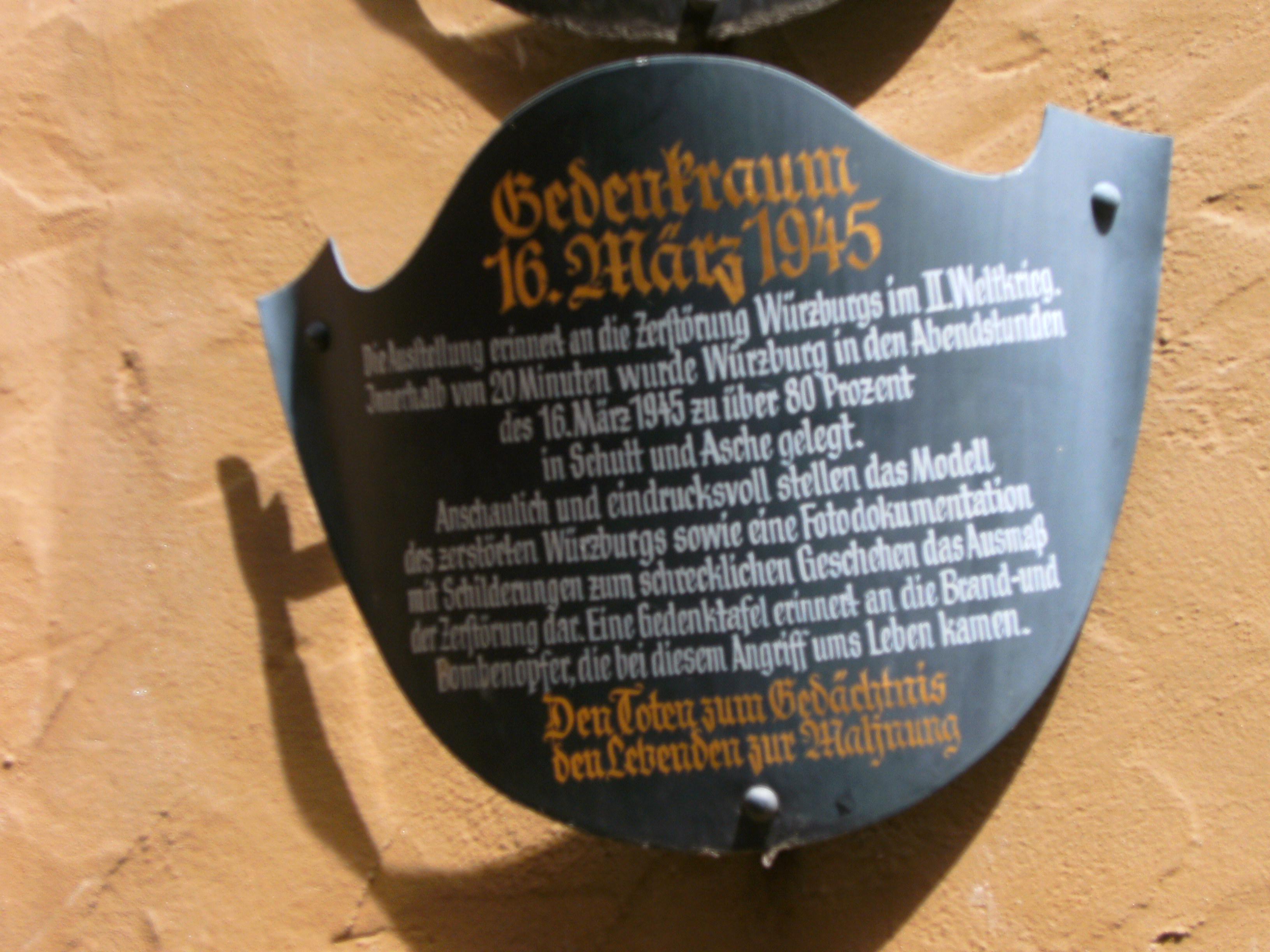
The Grafeneckart and the gable of the Red Building survived the bombing that destroyed much of Würzburg’s old town in 1945. A ground-floor documentation room now contains a model of the ruined city centre. Outside, the Baroque Vierröhrenbrunnen, created around 1765, stands before the protected town hall complex. Grazing your eyes across the façade reveals a place where bells, council chambers and civic memory share one address.
- City
- Würzburg
- Content updated
Take this page with you
The myTuur app is free, and once you are standing at a spot its story starts by itself.


Spots like this one are the stops myTuur strings into tours through Würzburg. In the app, each story begins where you stand: walk up to a spot and it starts, read it on screen or listen as you go, then follow the route to the next one.
What is myTuur?
myTuur is a free city-guide app. Its tours are built from spots, and each spot carries a story that starts when you get there, to read or to listen to as you like.