Porta Nuova
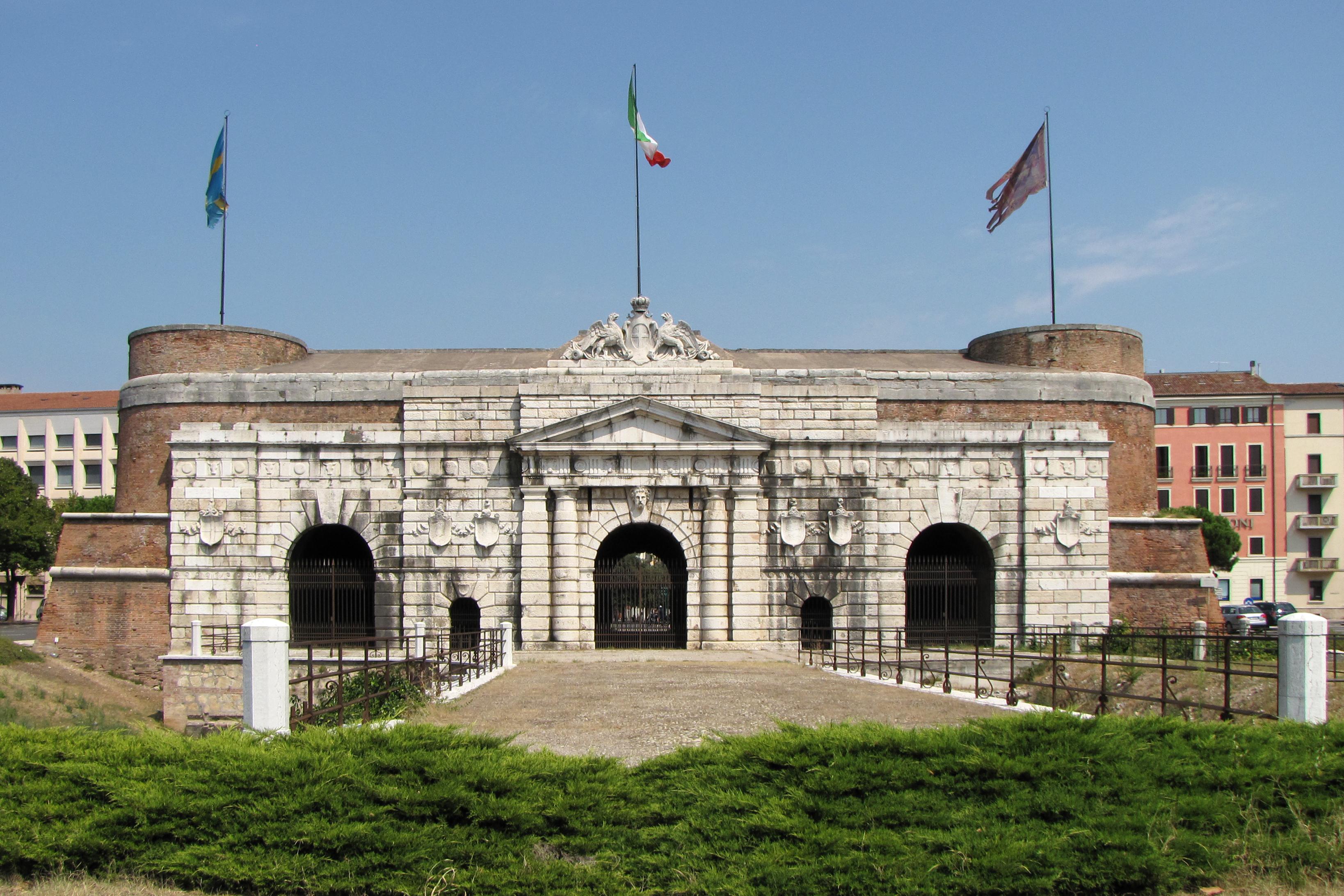
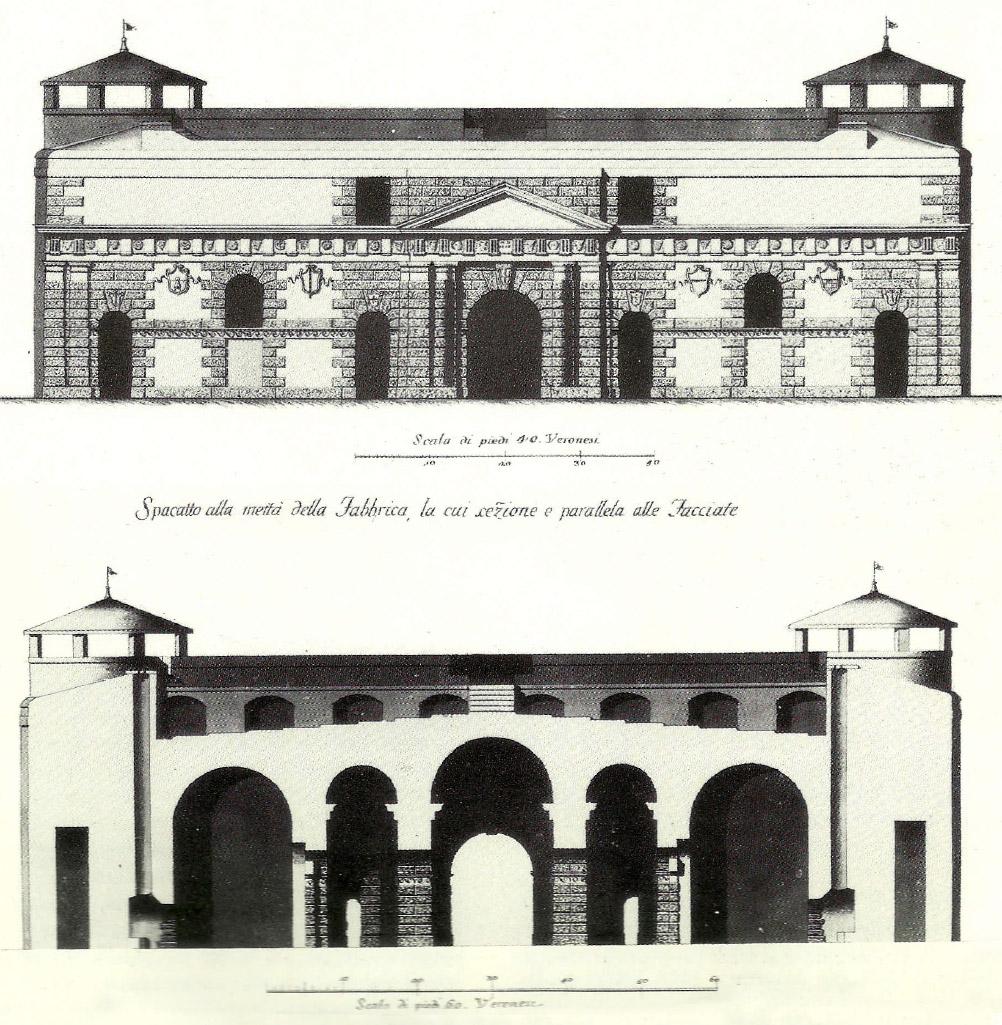
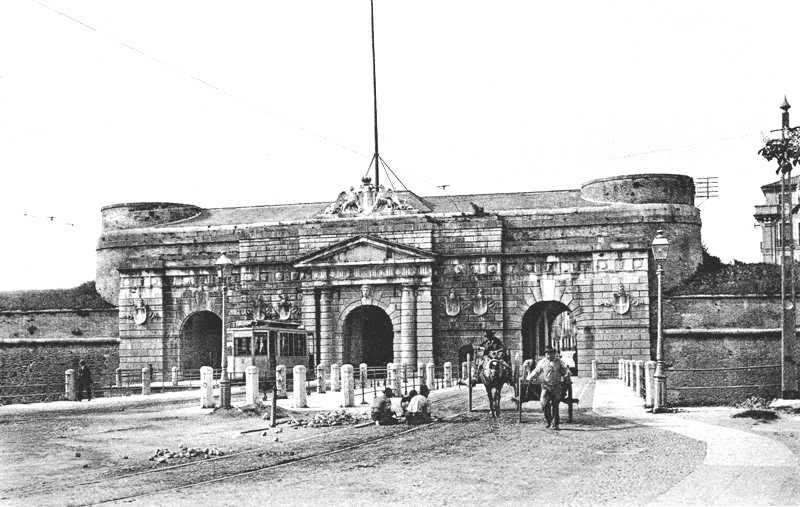
Porta Nuova stands within Verona’s southern walls, between the Bastion of the Holy Trinity and the Bastion of Riformati. Michele Sanmicheli designed this low, rectangular gate between 1532 and 1540. Three passages, four massive pillars, and Doric pilasters shape the structure, while circular towers once sheltered sentries.
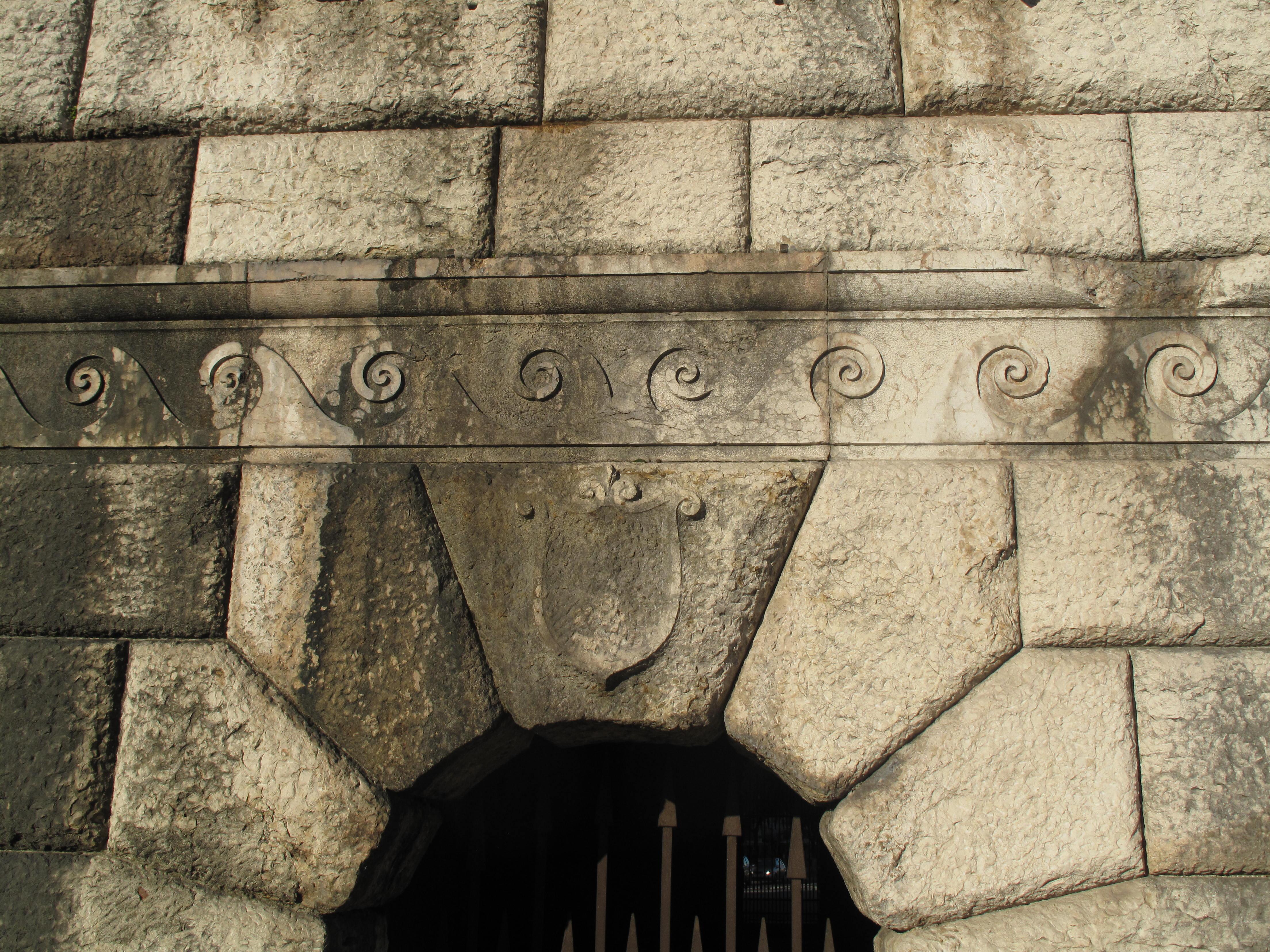
The Venetian Senate commissioned the work after removing the wall separating the Visconti Citadel from Verona. A straight street built in 1535 led from here towards the Bra gates and the Roman Arena. That alignment revived Roman urban planning while linking the countryside with the city centre and supporting trade. The countryside façade recalls a triumphal arch, with ashlar stonework, a central portal, and smaller openings. Red Verona marble faces the city, while tuff covers its rear side.
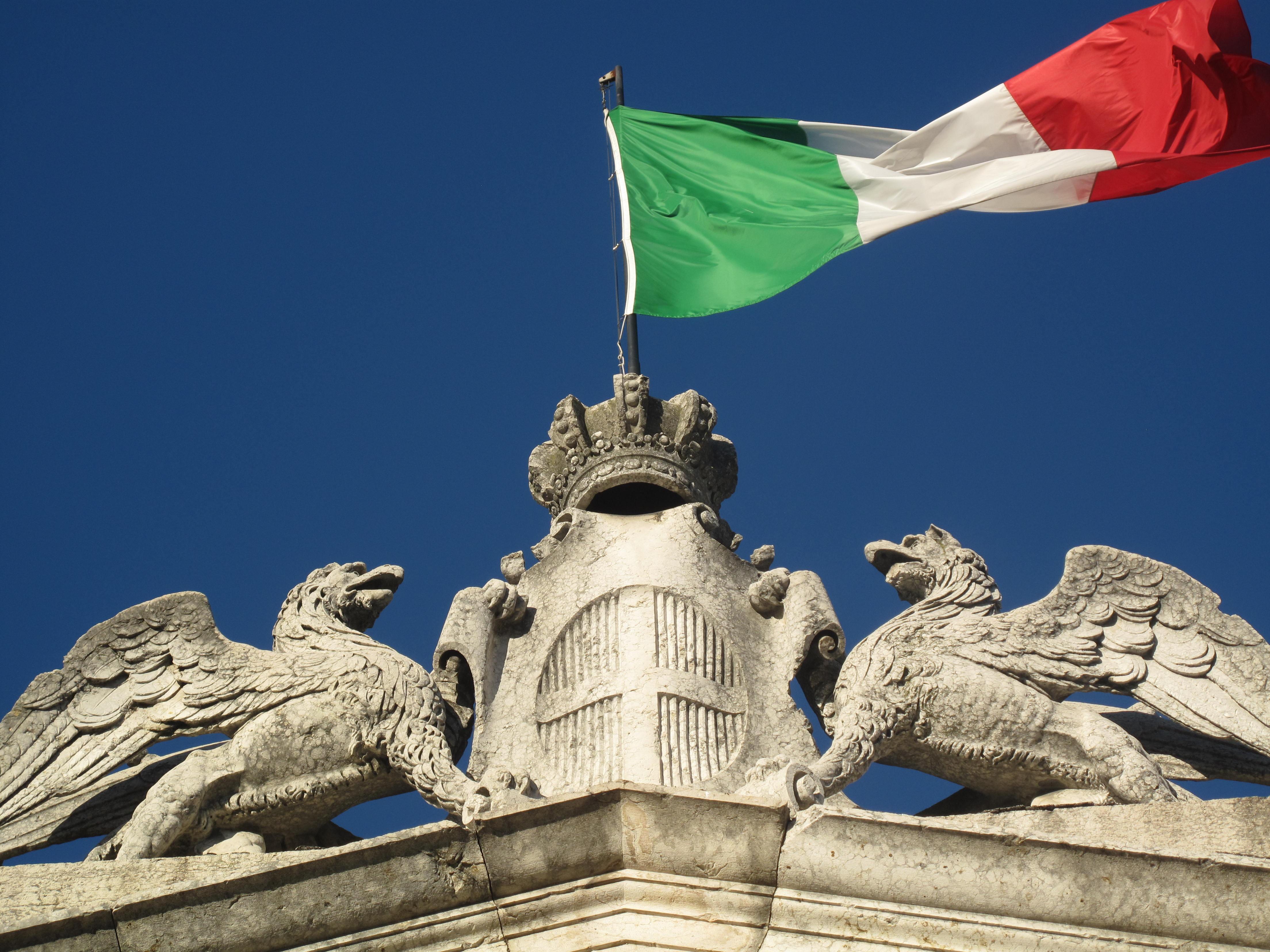
Two bastions strengthened Verona’s southern defence, and wooden drawbridges once crossed the surrounding moat. Nineteenth-century changes added broad side arches as civilian traffic increased, removing parts of the sixteenth-century structure. The tramway later passed beneath the arches, leaving a vivid reminder of how defence gave way to urban movement. Look closely at the façade, where the coats of arms of the officials responsible for its construction remain visible.
- City
- Verona
- Content updated
Take this page with you
The myTuur app is free, and once you are standing at a spot its story starts by itself.


Spots like this one are the stops myTuur strings into tours through Verona. In the app, each story begins where you stand: walk up to a spot and it starts, read it on screen or listen as you go, then follow the route to the next one.
What is myTuur?
myTuur is a free city-guide app. Its tours are built from spots, and each spot carries a story that starts when you get there, to read or to listen to as you like.