Zeughaus
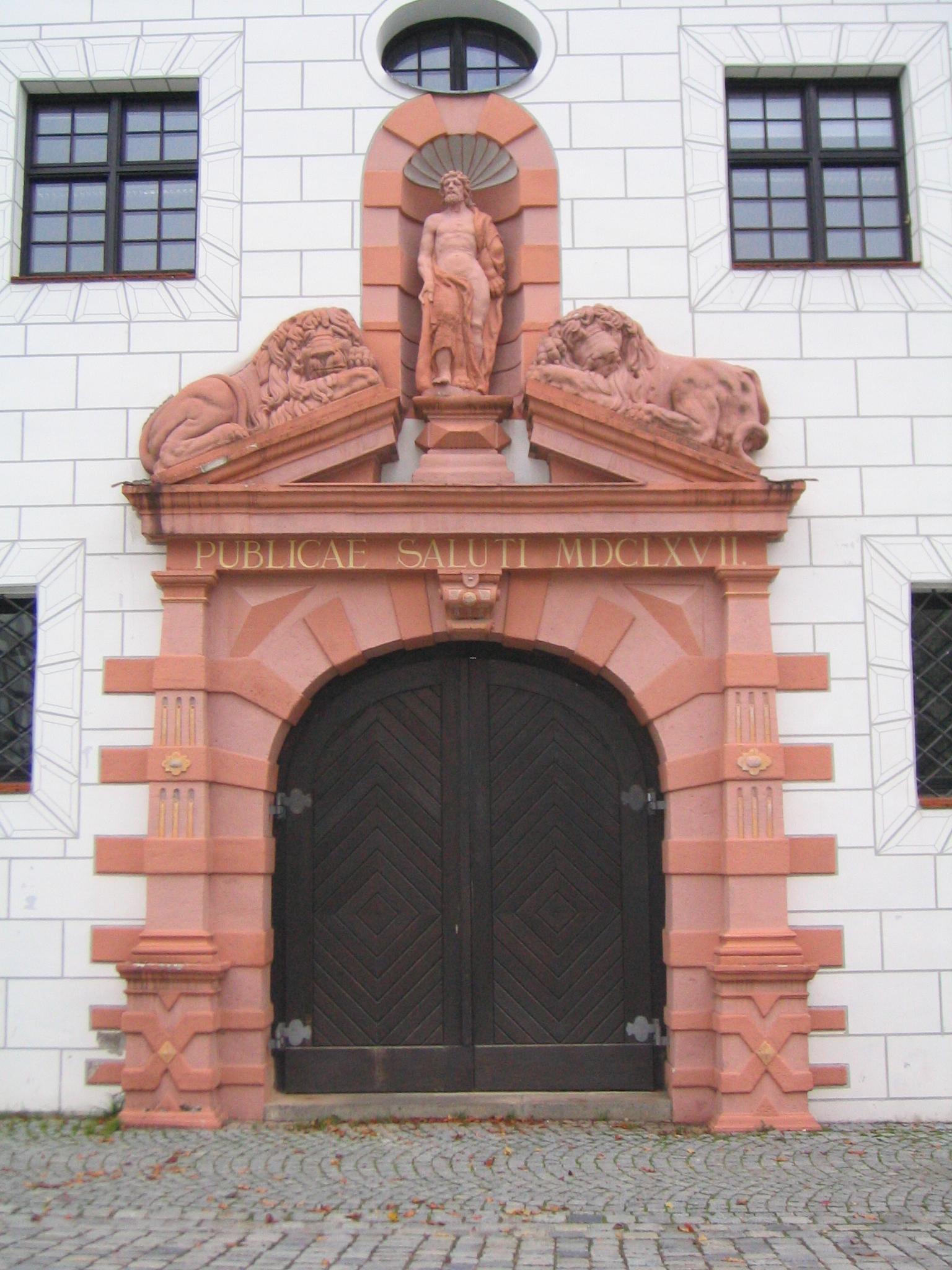
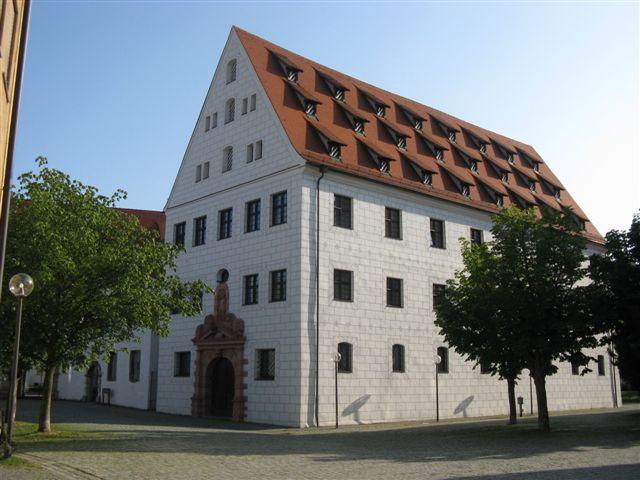
Zeughaus in Ulm, Germany, is a historic architectural complex whose origins reach back to the early fourteenth century. Its first recorded mention dates from the year 1433. Strategic placement supported Ulm’s medieval economic rise, while expansions during the sixteenth and seventeenth centuries created the substantial complex that remains. Its portals display Renaissance and Baroque motifs in distinctive architectural framing.
It began as an arms depot, storing cannons, stone and iron balls, grenades, rifles, sulfur, and saltpeter. Models of bridges, mills, and fortifications stood among those supplies. At times, the city mint also operated inside, and the complex was valued at two million guilders late in the eighteenth century. After the Battle of Elchingen in 1805, those materials never returned to Ulm. Conversion into barracks followed in 1808, continuing until 1919 before wartime damage altered the Renaissance structure.
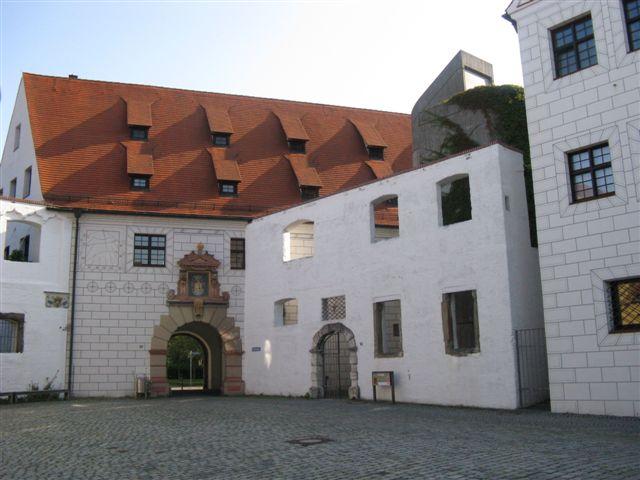
Surviving sections were restored in 1977 after heavy damage during the Second World War. Ashlar markings and faceted stone window surrounds distinguish the exterior. The early Baroque Löwenbau retains its vaulted ceilings, adding a strong interior detail. The site hosts exhibitions and events within those historic spaces.
- City
- Ulm
- Content updated
Take this page with you
The myTuur app is free, and once you are standing at a spot its story starts by itself.


Spots like this one are the stops myTuur strings into tours through Ulm. In the app, each story begins where you stand: walk up to a spot and it starts, read it on screen or listen as you go, then follow the route to the next one.
What is myTuur?
myTuur is a free city-guide app. Its tours are built from spots, and each spot carries a story that starts when you get there, to read or to listen to as you like.