Römerbrücke
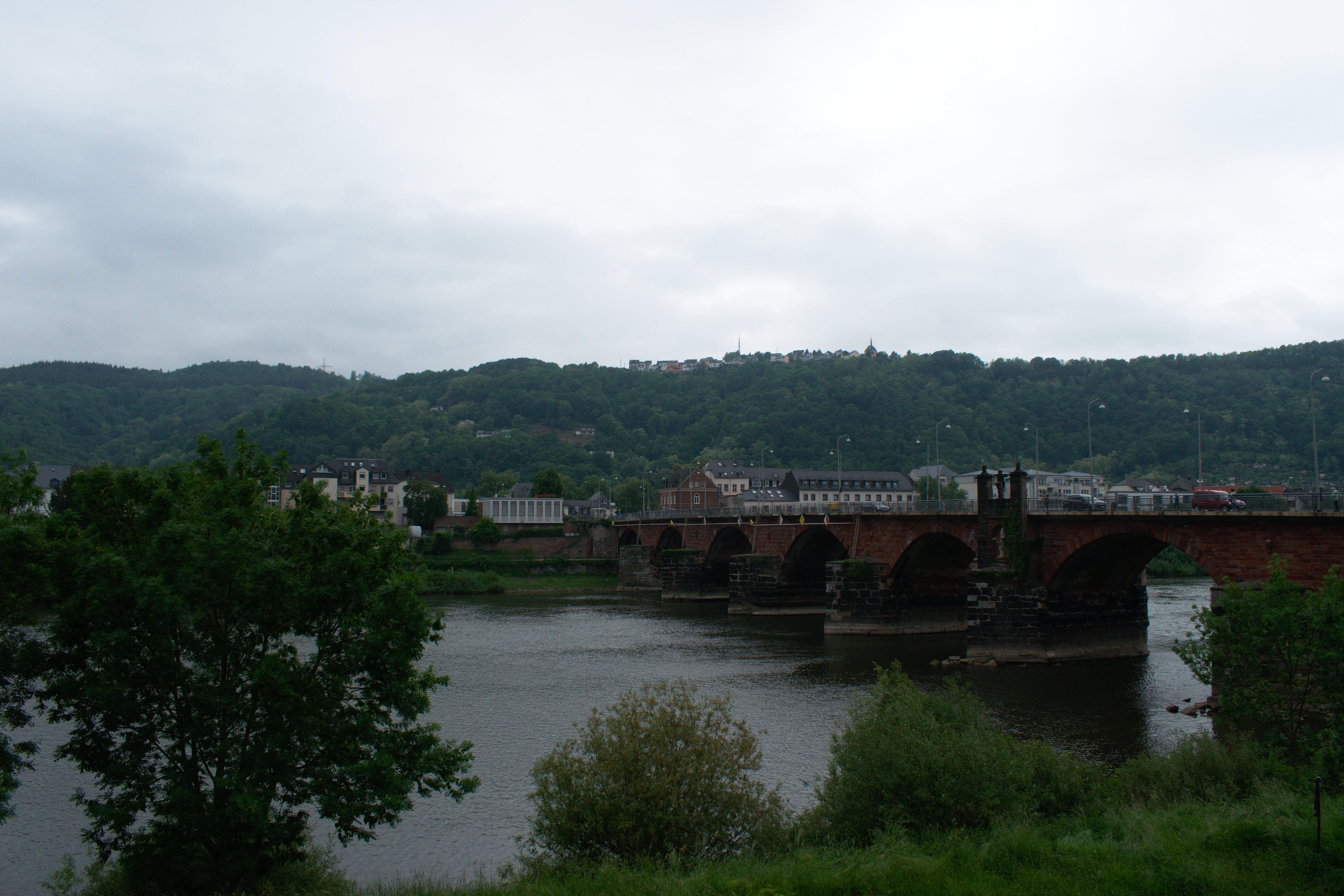
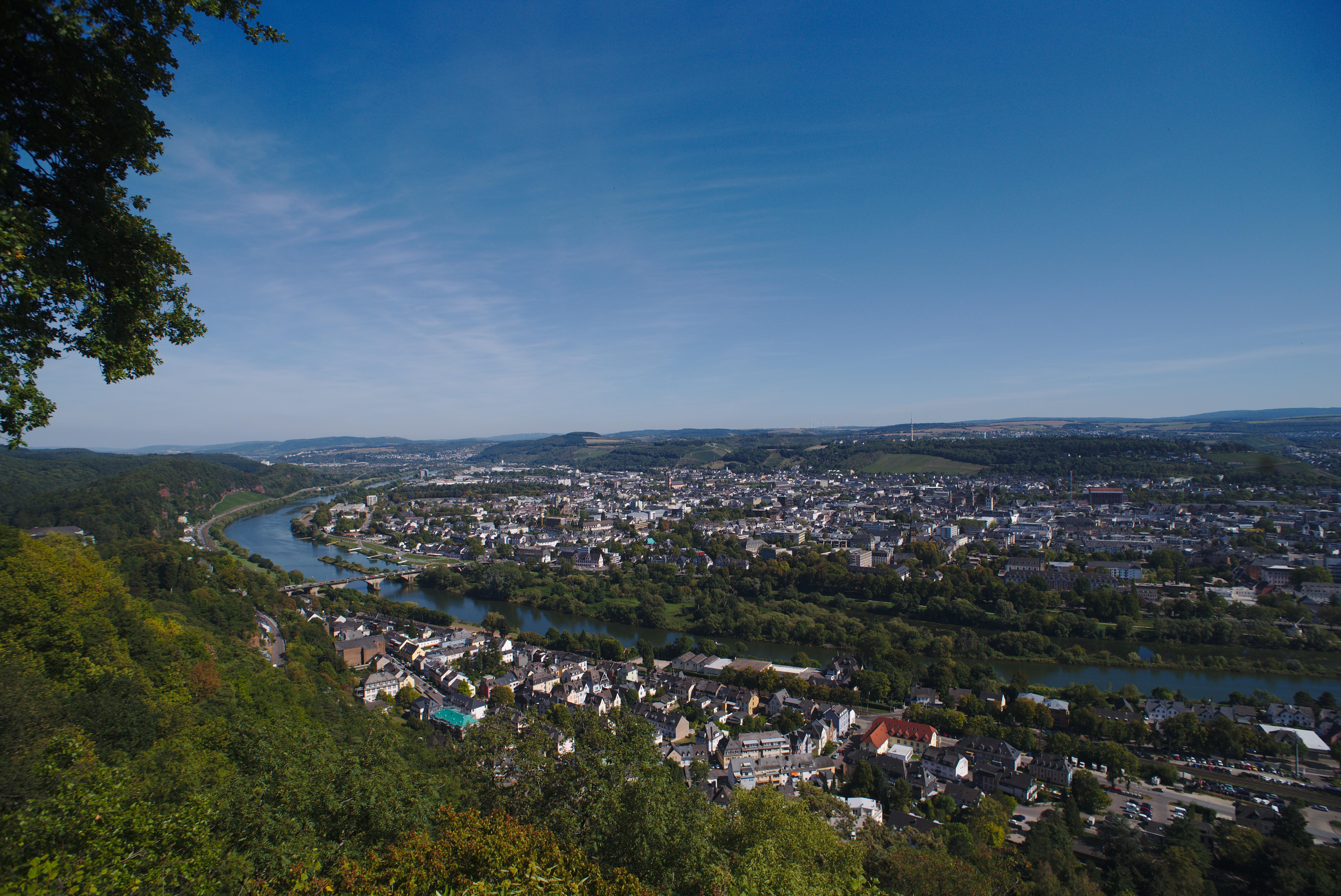
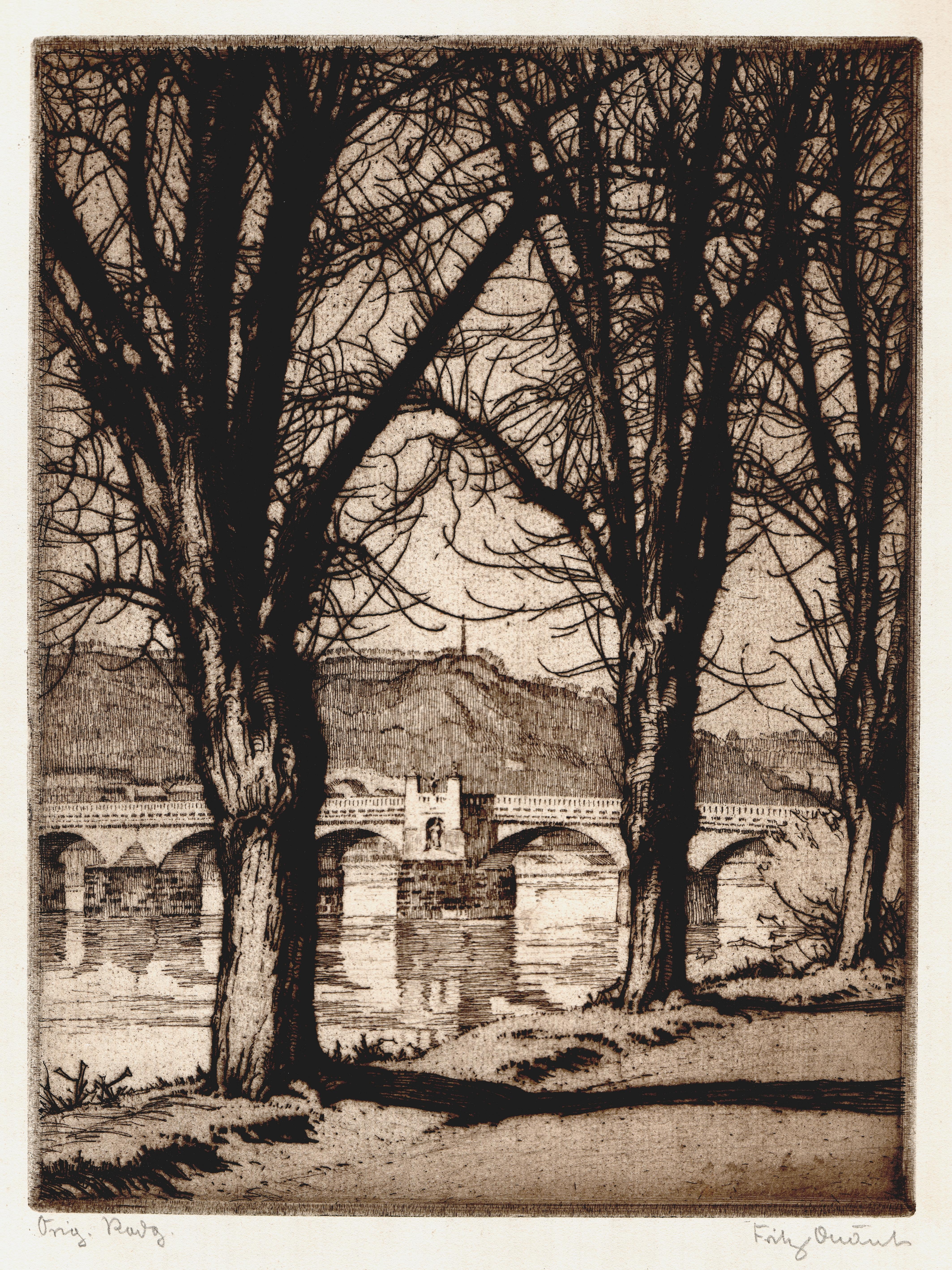
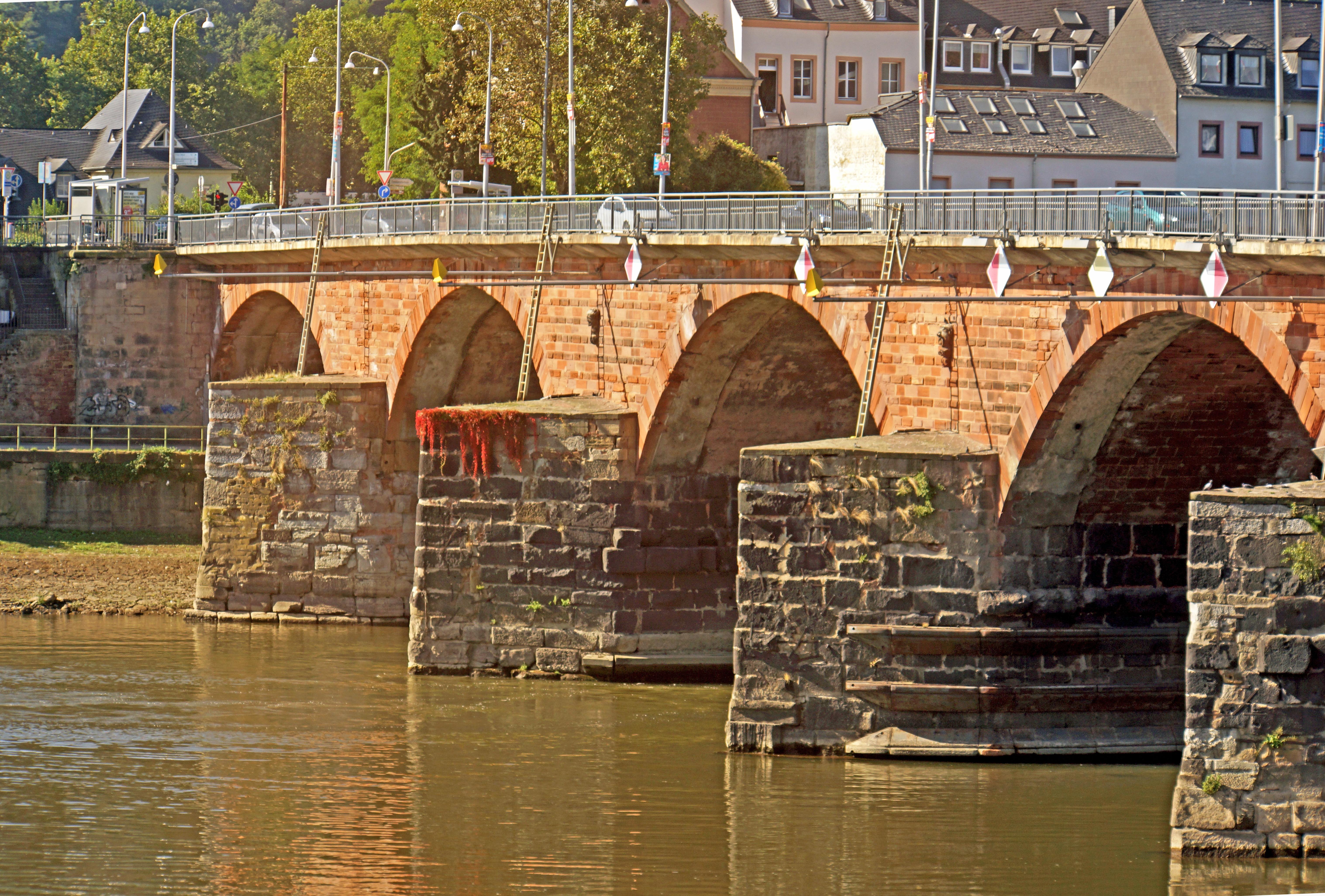
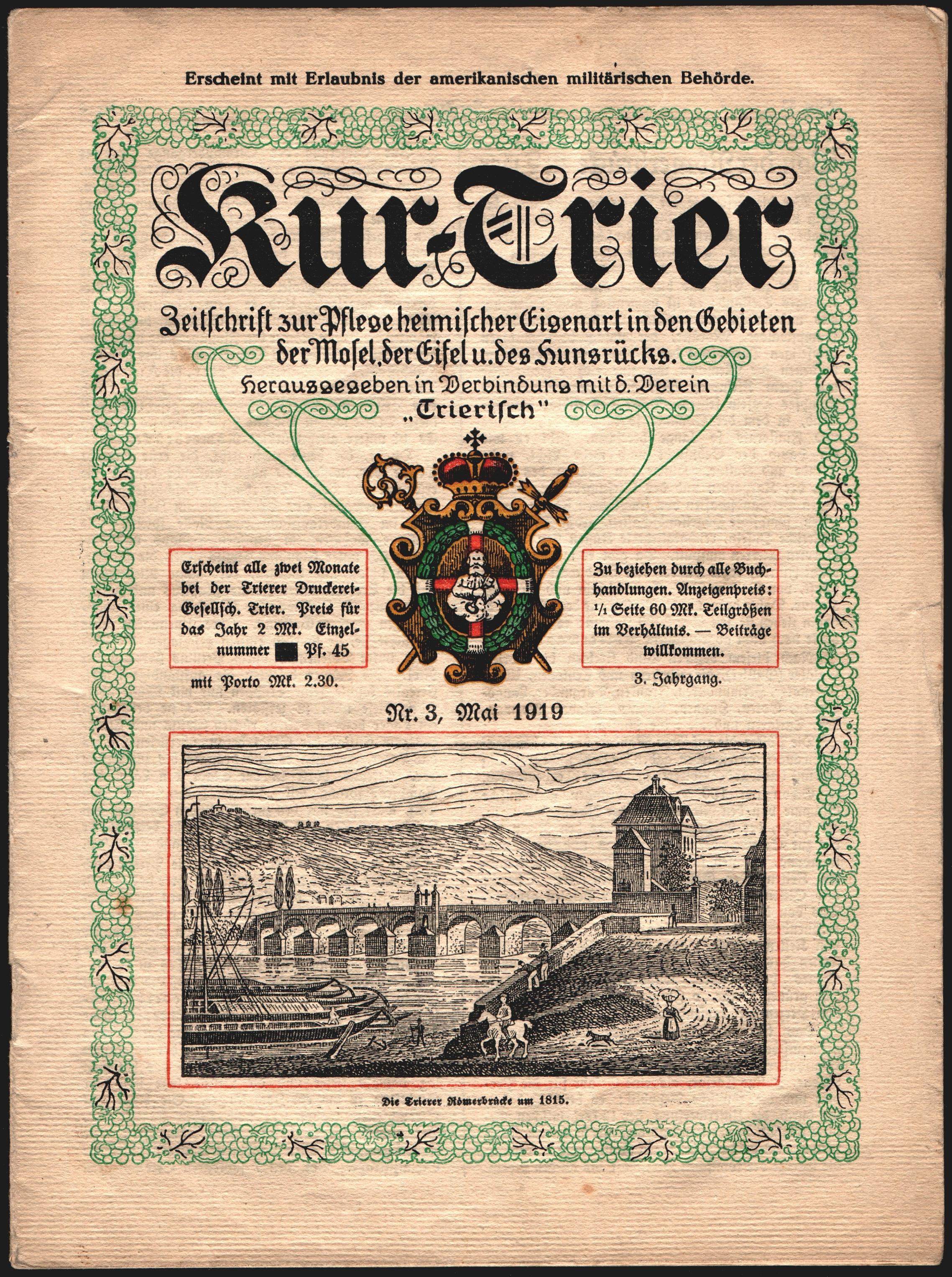
In Trier, Germany, Römerbrücke carries the road across the Moselle on dark basalt piers. The bridge is Germany’s oldest. Roman engineers laid the surviving foundations around AD 144, after earlier wooden crossings had failed in floods. One predecessor dates to 17 BC.
Pointed upstream faces helped the piers withstand drifting ice, floodwater, and debris while trade and travel crossed above. The original crossing stretched nearly 400 metres. Seven river piers and two land piers supported a roadway broad enough for Roman chariots, with side consoles still visible. A stone deck appeared in the fourteenth century, while towers, wars, floods, and repeated rebuilding reshaped the structure.
Today, the bridge reaches about half its former length, yet cars, bicycles, and pedestrians still pass over Roman masonry. For almost two thousand years, people threw coins into the Moselle for the river goddess Mosella. Experts believe more than a million may still lie in the riverbed. Each crossing connects modern footsteps with an ancient ritual.
- City
- Trier
- Content updated
Take this page with you
The myTuur app is free, and once you are standing at a spot its story starts by itself.


Spots like this one are the stops myTuur strings into tours through Trier. In the app, each story begins where you stand: walk up to a spot and it starts, read it on screen or listen as you go, then follow the route to the next one.
What is myTuur?
myTuur is a free city-guide app. Its tours are built from spots, and each spot carries a story that starts when you get there, to read or to listen to as you like.