Gheorghe Doja
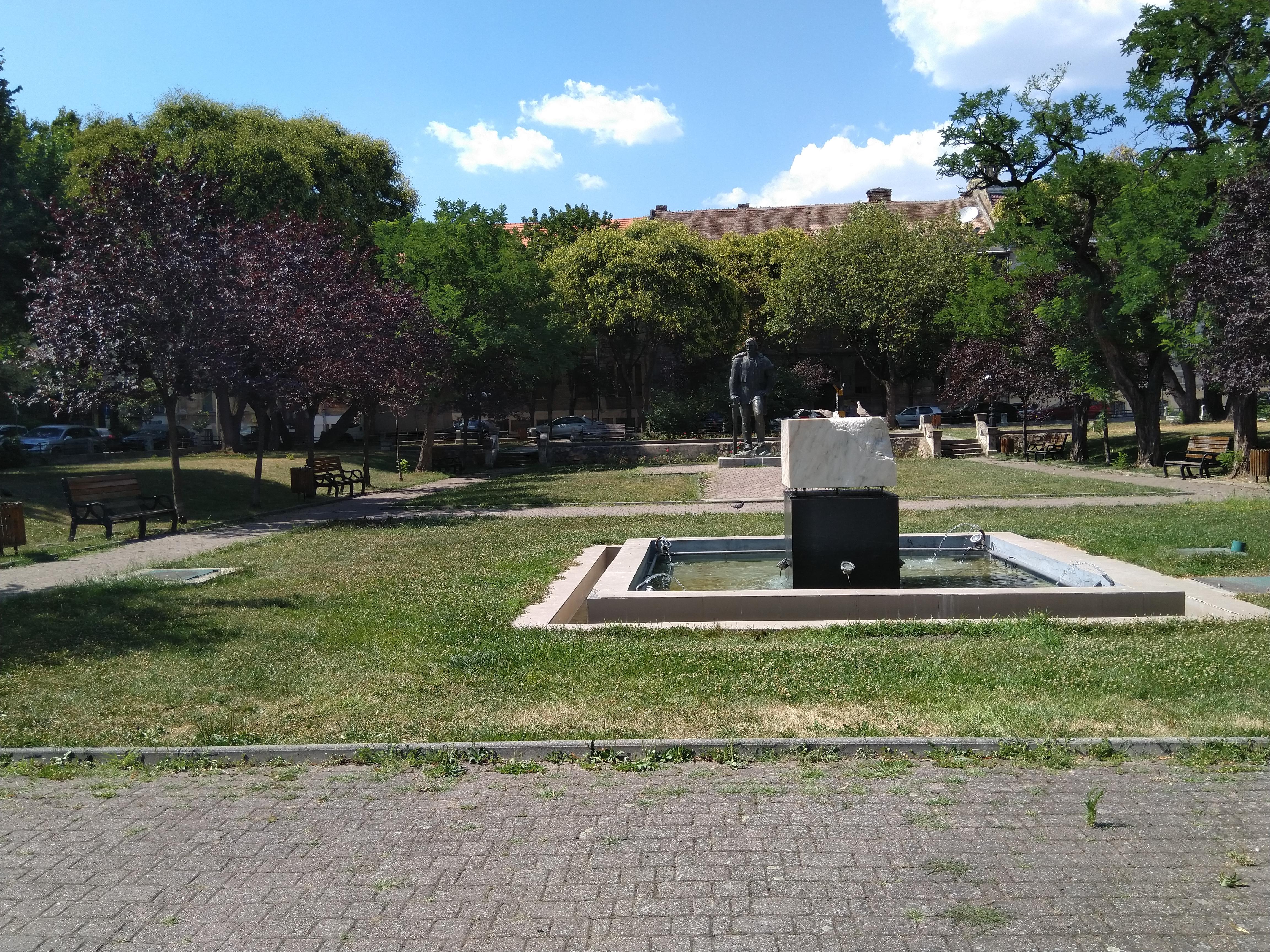
The Gheorghe Doja statue in Timișoara recalls a Transylvanian figure also known as Dózsa György. Doja was born in Dalnic, now in Covasna County. He led a large peasant revolt against the Hungarian landed nobility after a planned anti-Ottoman crusade failed to proceed. The gathered force became a rebel army. Hungarians, Slovaks, Serbs, Croats, Romanians, and Székelys joined its ranks, seeking relief from difficult economic conditions.
The rebellion targeted the cities of Timișoara and Cenad. At Cenad and Nădlac, Doja’s forces won early victories before the nobility, supported by John Zápolya, defeated them near Timișoara. The fortress repelled the peasant army with cannon fire and reinforcements. Doja’s capture and execution became part of Timișoara’s historical memory. Accounts describe a heated iron throne and crown, while the exact execution site remains disputed.
The story also carries legend, since historians connect the heated throne account with Sándor Petőfi. Over time, Gheorghe Doja became a symbol of resistance and social struggle in Romania. His statue connects Timișoara with Central European power shifts and the region’s layered past.
- City
- Timișoara
- Content updated
Take this page with you
The myTuur app is free, and once you are standing at a spot its story starts by itself.


Spots like this one are the stops myTuur strings into tours through Timișoara. In the app, each story begins where you stand: walk up to a spot and it starts, read it on screen or listen as you go, then follow the route to the next one.
What is myTuur?
myTuur is a free city-guide app. Its tours are built from spots, and each spot carries a story that starts when you get there, to read or to listen to as you like.