Église Saint-Étienne
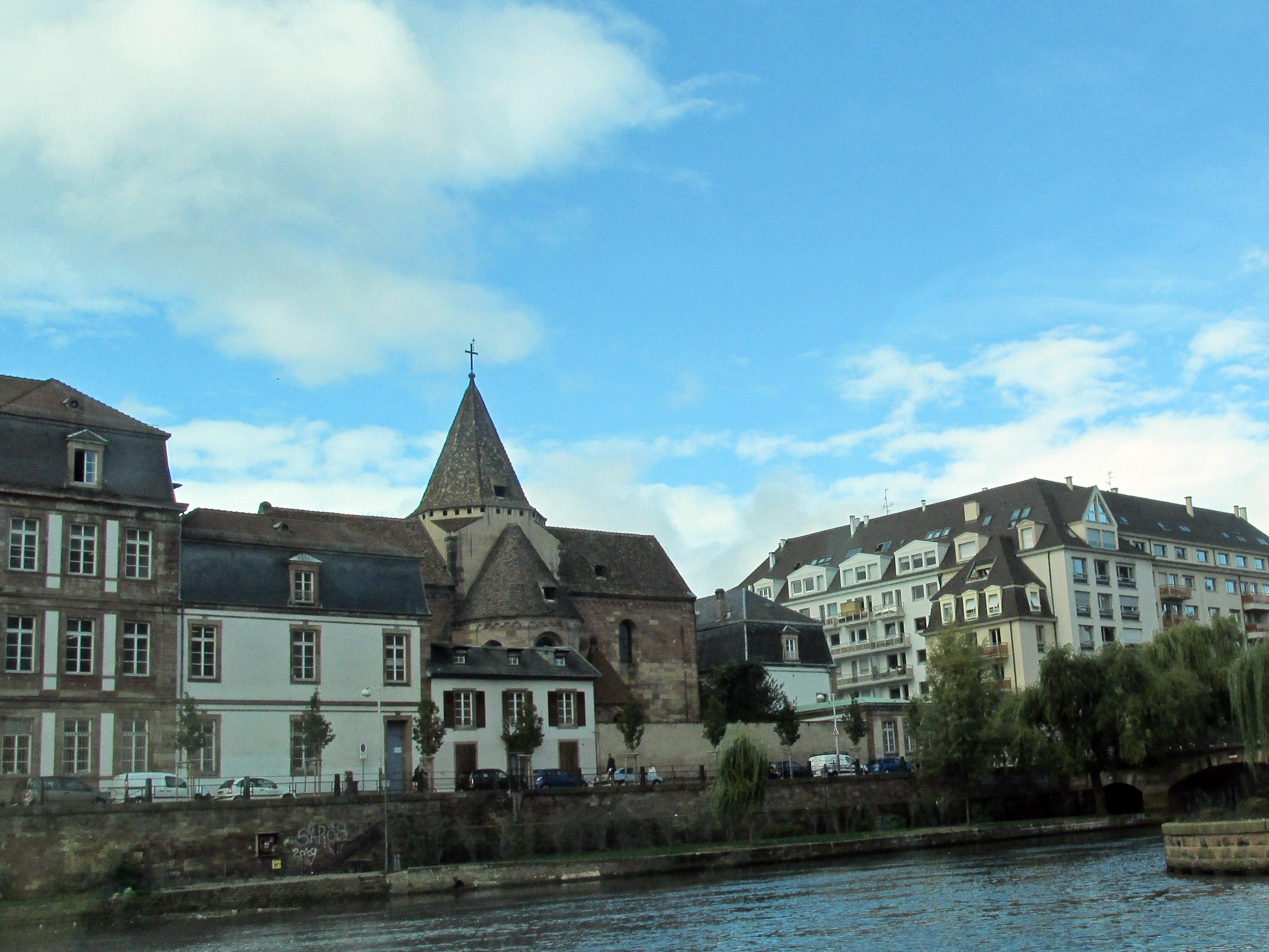
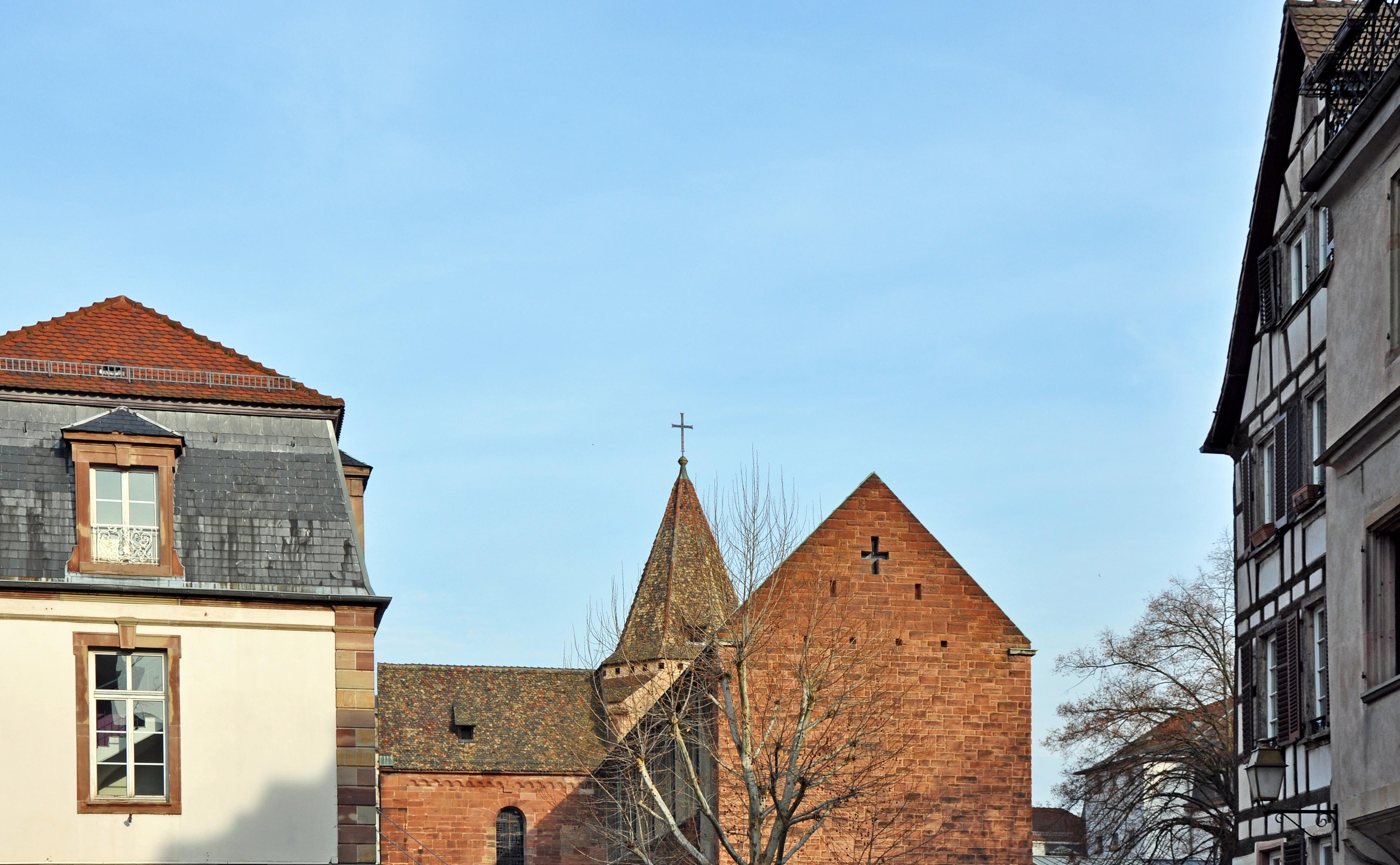
Église Saint-Étienne rises in France on ground once occupied by the Roman camp of Argentoratum. An early Christian basilica already stood here during the fourth and fifth centuries.
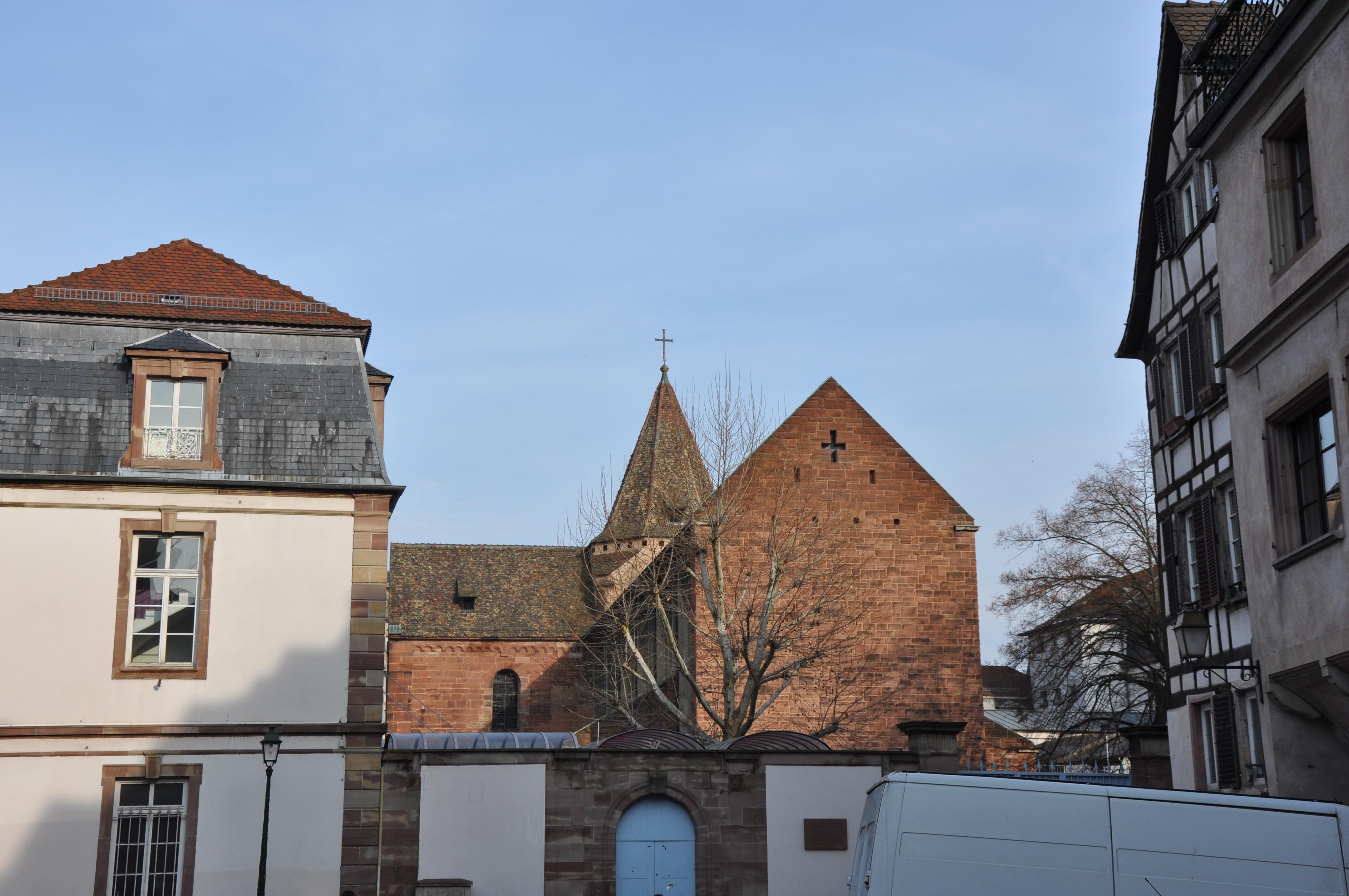
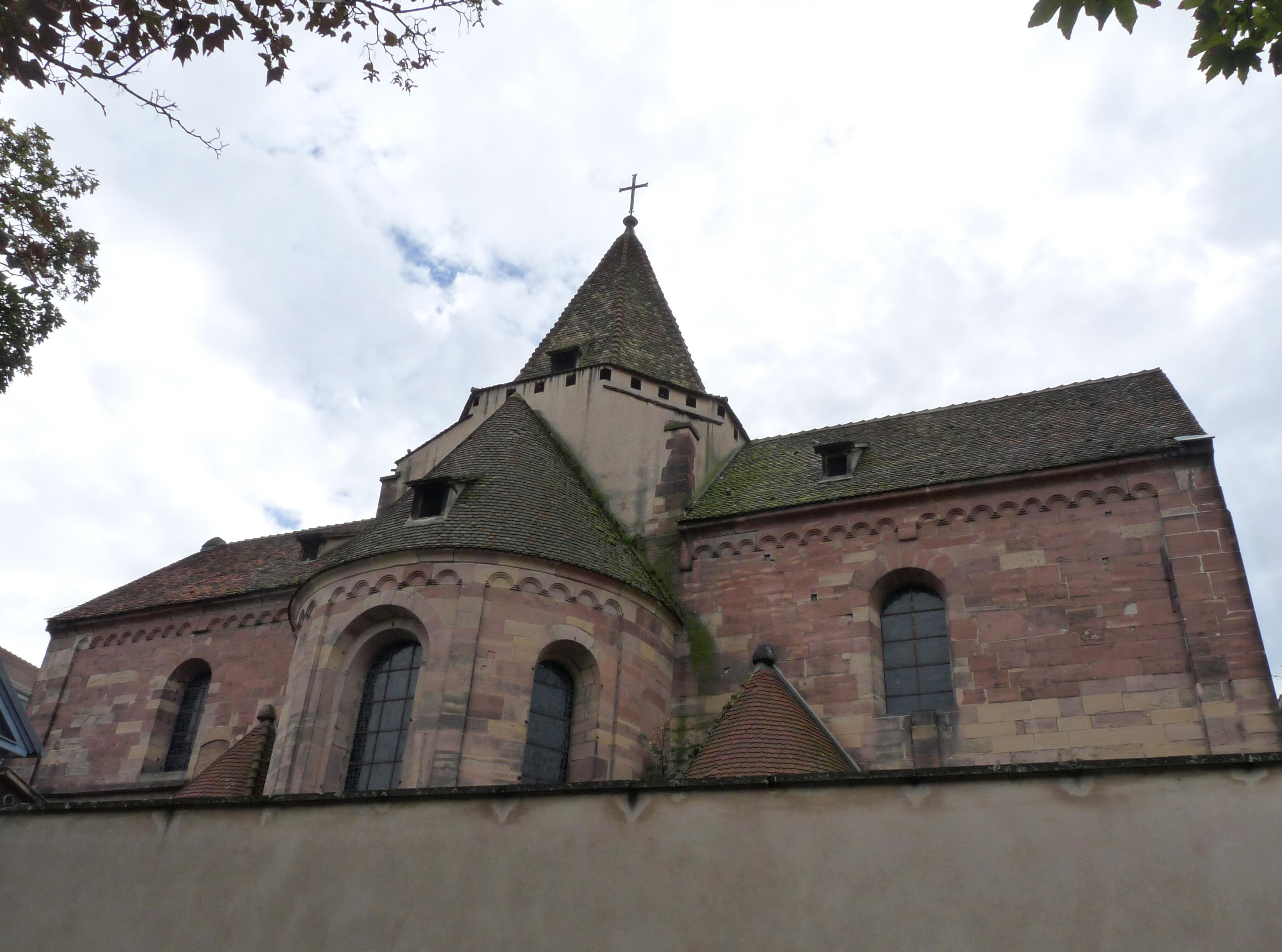
The sturdy Romanesque structure dates to 1220, with the broad vaulted transept and triple apse preserving its oldest visible core. Partial demolition began in the early nineteenth century. After a city theatre fire, the nave temporarily became a performance space, with vaults and large arches removed. Bombing in 1944 left the transept almost alone.
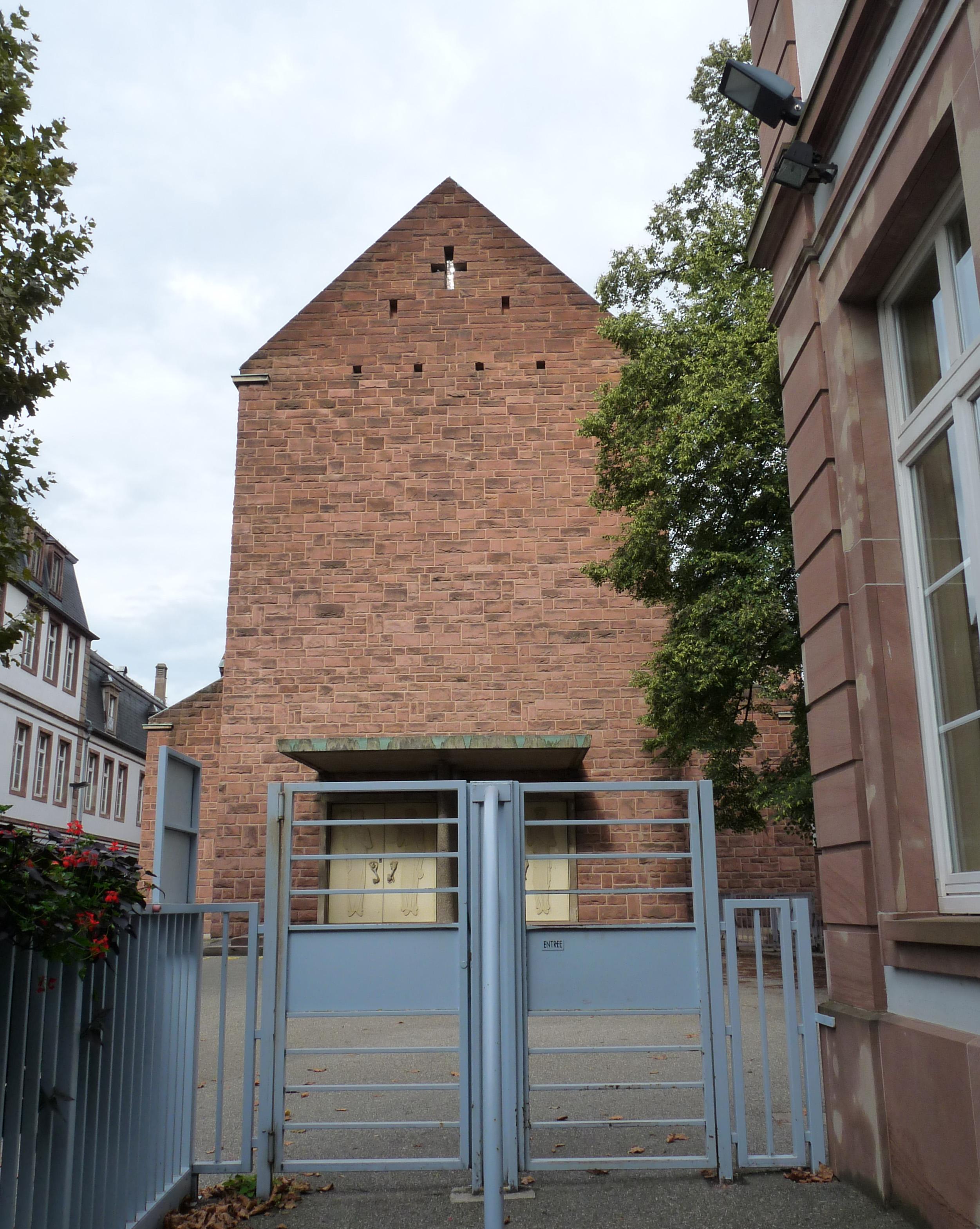
In the 1960s, Bertrand Monnet and Fernand Guri designed a soaring nave with slender pillars and exposed timberwork. That reconstruction places modern structure beside medieval stone. Inside, the surviving transept and triple apse meet a renewed space that continues the church’s sacred role. Ancient stones stand beside the open timberwork of the renewed nave.
- City
- Strasbourg
- Content updated
Take this page with you
The myTuur app is free, and once you are standing at a spot its story starts by itself.


Spots like this one are the stops myTuur strings into tours through Strasbourg. In the app, each story begins where you stand: walk up to a spot and it starts, read it on screen or listen as you go, then follow the route to the next one.
What is myTuur?
myTuur is a free city-guide app. Its tours are built from spots, and each spot carries a story that starts when you get there, to read or to listen to as you like.