Palacio de Altamira
Palacio de Altamira stands in Seville’s former Jewish quarter, where Almohad homes once stood beside a mosque, baths, and market. Its layered architecture surrounds courtyards and preserves traces of medieval urban life.
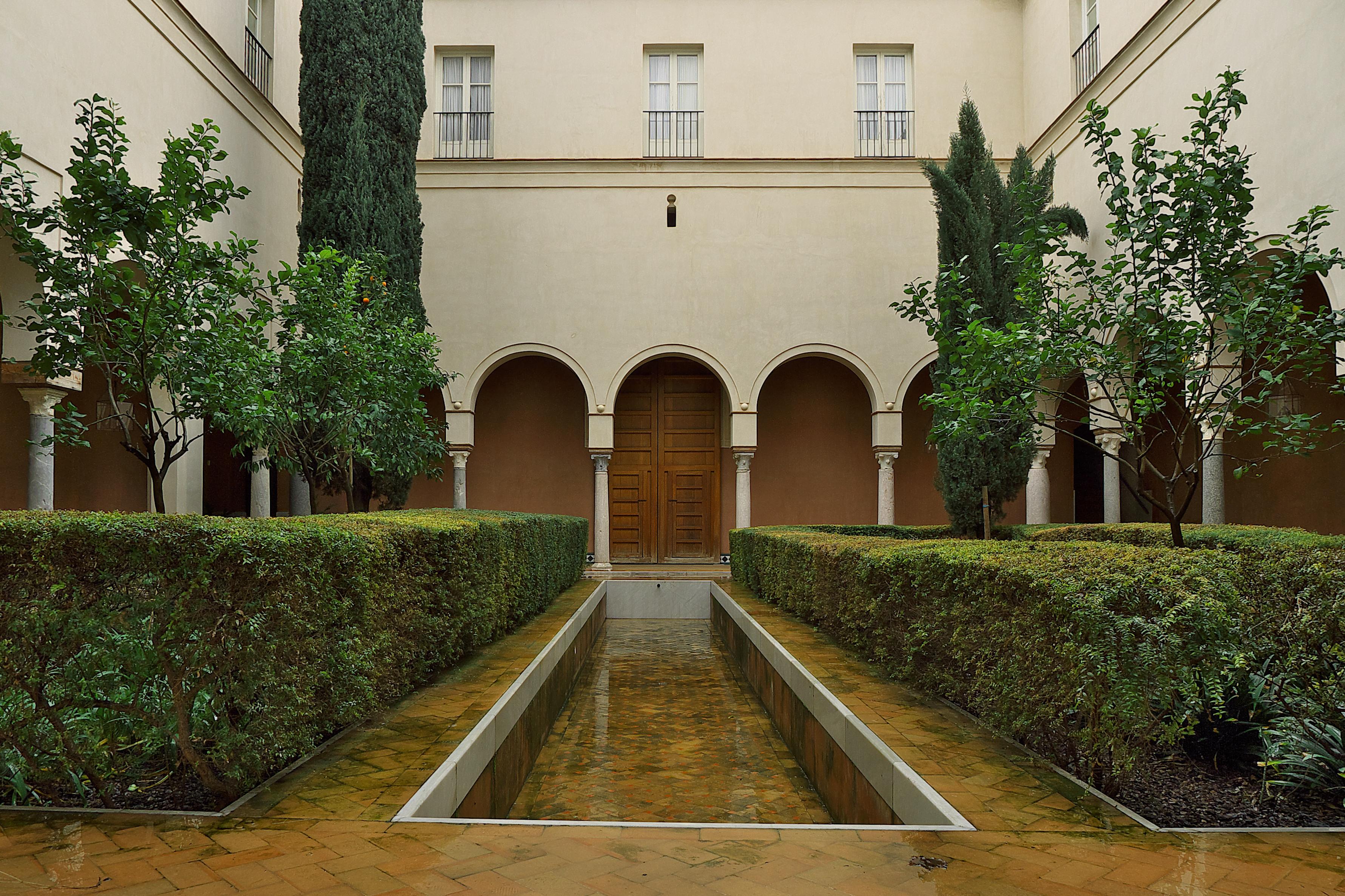
After the Christian conquest, Diego López de Zúñiga built the palace over earlier structures following the upheaval of 1391. Zúñiga and later noble families expanded the residence across several centuries. A Mudejar core centres on a patio, wooden ceilings, plasterwork, and rooms bearing the painted Altamira and Guzmán coats of arms. The larger courtyard combines decorative arcades, later arches, and a column topped by a caliphal capital. Nineteenth-century apartments concealed much of this construction before archaeological work revealed it again.
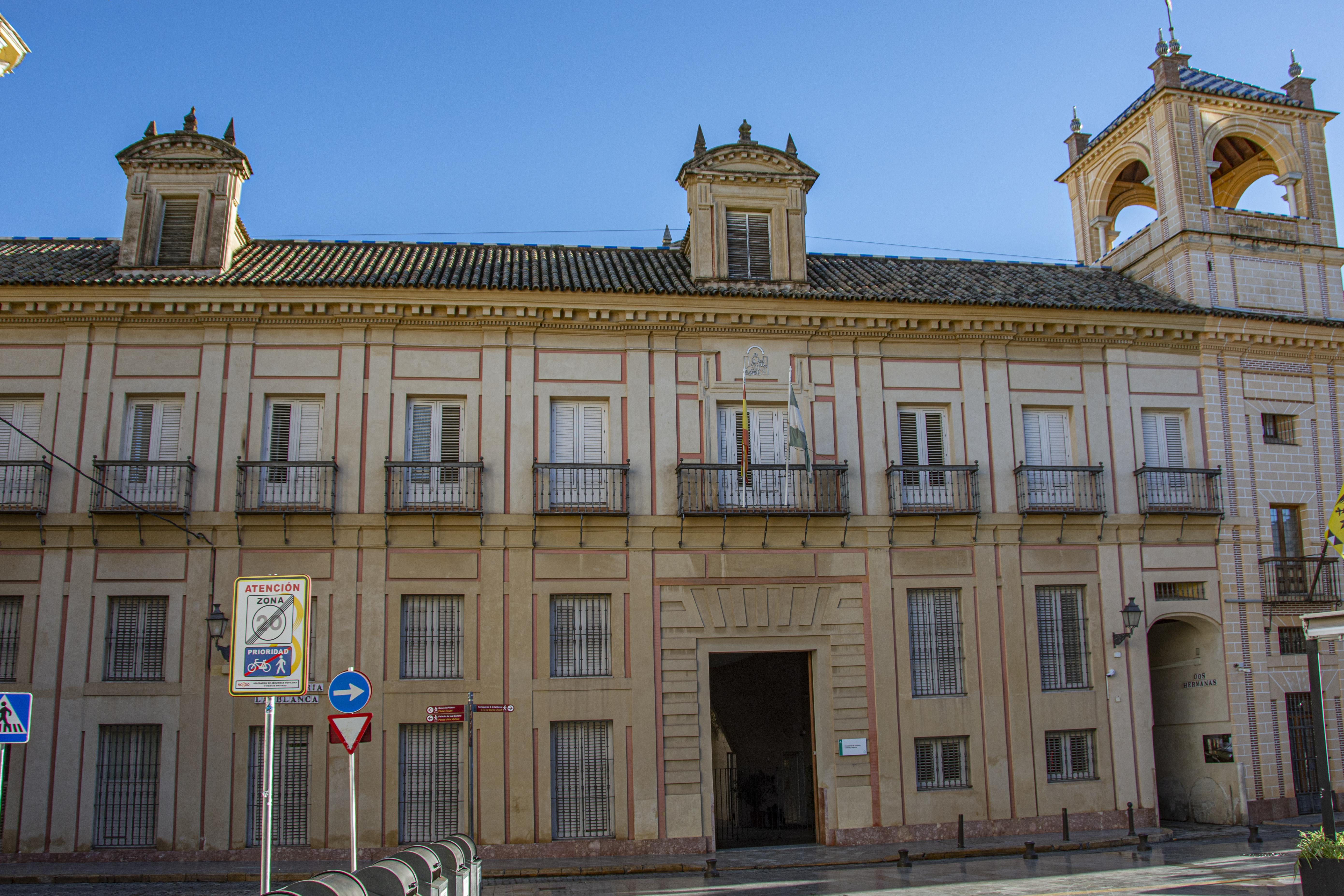
The seventeenth-century façade brings together two storeys, a mezzanine, paired pilasters, and two dormer windows. Its semicircular entrance arch supports the main balcony above moulded jambs and a lintel. After restoration completed in 1999, the building became the headquarters of Andalusia’s Ministry of Culture. Seville’s changing history remains visible here through one palace, several courtyards, and centuries of adaptation.
- City
- Seville
- Content updated
Take this page with you
The myTuur app is free, and once you are standing at a spot its story starts by itself.


Spots like this one are the stops myTuur strings into tours through Seville. In the app, each story begins where you stand: walk up to a spot and it starts, read it on screen or listen as you go, then follow the route to the next one.
What is myTuur?
myTuur is a free city-guide app. Its tours are built from spots, and each spot carries a story that starts when you get there, to read or to listen to as you like.