Peace Pole
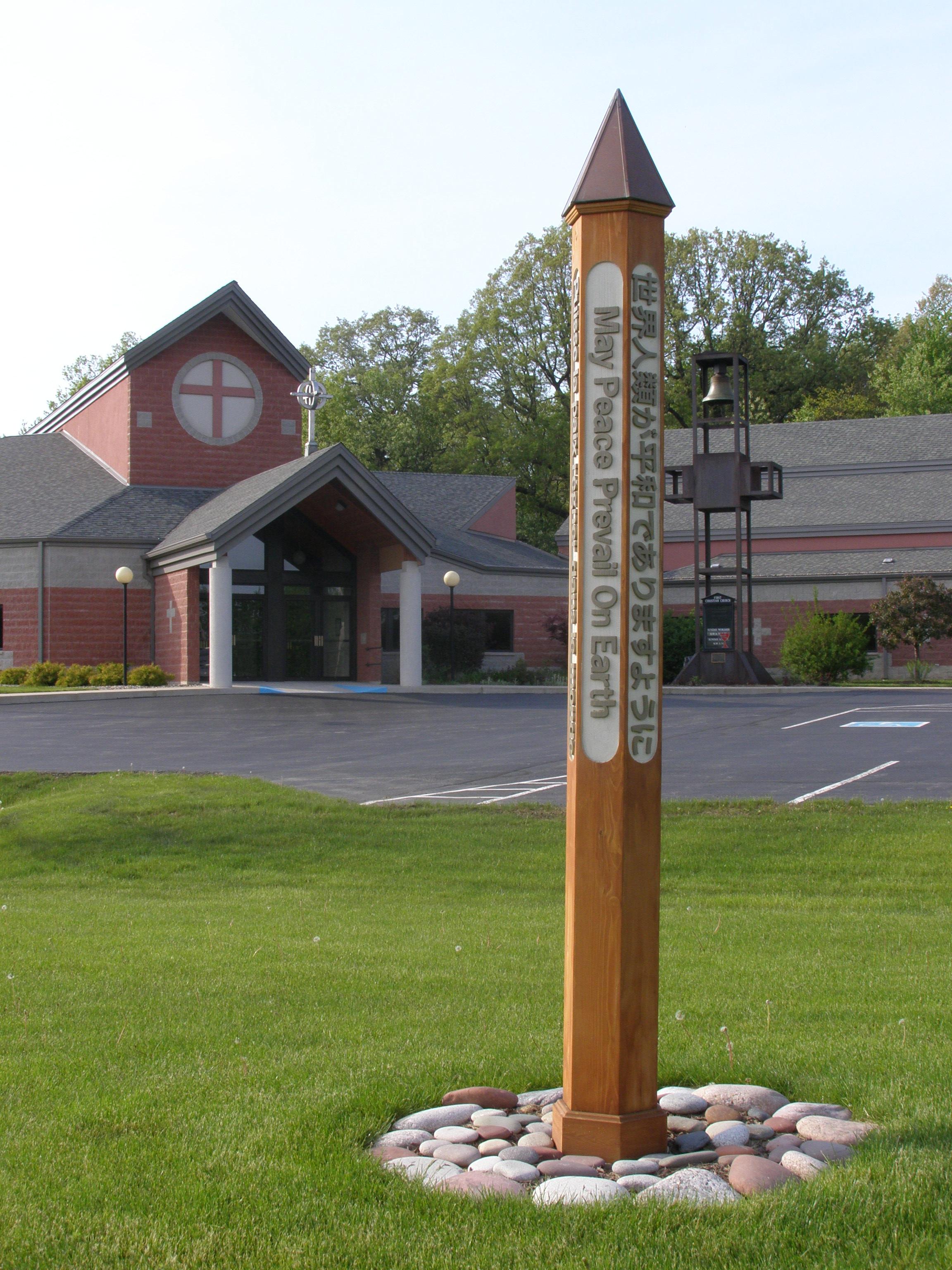
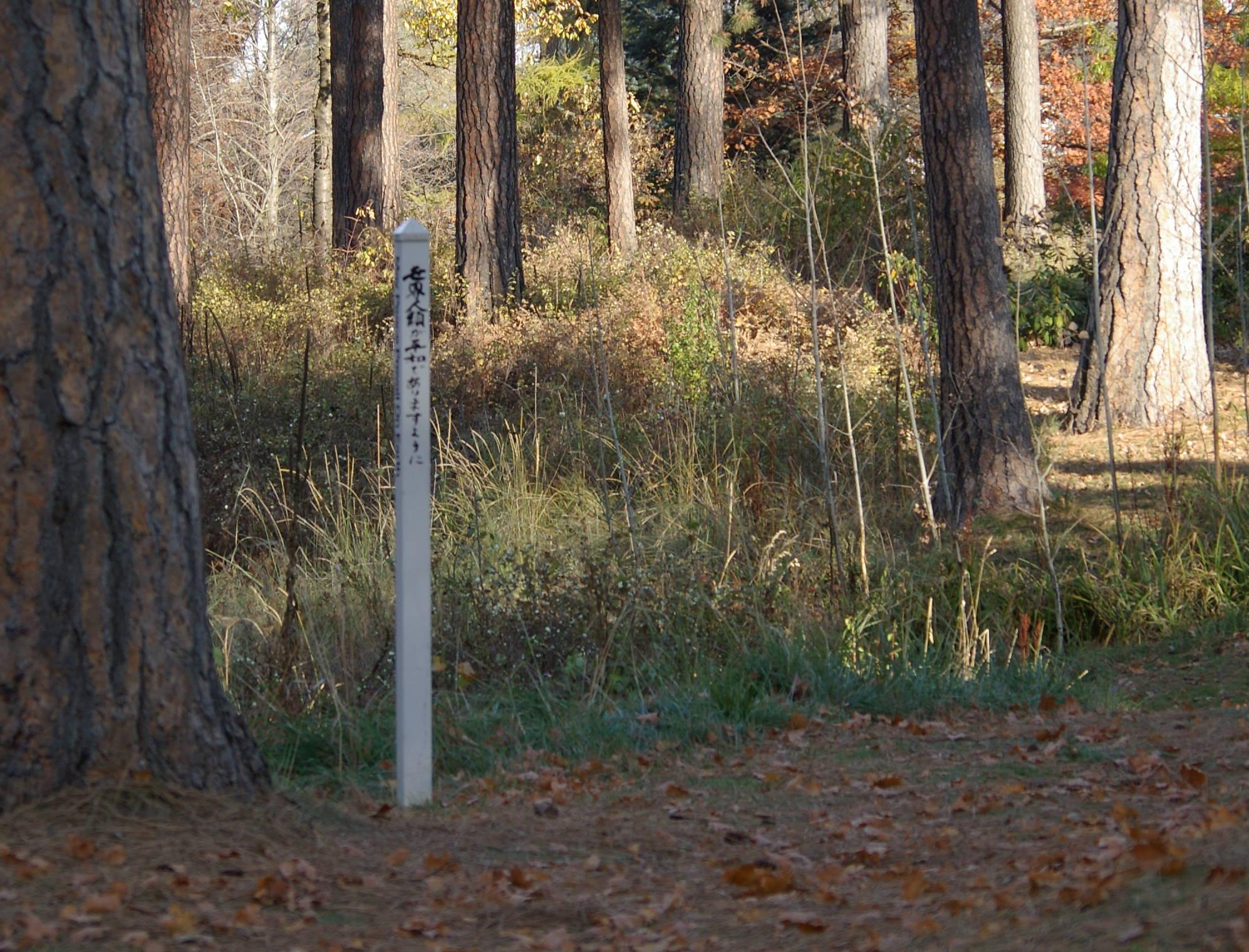
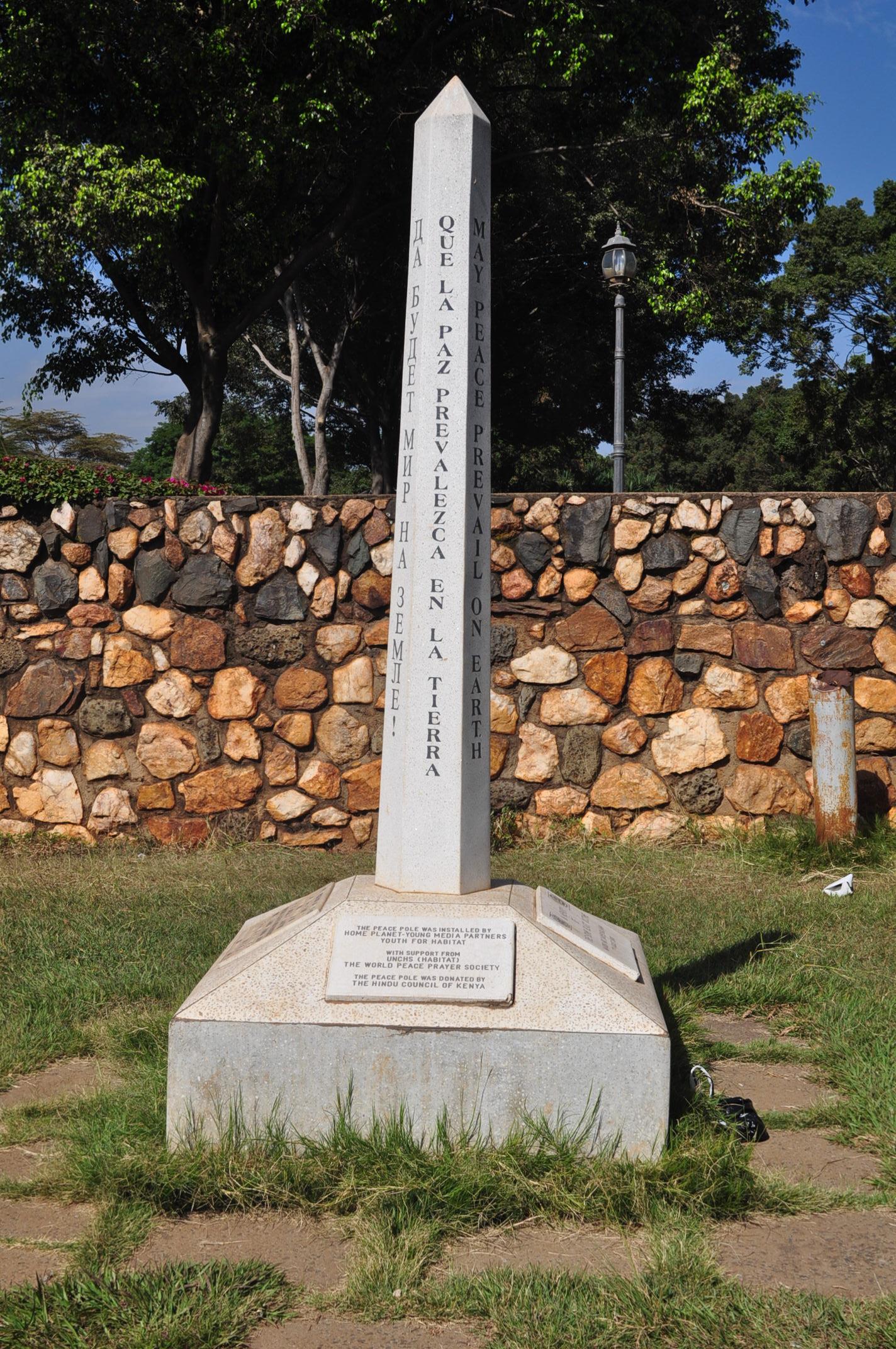
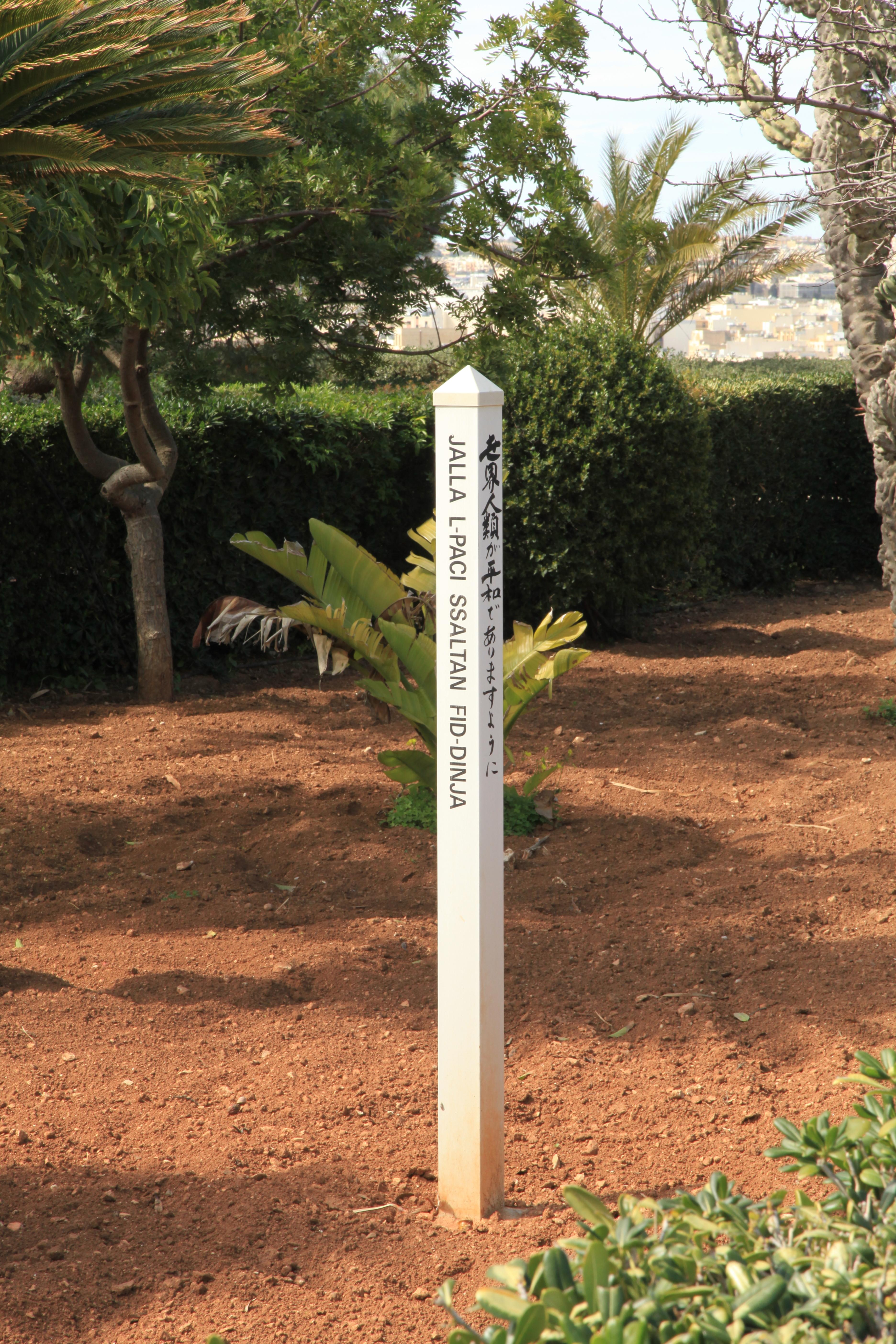
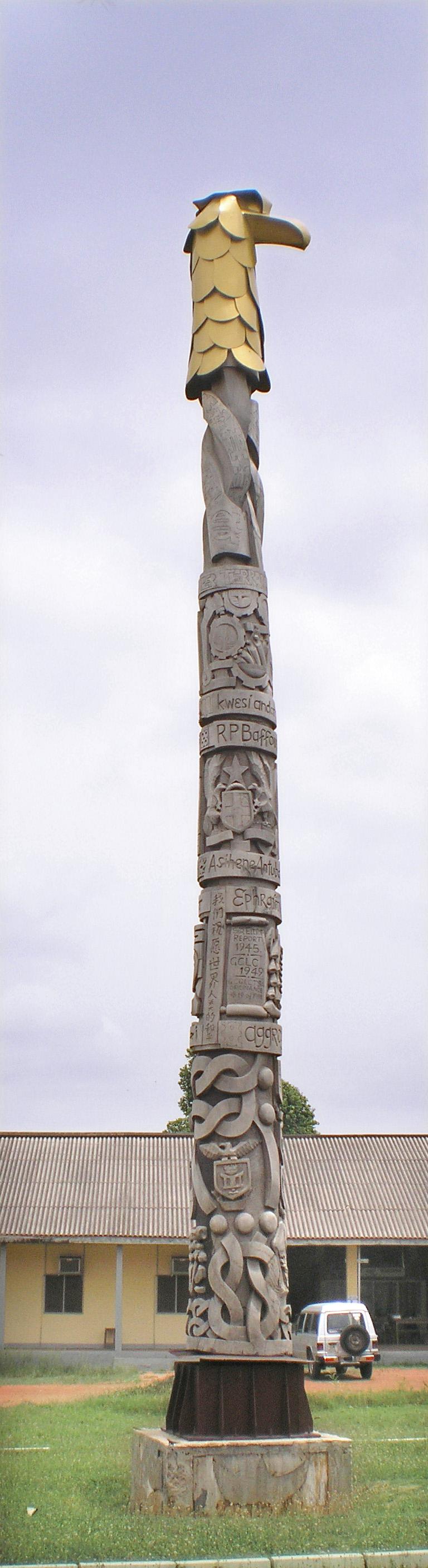
Peace Pole stands in Riga, Latvia, as a monument carrying a message of peace into the city. The words call for peace on Earth, usually in the local language and sometimes in several others. The idea began in Japan during the 1950s, when Masahisa Goi connected prayer with a worldwide hope for peace. The first poles appeared in Japan during the mid-1970s. After 1983, communities outside Japan began installing them in parks, near schools, churches, gardens, and public places.
Hiroshima and Giza are among the places with one. This Riga monument belongs to a worldwide movement that links local responses to conflict with a shared international symbol. Some poles answer hate crimes or other conflicts with a visible sign of hope and unity. A particularly striking example stands in Janesville, Wisconsin, at a former Ku Klux Klan rally site. Other examples appear beside Little Free Libraries, combining the peace message with a place for books. Thus, a simple upright structure connects this Latvian city with gardens, schools, memorials, and unexpected sites across the world.
- City
- Riga
- Content updated
Take this page with you
The myTuur app is free, and once you are standing at a spot its story starts by itself.


Spots like this one are the stops myTuur strings into tours through Riga. In the app, each story begins where you stand: walk up to a spot and it starts, read it on screen or listen as you go, then follow the route to the next one.
What is myTuur?
myTuur is a free city-guide app. Its tours are built from spots, and each spot carries a story that starts when you get there, to read or to listen to as you like.