Zoologisk museum
Two monumental stone buildings in the national romantic style stand side by side inside the Botanical Garden in Oslo's Tøyen district. One of them is the Zoologisk museum, the zoology branch of the Naturhistorisk Museum, which belongs to the University of Oslo. A physical link joins it to the Geological Museum next door, and both entrances are accessible to the public. The doors first opened on 2 February 1910, and a complete redesign of the exhibitions followed in the 1970s.
Around two million animal specimens and taxidermy pieces from all over the world rest in the collections. Space allows only a small share of them onto the floor at any time. What is displayed stands in settings that imitate natural habitats, so the animals appear as they would in the wild. The exhibitions cover two floors, opening with a ground-floor hall that introduces animal diversity, migration patterns and adaptation to the environment. A diorama pairs Norwegian natural landscapes with their matching specimens, and the Systematics Hall classifies Norway's animal species. The Nordic Hall shows the country's native predators, bears, lynxes, wolves and wolverines, alongside displays on marine and bird life. Beside it, the Svalbard Hall turns to the wildlife of that archipelago. Upstairs, the Zoogeographical Hall brings together wild animals from various parts of the world.
In 2011, for the university's two hundredth anniversary, the building took the name Robert Colletts hus, honouring the Norwegian zoologist Robert Collett. Staff who know the displays well move among the rooms and answer questions as you go. Since the garden surrounds the site, one visit covers plants and animals together. On the second floor, two specimens outlast their own species: the great auk and the Tasmanian tiger, both extinct.
- City
- Oslo
- Content updated
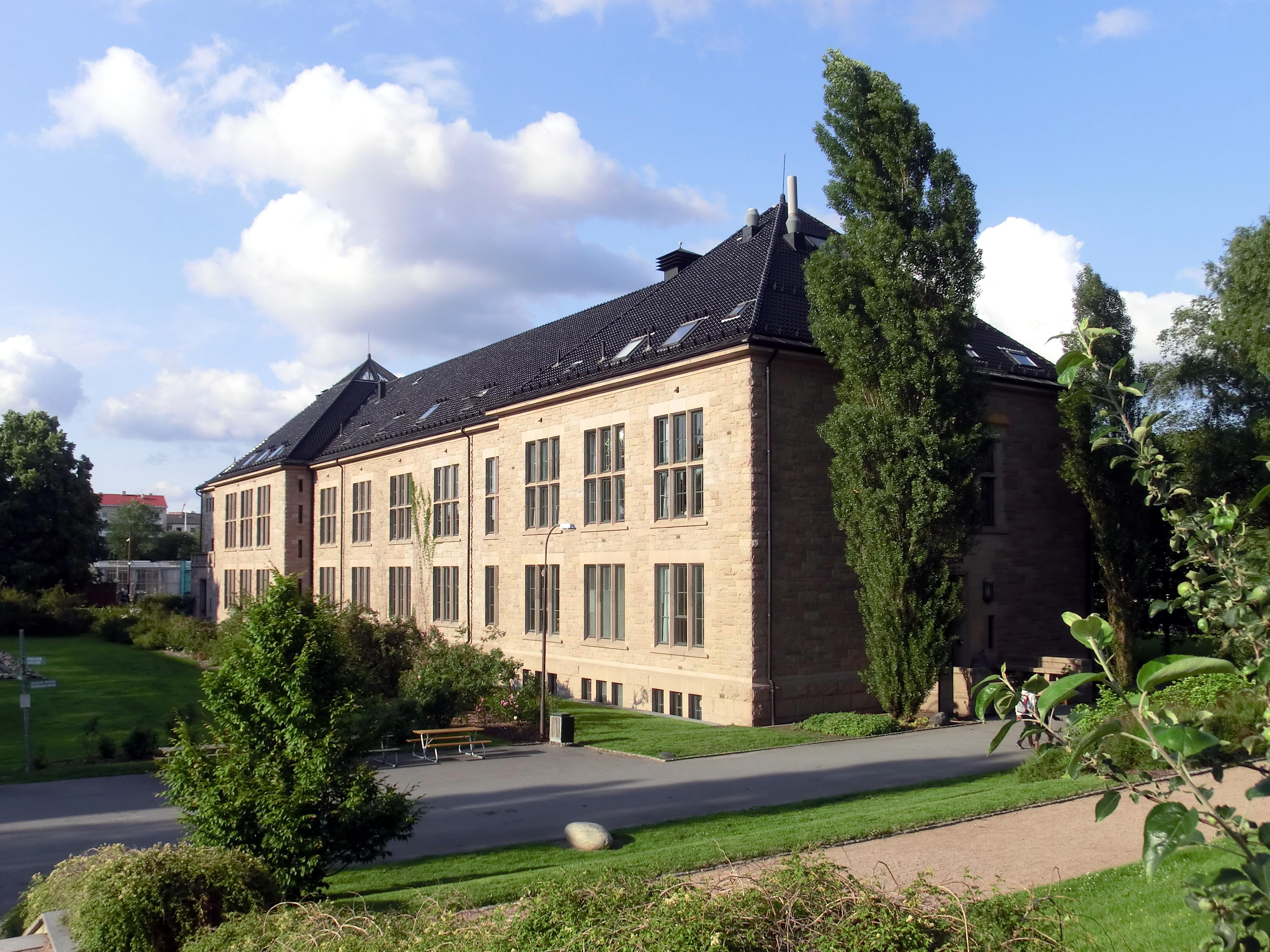
Image: DreizungCC0 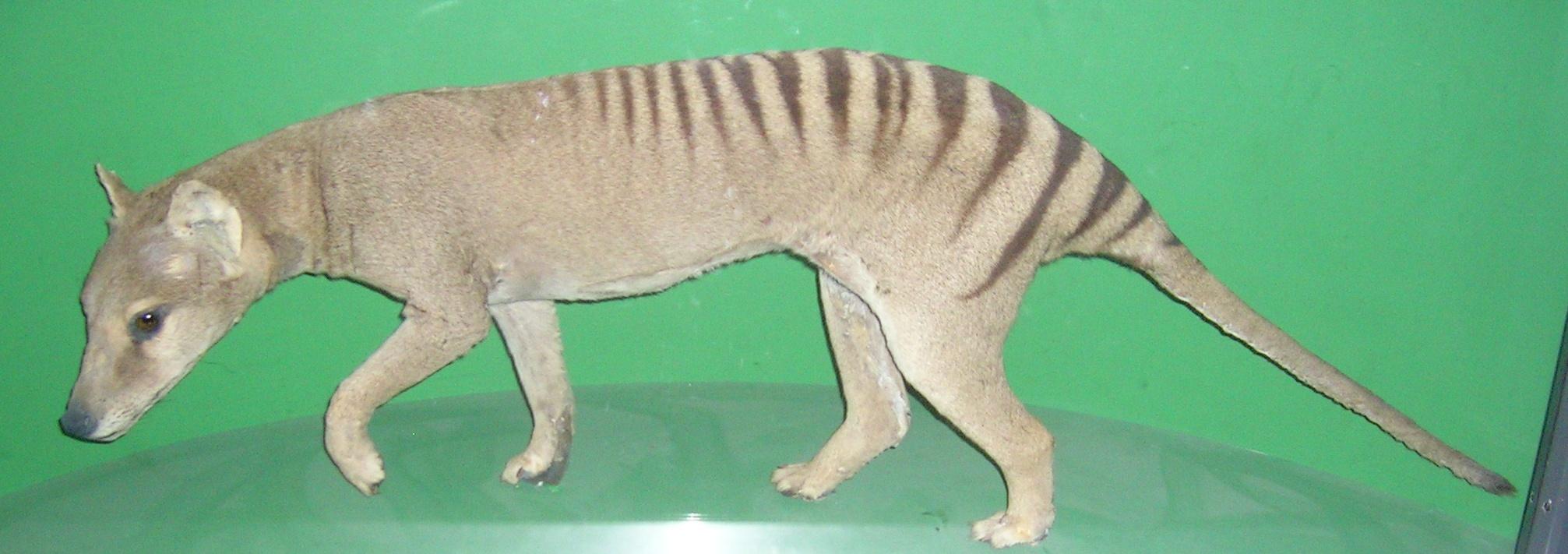
Image: L. ShyamalPublic domain
Take this page with you
The myTuur app is free, and once you are standing at a spot its story starts by itself.


Spots like this one are the stops myTuur strings into tours through Oslo. In the app, each story begins where you stand: walk up to a spot and it starts, read it on screen or listen as you go, then follow the route to the next one.
What is myTuur?
myTuur is a free city-guide app. Its tours are built from spots, and each spot carries a story that starts when you get there, to read or to listen to as you like.