Tøyen hovedgård
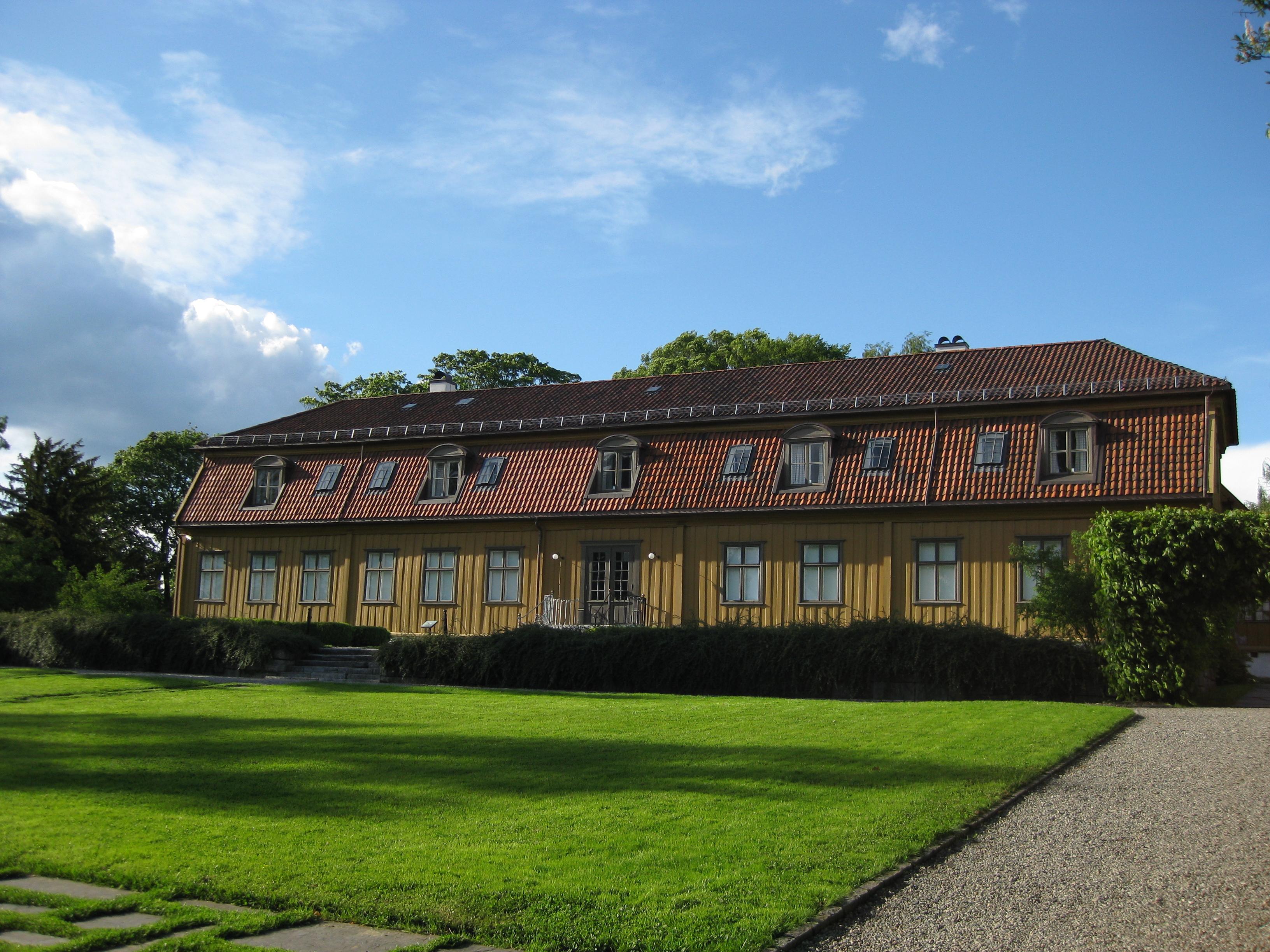
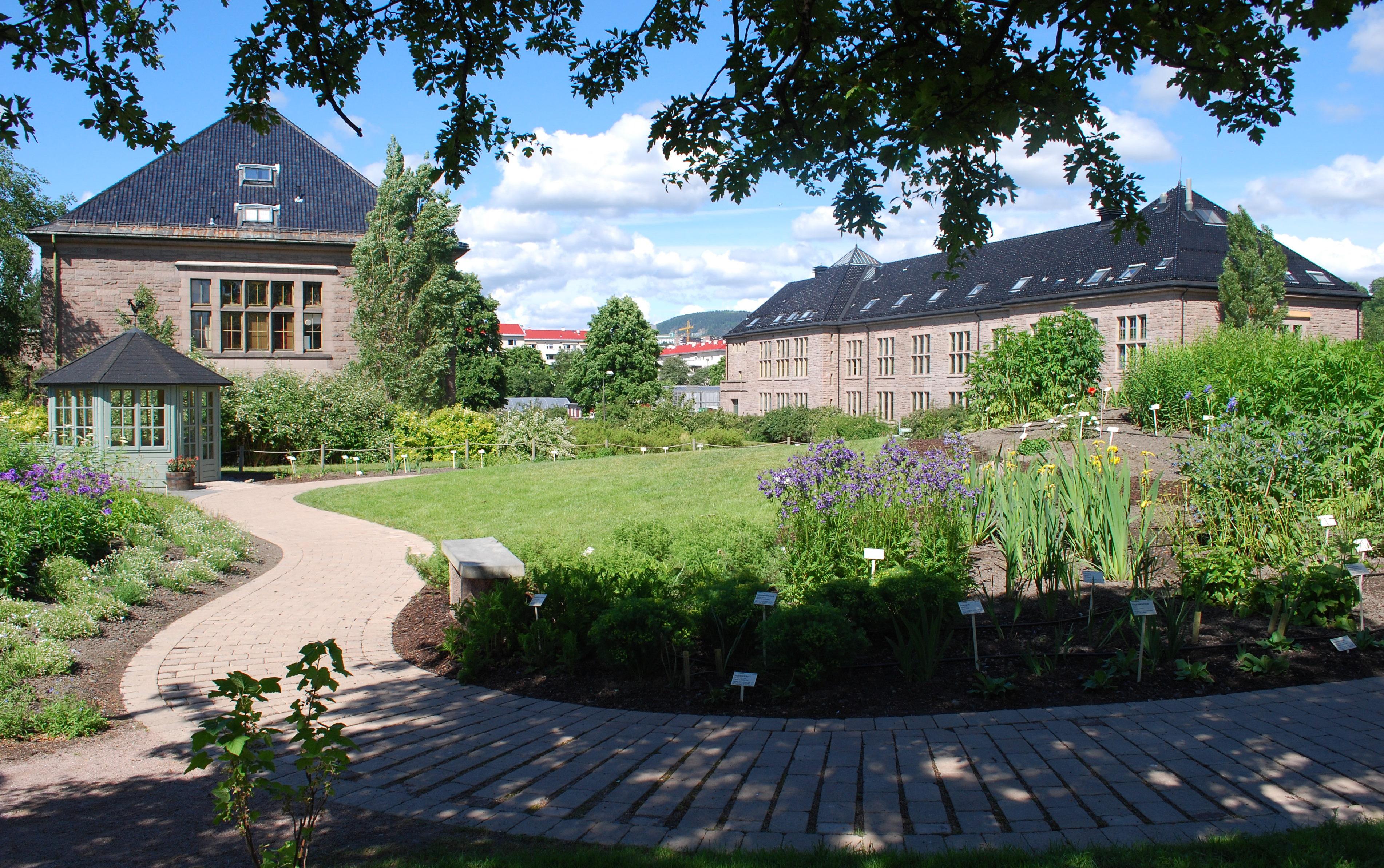
Tøyen hovedgård stands inside Oslo Botanical Garden, alongside the Natural History Museum at the University of Oslo. Its timber main house dates from 1679. Ochre-yellow walls, timber framing, and garden paths give the setting a distinct historic character.
The estate began as property of Nonneseter Abbey, extending from present-day Carl Berners plass towards Lille Tøyen and Grønland. Parts of Tøyenbekken still flow through the Botanical Garden. Jens Bjelke expanded the estate, while Jørgen Bjelke built the present house after fire destroyed its predecessor. Later owners added a mansard roof, fruit trees, and grapevines, before the property passed to the university in 1812. Restoration in 2006 and 2007 brought the interiors back towards their late eighteenth-century appearance, including rococo and Louis Seize details.
The west wing now contains a café with outdoor seating in summer. Two small exhibition rooms occupy the east wing, while university offices fill the upper floor. Look for the outdoor staircase bearing Wilhelm Wilhelmsen’s initials and the year 1781. A windowpane in the east wing carries Hans Nielsen Hauge’s scratched name, left after he worked in the garden during his arrest in 1807.
- City
- Oslo
- Content updated
Take this page with you
The myTuur app is free, and once you are standing at a spot its story starts by itself.


Spots like this one are the stops myTuur strings into tours through Oslo. In the app, each story begins where you stand: walk up to a spot and it starts, read it on screen or listen as you go, then follow the route to the next one.
What is myTuur?
myTuur is a free city-guide app. Its tours are built from spots, and each spot carries a story that starts when you get there, to read or to listen to as you like.